




Display Dish
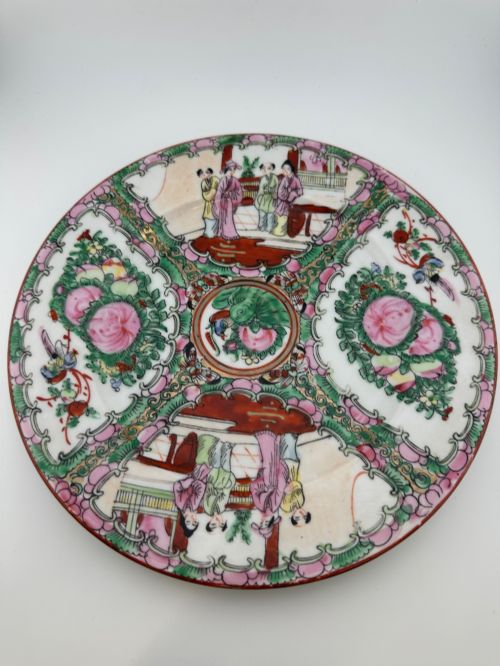
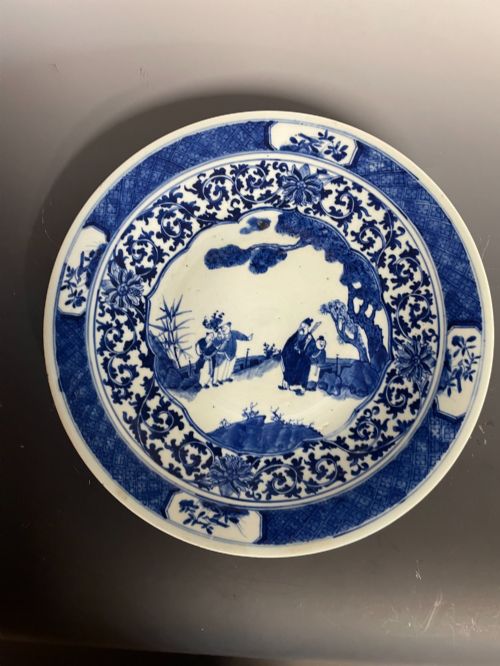
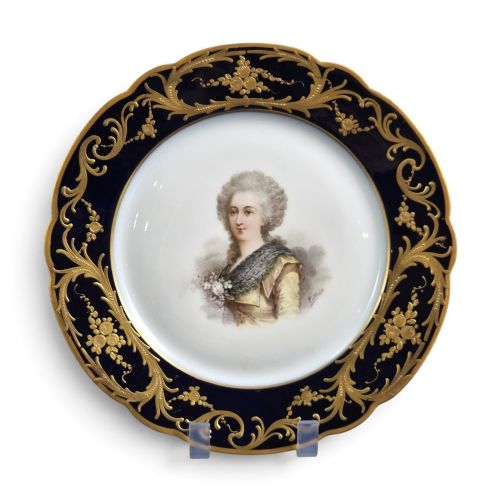
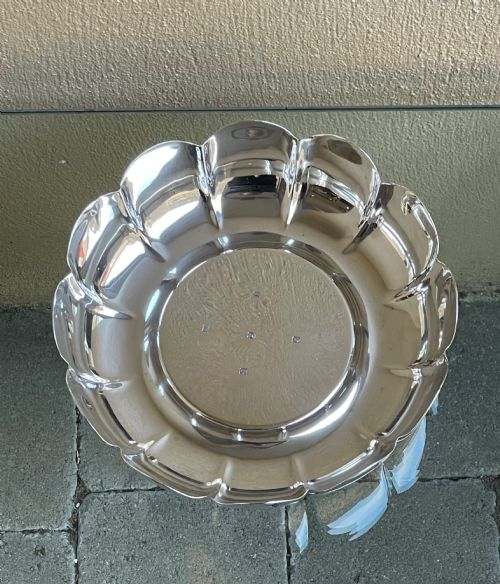
A display dish serves as an ornament of colour and form, created to bring historic ceramic art onto a wall, cabinet, or table.
Display Dish
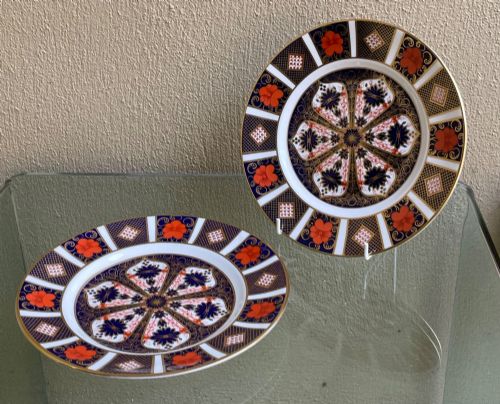
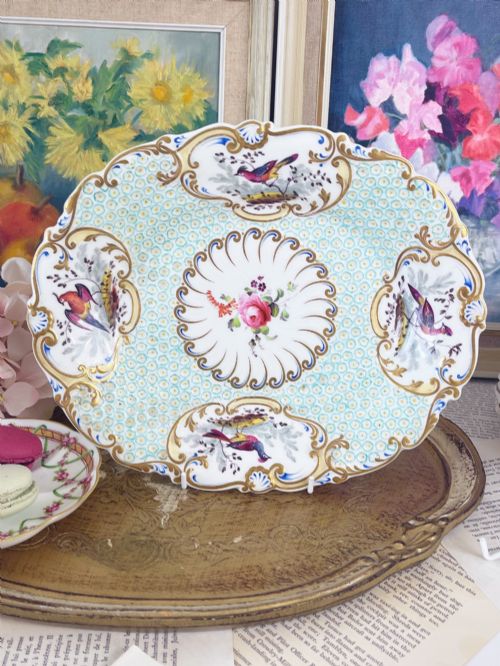
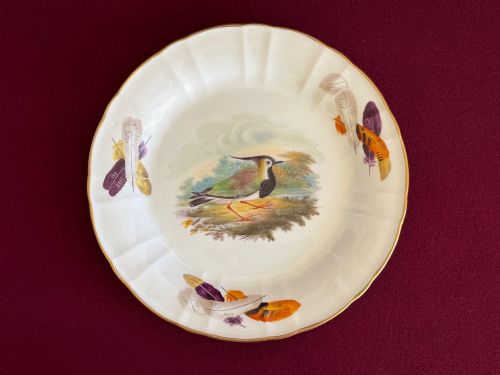
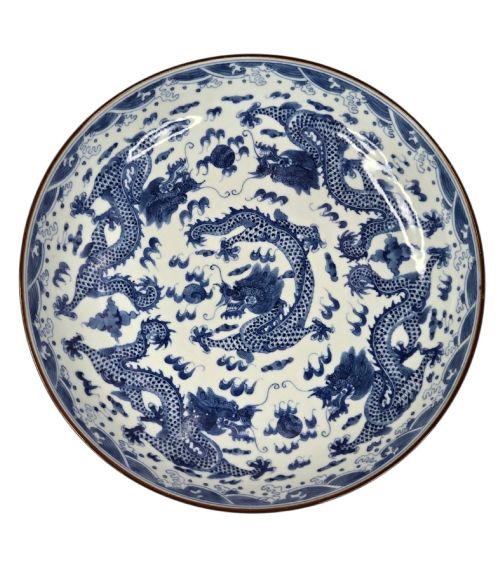
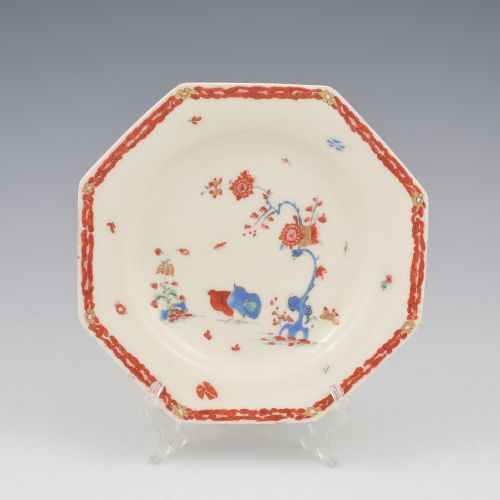
A display dish encompasses plates, chargers, and platters made primarily for decoration rather than daily dining. You will frequently encounter 18th-century and 19th-century ceramic chargers and cabinet plates originating from English, European, and Asian kilns.
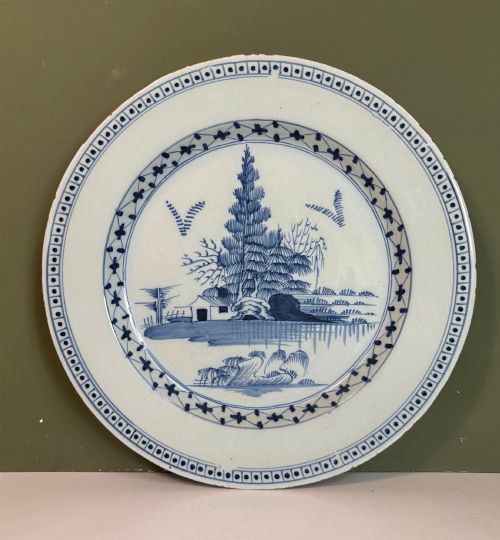
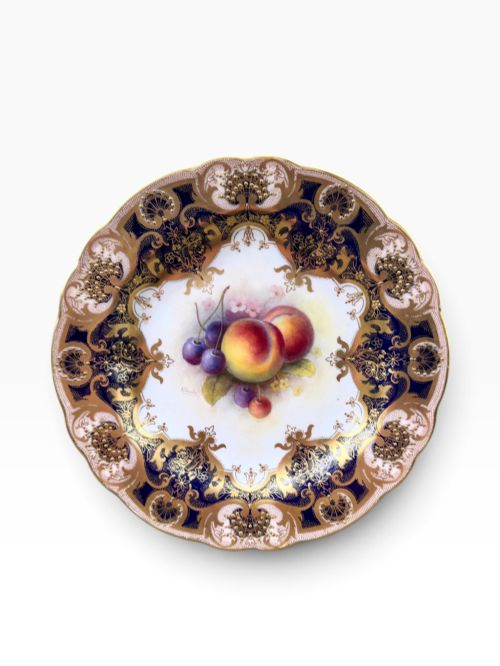
Common forms span large Imari chargers, botanical cabinet plates, and delftware dishes, reflecting periods from Georgian and Regency eras through to the Victorian and Edwardian decades.
How they were made
Makers shaped porcelain, bone china, and earthenware bodies on the wheel or in moulds before applying rich mineral glazes and cobalt underglazes. Artisans then hand-painted detailed birds, fruit, and floral patterns directly onto the fired surface.
Gilding techniques involved applying gold leaf or gold paint to the rims and borders, often fired a second time to fuse the metal to the glaze. Tin-glazed earthenware, such as delftware and maiolica, received an opaque white enamel glaze that provided a smooth canvas for polychrome pigments.
Listings feature 18th-century delftware chargers alongside 19th-century porcelain plates from English, French, and Japanese kilns.
What varies in quality
The distinction between ordinary ware and exceptional pieces lies in the precision of the hand-painting and the renown of the decorator or factory. Master painters working for houses like Royal Worcester or Meissen achieved remarkable depth and realism in floral and fruit studies.
Material purity and firing success also separate the tiers, as finer porcelain bodies permit thinner, more translucent walls without warping in the kiln. Richness of cobalt application, consistency of glaze finish, and crispness of transfer printing further elevate the standing of a piece.
Royal Crown Derby·Royal Worcester·H & R Daniel·Bow Porcelain·Meissen Porcelain·Minton Porcelain
The Display Dish Glossary
- Charger
- A large decorative plate, typically measuring over twelve inches across, intended for display on a sideboard or wall rather than for individual dining.
- Cabinet Plate
- A fine porcelain or bone china plate produced specifically for display in a glass-fronted cabinet, often featuring elaborate hand-painted decoration.
- Imari
- A style of Japanese export porcelain characterised by a distinctive palette of cobalt blue, iron red, and gold, widely copied by European potteries.
- Tin-Glazed Earthenware
- Pottery covered with a glaze containing tin oxide, which fires to an opaque white surface suitable for colourful painted decoration.
- Transferware
- Ceramic ware decorated by applying a monochrome design from an engraved copper plate onto paper, which was then transferred to the biscuit or glazed surface.
Display Dish: Frequently Asked Questions
How were display dishes used historically?
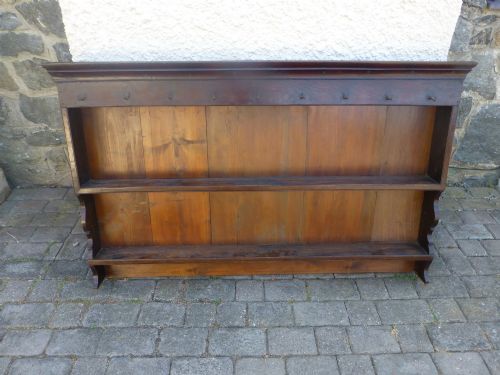
Historically, large chargers and cabinet plates were stood on edge on sideboards, hung on walls, or placed in dedicated plate racks to showcase the wealth and taste of the owner.
Unlike everyday crockery, these pieces were selected for their artistic merit, heraldic devices, or intricate hand-painted scenes rather than utility at the dining table.
How do I hang a heavy charger safely?
Heavy ceramic chargers require specialised wall brackets or spring-loaded brass plate hangers that distribute the weight evenly across the rim and base.
Ensure the fixing is anchored directly into wall studs or uses appropriate masonry plugs to support the substantial weight of 18th-century and 19th-century earthenware.
Can I use cabinet plates for serving food?
Cabinet plates and hand-painted dessert dishes are generally unsuited for modern culinary use due to fragile surface gilding, historic enamel wear, and potential lead content in older glazes.
Displaying them in cabinets or on walls protects the delicate pigments from acidic foods and abrasive cutlery washing.