

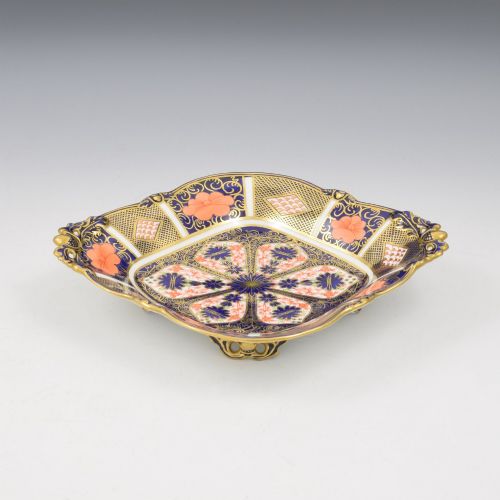
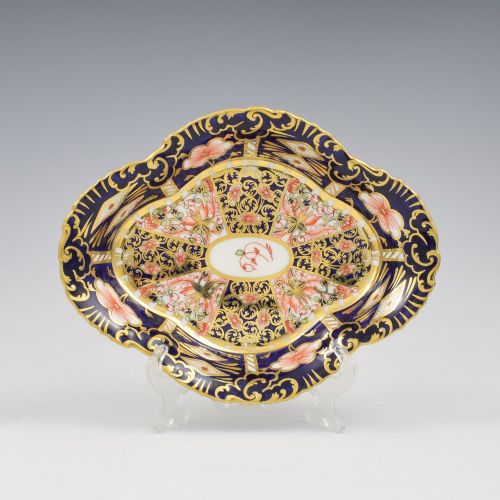
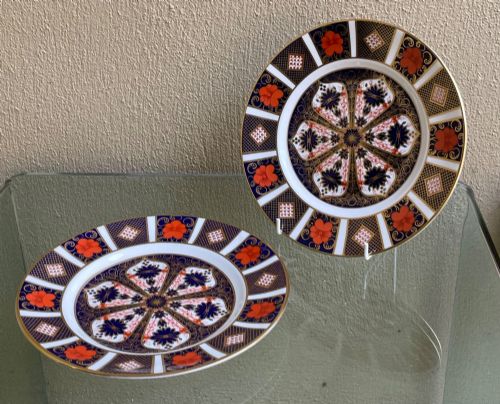
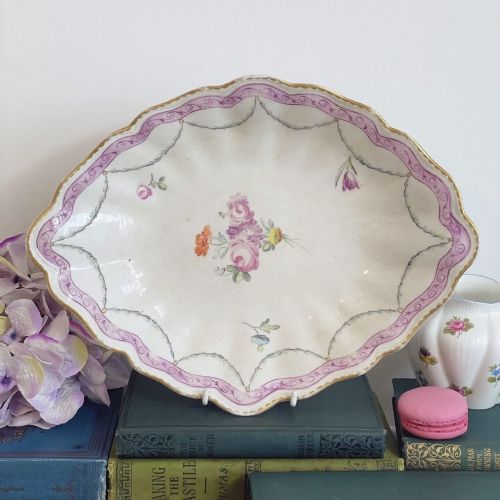



Derby Porcelain Dish
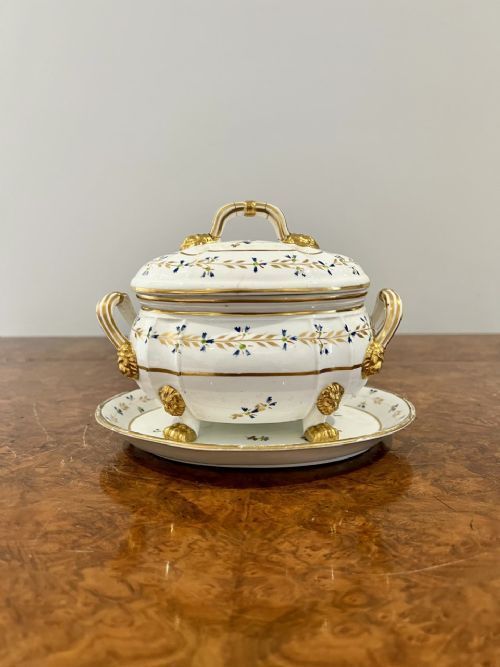
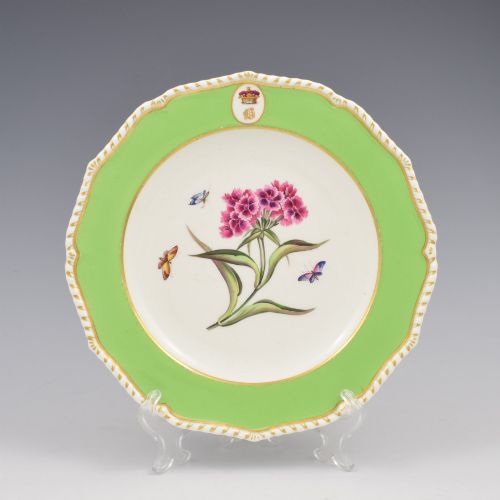
A derby porcelain dish brings hand-painted botanicals, vibrant Imari palettes, and crisp bone china forms directly to the table or cabinet.
Derby Porcelain Dish
A derby porcelain dish encompasses a broad range of serving vessels, dessert plates, cabinet pieces, and tureens produced across the eighteenth, nineteenth, and twentieth centuries. These items trace the evolution of English ceramic design from early soft-paste utilitarian forms to ornate bone china items.
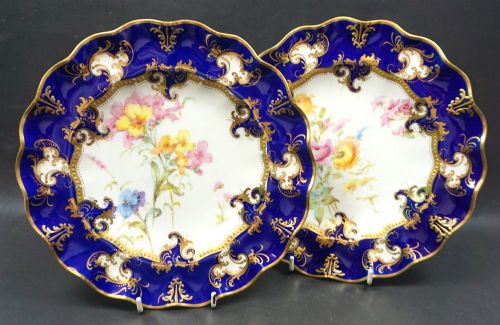
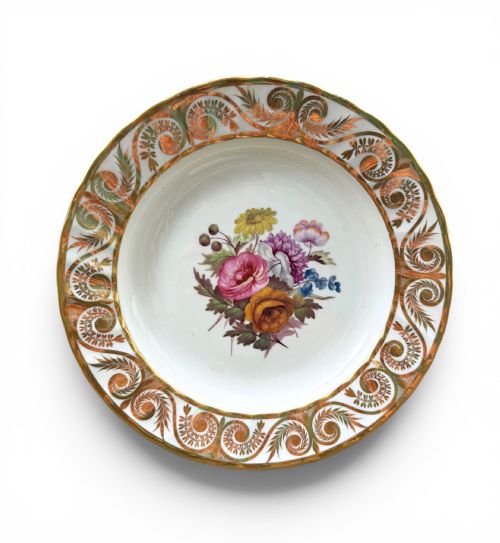
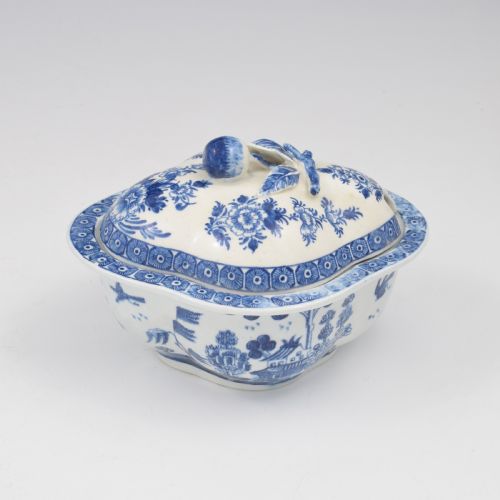
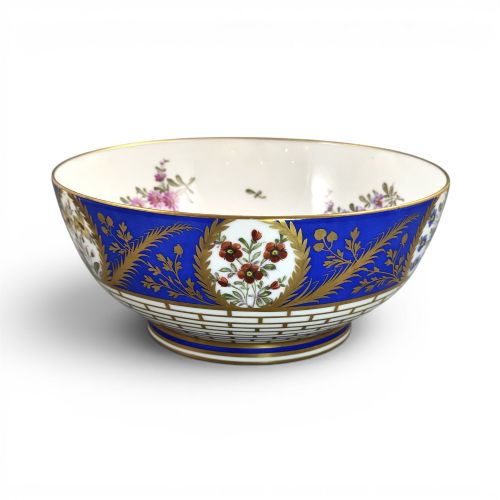
The selections available span multiple stylistic eras, including Georgian, Regency, Victorian, and later twentieth-century production. Buyers encounter everything from blue and white wine tasters and pickle dishes to heavily gilded Imari plates and armorial dessert services.
How they were made
Early examples utilise soft-paste porcelain fired at lower temperatures, while later nineteenth-century output shifts towards harder bone china bodies combined with enamel paints and gold leaf gilding. Artisans applied hand-painted polychrome florals, armorial crests, and transfer-printed motifs directly onto the glazed surfaces before secondary firing.
Specialised techniques such as piercing, lobed moulding, and ormolu mounts appear on select serving dishes and compotiers. The application of rich underglaze blue and Japanese-inspired Imari patterns required skilled brushwork and precise temperature control in the kiln.
Derby Porcelain Dish Retail Price Guide 2026
Typical asking prices for derby porcelain dish among the pieces listed under this phrase on Sellingantiques today, from the lower quarter to the upper quarter. They describe what is for sale here now, not the wider market.
Listings feature items spanning the eighteenth century to the mid-twentieth century, including soft-paste porcelain, bone china, and enamel.
What varies in quality
The standard of painting determines the desirability of a derby porcelain dish, separating factory work from pieces executed by named botanical and landscape artists. Crisp detail in hand-painted flora, birds, or armorial crests indicates superior craftsmanship.
The precision of the gilding and the crispness of the porcelain moulding define the upper tier of the range. Items retaining sharp foot rims, unblemished glaze surfaces, and clear factory marks command closer attention from collectors.
Moses Webster·Thomas Steele·James Giles·William Pegg·George Robertson·Sampson Hancock
The Derby Porcelain Dish Glossary
- Imari Style
- A decorative scheme employing underglaze blue, iron red, and gold leaf, inspired by Japanese export wares. This palette remained popular across multiple eras of factory production.
- Soft-Paste Porcelain
- An early ceramic composition containing glass frit and white clay, fired at lower temperatures than hard-paste porcelain. It yields a creamy translucence common in eighteenth-century pieces.
- Bone China
- A porcelain body incorporating animal bone ash, introduced to increase strength and whiteness. Most nineteenth-century and later service items utilise this formulation.
- Armorial
- A design incorporating a family coat of arms or crest. These were typically commissioned by wealthy patrons for bespoke dining services.
- Pickle Dish
- A small, often leaf-shaped vessel used for serving condiments at the dining table. Eighteenth-century examples frequently feature blue and white underglaze decoration.
Derby Porcelain Dish: Frequently Asked Questions
How do I date an early derby porcelain dish?
Dating relies on examining the factory marks, glaze characteristics, and ceramic body composition. Early pieces often feature crown and D marks in blue or gold, alongside softer porcelain bodies.
Stylistic shifts also provide clues, as Georgian and Regency items display distinct botanical painting styles and armorial motifs compared to later Victorian and twentieth-century productions.
What is the difference between soft-paste and bone china?
Soft-paste porcelain is an early formulation containing glassy components, resulting in a warmer tone and subtle glaze pooling. Bone china incorporates bone ash to create a harder, whiter, and more durable material.
Most eighteenth-century tableware uses soft-paste bodies, while nineteenth-century dishes typically utilise bone china.
How were these dishes used originally?
These items served functional and decorative roles in wealthy households, ranging from holding condiments at the dining table to presenting delicate fruits and desserts. Dessert services often included compotiers, shell dishes, and armorial plates.
Cabinet pieces were also displayed in drawing rooms to demonstrate the host's refined taste and wealth.
Can I use antique plates for serving food today?
While structurally sound, antique ceramics feature historic glazes and delicate overglaze enamel or gold leaf decoration that can be worn down by modern dishwashers and cutlery. Hand washing in lukewarm water with mild soap preserves the painted surfaces.
Many collectors prefer to display these pieces in cabinets or use them strictly for dry foods.