

Georgian China Plate
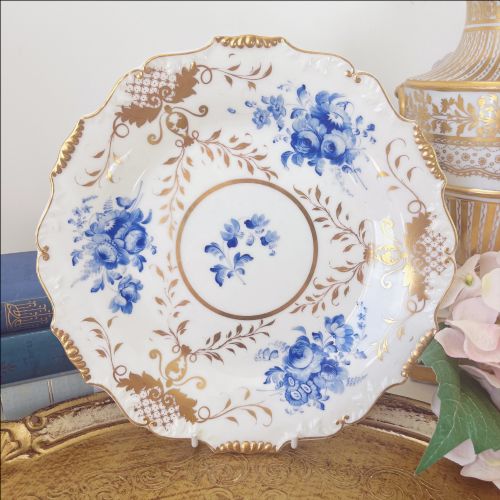
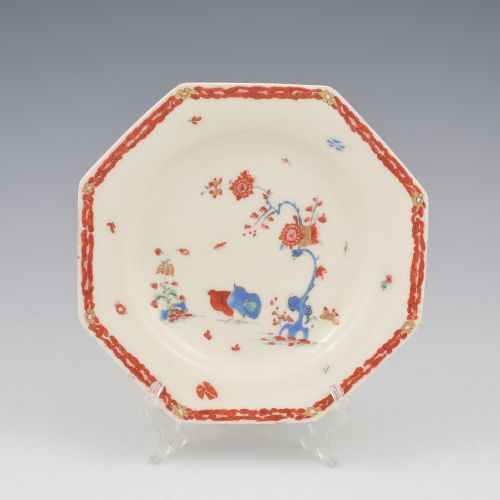
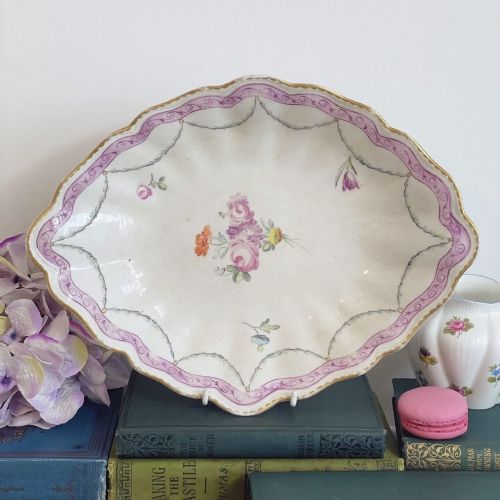
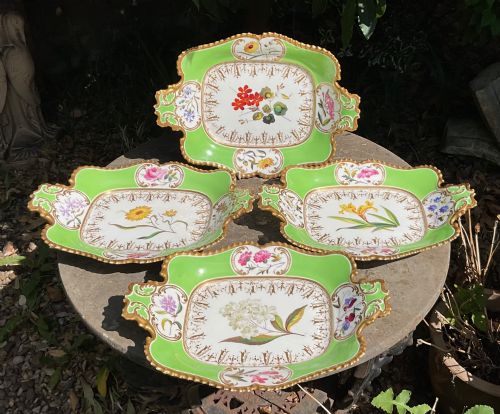
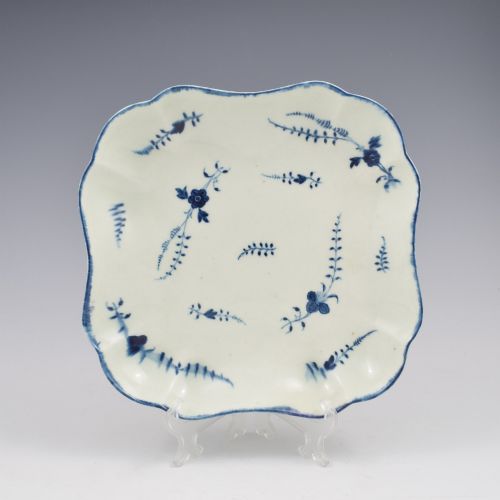
A georgian china plate brings hand-painted botanical sprays and rich transfer prints directly to the table, offering a tangible link to late eighteenth and early nineteenth-century dining rooms.
Georgian China Plate
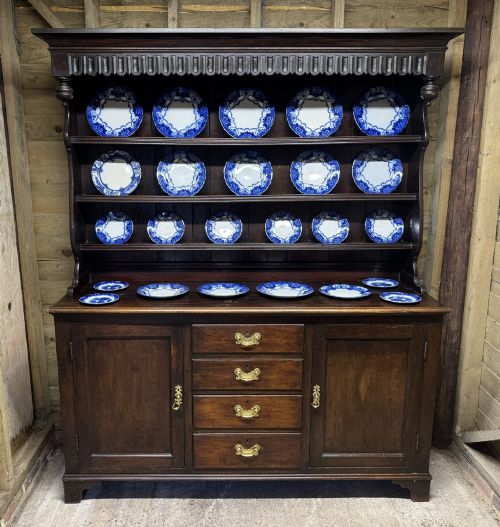
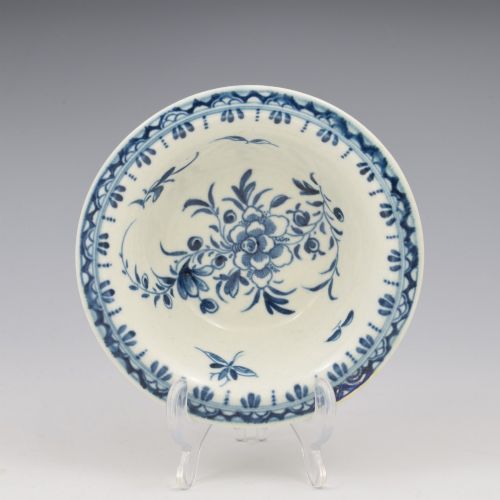
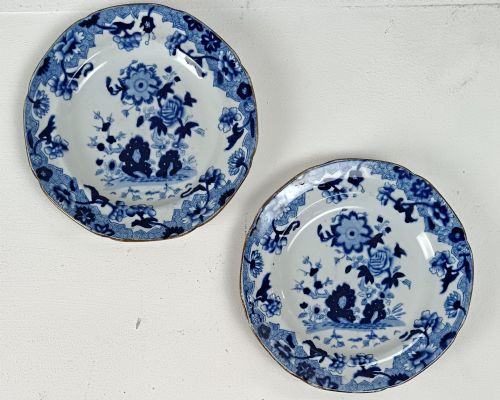
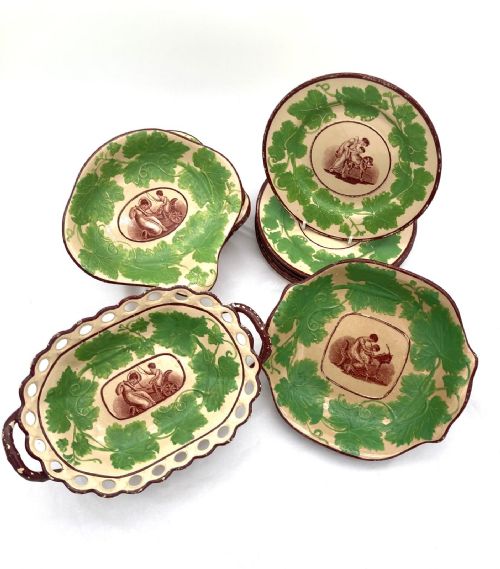
A georgian china plate encompasses serving dishes, dessert services, and cabinet plates produced across the eighteenth and nineteenth centuries. The pieces on this page span soft-paste porcelain, bone china, ironstone, and earthenware, reflecting the broad ceramic output of the period.
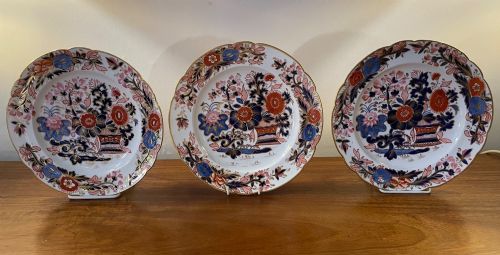
Most examples date from the Georgian, Regency, and early Victorian eras, capturing stylistic shifts from Chinese export interpretations to botanical naturalism and Imari palettes.
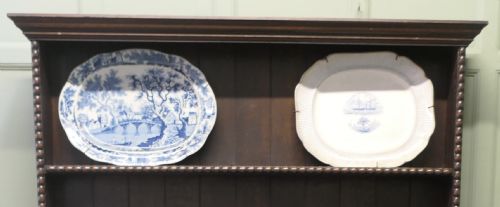
Forms range from small patty pans and tea plates to large chargers and octagonal soup plates, made for both active service and decorative display.
Materials and manufacture
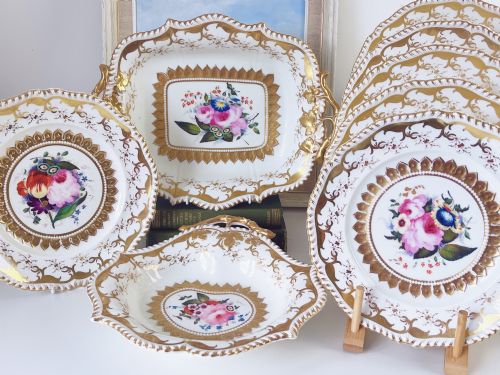
Potters utilised soft-paste porcelain, bone china, and stone-resisting ironstone, shaped through throwing or moulding before receiving underglaze blue transfers or polychrome enamel painting. Gold leaf and heavy gilding frequently highlight the rims and borders of high-status dessert services.
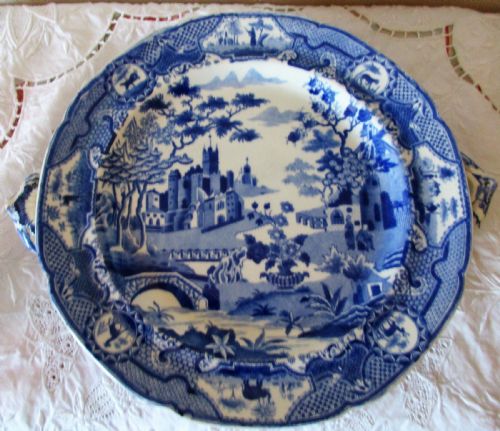
Glaze application varied from smooth, clear formulas to thicker types that pooled around foot rims, while transfer printing allowed intricate architectural and floral sheets to transfer cleanly onto the ceramic body.
Georgian China Plate Retail Price Guide 2026
Typical asking prices for georgian china plate among the pieces listed under this phrase on Sellingantiques today, from the lower quarter to the upper quarter. They describe what is for sale here now, not the wider market.
Several plates depict exotic oriental birds and wandering dragons, proving that Georgian dining rooms loved a bit of fantasy.
Distinguishing quality
Quality rests upon the crispness of the painted detail and the precision of the ceramic body. Hand-painted botanical studies by named artists or careful armorial commissions command greater attention than standard transfer-printed utility wares.
The stability of the glaze and the alignment of transfer patterns indicate the skill applied in the kiln. Finer bodies display thin, translucent walls and minimal warping during high-temperature firing.
Grainger Lee And Co·Wedgwood·Derby·Bow·Worcester·Chamberlains Worcester·Spode·Minton·John Davenport·New Hall·Bloor Derby·Rockingham Pottery·Barr Flight And Barr·Coalport·Mason
The Georgian China Plate Glossary
- Bone china
- A hybrid porcelain developed in England containing bone ash, noted for its strength and brilliant white body. It allowed makers to produce thinner plates without losing structural integrity.
- Ironstone
- A dense, durable type of earthenware patented to resist chipping and heavy daily use. It formed the heavy substrate for numerous Imari and Japan pattern services.
- Soft-paste porcelain
- An artificial porcelain mixture fired at lower temperatures than hard-paste, common in eighteenth-century English factories. It yields a warm, slightly creamy surface texture beneath the glaze.
- Imari palette
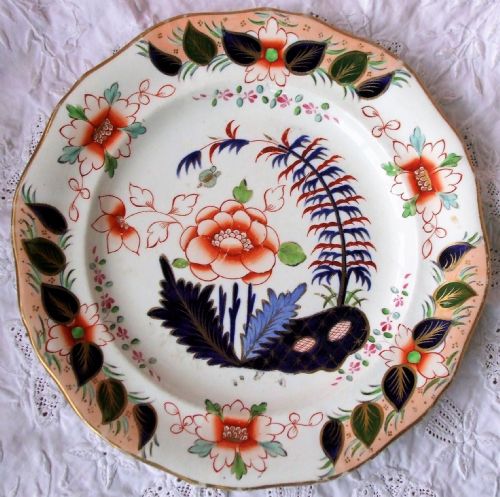
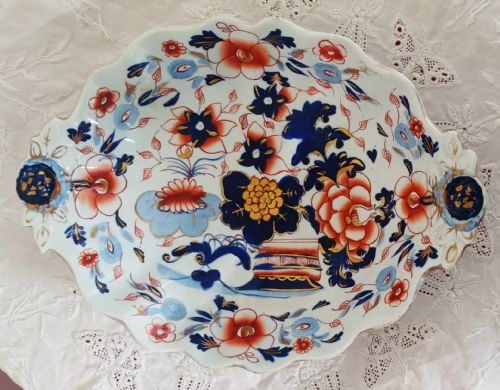
- A decorative colour scheme featuring cobalt blue, iron red, and gilt, borrowed from Japanese export ceramics. English potteries adopted this combination extensively during the Regency period.
- Transfer printing
- A mechanical method of applying an engraved design to pottery via a paper tissue. It revolutionised production speed while maintaining intricate detail across blue and white services.
Georgian China Plate: Frequently Asked Questions
How do I identify a Georgian plate?
Look for characteristic paste compositions, hand-painted botanical motifs, and specific underglaze blue marks on the reverse. Early pieces often feature soft-paste bodies or characteristic eighteenth-century potting shapes.
Comparison with documented factory patterns from Derby, Worcester, and Spode helps narrow down the decade of production.
Can I use these plates for dining?
While historic plates were made for food service, older soft-paste bodies and delicate enamels are vulnerable to modern dishwashers and cutlery scratching. Gentle hand washing preserves the surface glaze and any applied gold leaf.
Many collectors prefer to display cabinet plates on stands or within shelving units rather than risk daily wear.
What is the difference between porcelain and ironstone?
Porcelain is vitrified, translucent, and rings when tapped, whereas ironstone is a heavy, opaque earthenware designed for durability. Ironstone plates feel significantly thicker and heavier in the hand.
Both materials appear frequently across Georgian dining services depending on the intended function of the vessel.
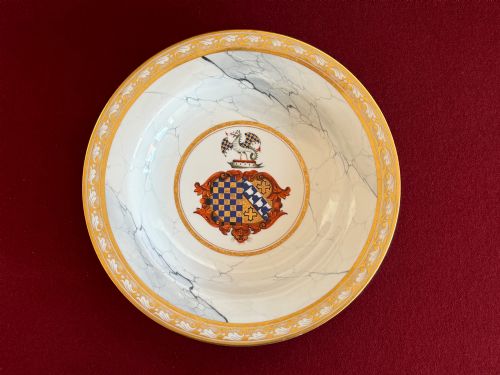
Why do some plates have armorial crests?
Armorial services were custom-ordered by landed families to display their specific coats of arms during formal meals. These commissioned pieces indicate high-status patronage of factories like Chamberlain's or Chinese export workshops.
Surviving examples provide a direct link to the original aristocratic households that ordered them.