


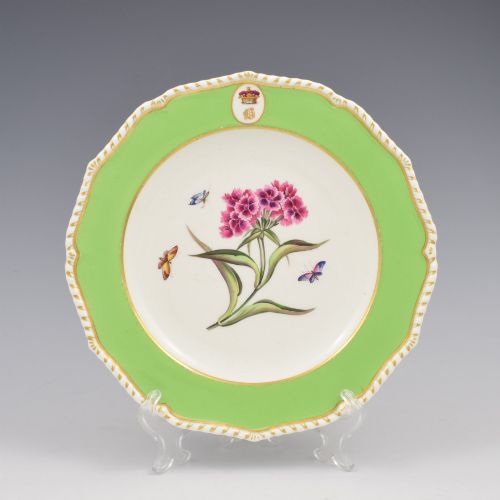


Derby Cabinet Plate
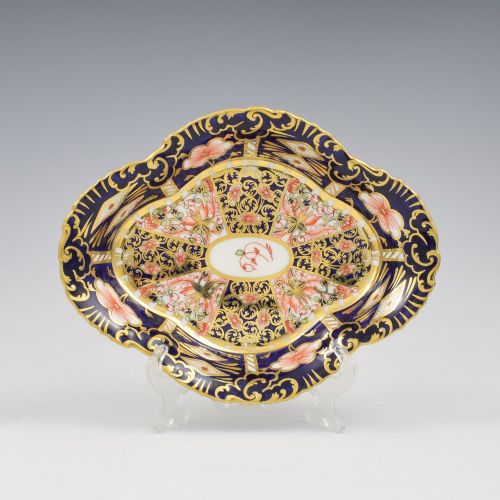
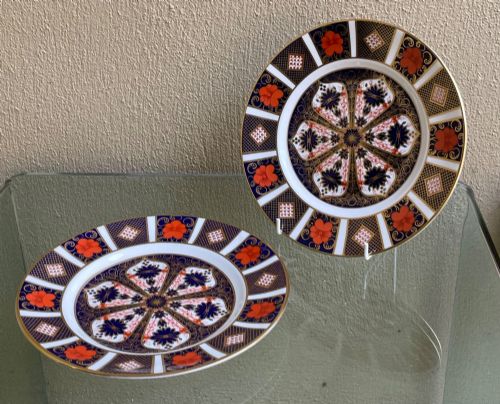
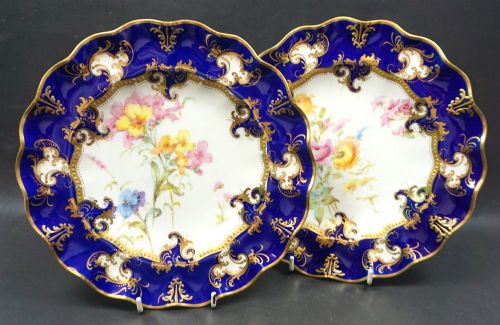
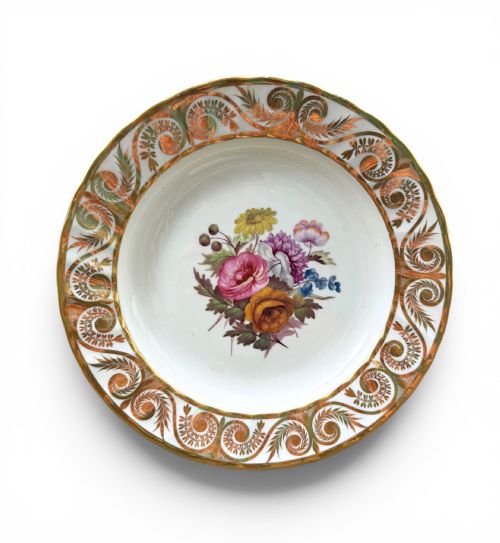
These Derby cabinet plate pieces bring hand-painted floral, armorial, and Imari patterns straight to your display.
Derby Cabinet Plate
A derby cabinet plate is a porcelain display piece made for visual appreciation rather than daily dining. You will frequently encounter nineteenth-century examples alongside twentieth-century Royal Crown Derby productions on this page.
The selections span cabinet plates, dessert plates, and decorative dishes decorated with botanical subjects, fruit, and armorial crests. These items originated across several distinct periods, including the Georgian, Regency, and Victorian eras.
Early eighteenth-century specimens appear alongside later twentieth-century items, showing a continuous tradition of porcelain production. Most pieces take a traditional circular or lobed plate form intended for cabinet display.
What varies in quality
The standard of painting determines the desirability of each piece, particularly where named artists executed the botanical or fruit subjects. Finely detailed brushwork on flowers and armorial bearings elevates an item significantly above standard decorative ware.
The crispness of the porcelain moulding and the richness of the gilding set the finer examples apart from simpler productions. Well-preserved gold leaf and clear painterly signatures indicate superior workshop standards.
Derby Cabinet Plate Retail Price Guide 2026
Typical asking prices for derby cabinet plate among the pieces listed under this phrase on Sellingantiques today, from the lower quarter to the upper quarter. They describe what is for sale here now, not the wider market.
Some plates feature sweet williams and roses painted by hand so finely that even the bugs on the leaves got portrait time.
Royal Crown Derby·Bloor Derby·James Giles·John Ford·Desire Leroy
The Derby Cabinet Plate Glossary
- Soft-paste porcelain
- An early ceramic composition fired at lower temperatures than hard-paste porcelain. It creates a warm, slightly creamy body found in eighteenth-century pieces.
- Bone china
- A porcelain body containing bone ash that offers high strength and a bright white appearance. It became common in later nineteenth and twentieth-century production.
- Imari style
- A decorative scheme employing underglaze blue and iron-red with supplementary gilding. This Japanese-inspired aesthetic appears frequently on Derby porcelain.
- Armorial
- A design incorporating a family crest, coat of arms, or heraldic bearings. These bespoke plates were commissioned by landed families.
- Gilding
- The application of gold leaf or powdered gold to ceramic surfaces. It provides metallic enrichment to borders and handles.
Derby Cabinet Plate: Frequently Asked Questions
Are derby cabinet plates meant for food?
These porcelain pieces were primarily created for display in cabinets or on decorative sideboards rather than everyday dining. Their delicate painted surfaces and gold leaf decoration are best preserved away from active use.
While some take the form of dessert plates, their primary function in nineteenth-century homes shifted toward visual display.
How do I identify a Bloor Derby piece?
Bloor Derby items date from the period when Robert Bloor managed the factory during the early nineteenth century. They often feature botanical paintings, armorial crests, or rich Imari patterns.
Look for the characteristic paste composition and style of gilding associated with the Regency and Georgian eras to confirm the attribution.
What is the difference between Derby and Royal Crown Derby?
The earlier eighteenth and nineteenth-century works were produced under various early proprietorships, including the Bloor period. The Royal Crown Derby designation reflects later royal warrants and nineteenth to twentieth-century production.
Both categories maintain a high standard of hand-painted decoration, though the latter often utilises bone china.
How should I display my cabinet plate?
Cabinet plates need sturdy plate stands or professional wall mountings designed specifically for porcelain. Position them away from direct sunlight to protect the integrity of the enamel and painted pigments.
Ensure the display location has stable humidity and temperature to safeguard the glaze and gilding over time.