
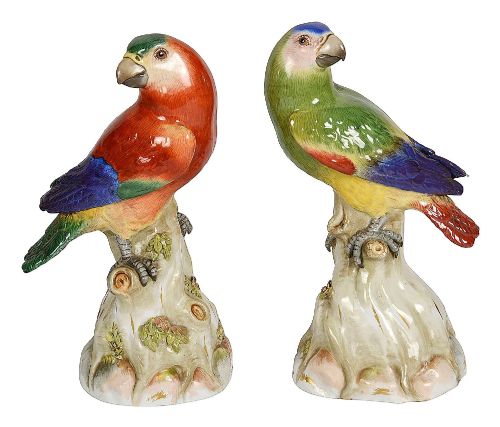


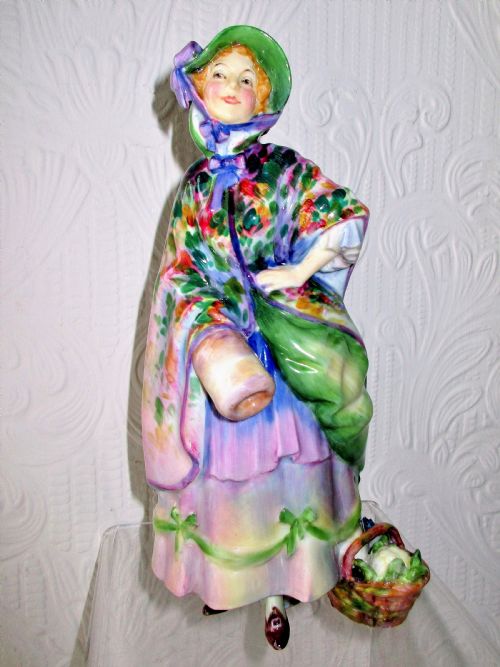


Multicoloured Ceramic Figurine
A multicoloured ceramic figurine brings character and colour to a room, offering a glimpse into past domestic tastes through glazed earthenware and porcelain.
Multicoloured Ceramic Figurine
A multicoloured ceramic figurine spans multiple eras, including the eighteenth, nineteenth, and twentieth centuries, with a strong representation of Victorian Staffordshire pottery and continental porcelain. These pieces take many forms, from figures on horseback and literary characters to tobacco jars, portrait figures, and pairs of decorative subjects. Buyers encounter English earthenware, bone china, and continental porcelain reflecting styles such as Rococo, Art Deco, and Victorian revivals.
Victorian Staffordshire figures dominate the selection, often depicting historical events, literary scenes, or everyday occupations with distinct hand-painted details. Continental porcelain works from makers like Meissen or Samson offer finer detail and different glaze effects. Whether an early Portobello figure or a mid-twentieth-century porcelain lady, each item captures the aesthetic priorities of its original maker.
How They Were Made
Potters shaped these objects using earthenware, pearlware, bone china, or porcelain, often pressing clay into moulds before firing. Artisans then applied enamel colours and glazes, sometimes incorporating gold leaf highlights to accentuate garments or decorative borders.
Bisque porcelain received a single firing without glaze to create a matte, unglazed surface resembling marble, while glazed earthenware pieces required high-temperature kilns to set the vibrant pigments permanently.
Several figures portray historical characters and literary personalities, including Little Red Riding Hood and the Prince of Wales.
What Varies in Quality
The precision of the modelling and the crispness of the mould separation set different examples apart. Finer pieces display carefully rendered facial expressions, delicate hand-painted polychrome details, and well-preserved gilding rather than blurred pigments or heavy-handed touch-ups.
The sophistication of the glaze and the complexity of the kiln work also influence the standard of a piece. Earlier earthenware figures rely on robust glazes and simpler oxide colours, whereas high-period porcelain works achieve finer translucency and controlled enamel application.
Meissen·Triebner Ens & Eckert·Royal Doulton·Samson·Wedgwood & Co Ltd·Jacob Petit·Gotthelf Greiner·Lakin & Poole·Minton·Rozenburg
The Multicoloured Ceramic Figurine Glossary
- Flatback
- A ceramic figure designed with an unglazed or simply painted flat reverse side meant to stand against a wall on a mantelpiece.
- Staffordshire
- Pottery produced in the English county of Staffordshire, known particularly for nineteenth-century earthenware figures and Toby jugs.
- Biscuit
- Unglazed fired porcelain, also known as bisque, which has a matte texture resembling fine marble.
- Enamel
- Opaque glass-like pigments applied over or under the glaze to provide multicoloured decoration on ceramic surfaces.
- Pearlware
- A refined earthenware developed in the late eighteenth century featuring a subtle bluish glaze over a white body.
Multicoloured Ceramic Figurine: Frequently Asked Questions
How should I clean a ceramic figurine?
Dust the surface gently with a soft, dry brush to prevent dirt accumulation in crevices and painted details.
Avoid using water or chemical cleaners, particularly on antique pieces with fragile enamel or gold leaf decorations.
Were these figures meant for display?
Most pieces served as decorative ornaments on mantelpieces, sideboards, or tables in middle-class and wealthy homes.
Some functional variations, such as tobacco jars and figural perfume bottles, combined practical domestic use with decorative display.
How do I tell earthenware from porcelain?
Earthenware is opaque, slightly heavier, and fired at lower temperatures, characteristic of many nineteenth-century Staffordshire works.
Porcelain is denser, often translucent when held to the light, and rings slightly when tapped gently.
What does flatback mean on a figure?
Flatback figures were moulded without detailed decoration on the reverse because they stood directly against a wall.
This technique saved time and materials during production while ensuring the front view remained visually complete.