


Porcelain Figurine Ornament
Porcelain figurine ornament pieces bring character and history into a room through moulded clay and painted glaze.
Porcelain Figurine Ornament
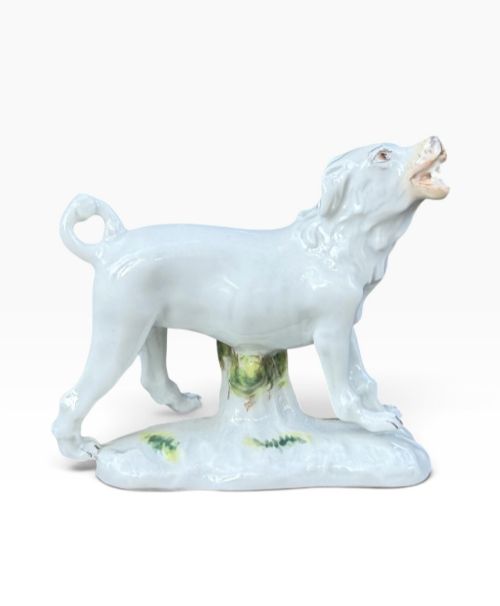
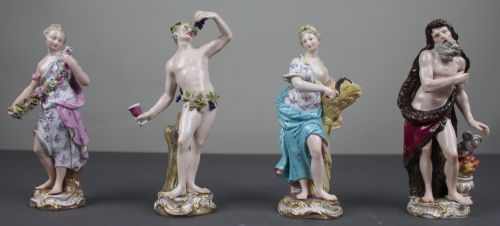
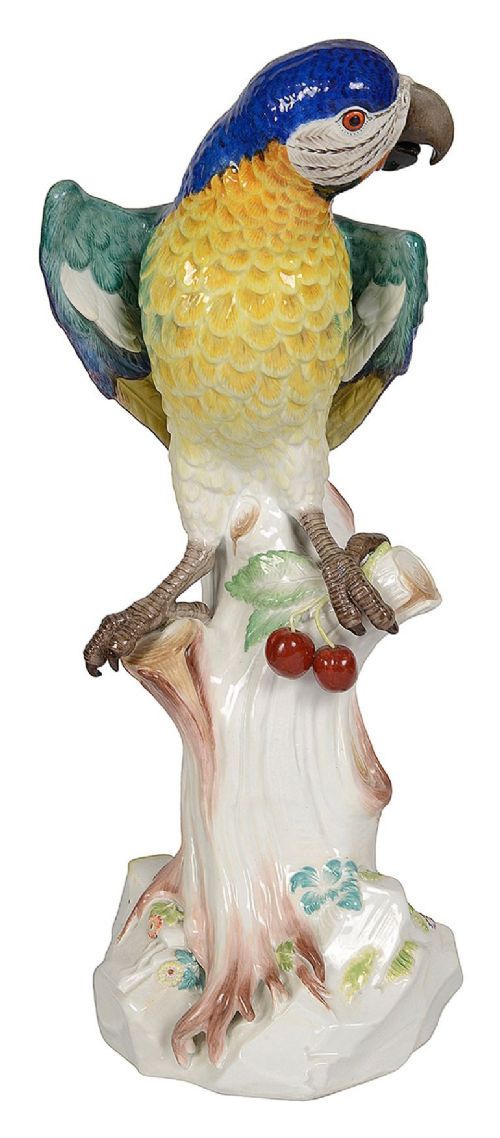
When a collector searches for a porcelain figurine ornament, they encounter a diverse array of moulded and painted subjects spanning multiple centuries and continents. The selection includes domestic animals, exotic birds, human characters from literature and everyday life, and mythological figures.
The pieces appearing most frequently range from nineteenth-century English Staffordshire pottery dogs and spill vases to twentieth-century English bone china figures and continental European porcelain groups. Makers from Derby, Meissen, and Royal Doulton contribute heavily to the visible heritage, alongside Japanese and French works.
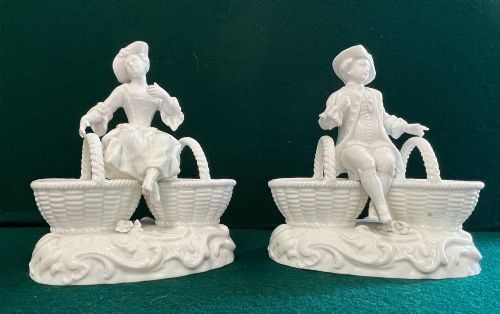
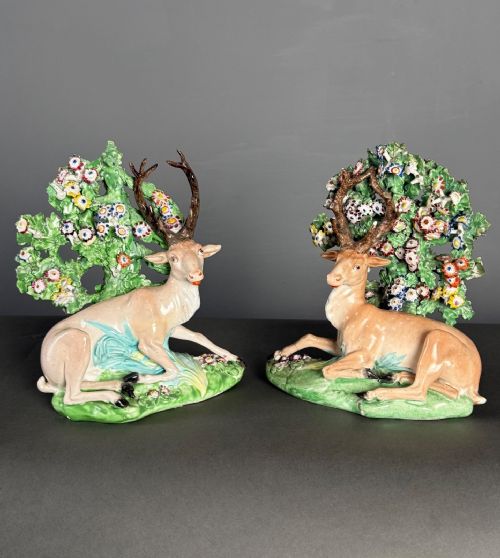
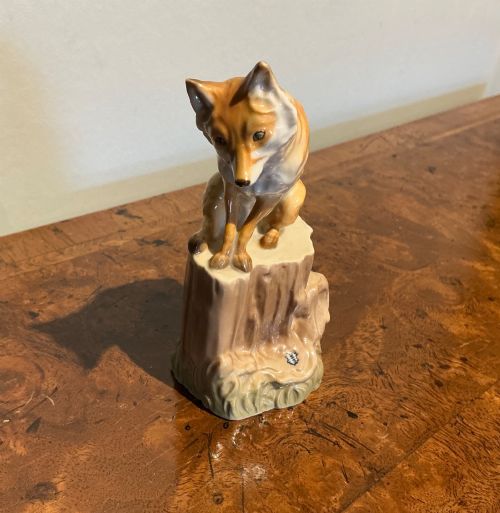
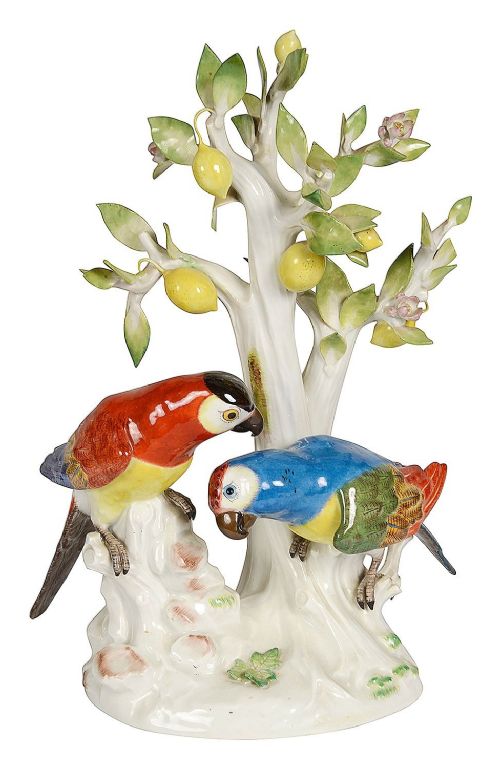
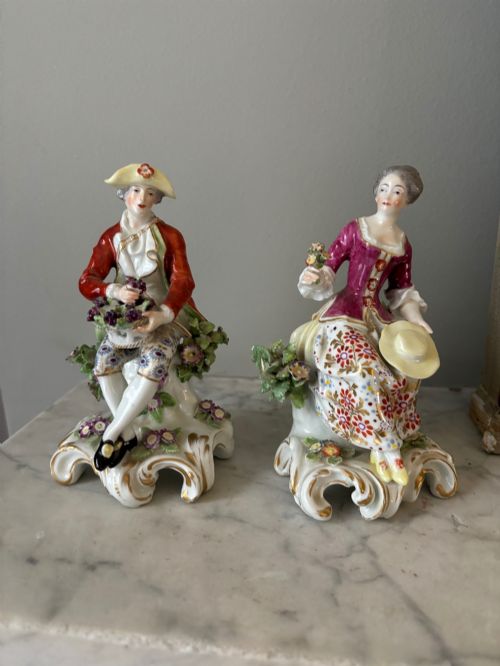
Forms vary from single animal portraits to elaborate pairs under lemon trees, recumbent stags, and narrative groups depicting human interactions. Each object functions primarily as a decorative display item, often capturing Victorian sentiment, Art Deco lines, or eighteenth-century rococo theatricality.
Materials and Construction Techniques
Makers utilised porcelain, bone china, earthenware, and ceramic bases, shaping the clay through moulding or hand-modelling before applying detailed underglaze and enamel decoration. Gold leaf accents frequently highlight finer nineteenth-century and Edwardian pieces, adding metallic richness to the painted surfaces.
Glazing techniques determined the final sheen and texture of the surface, ranging from high-gloss transparent finishes to the soft, matte blush ivory seen on Edwardian water carriers. Kiln firing fixed the mineral colours and enamel pigments into the ceramic body, ensuring lasting stability across decades of display.
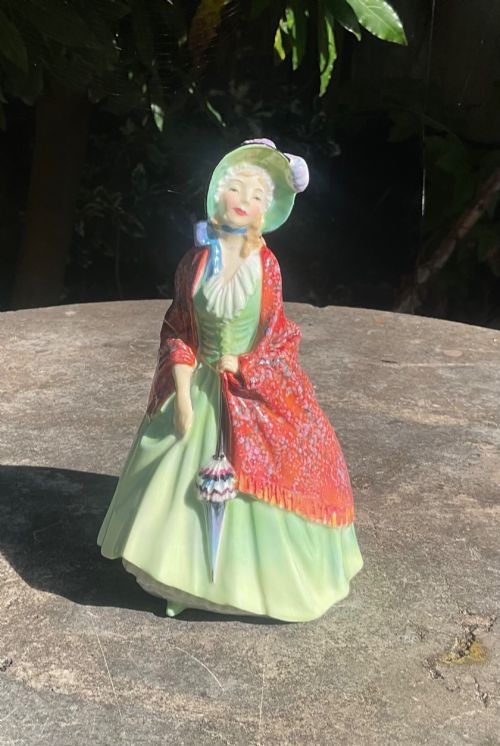
The listings encompass earthenware, bone china, and glazed porcelain, spanning eighteenth-century Derby groups to 1940s Royal Doulton figures.
Judging Quality in Figurative Ceramics
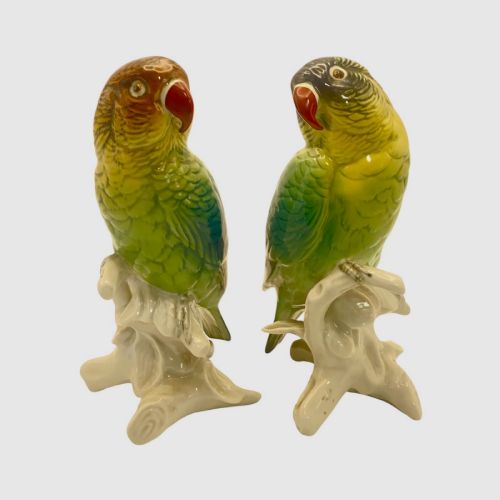
The refinement of the modelling separates superior examples from mass-produced wares, evident in the crisp rendering of facial expressions, drapery folds, and feathers. Fine brushwork and controlled enamel application demonstrate a higher standard of painterly skill in the decoration stage.
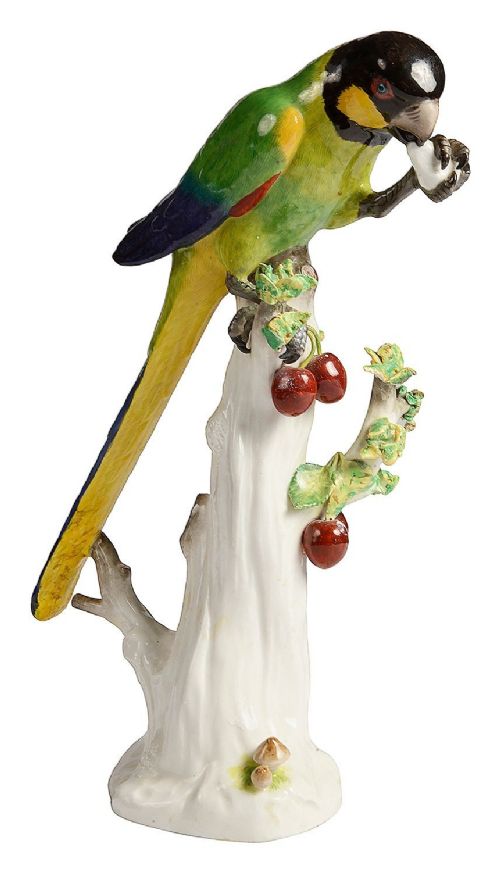
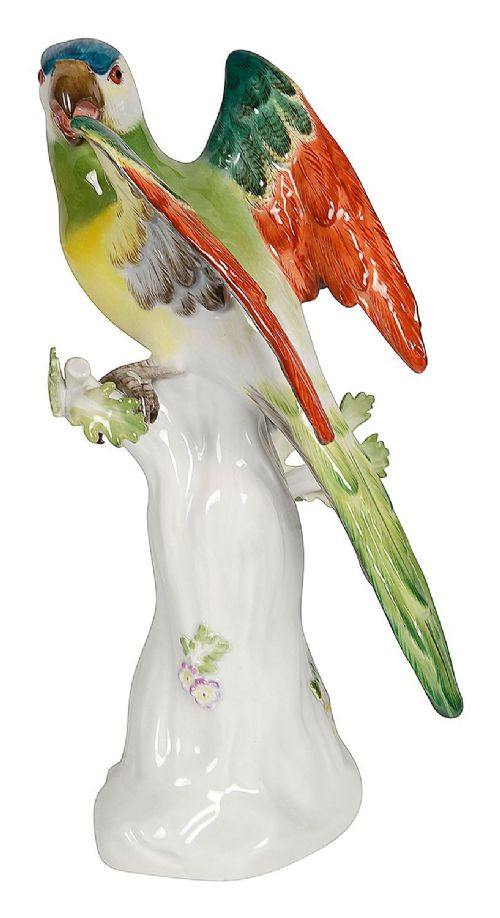
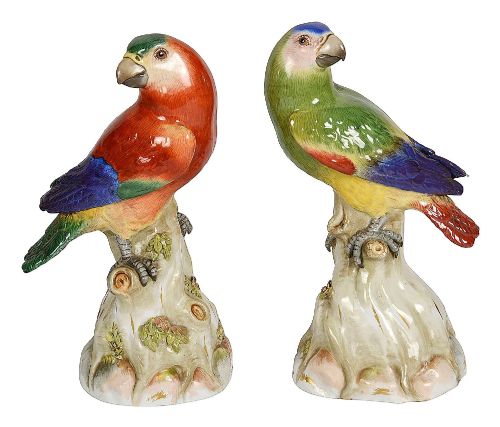
The integrity of the form, whether a perched parrot or a human figure group, relies on the precision of the initial cast and the stability achieved during high-temperature kiln firing. Early versions and first-year production runs often retain sharper detail than later commercial reiterations.
Royal Doulton·Meissen·Karl Ens·Derby·Nymphenburg·Edme Sampsom·James Hadley·Volkstedt Rudolstadt Factory·John Bevington
The Porcelain Figurine Ornament Glossary
- Spill vase
- A hollow ceramic vessel designed to hold taper candles or wooden spills used for lighting pipes and fires. These items often incorporate animal or human figures as part of the moulded composition.
- Fairing
- A small porcelain or ceramic novelty ornament produced in Germany during the nineteenth century for sale at English fairs. These pieces typically depict humorous domestic or satirical scenes with brief textual captions.
- Bone china
- A type of soft-paste porcelain incorporating animal bone ash, which increases translucency and strength. English factories utilised this material extensively for twentieth-century figurative work.
Porcelain Figurine Ornament: Frequently Asked Questions
How do I identify early porcelain figurines?
Examination of the paste, glaze characteristics, and base markings provides the primary clues for dating a piece. Early figures often exhibit hand-painted touches, softer glaze pooling, and factory impressed or painted marks corresponding to eighteenth or nineteenth-century periods.
Style also offers strong guidance, as rococo revival, Victorian sentimentality, and Art Deco geometry align with distinct decades of production. Comparing the modelling sharpness with documented factory examples confirms the likely era of manufacture.
Where were these ceramic figures displayed?
Victorian and Edwardian households placed these decorative objects on mantelpieces, side tables, and enclosed cabinets where guests could admire them. Pairs of dogs, birds, or human figures frequently flanked clocks or central ornaments to create symmetry.
Smaller fairings and novelty items found places in bedrooms or private sitting rooms as lighthearted conversation pieces. Their primary role was visual enrichment rather than practical utility.
What defines a Staffordshire pottery dog?
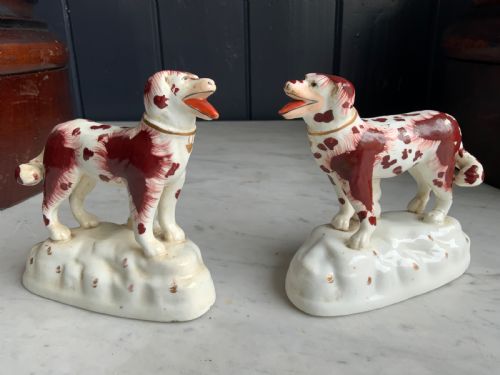
Staffordshire pottery dogs represent iconic English earthenware figures, most notably the seated spaniels produced in pairs during the nineteenth century. These ornaments typically feature glazed bodies with painted facial details and gold-tinted chains.
Potters cast them in moulds to decorate the hearths of middle-class Victorian homes, gazing toward one another from opposite ends of the mantel. Their appeal lies in their folk art charm and enduring association with domestic comfort.