



Painted Bone China Figure
A painted bone china figure brings hand-finished character to a room, offering colourful detail and modelled charm across a span of periods.
Painted Bone China Figure
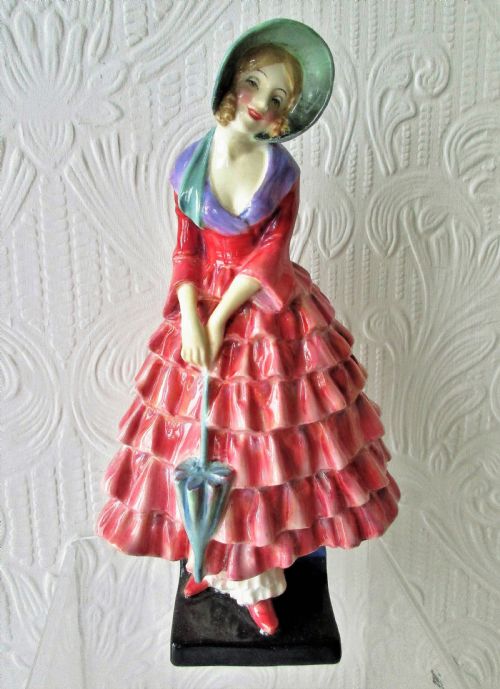
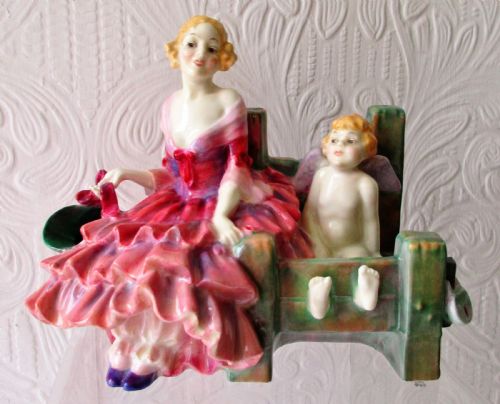
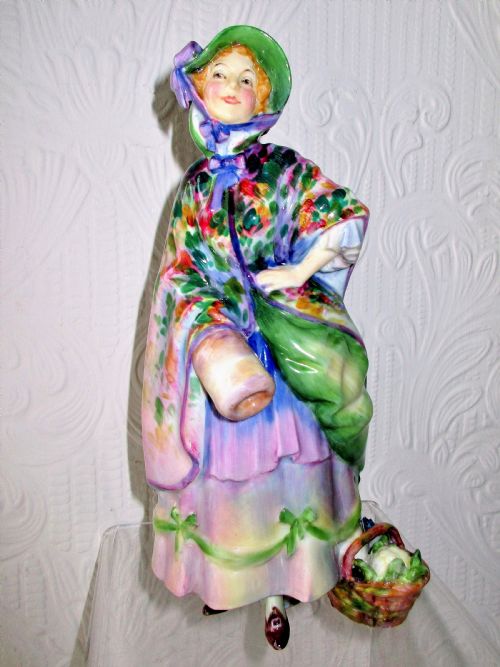
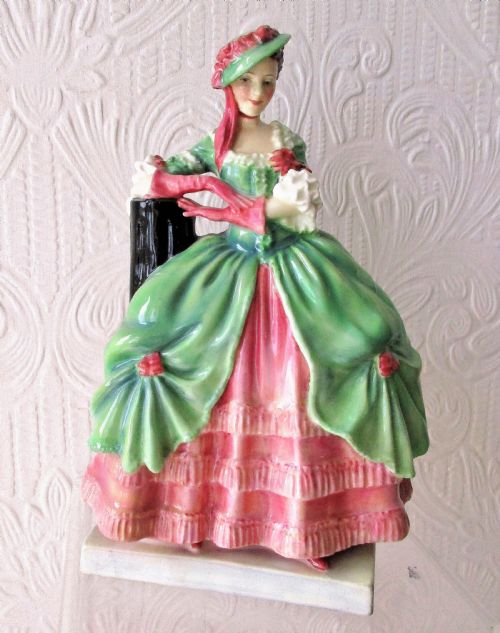
When searching for a painted bone china figure, collectors look at modelled ceramic sculptures depicting human subjects like bonneted ladies, literary characters, and gardeners. These decorative figurines often arrive from twentieth-century workshops, spanning Edwardian examples through to pieces dated to the nineteen-fifties.
The version most commonly met on this page is the English porcelain figurine from the nineteen-thirties and nineteen-forties. These mid-century decorative statuettes frequently portray named figures such as Chloe, Priscilla, and Dolly Vardon.
Earlier nineteenth-century examples also appear, such as antique Minton gardeners, offering a glimpse into earlier moulding traditions. Mid-century English and Art Deco influences shape the modelling and posture of these glazed ornaments.
Materials and technique
Gilt and gold leaf highlights frequently accent the borders, hats, and dresses of the figures. Each modelled piece underwent kiln firing to fuse the metallic accents and enamel colours permanently into the glaze.
The listings span periods from the nineteenth century to nineteen fifty, featuring materials like bone china, porcelain, enamel, and gold leaf.
Judgements of quality
The fineness of the hand-painting determines the distinction between standard production and superior modelling. Crisp facial expressions and neatly defined enamel details reveal the care taken by the original decorator.
The complexity of the moulded form also separates pieces, as intricate skirts, hats, and accessories demand greater skill in both pressing and glazing.
Royal Doulton·Royal Worcester·Minton
The Painted Bone China Figure Glossary
- Bone china
- A type of porcelain incorporating bone ash, producing a strong, highly translucent white body that accepts fine painted decoration.
- Enamel
- A glass-based pigmented substance applied over the glazed ceramic surface and fired at a lower temperature to fix the colours.
- Glaze
- A glassy coating fused to the ceramic body through kiln firing, providing a smooth, protective finish that enhances the whiteness.
- Figurine
- A small modelled statuette representing a human or animal form, designed purely for ornamental display on a mantelpiece or shelf.
Painted Bone China Figure: Frequently Asked Questions
What periods do these figures come from?
The listings encompass items spanning from the nineteenth century through the Edwardian era and into the nineteen-thirties, nineteen-forties, and nineteen-fifties.
Mid-century decades represent a particularly common origin for these modelled decorative ceramics.
How were these figures displayed originally?
Owners placed these decorative statuettes on mantelpieces, display cabinets, and side tables to add colour and character to domestic interiors.
They served as ornamental conversation pieces in period living spaces.
How do I identify different makers?
Makers marked their pieces with stamped impressions, printed backstamps, and painted numbers or titles directly onto the unglazed base.
Some examples also include shape numbers or specific model names like those recorded by Royal Doulton and Royal Worcester.
What styles influence these designs?
Styles range from Rococo Revival and Art Deco through to Mid-Century English and Mid-Century Decorative movements.
Each style dictates the posture, clothing, and overall decorative treatment of the human subject.