





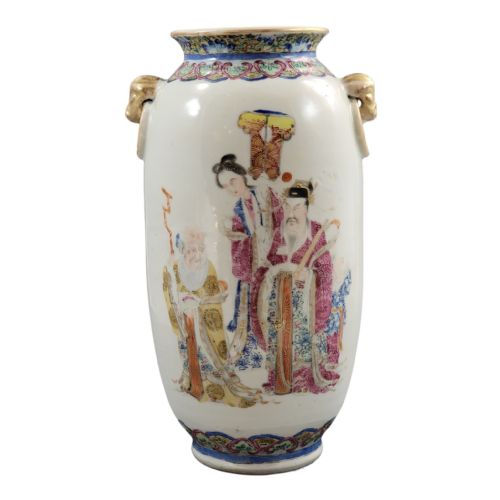

Pink Porcelain Figure
A pink porcelain figure brings the charm of past centuries into a room through hand-painted detail and figurative subjects.
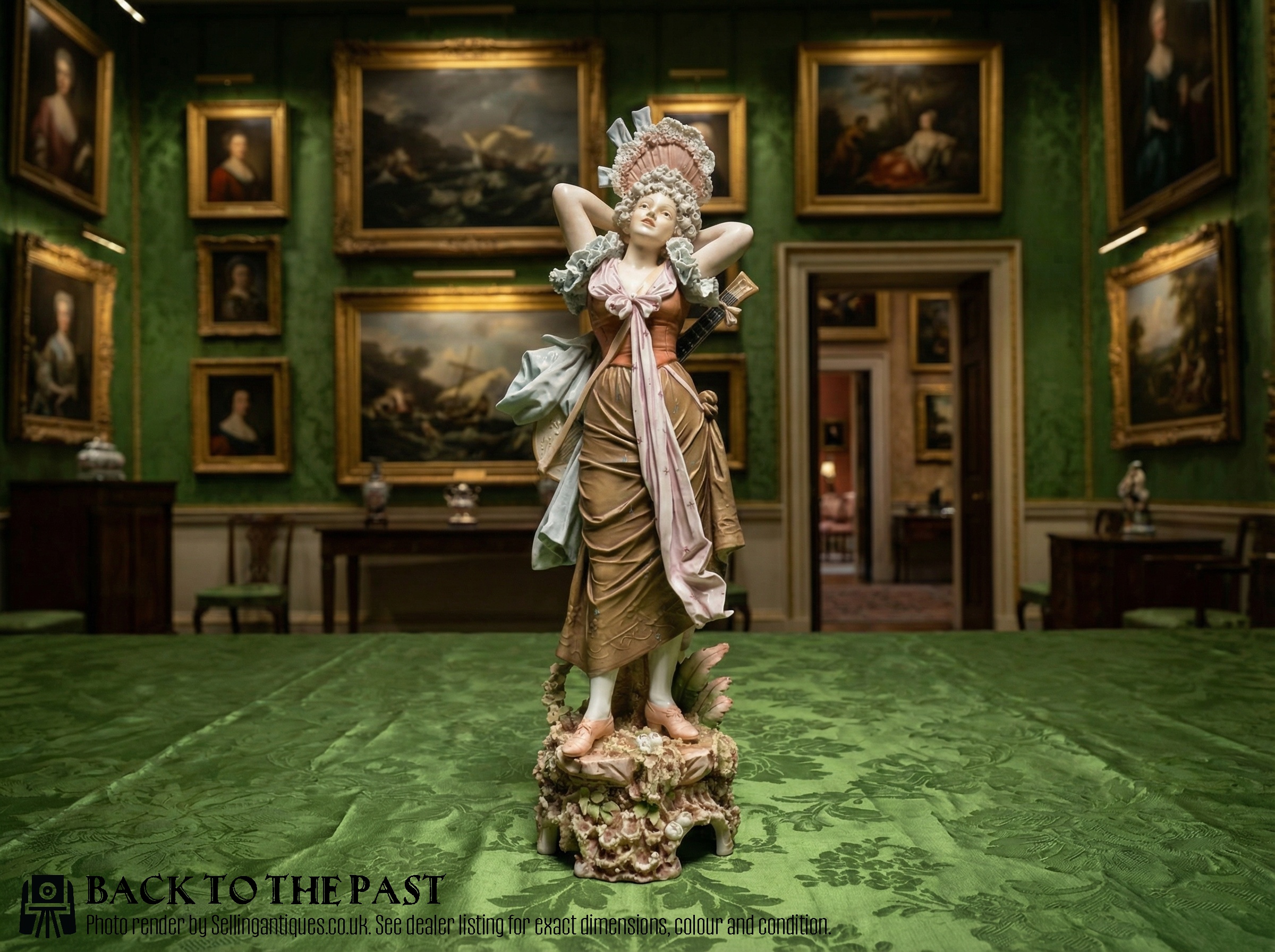
Pink Porcelain Figure
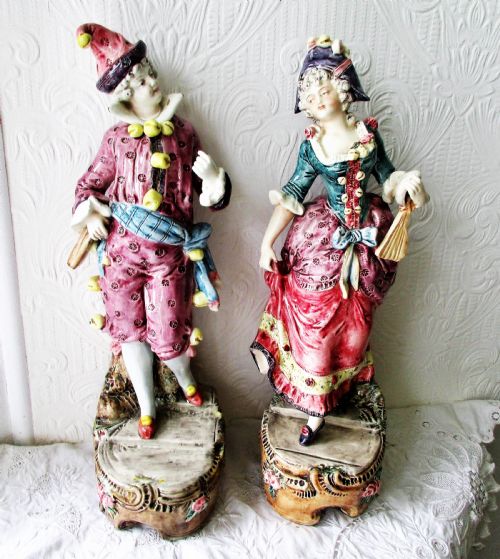
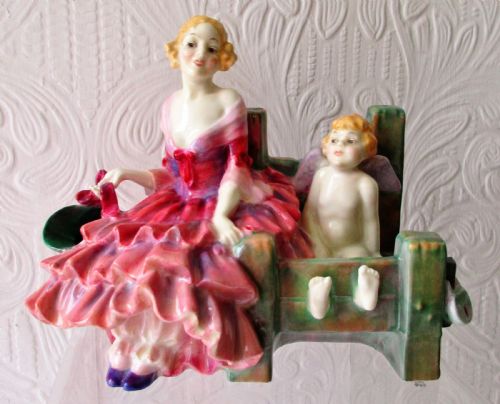
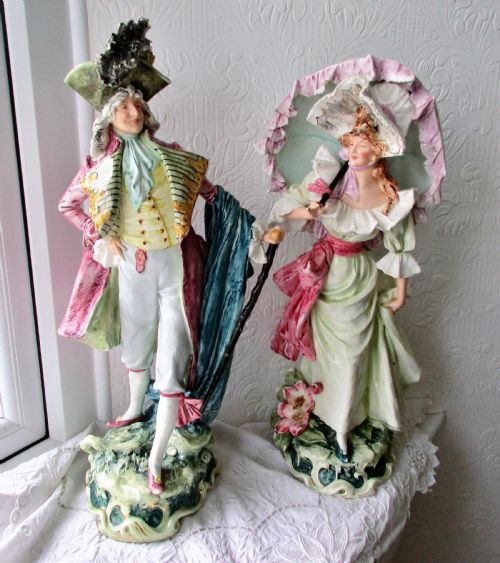
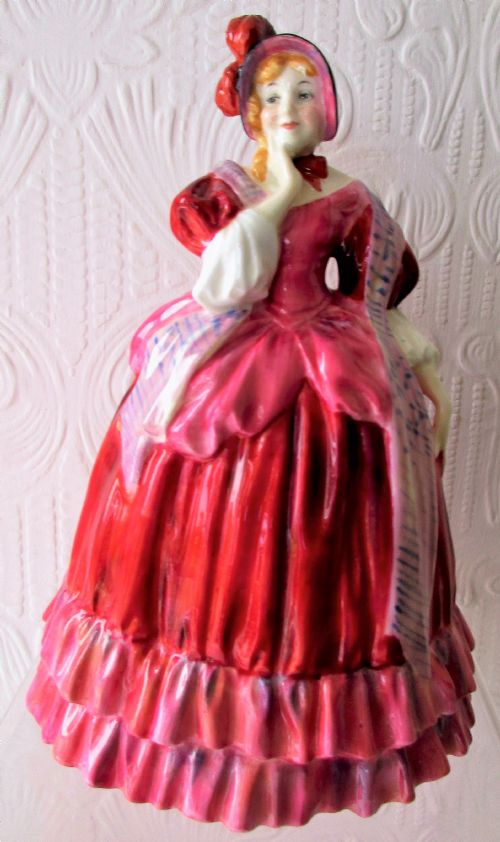
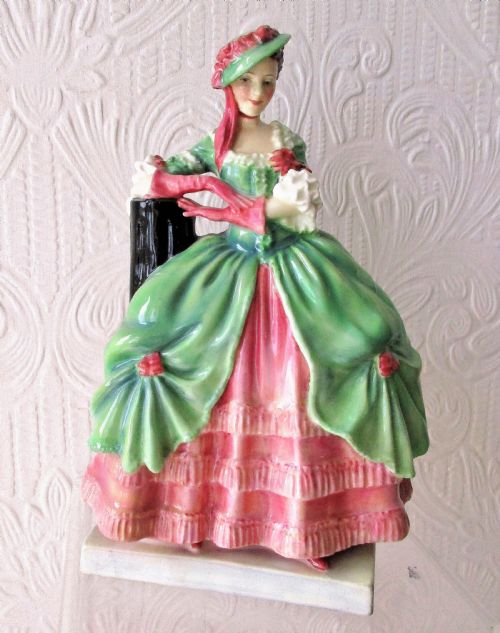
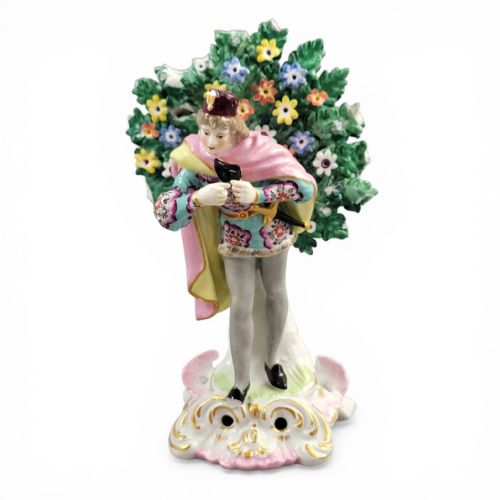
A pink porcelain figure is a ceramic sculptural object often depicting human characters, animals, or allegorical subjects dressed or detailed in pink tones. When searching for a pink porcelain figure, collectors encounter pieces ranging from eighteenth-century English and continental porcelain workshops to twentieth-century factory productions. These objects take the form of standalone figurines, candlestick holders, and figural groups.
The selections available span multiple stylistic eras including Rococo Revival, Victorian, and Art Nouveau. English porcelain figures from factories such as Royal Doulton and Derby sit alongside continental examples from Meissen, Sitzendorf, and Royal Dux. The physical forms vary from dancers and musicians to allegorical figures and animals.
Nineteenth-century and early twentieth-century interpretations dominate the selections, alongside mid-eighteenth-century English examples. Buyers frequently find French earthenware and porcelain pieces alongside German and English works. Each piece reflects the decorative taste of its specific period of manufacture.
Materials and Manufacture
Colour application relied on metal oxide pigments fired at high temperatures to achieve the signature pink hues and pastel palettes. Detail work, such as lace flounces or floral elements, required careful hand-assembly by skilled artisans prior to the final glazing process. Gilt bronze mounts occasionally completed functional items like lamps and candlesticks.
German and French factories contribute numerous nineteenth-century figurative groups, complemented by English porcelain works from Derby and Royal Doulton.
Quality and Craftsmanship
The standard of modelling separates basic production items from superior sculptural works. Finer examples display crisp facial expressions, well-defined fingers and drapery folds, and precise hand-painted enamel details without smudging. Early hand-modelled pieces exhibit greater individual character than later mass-moulded equivalents.
The preservation of delicate applied elements, such as porcelain lace, fingers, and floral adornments, influences the integrity of the piece. The application of gold leaf and the consistency of the glaze layer also indicate the level of care taken during production at the factory.
Royal Doulton·Sitzendorf·Royal Dux Bohemia·Bourdois and Bloch·Meissen·Derby·Eichwald·Volkstedt·Triebner ENS and Eckert
The Pink Porcelain Figure Glossary
- Biscuit porcelain
- Unglazed white ceramic fired once to create a matte, marble-like texture. This finish highlights fine sculptural detail without surface gloss.
- Gilt bronze
- Copper and zinc alloy coated with a thin layer of gold, frequently utilised for decorative mounts and bases on nineteenth-century continental figures.
- Gold leaf
- Extremely thin sheets of beaten gold applied to glazed surfaces to highlight borders and decorative elements.
- Slip
- Liquid clay suspension used for casting ceramic forms in moulds before kiln firing.
Pink Porcelain Figure: Frequently Asked Questions
How do I clean antique porcelain figures?
Dust figures gently with a soft, dry brush to prevent the accumulation of dirt within intricate crevices.
Avoid liquid cleaners or soaking, as moisture can degrade old enamel paints or adhesives on historical repairs.
Were these figures meant for display?
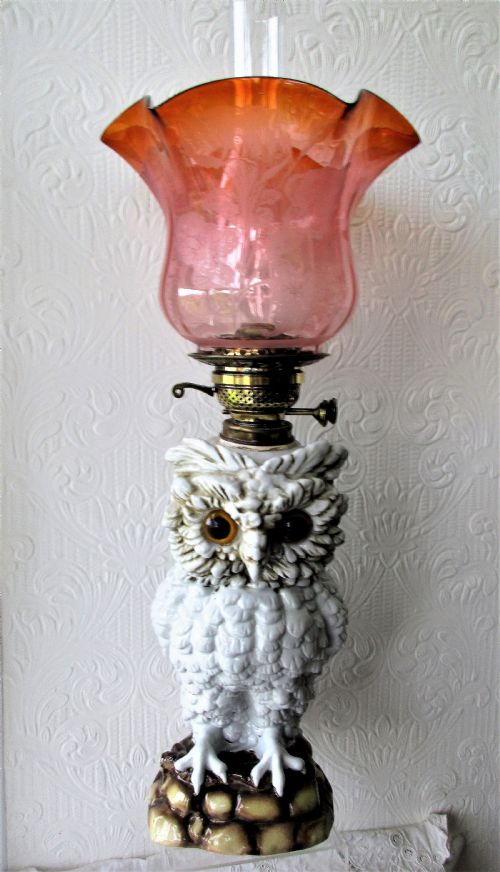
Most pieces served as decorative ornaments on mantelpieces, tables, or cabinets within wealthy homes. Some examples incorporated practical elements such as candlesticks or oil lamps into their sculptural design.
How can I tell the age of a figure?
Examine the base for factory stamps, painted marks, or incised model numbers that correspond to production archives. The weight of the ceramic, the style of the clothing, and the painting technique also indicate the period of manufacture.
What is porcelain lace?
Porcelain lace involves dipping actual textile lace into liquid clay slip before firing it in a kiln. The fabric burns away during the process, leaving a fragile ceramic replica of fabric.