



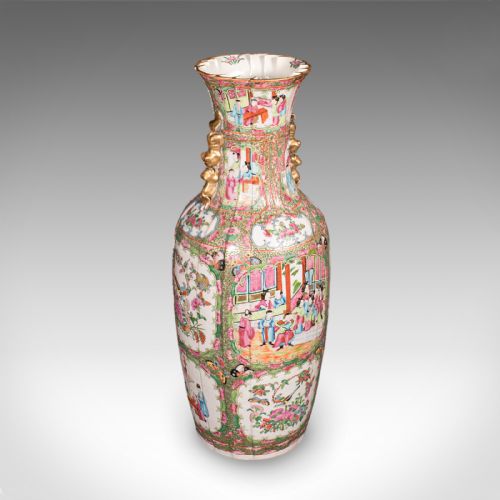
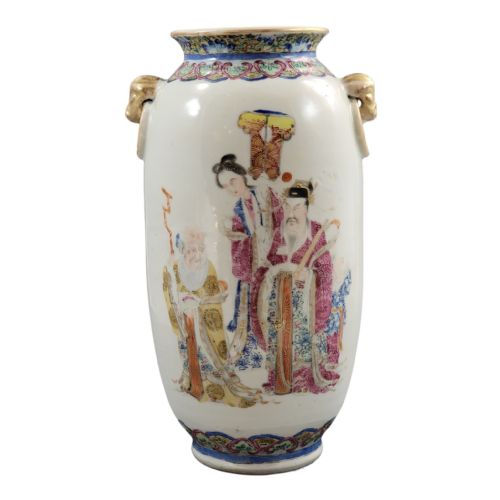


Famille Rose Vase
A famille rose vase brings vibrant enamelled palettes and intricate hand-painted detail to any interior space.
Understanding Famille Rose Vases
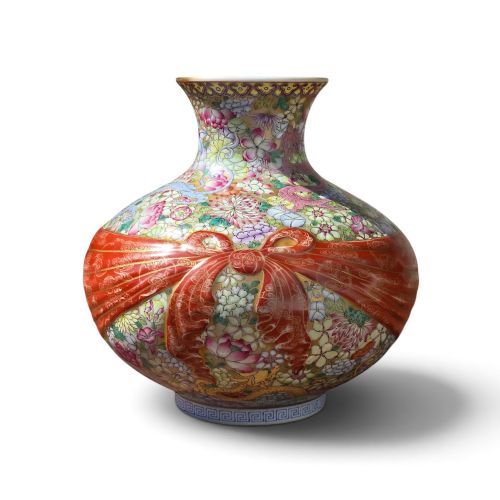
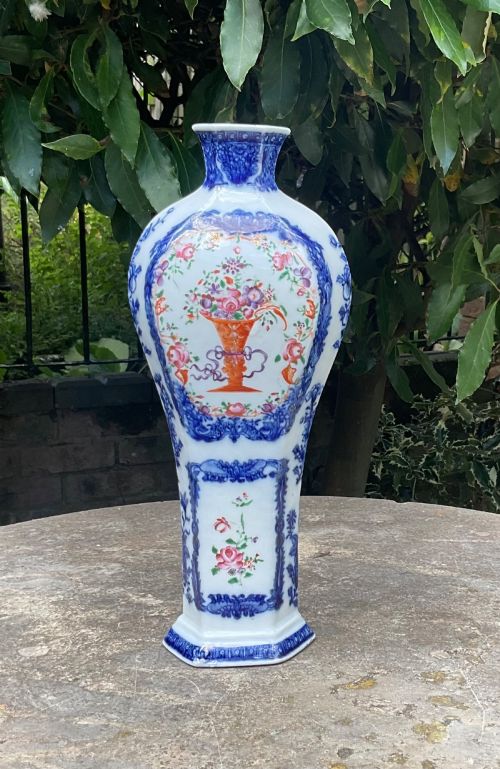
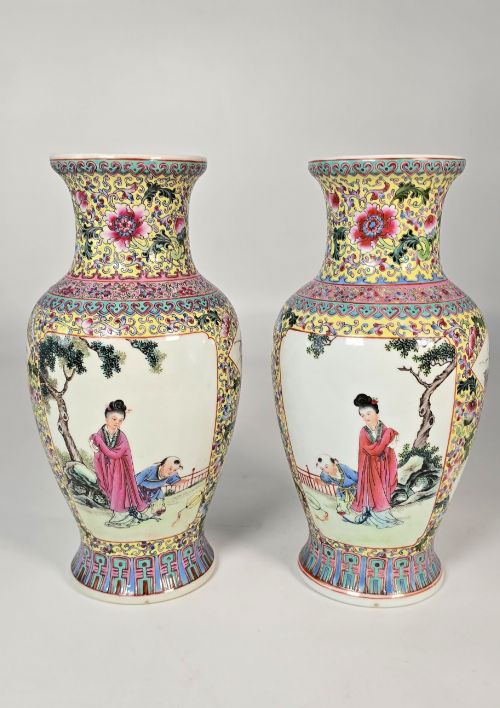
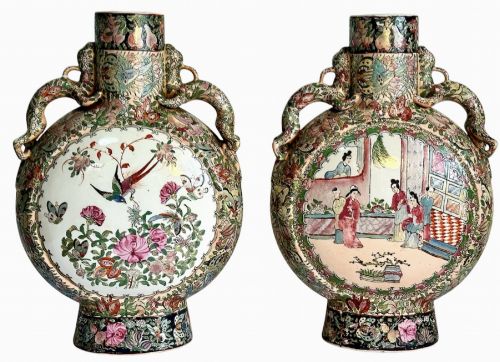
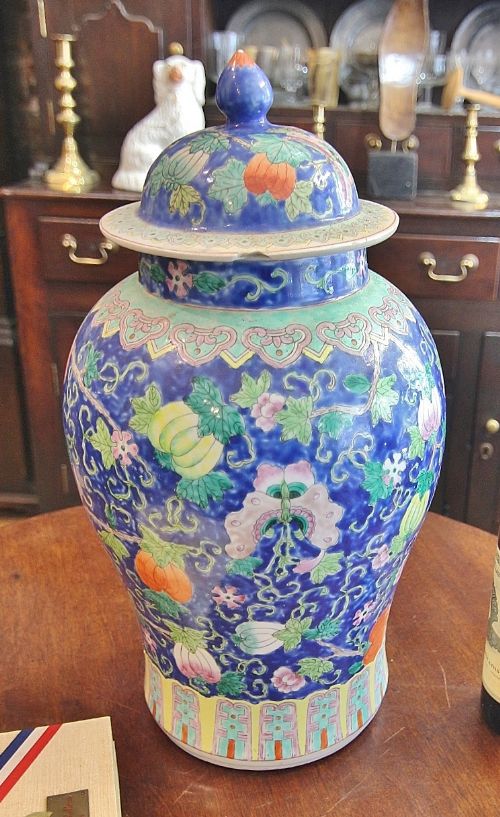
A famille rose vase represents a distinct tradition of Chinese ceramic art defined by its opaque pink and rose enamel palette. These vessels appear across various forms such as moon flasks, baluster shapes, jars, and rouleau vases. The pieces you encounter span the nineteenth century, the Republic Period, and later decades into nineteen thirty.
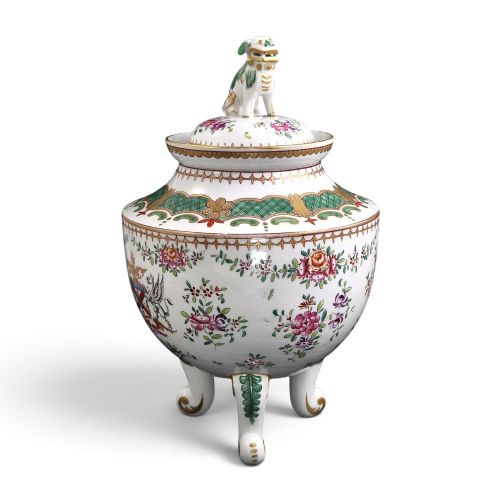
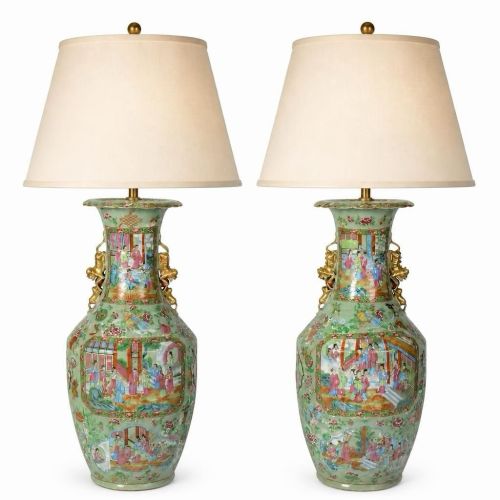
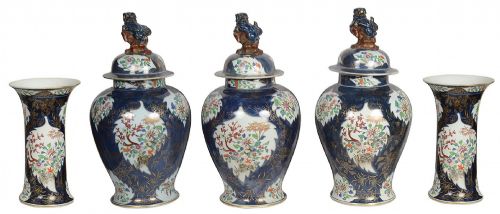
Most examples originate from Chinese production centres like Canton, while others reflect European export markets and French interpretations such as Samson of Paris. Collectors frequently find pairs, covered jars, and vessels that have been previously converted into table lamps. The decorative schemes range from dense floral patterns to figurative scenes featuring immortals and birds.
Dating these ceramics requires looking closely at the characteristics of the period, from nineteenth-century export wares to Republic Period pieces signed by makers like Gao Hengsheng. Guangxu marks and periods also appear among the finer examples recorded in the archive. Each form reflects the specific aesthetic demands of its workshop and era of production.
Materials and Construction
The foundation of every piece is white porcelain, shaped into forms like bottle vases, wall vases, and floor vessels. Artisans applied enamel glaze directly to the fired ceramic body to build up complex pictorial scenes. Gold leaf accents frequently highlight the rims, handles, and borders of the painted panels.
The distinctive pink enamel, derived from colloidal gold, defines the famille rose palette alongside contrasting turquoise, yellow, and green tones. Enamels were fired at lower temperatures after the initial glazing process to fix the vibrant pigments onto the surface. This technique allowed for subtle shading and opaque layering that distinguished these wares from earlier blue and white ceramics.
Retail Price Guide 2026
Typical UK retail prices for famille rose vase, calculated from the Sellingantiques database of over a million retail prices indexed since 2003. This retail price guide relies exclusively on Sellingantiques data; no external sources or auction records are used, so the figures do not describe the wider market.
Surviving forms span moon flasks, rouleau shapes, wall vases, and large floor vessels.
Evaluating Quality and Execution
Quality in these ceramics rests upon the precision and delicacy of the enamel painting. Finer examples display meticulous brushwork in the depiction of figures, birds, and floral motifs, while simpler export pieces rely on repetitive stamping or heavier, less refined washes of colour. The crispness of the gilt detailing and the balance of the composition further separate standard production wares from exceptional studio pieces.
The handling of the porcelain body and the purity of the white glaze beneath the enamels also dictate value. Superior vessels maintain a smooth, even ground that enhances the brightness of the surrounding palette without distracting pitting or kiln flaws. Maker signatures, specific period marks, and well-documented provenance elevate certain pieces far above unmarked commercial export items.
Gao Hengsheng·Samson of Paris
The Famille Rose Vase Glossary
- Famille Rose
- A palette of opaque enamels introduced in Chinese porcelain decoration, dominated by a distinctive pink or rose colour derived from gold. This term originates from Western collecting traditions.
- Canton
- A major Chinese port and production hub associated with porcelain painted for export, often featuring dense panels of flowers, birds, and figures. Canton wares are widely represented among nineteenth-century survivals.
- Republic Period
- The era in Chinese history following the Qing Dynasty, spanning from nineteen twelve to nineteen forty-nine. Pieces from this time often exhibit individual artistic signatures and high technical skill.
- Rouleau
- A straight-sided cylindrical vase shape with a short neck and a flat or slightly rounded rim. This form became popular during the Qing Dynasty.
- Moon Flask
- A flattened circular flask with a short neck and two small loop handles, often resting on a low rectangular base. These vessels provide a wide surface for pictorial enamel decoration.
Frequently Asked Questions
What is a famille rose vase?
A famille rose vase is a Chinese porcelain vessel decorated with opaque enamels dominated by a signature pink or rose colour. These pieces range from nineteenth-century export wares to Republic Period studio works.
Potters utilised this palette to depict intricate scenes of birds, flowers, and figures across forms like baluster jars and moon flasks.
How do I date a famille rose vase?
Dating relies on stylistic clues, reign marks, and the specific characteristics of the porcelain and enamel. Nineteenth-century pieces often show heavier export decoration, while marked Guangxu or Republic Period pieces display finer individual execution.
Comparing the potting style and the tones of the enamel glaze helps place a vessel within its historical period.
Were these vases made for export?
Many examples were produced specifically for international markets, particularly through ports like Canton, satisfying European and American demand for Chinese porcelain. These export pieces often featured rich gilding and narrative panels.
Other items reflect domestic tastes or later twentieth-century production up to nineteen thirty.
Why are some vases converted to lamps?
Owners frequently converted large porcelain vases into table lamps during the nineteenth and twentieth centuries to repurpose them for modern interiors. This practice involved drilling the base or mounting the vessel with electrical hardware.
Unconverted pairs and floor vases remain sought after by collectors who prefer the original untouched form.