



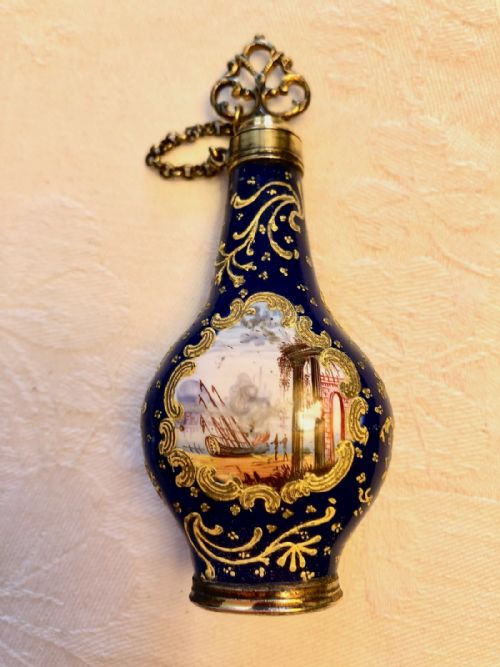


Hand Painted Flask
When you seek a hand painted flask, you uncover vessels of porcelain, glass and earthenware carrying meticulous hand-applied decoration across centuries.
Hand Painted Flask
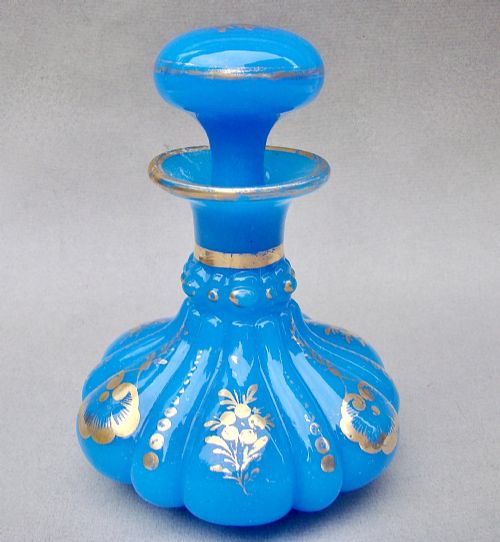
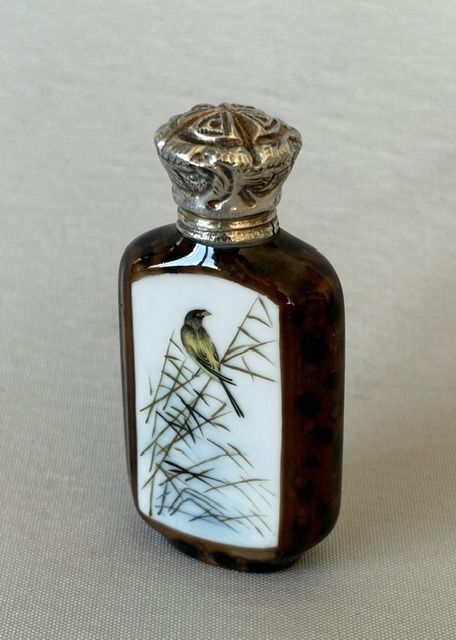
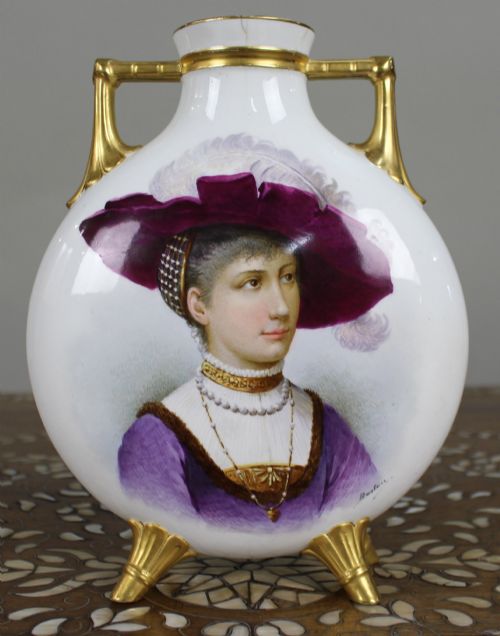
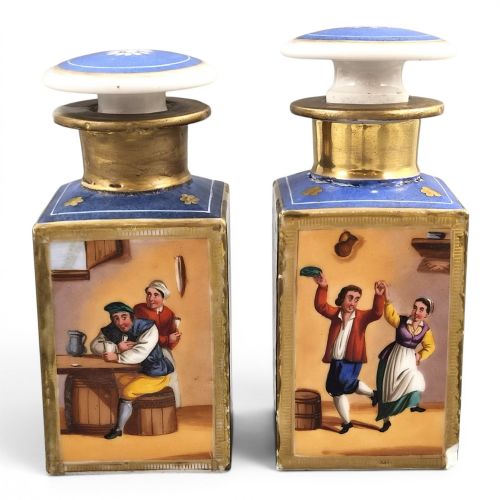
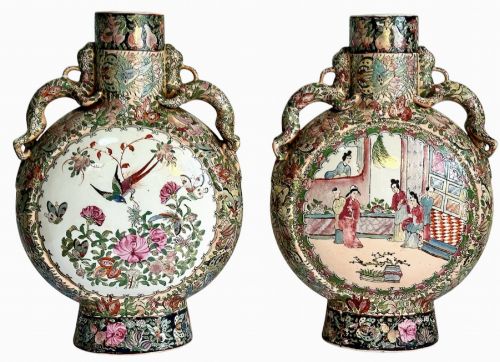
A hand painted flask encompasses an array of historical forms, including moon flasks, pilgrim flasks, snuff bottles, scent bottles and wine bottles. These pieces emerge from diverse traditions spanning Georgian, Victorian and Regency periods, alongside Qing Dynasty examples.
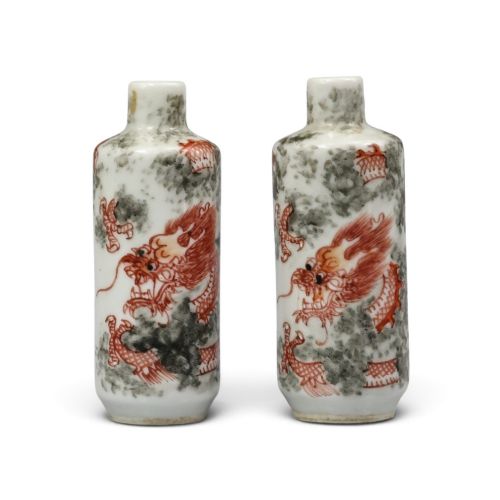
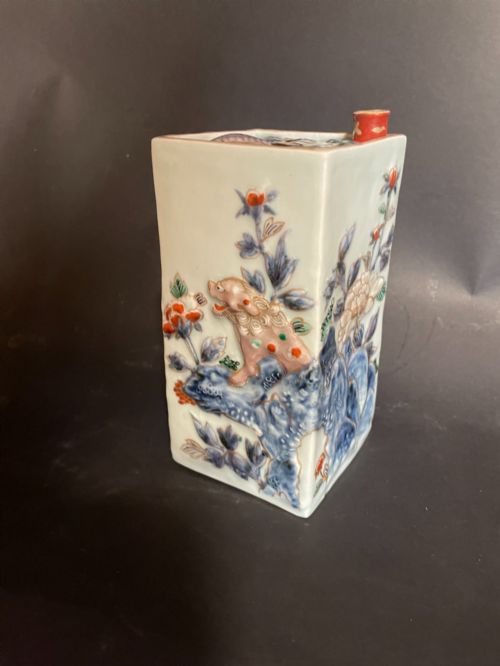
You are most likely to encounter porcelain snuff bottles and ceramic or glass vessels carrying painted scenes, ranging from Chinese figural motifs to European landscapes and floral designs. The collection brings together disparate origins from English potteries to Japanese kilns and continental factories.
How they were made
Maker utilise ceramic materials such as porcelain, tin-glazed earthenware and faience, shaping bodies that accept detailed mineral pigments and glaze. Artisans apply enamels, gold leaf and gilt directly onto the fired clay or glass surfaces.
The application of colour involves careful hand painting, sometimes executed on the inside of small glass bottles or across expansive porcelain panels. Kiln firing fixes the pigments and metallic highlights into the glaze, securing the polychrome schemes.
Hand Painted Flask Retail Price Guide 2026
Typical asking prices for hand painted flask among the pieces listed under this phrase on Sellingantiques today, from the lower quarter to the upper quarter. They describe what is for sale here now, not the wider market.
Some tiny snuff bottles hide elaborate erotic paintings inside their narrow glass bodies, executed through the neck with a bent brush.
What varies in quality
The standard of a hand painted flask rests in the precision and control of the brushwork, where finely delineated figures and clear polychrome enamel details distinguish superior work from simpler decoration. The crispness of the gilding and the purity of the underlying porcelain, glass or earthenware ground also shape the distinction between ordinary production and finer output.
Proportion and form define the architecture of the piece, whether in the symmetry of a moon flask or the miniature exactness required for interior-painted snuff bottles. Pieces bearing named signatures or attribution to established factories often display a higher degree of execution in both the potting and the painted surface.
Flight Barr And Barr·Royal Worcester·Jacob Petit·Coalport·Wedgwood
The Hand Painted Flask Glossary
- Moon flask
- A flat-backed ceramic vessel with a circular body and small neck, often fitted with side handles. These pieces derive their name from their distinct lunar profile.
- Pilgrim flask
- A travel-inspired bottle form traditionally featuring rounded sides and suspension lugs. Makers often decorated these with heraldic or figurative scenes.
- Famille rose
- A palette of opaque enamel colours dominated by pink or rose hues, introduced in Chinese porcelain decoration during the Qing Dynasty. This scheme allows for subtle shading of floral and human subjects.
- Snuff bottle
- A small container designed to hold powdered tobacco, featuring a tight-fitting stopper and spoon. Chinese examples frequently display elaborate interior painting or carved overlay.
- Majolica
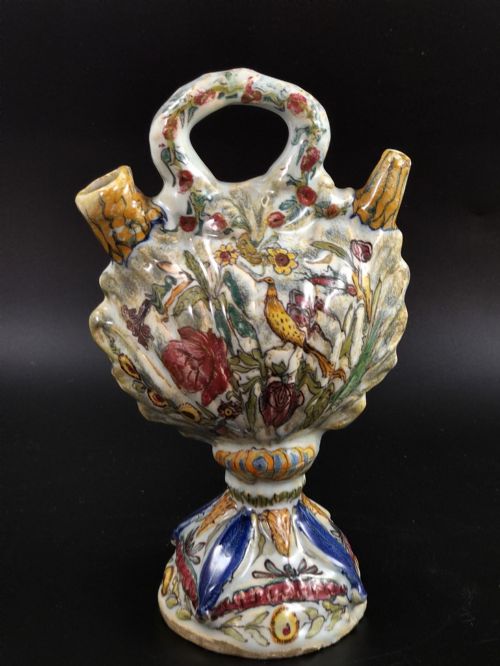
- Tin-glazed earthenware decorated with colourful metallic oxide paints on an opaque white glaze. Italian variations frequently take sculptural forms like scallop shells.
- Gilt
- A thin layer of gold applied to the surface of porcelain, glass or metal to highlight rims, handles and decorative motifs. This application adds reflective contrast to the painted scenes.
Hand Painted Flask: Frequently Asked Questions
What were hand painted flasks used for?
These vessels served various functions depending on their form and origin, from holding snuff, perfume and schnapps to functioning purely as decorative cabinet pieces. Travellers and courtiers utilised smaller bottles for personal substances, while larger moon flasks and vases acted as display objects in period interiors.
Over time, many of these containers transitioned from utilitarian items to prized decorative arts. Collectors valued them for their miniature painted narratives and skilled craftsmanship.
How do I identify a moon flask?
A moon flask is readily recognised by its flattened circular body, narrow neck and two small handles linking the neck to the shoulders. They stand on a flat base and are designed primarily for display rather than liquid storage.
Potters across European and Asian traditions adopted this distinct silhouette, decorating the flat circular faces with landscapes, figures or floral patterns.
How should I clean my antique flask?
Dust antique porcelain and glass flasks gently with a soft, dry brush or microfiber cloth. Avoid submerging pieces with delicate enamel, gold leaf or interior painting in water.
Harsh chemical cleaners will strip fragile gilt and nineteenth-century enamelwork. Professional conservation advice is recommended if deeper cleaning of the interior is required.
How do I date a Chinese porcelain snuff bottle?
Dating relies on examining the characteristics of the porcelain body, the style of the painted iron-red or famille rose motifs, and any reign marks on the base. Qing Dynasty periods such as the Guangxu or Daoguang eras exhibit specific brushwork conventions and glaze textures.
Comparing the potting technique and pigment saturation against documented examples helps place the bottle within its nineteenth-century context.