
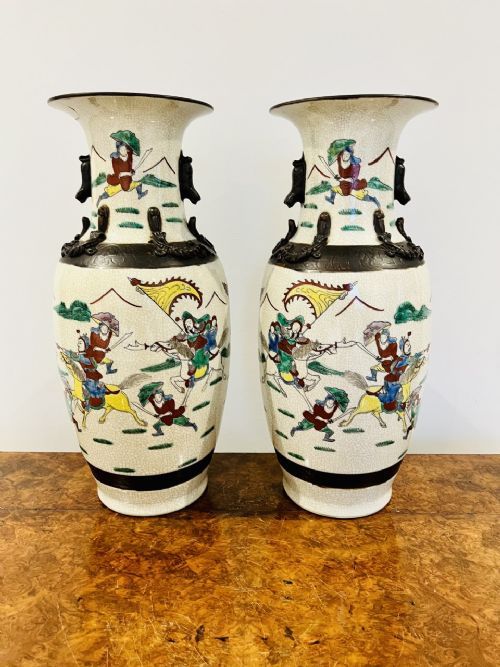


Pair of Chinese Vases
When you select a pair of chinese vases, you choose symmetrical ceramic vessels that bring balanced decorative impact to a room.

Pair of Chinese Vases
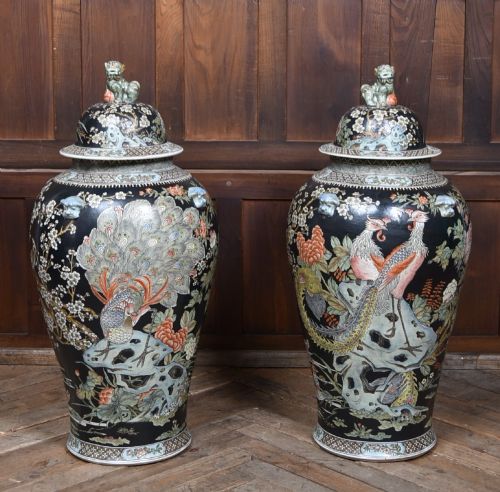
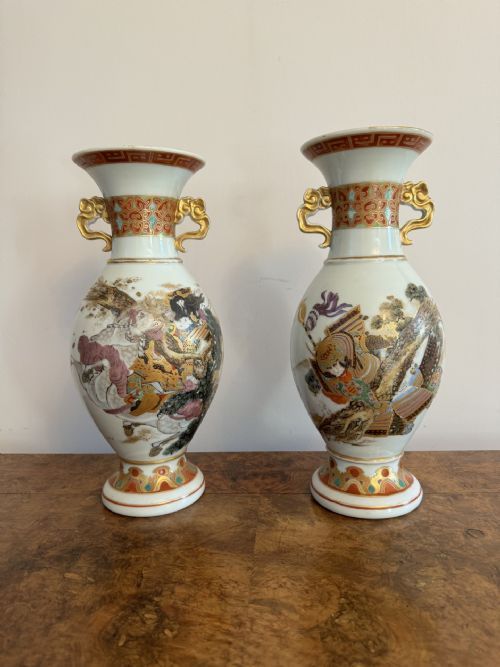
A search for a pair of chinese vases reveals matching ceramic, metal, or lacquer vessels produced for export, domestic display, or scholarly retreat use. These objects range from massive palace floor jars and temple vases to delicate moon flasks, ginger jars, and baluster forms.
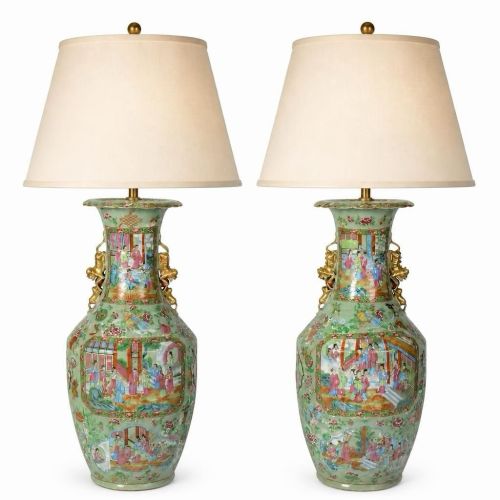
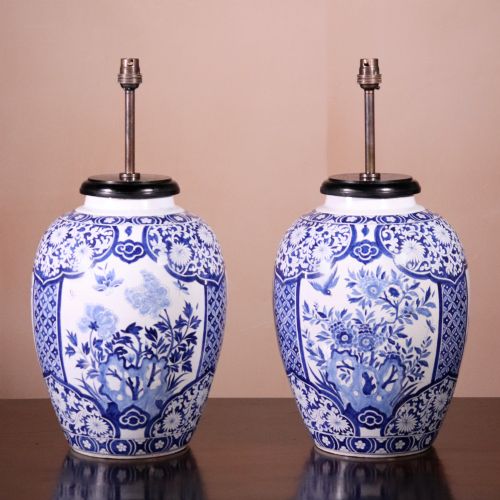
The selections encountered on this page heavily feature nineteenth-century items alongside twentieth-century Republican period pieces, seventeenth-century Ming and Kangxi examples, and European adaptations in ormolu mounts. Buyers frequently meet items adapted into table lamps or fitted with carved hardwood huali stands.
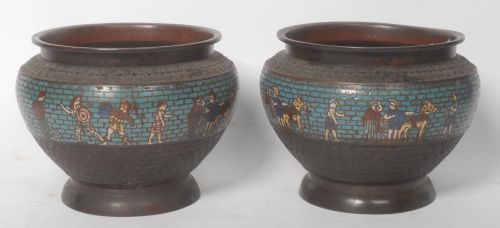
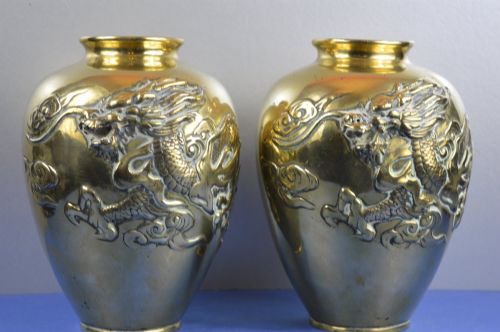
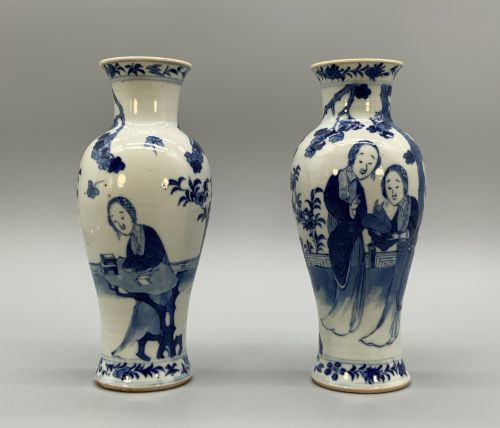
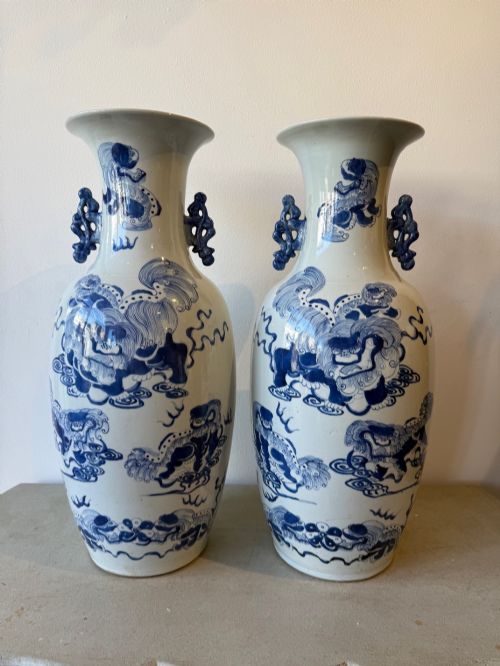
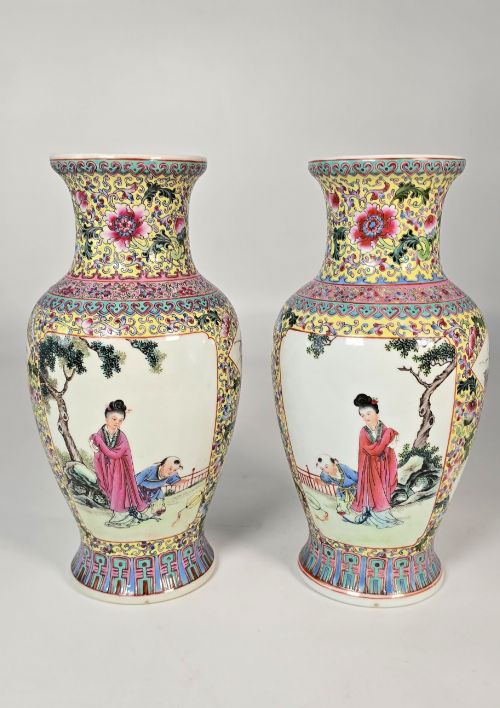
Many variants display traditional palettes and glaze types, including blue and white porcelain, famille rose, famille verte, powder blue, crackle glaze, and cinnabar lacquer. Collectors also encounter cloisonné and champlevé enamel work alongside bronze, brass, and silver-plated metal specimens.
Materials and production methods
Porcelain fabrication forms the backbone of these listings, shaped on the potter's wheel or cast in moulds before receiving hand-painted cobalt blue underglazes or polychrome enamel decorations. Artisans also utilised bronze, gilt bronze, brass, copper, and silver for cast metal vessels and decorative mounts.
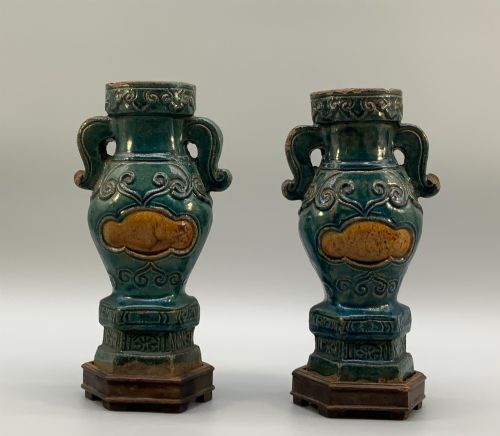
Glazing methods require precise kiln control to achieve cracked glazes, tea dust surfaces, sang de bouef red tones, and turquoise or amber finishes. Metal components frequently feature chased or ormolu mounts designed to elevate the status of the ceramic bodies.
Some nineteenth-century pairs spent their retirement moonlighting as heavy-duty table lamps, complete with wired collars.
Factors determining quality
The precision and detail of hand-painted figural scenes, floral motifs, and dragon designs distinguish superior examples from standard production pieces. Brushwork control on porcelain and the tightness of wire cells in cloisonné enamel signal the level of workshop skill.
The integrity of glazes, consistency of colour application, and preservation of delicate surface layers dictate the standing of an object. Metal mounts, where present, demonstrate quality through crisp chasing and secure integration with the vessel body.
Completeness alters the character of a pair, particularly regarding matching covers, lids, original wood stands, or uniform conversion into lamps. The harmony between the two pieces determines visual balance when displayed together.
The Pair of Chinese Vases Glossary
- Famille Rose
- A prominent palette of opaque enamel colours dominated by pink or rose shades, introduced during the Qing dynasty. This technique allowed artists to paint intricate floral and figural compositions.
- Cloisonné
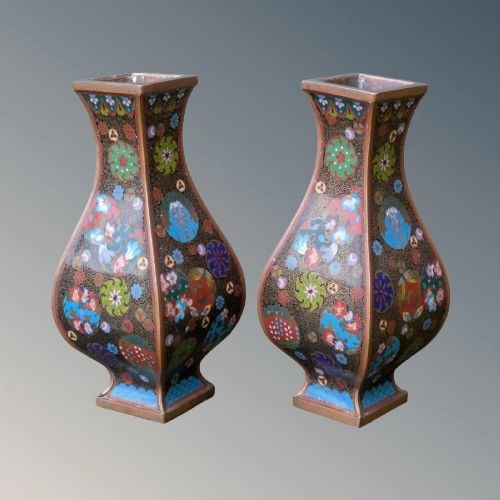
- A metalworking technique where flat wires are soldered to a base to form compartments, which are then filled with enamel paste and fired. The resulting surface displays intricate geometric or pictorial patterns.
- Moon Flask
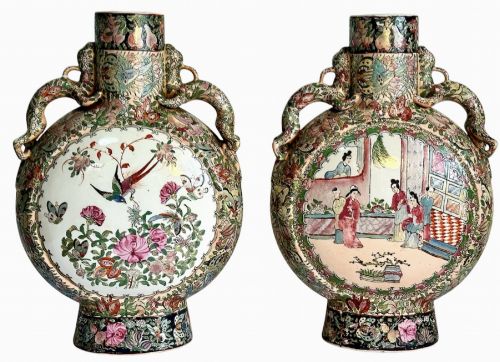
- A flattened circular flask featuring a short neck and two handle loops, often supported on an oval foot. These vessels derive their shape from ancient nomadic leather prototypes.
- Cinnabar Lacquer
- A technique involving the application of numerous coats of red lacquer to a core material, followed by deep carving of motifs. Artisans spent months building up the layers necessary for this intricate work.
- Kangxi Style
- A design aesthetic reflecting the decorative arts of the Kangxi Emperor's reign, noted for vibrant blue and white porcelain and refined figural compositions. Pieces in this manner emulate the high standards of that period.
Pair of Chinese Vases: Frequently Asked Questions
How were these vases used historically?
Pairs of vessels functioned primarily as formal decorative items in imperial courts, merchant residences, and scholarly retreats. They anchored mantelpieces, temple altars, and reception rooms in symmetrical arrangements.
Later production included pieces specifically tailored for the Western export market, often serving as ornamental mantel garnitures or large floor jars. Many nineteenth-century examples were subsequently converted into oil lamps or electric table lamps.
How do I care for antique ceramic and enamel vases?
Dust these objects gently with a soft, dry brush or microfiber cloth to prevent surface accumulation. Avoid using chemical cleaners, abrasives, or water on fragile enamel, lacquer, or gilt bronze surfaces.
Keep pieces away from direct sunlight and areas subject to sudden temperature fluctuations to protect glazes and wooden stands. Secure any mounted wiring carefully if the items function as lamps.
What distinguishes export ware from domestic pieces?
Export wares were manufactured specifically to satisfy Western tastes, frequently incorporating European shapes, ormolu mounts, or adapted hardware like lamp fittings. Their decorative motifs sometimes blended traditional Chinese themes with Western decorative preferences.
Domestic and imperial pieces focused strictly on traditional aesthetics, forms, and symbolic imagery intended for local scholars, officials, or court use. Both categories demonstrate high standards of craftsmanship but cater to different historical markets.
How can I tell the period of a pair?
Dating relies on examining the characteristics of the clay body, glaze texture, pigment types, and stylistic execution. Eighteenth and seventeenth-century pieces exhibit distinct potting weights and underglaze tones compared to later nineteenth-century manufacturing.
Markings, footrim construction, and wear patterns provide further evidence for chronological placement. Comparing the piece against documented examples from specific dynasties or reigns clarifies its age.