



Oriental Porcelain Flask
These oriental porcelain flask options span centuries of craftsmanship, offering collectors compact bottles and large vessels decorated with intricate hand-painted detail.
Oriental Porcelain Flask
When you search for an oriental porcelain flask, you encounter a diverse selection of ceramic vessels ranging from miniature snuff bottles to substantial moon flasks and wine bottles. These pieces encompass both Chinese and Japanese traditions, spanning eras from the seventeenth century through the twentieth century.
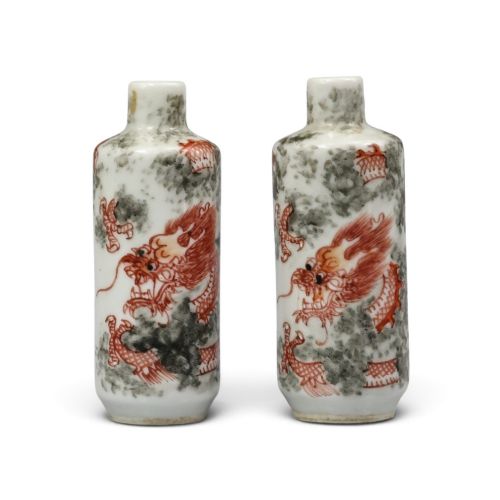
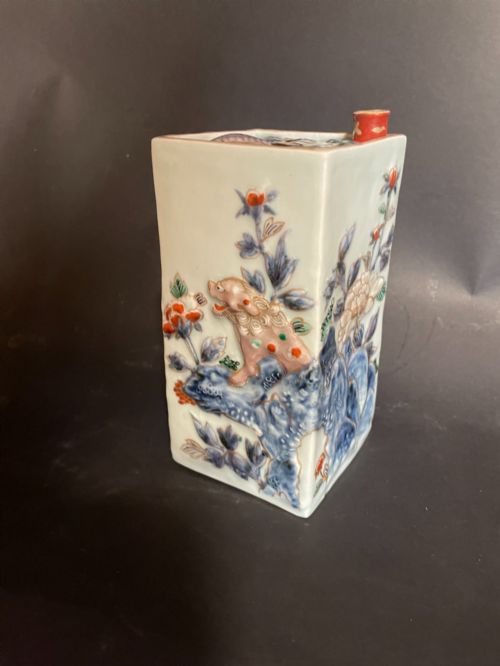
You are most likely to meet nineteenth-century snuff bottles and larger twentieth-century moon flasks on this page. The forms include specialised items like Japanese tokuri and kendis alongside traditional Chinese styles.
How they were made
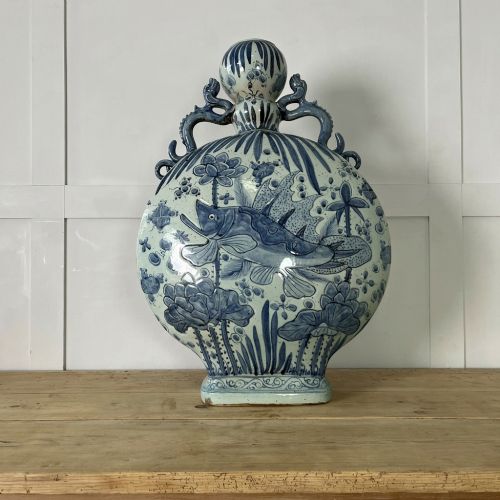
Potters shaped these vessels from fine porcelain clay before applying cobalt oxide for blue and white designs or firing them with colourful enamel palettes. Artisans utilised glaze to seal the ceramic body, occasionally incorporating gold leaf, turquoise, and jade details.
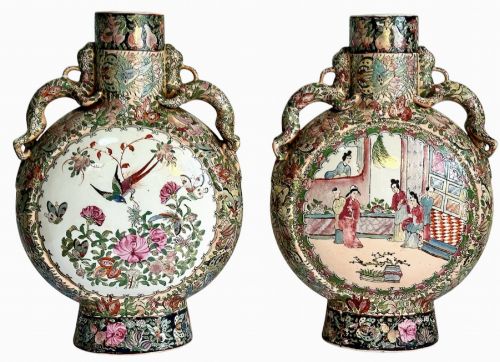
Techniques varied between Chinese workshops producing famille rose decoration and Japanese kilns creating pieces from the Edo period onwards. Iron-red pigments appear on late nineteenth-century examples to depict clawed dragons and clouds.
Oriental Porcelain Flask Retail Price Guide 2026
Typical asking prices for oriental porcelain flask among the pieces listed under this phrase on Sellingantiques today, from the lower quarter to the upper quarter. They describe what is for sale here now, not the wider market.
Current listings feature porcelain works from the 17th century through to 1930, spanning both Chinese Qing styles and Japanese Edo periods.
What varies in quality
The refinement of the painted detail separates ordinary vessels from exceptional works. Precise brushwork in figural scenes and dragons demonstrates superior control by the artisan.
The purity of the porcelain body and the richness of the enamel colours dictate the overall standard of the piece. Well-balanced proportions on moon flasks and snuff bottles indicate careful planning during the throwing and shaping stage.
The Oriental Porcelain Flask Glossary
- Famille rose
- A palette of opaque enamels introduced in Chinese ceramics, dominated by pink and rose colours.
- Moon flask
- A flattened circular ceramic vessel with a narrow neck and small loop handles, often standing on a base.
- Tokuri
- A traditional Japanese sake bottle featuring a rounded body and a narrow pouring neck.
- Kendi
- A spouted drinking vessel originating in Southeast Asia and produced in Chinese export kilns.
- Snuff bottle
- A small container designed to hold powdered tobacco, sealed with a fitted stopper and spoon.
Oriental Porcelain Flask: Frequently Asked Questions
What is an oriental porcelain flask?
An oriental porcelain flask is a ceramic container made in East Asia, encompassing forms like moon flasks, sake bottles, and snuff bottles.
These pieces showcase traditional glazing and painting techniques developed across centuries in China and Japan.
How were these flasks used?
Vessels such as sake bottles and kendis served practical drinking and pouring functions in daily life.
Snuff bottles held powdered tobacco for personal use, while large moon flasks primarily functioned as decorative display items.
How do I date a porcelain flask?
Dating relies on stylistic markers, imperial reign periods, and the specific palette of enamels or pigments utilised.
Examinations of the ceramic body and glaze characteristics help distinguish seventeenth-century pieces from nineteenth-century examples.
How should I display porcelain flasks?
Display these items on stable shelves or cabinets away from high-traffic areas to prevent accidental knocks.
Keep smaller snuff bottles and larger moon flasks out of direct sunlight to protect the enamel colours over time.