




Crackle Glaze Urn
A crackle glaze urn brings intricate webbed surfaces and fine historic ceramic craft into a room, offering tactile depth that plain vessels lack.
Crackle Glaze Urn
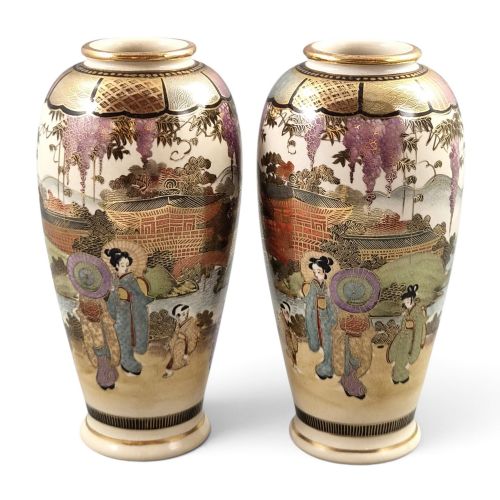
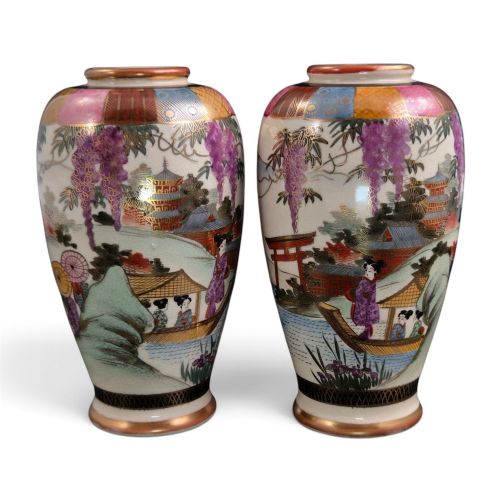
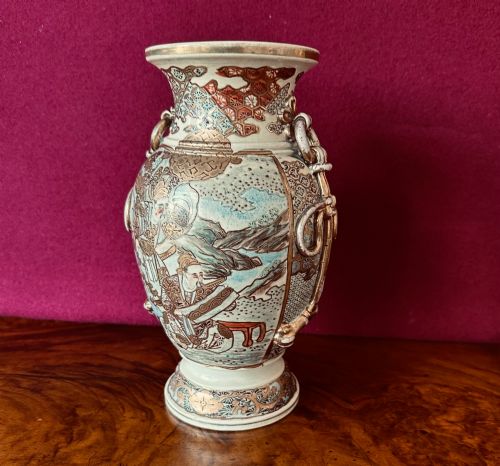
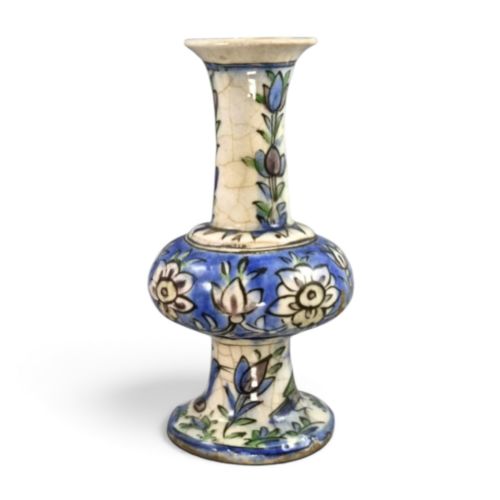
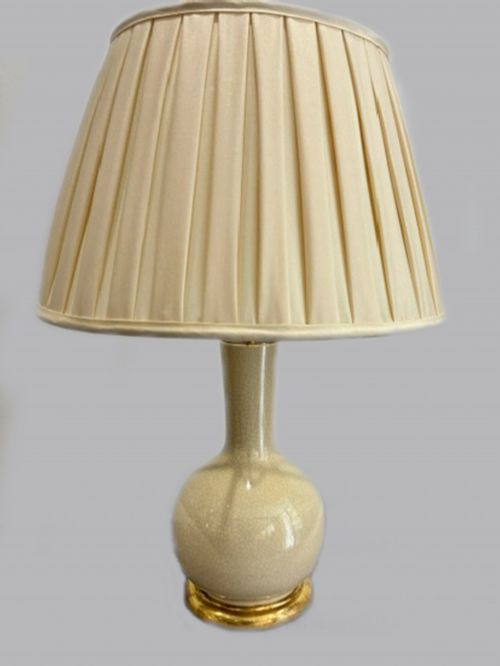
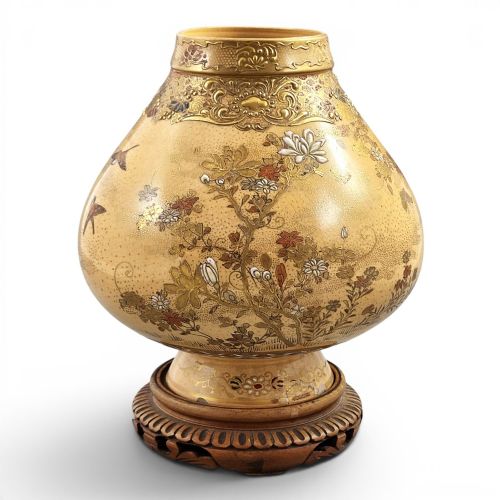
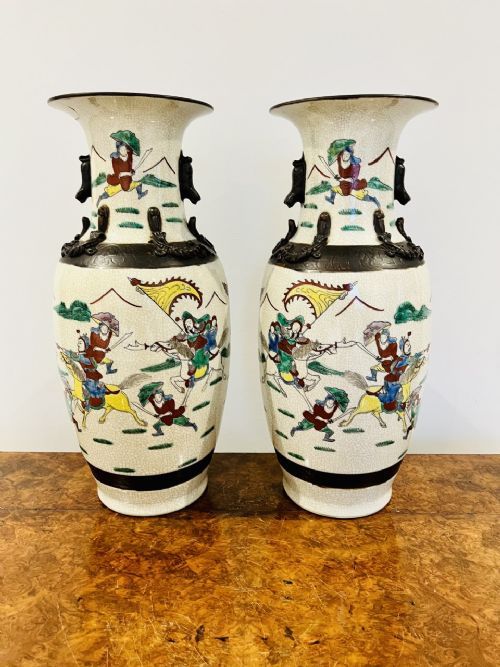
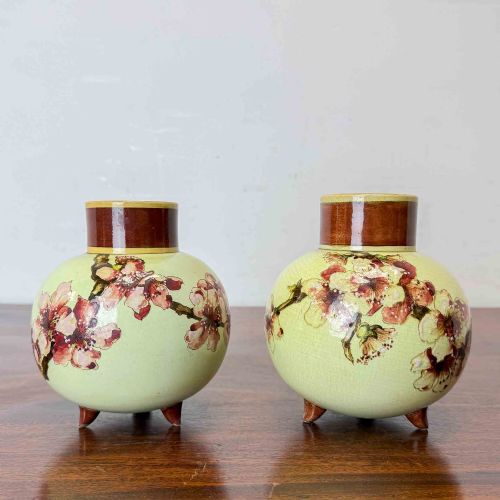
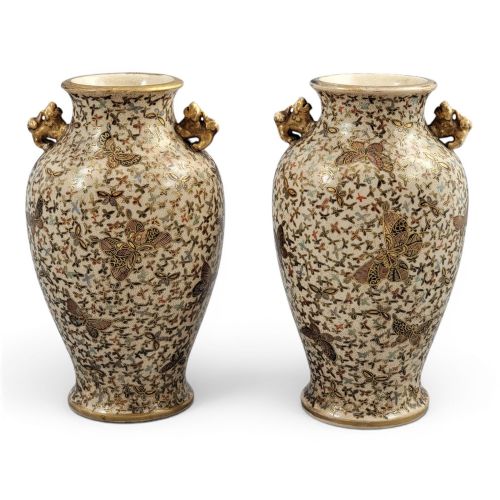
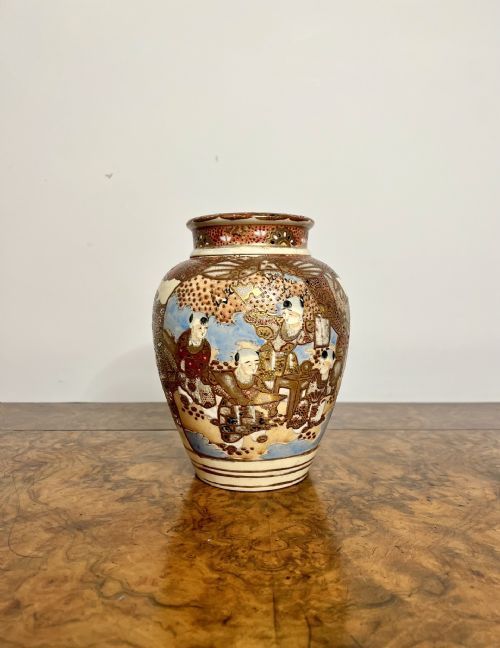
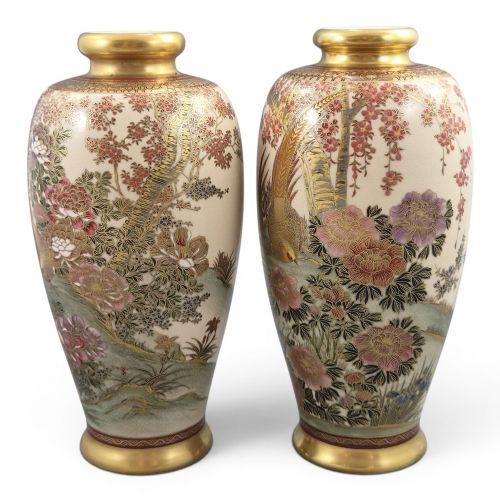
When you search for a crackle glaze urn, you encounter vessels defined by intentional crazing in their fired surfaces, ranging from diminutive cabinet miniatures to monumental garniture pieces. The selections here centre heavily on Japanese Satsuma earthenware and Chinese celadon wares, alongside Persian ceramics and French crackle ware lamps.
Most examples date from the nineteenth and early twentieth centuries, spanning the Meiji, Victorian, and Edwardian periods. Forms vary from traditional baluster jars and hexagonal vases to table lamps and covered ginger pots, reflecting diverse export markets and domestic traditions.
How they were made
Potters achieved the distinctive crackle effect through intentional cooling differentials between the ceramic body and its glaze, allowing fine networks of fissures to form across the surface. Artisans then frequently enhanced these lines with dark pigments before applying intricate overglaze enamels and gold leaf details.
The underlying bodies utilise earthenware, stoneware, and porcelain, shaped by hand or on the wheel before receiving specialised kiln treatments. Workshops in Kyoto and Kobe mastered the application of moriage relief work and dense polychrome painting over these crackled white or cream grounds.
Crackle Glaze Urn Retail Price Guide 2026
Typical asking prices for crackle glaze urn among the pieces listed under this phrase on Sellingantiques today, from the lower quarter to the upper quarter. They describe what is for sale here now, not the wider market.
Listings span multiple centuries, incorporating nineteenth-century Japanese Satsuma, twentieth-century decorative lamps, and early Chinese celadon pots.
What varies in quality
The distinction between ordinary and exceptional pieces rests upon the precision of the hand-painted brushwork and the refinement of the initial glaze. Master workshops like Kinkōzan achieved superior control over their firing temperatures, producing subtle, evenly distributed crazing rather than heavy, irregular fracturing.
Application of gold leaf and enamel relief work further separates fine studio outputs from commercial export items. Pieces bearing clear signatures from recognised makers command greater attention due to the disciplined execution of their figurative and landscape scenes.
Manpei·Kinkōzan Workshop·Kinzan·Chosei·Seiko-en Chokei·Hattori
The Crackle Glaze Urn Glossary
- Crackle glaze
- A ceramic finish characterised by intentional network cracking or crazing of the glassy surface. Potters often rub dark ink into these fissures to accentuate the geometric pattern.
- Satsuma
- An earthenware ceramic type originating from Satsuma province in Japan, typically featuring a pale, crackled ivory glaze decorated with polychrome enamels and gilt. These wares became highly popular during the Meiji period.
- Moriage
- A decorative ceramic technique using piped clay slip to build up raised surface patterns before glazing and firing. This method creates a tactile, three-dimensional effect often seen on court figures and floral motifs.
- Celadon
- A term for ceramics featuring a pale green or grey-green transparent glaze, traditionally mimicking jade. The subtle coloration results from iron oxide interacting within a reduction kiln atmosphere.
- Baluster
- A vase form characterised by a bulbous lower body that tapers towards a narrow neck and flanged rim. This classic silhouette provides stable proportions for complex surface decoration.
Crackle Glaze Urn: Frequently Asked Questions
How do I clean an antique ceramic urn?
Dust the surface gently with a soft, dry brush to prevent particulate buildup within the fine glaze fissures. Avoid using water or liquid solvents, as moisture can penetrate old crackle lines and destabilise underlying earthen bodies.
Keep the vessel away from direct sunlight and fluctuating humidity to protect delicate overglaze enamels and gold leaf details from degrading over time.
Where were Satsuma vases made?
While originating in Kagoshima Prefecture, production expanded significantly to Kyoto, Tokyo, and Kobe during the Meiji period to serve growing international export markets. Kyoto workshops became particularly renowned for highly refined decorative painting.
Master artisans in these urban centres produced elaborate garnitures and cabinet pieces tailored for Western collectors seeking ornate Japanese craftsmanship.
How can I date a crackle glaze piece?
Dating relies on examining the potting style, base markings, pigment characteristics, and contextual clues from associated historical periods. Meiji period Satsuma wares often exhibit specific workshop signatures and dense polychrome palettes.
Comparing the style of figures, landscapes, and floral motifs against documented workshop outputs helps narrow down the decade of production safely.