


Arita Ware Porcelain Vase
An arita ware porcelain vase brings centuries of Japanese ceramic skill into a room, offering rich patterns and enduring forms that collectors prize.
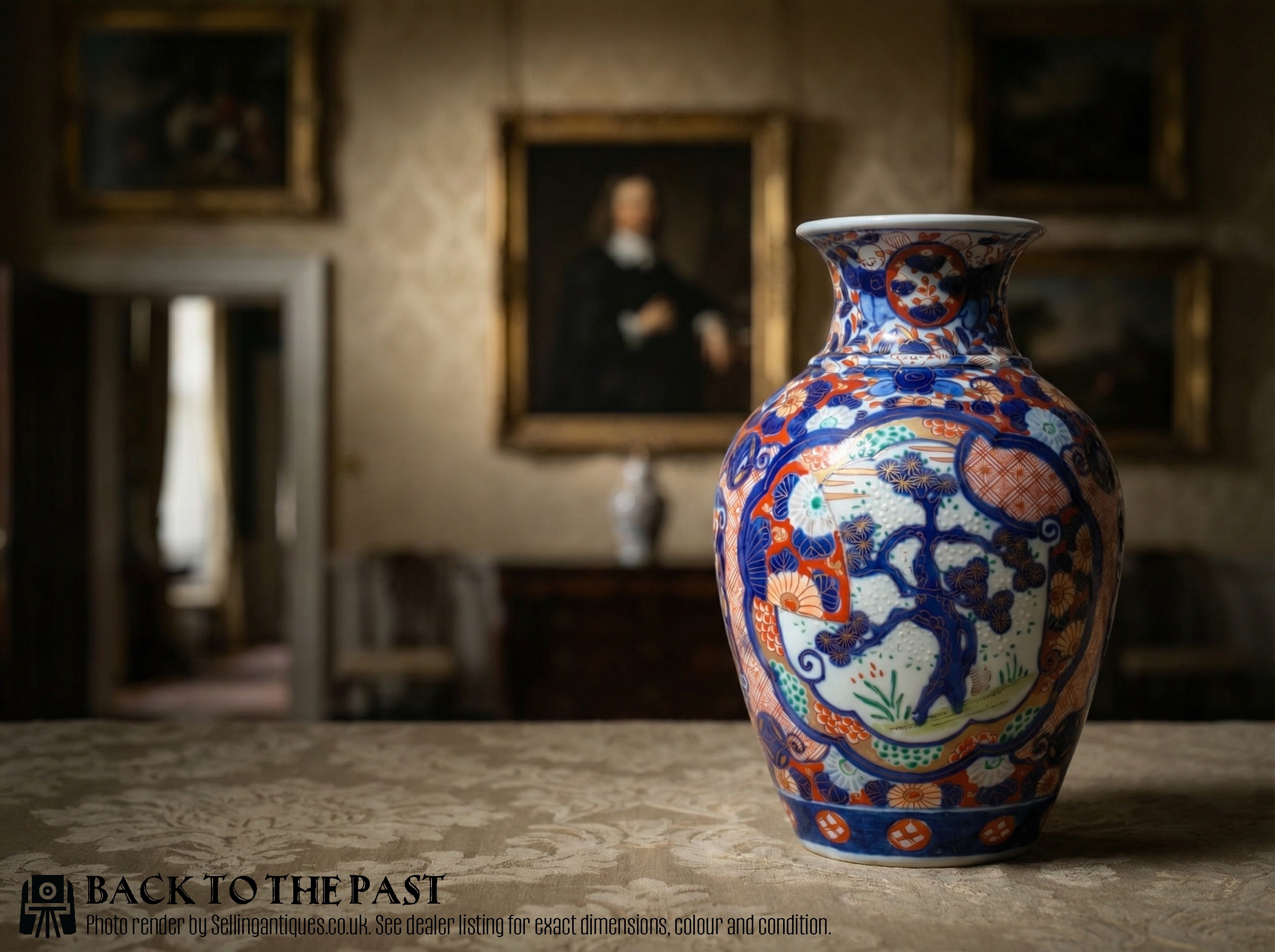
Arita Ware Porcelain Vase
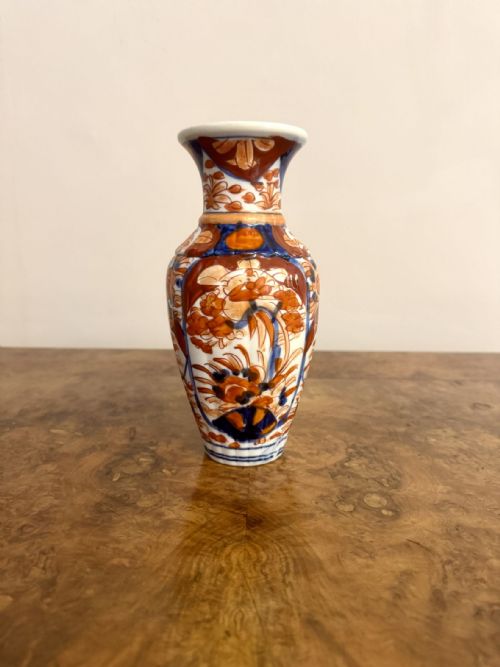
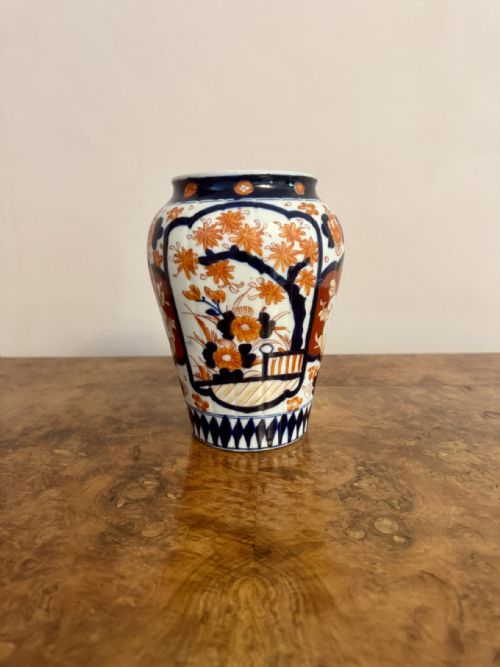
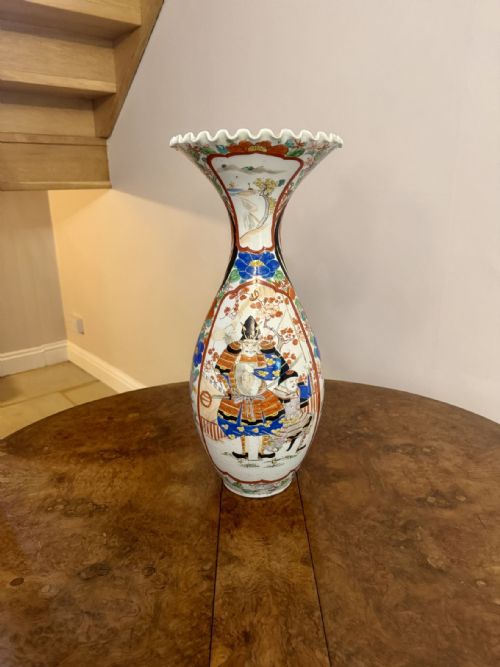
An arita ware porcelain vase represents a tradition of Japanese ceramic production spanning from the Edo period to the twentieth century. These vessels range from bottle shapes and hexagonal forms to large lidded garnitures designed for prominent display.
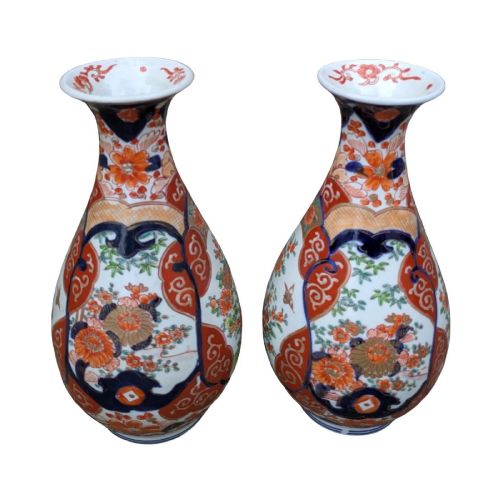
Buyers most frequently encounter pieces decorated in the Imari palette, combining cobalt blue with iron red and gold leaf highlights. The listings show examples originating from the seventeenth century through to the Meiji period and the early nineteen-hundreds.
Forms vary from single decorative vases to matched pairs and sets of three. The physical presence of these pieces stems from robust ceramic bodies finished with detailed glaze work and enamel painting.
How they were made
The creation of an arita ware porcelain vase relies on refined ceramic materials shaped by hand or wheel before undergoing high-temperature firing. Artisans apply cobalt oxide beneath the glaze to establish deep blue tones.
Overglaze enamels and gold leaf are added in subsequent firing stages to build up the intricate patterns characteristic of Japanese Imari styles. This multi-stage technique demands precise control to fix the colours permanently to the porcelain body.
The listings span multiple centuries, capturing both early Edo period items from the seventeen-hundreds and later Meiji period porcelain.
What varies in quality
Quality in an arita ware porcelain vase lies in the crispness of the cobalt painting and the precision of the overglaze enamel work. Earlier pieces from the Edo period often display a greater fluidity in brushwork compared to later nineteenth-century output.
The complexity of the form also differentiates the pieces, with hexagonal shapes and matched garniture sets requiring advanced throwing and moulding skills. Weight, balance, and the richness of the gilding further distinguish standard production from exceptional examples.
Fukagawa
The Arita Ware Porcelain Vase Glossary
- Arita
- A Japanese town in Hizen province renowned as the birthplace of Japanese porcelain production. Kilns in this region produced wares for domestic use and international export.
- Meiji period
- The era in Japanese history spanning from eighteen sixty-eight to nineteen twelve. Pieces from this time often show increased decorative complexity and large-scale production.
- Garniture
- A set of matching vases or jars designed to be displayed together on a mantelpiece or sideboard. These sets frequently comprise three or five pieces.
- Cobalt oxide
- A mineral compound used under the glaze to produce deep blue pigments on ceramic vessels. It withstands the high temperatures required for porcelain firing without losing definition.
Arita Ware Porcelain Vase: Frequently Asked Questions
How do I date an arita ware porcelain vase?
Dating relies on stylistic clues such as the specific shades of the Imari palette, the complexity of the form, and the historical period associated with the piece. Seventeenth-century examples differ noticeably in potting weight and brushwork from Meiji period production.
Examining the foot ring and the character of the glaze offers further context for establishing the era of manufacture.
Were these vases made for export?
Many examples of this ceramic tradition were produced specifically for export to European markets through Dutch and other trading companies. This international demand influenced the scale and decorative style of the vessels.
As a result, certain forms and garniture sets were tailored to Western interior display preferences.
How should I display a garniture set?
Garniture sets of three or five vases look best arranged symmetrically along a broad surface such as a sideboard or mantelpiece. The central lidded vessel typically anchors the display, flanked by matching smaller vases.
Spacing the pieces evenly allows the painted details on each vessel to remain clearly visible.
What is the difference between Edo and Meiji pieces?
Edo period vessels often exhibit a restrained elegance with spontaneous brushwork and simpler potting forms. Meiji period items tend to feature denser patterns, heavier use of gold leaf, and more elaborate shapes.
Both periods represent high points of technical achievement in the kilns.