
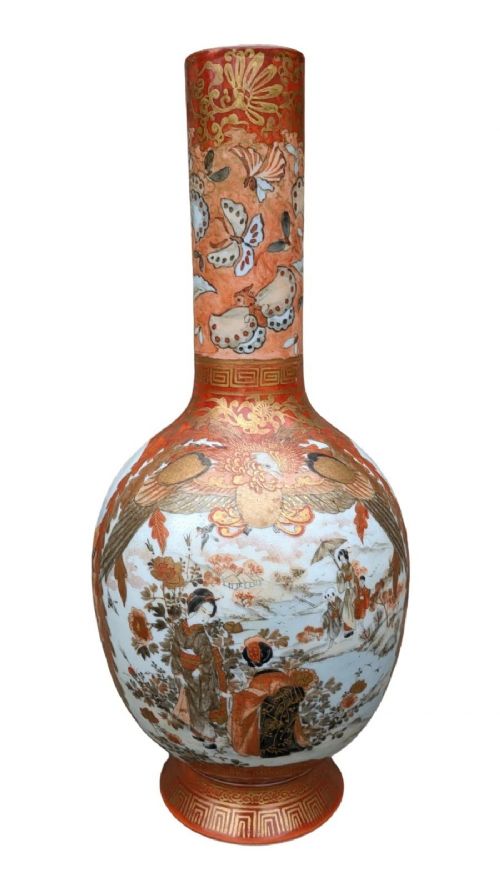
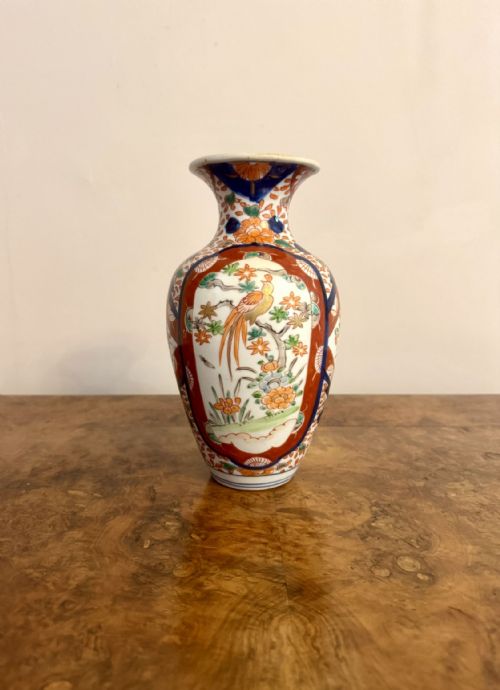
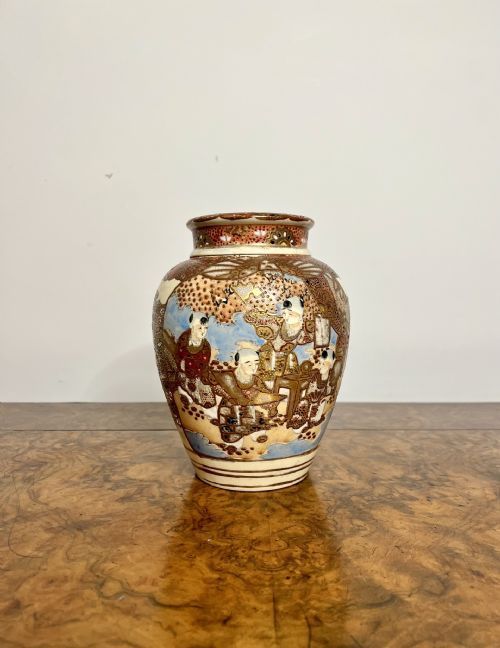

Oriental Porcelain Urn Jar
These oriental porcelain urn jars bring heavy, patterned presence into a room through centuries of export and domestic kiln work.
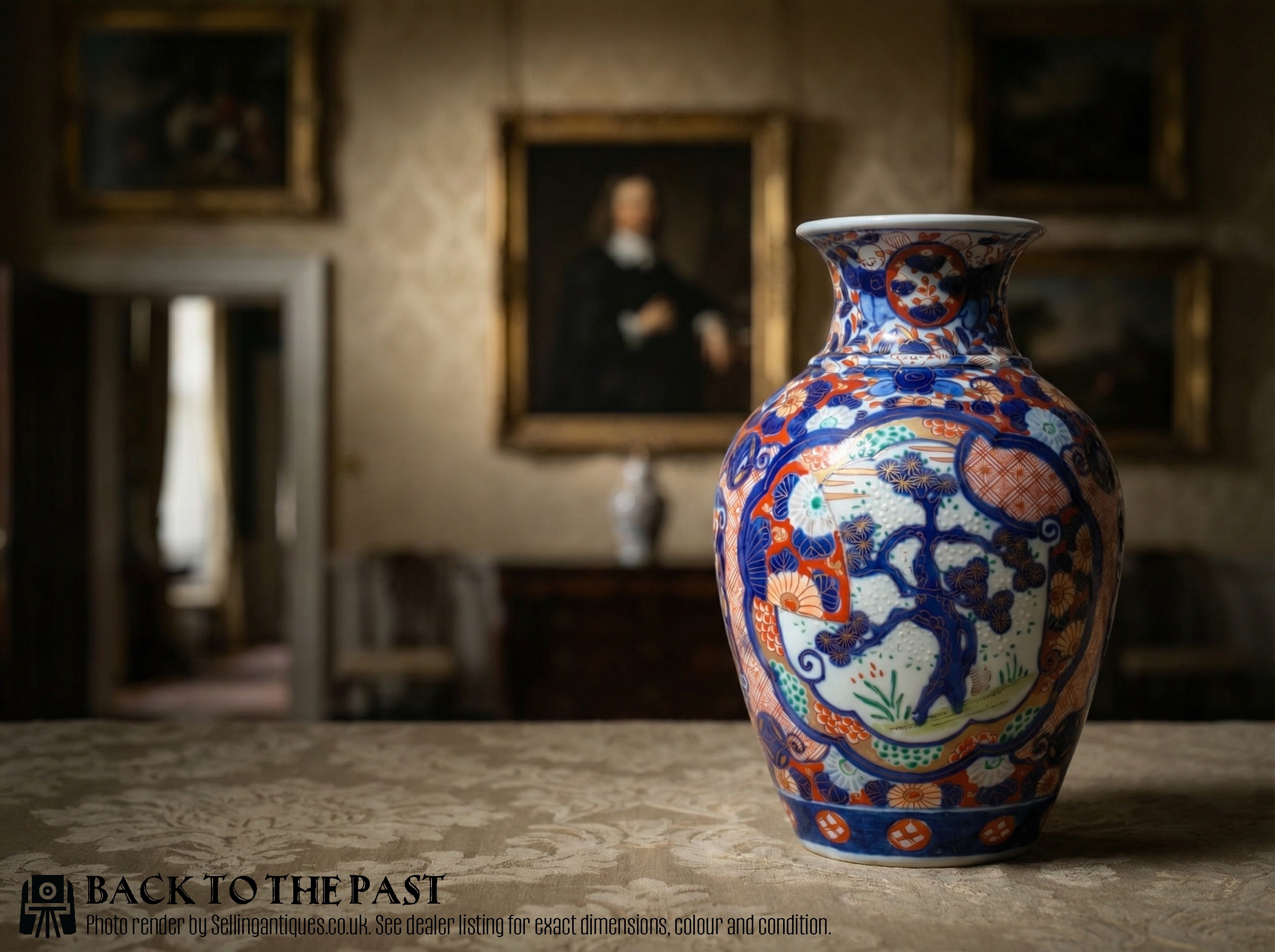
Oriental Porcelain Urn Jar
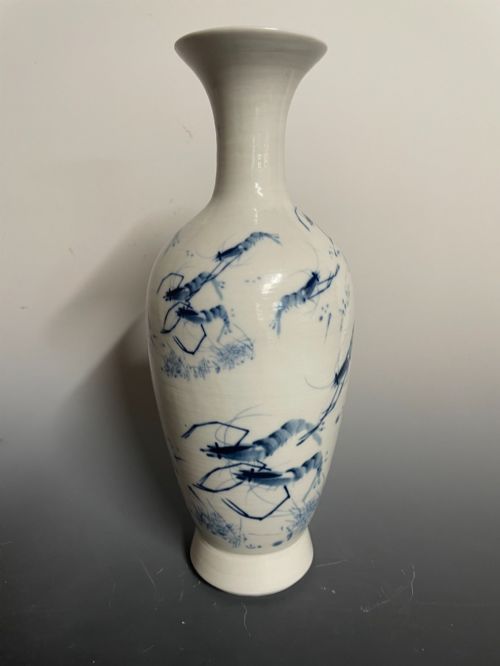
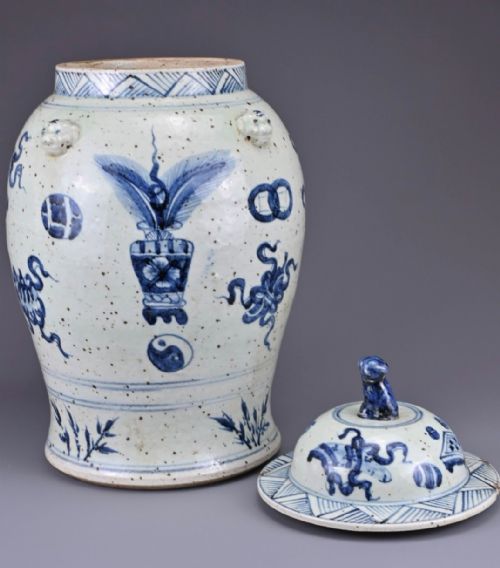
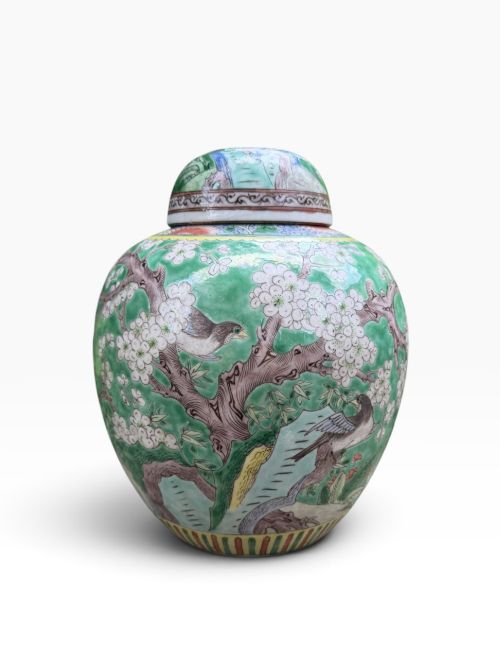
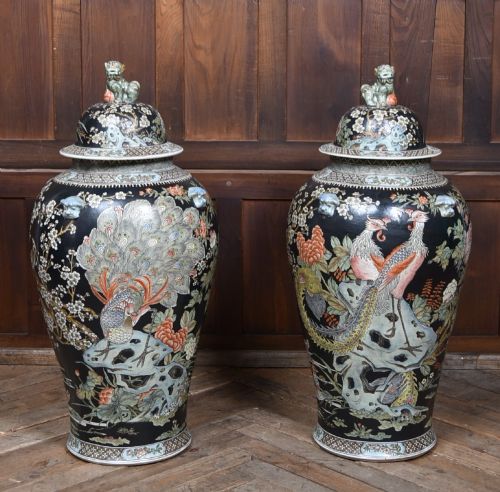
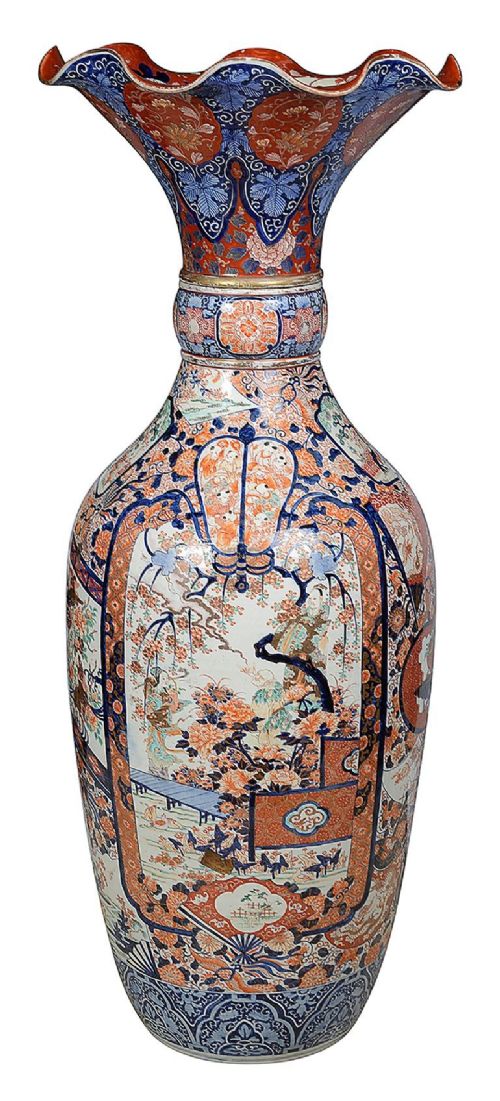
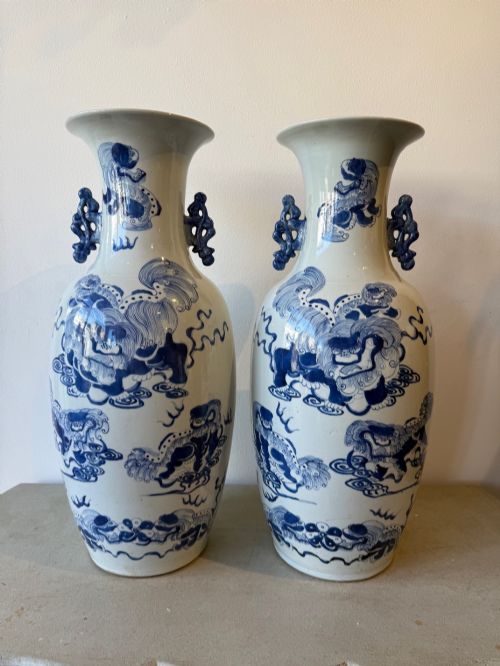
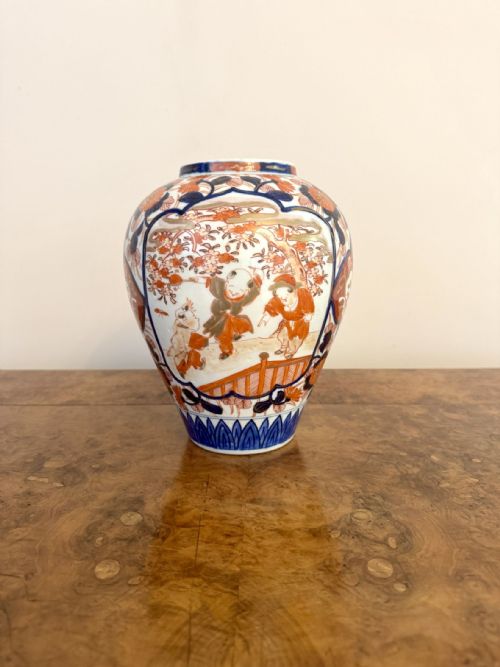
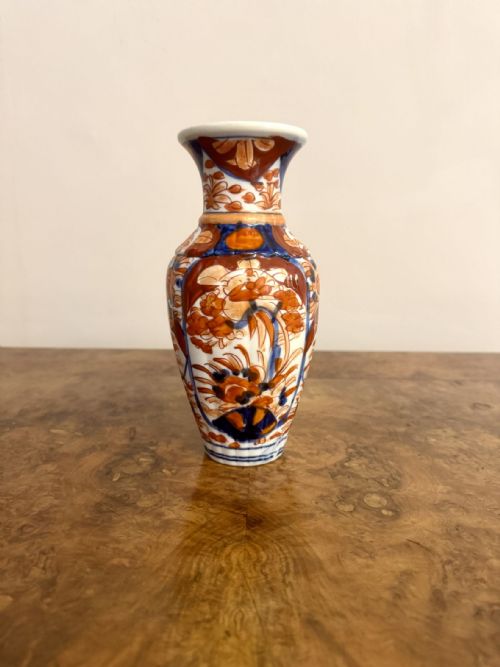
Oriental porcelain urn jar pieces range from covered ginger jars to large floor standing vases spanning the eighteenth, nineteenth, and early twentieth centuries.
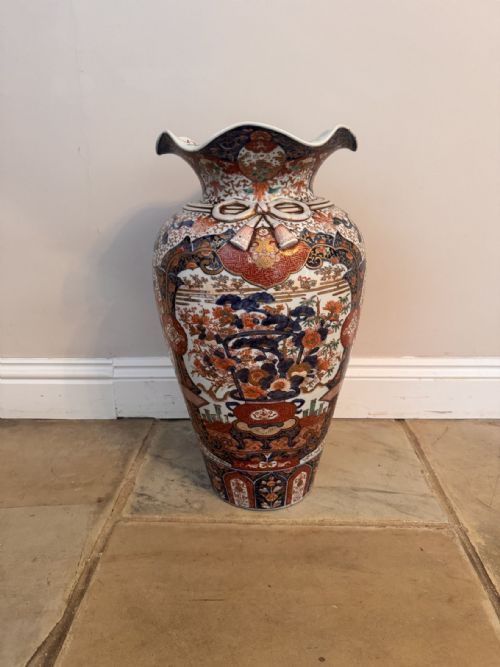
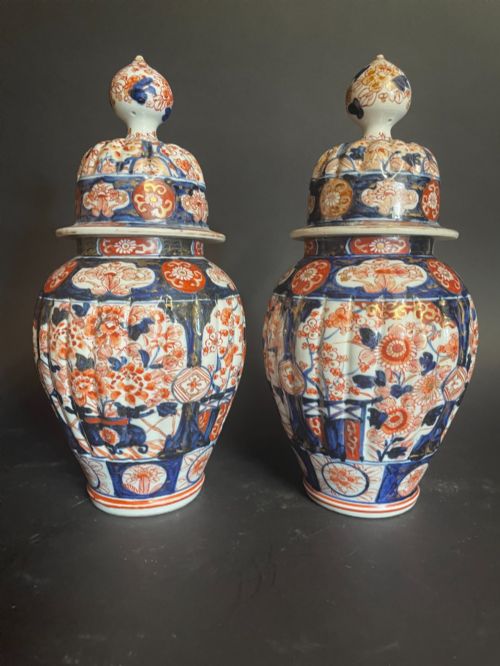
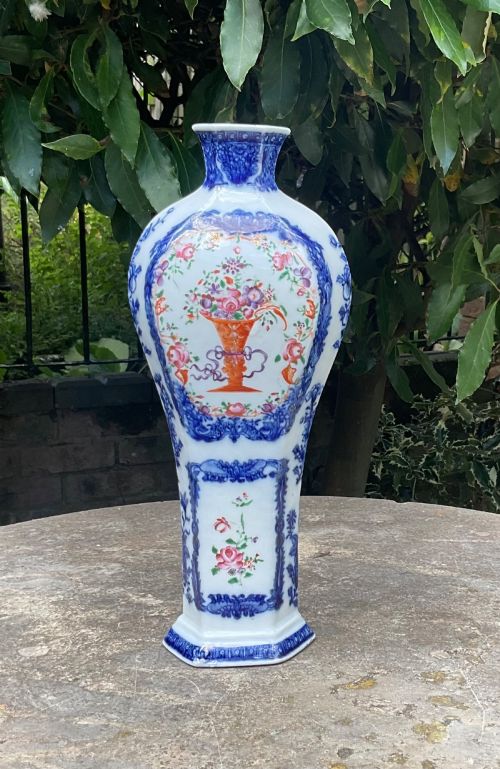
A buyer examining this selection will frequently encounter Japanese Imari palette lidded jars and Chinese blue and white porcelain vases dating to the nineteenth century.
The objects serve as decorative centrepieces, garniture sets, or converted table lamps utilising ceramic bodies shaped as baluster jars and double gourds.
Materials and construction
The vessels rely on hard-paste porcelain, earthenware, and ceramic bases finished with cobalt glaze, enamel, and gold leaf applications.
Makers shaped the clay into jars, urns, and vases before applying hand-painted designs in Chinese traditional, Qing dynasty, or Japanese Meiji period styles.
Fired surfaces occasionally receive additional embellishments such as gilt highlights or metal mounts including ormolu.
The listings span the eighteenth to the twentieth century, with nineteenth-century pieces forming the largest share of available Japanese Imari and Chinese blue and white ceramics.
Judging the work
Quality rests upon the precision of the hand-painted brushwork, the depth of the cobalt or enamel colours, and the crispness of the porcelain moulding.
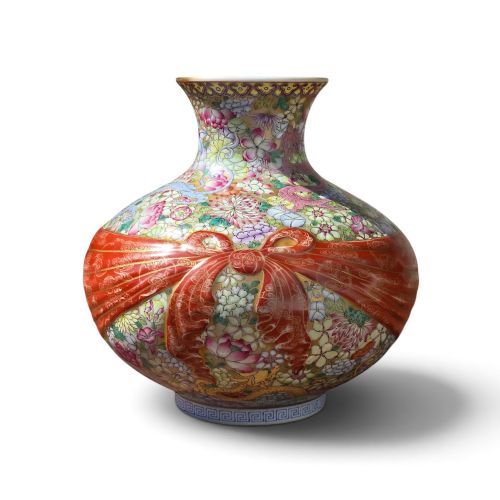
Finer examples display careful balance in complex decorative schemes such as millefleurs or intricate Japanese Imari patterns rather than rushed or heavy-handed application.
The presence of undamaged lids on ginger jars and matching pairs or garniture sets elevates the integrity of the piece.
Makuzu Kozan·Yamashu·Shuzan
The Oriental Porcelain Urn Jar Glossary
- Imari
- Japanese export porcelain decorated in underglaze blue, iron red, and gilt. This palette became prominent during the Edo period and inspired European kilns.
- Ginger jar
- A high-shouldered ceramic storage vessel with a domed cover. Originally utilised for spices, these pieces evolved into purely decorative domestic objects.
- Famille rose
- A Chinese porcelain palette characterised by opaque pink enamel introduced during the Qing dynasty. The style allowed for soft shading in floral and figural scenes.
- Satsuma
- Japanese earthenware featuring a crackled cream glaze and detailed polychrome enamel painting. Pieces often incorporate heavy gold leaf detailing.
- Garniture
- A set of matching vases or jars designed to be displayed together on a mantelpiece or cabinet. These sets typically consist of three to five graduated pieces.
Oriental Porcelain Urn Jar: Frequently Asked Questions
How do I spot an Imari jar?
Look for the characteristic combination of deep cobalt blue and iron red paint heightened with gold leaf. The designs typically feature dense floral and panel motifs.
These patterns originated in Japan and were widely exported to Europe throughout the nineteenth century.
What is a ginger jar used for?
Historically, these lidded jars held spices, salt, or oil for preservation and transport. Later periods shifted the form entirely toward decorative domestic display.
Today they sit on side tables or form part of larger mantel garniture sets.
How do I date a porcelain jar?
Dating relies on stylistic markers, reign marks, and the quality of the ceramic body and glaze. Nineteenth-century examples often show heavier potting and distinct enamel tones compared to earlier pieces.
Examine the base for kiln marks or historical wear to confirm the period.
Can I use these jars as lamps?
Many nineteenth-century vases and jars were converted into table lamps during past decades, sometimes utilising metal mounts like ormolu.
Conversion depends on whether the original ceramic body was drilled or if the mount secures without damaging the porcelain.