

Decorative Oriental Ceramic Vase
When you search for decorative oriental ceramic vase, you find pieces in porcelain, earthenware and stoneware carrying centuries of glaze and enamel tradition.
Decorative Oriental Ceramic Vase
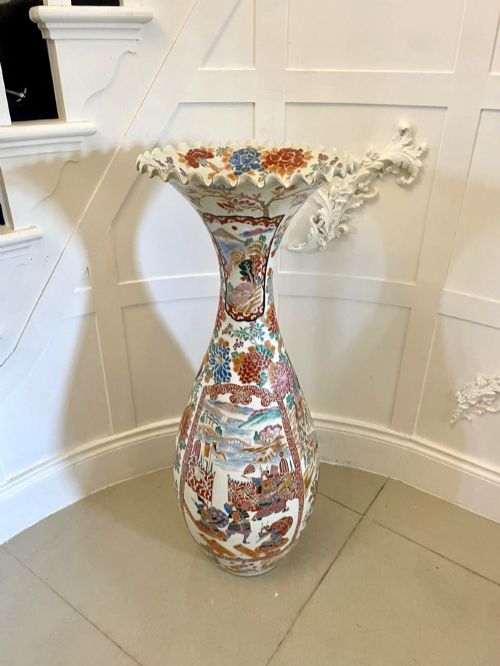
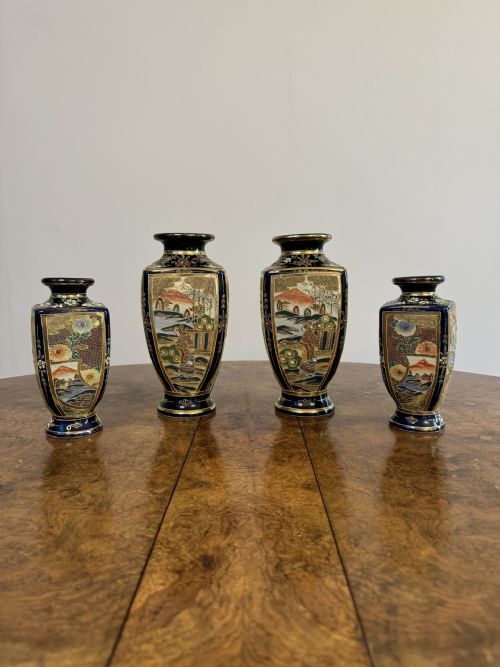
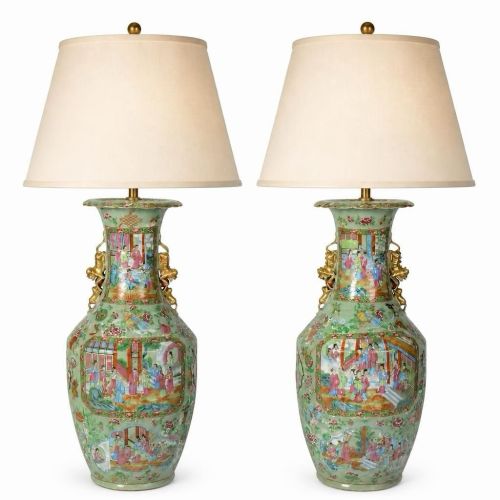
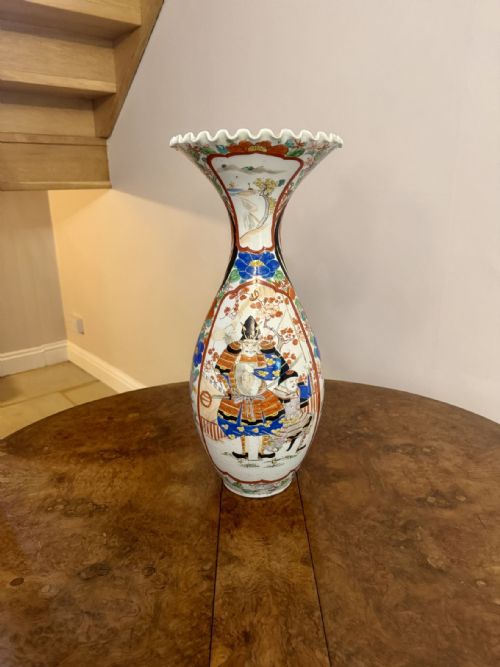
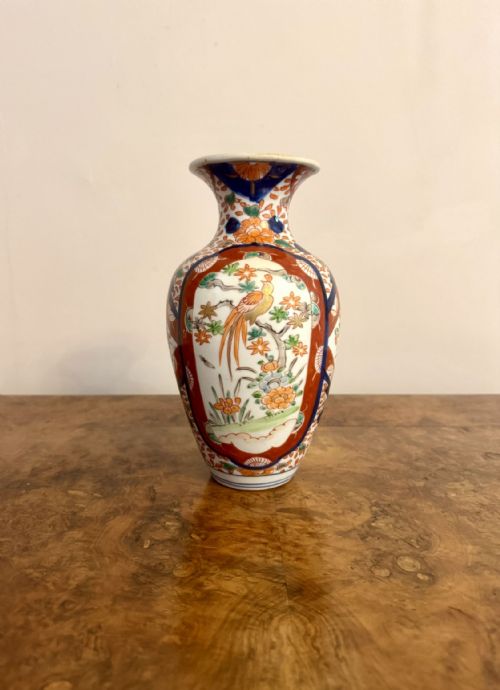
A decorative oriental ceramic vase brings together centuries of porcelain, earthenware, and stoneware traditions from Japanese and Chinese kilns. Buyers seeking a decorative oriental ceramic vase will find substantial floor standing vessels, ginger jars, garnitures, and baluster forms spanning the Victorian era through the early twentieth century.
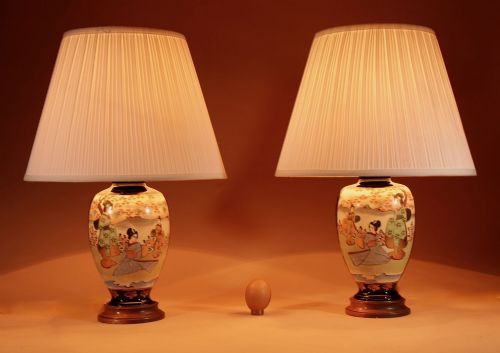
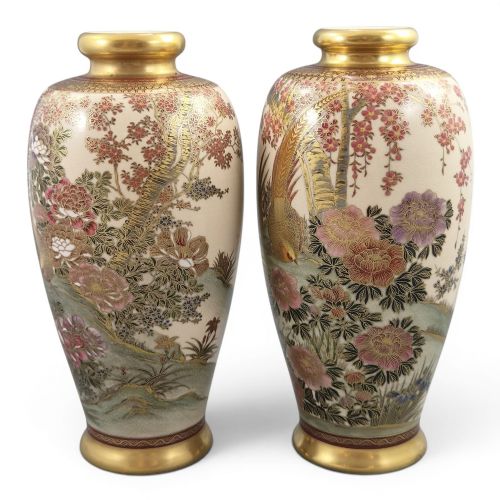
The selection ranges from large nineteenth century Imari works and Satsuma table lamps to delicate miniature pieces signed by period makers. Many vessels show specific cultural styles such as Meiji period Satsuma, Qing dynasty items, and blue and white porcelain.
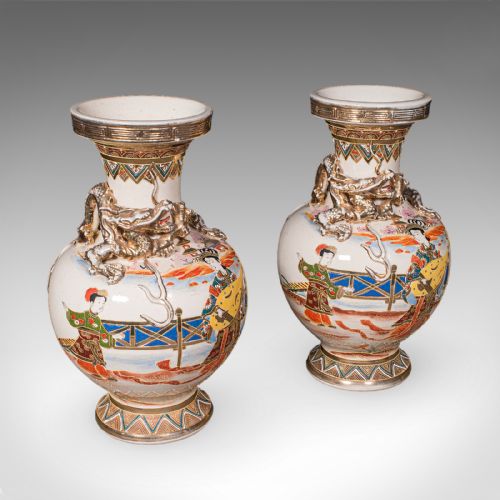
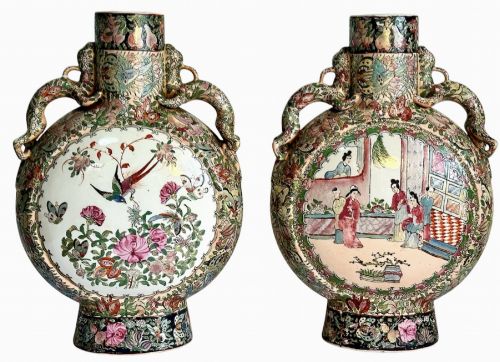
Pairs and sets dominate the offerings, often featuring elaborate hand-painted scenes, lacquer panels, or applied figures. These objects bridge traditional Far Eastern ceramic techniques with the interior design demands of British Victorian and Edwardian homes.
How they were made
Potters shaped these vessels from local porcelain, earthenware, and stoneware clays, throwing them on wheels or forming them in sections for large floor vases. The bodies received intricate hand-painted designs utilising mineral pigments, cobalt blue, and rich enamel colours.
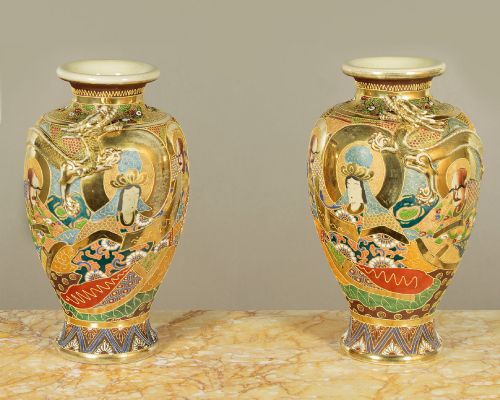
Many pieces incorporate heavy gilding, gold leaf, and raised moriage work that adds tangible texture to the surface. Glaze was applied before high-temperature firing, sealing the colours and creating the glossy or crackle finishes seen on Satsuma and Imari ware.
Listings feature porcelain, earthenware, and stoneware forms spanning the Victorian era through the 1930s.
What varies in quality
Quality rests upon the precision of the hand-painted brushwork, the depth and purity of the cobalt blue or enamel palette, and the crispness of the gilded detailing. Master workshops employed skilled artisans whose figure work and botanical scenes display exceptional fine motor control and compositional balance.
The weight and stability of the ceramic body, alongside the successful execution of complex glazes and raised moriage, separate standard production items from exceptional exhibition pieces. Signed work from notable studios or named artists commands greater attention due to documented provenance.
Manpei Kobe·Makuzu Kozan II·Kinkozan·Chosei Kyoto·Hakusan
The Decorative Oriental Ceramic Vase Glossary
- Imari
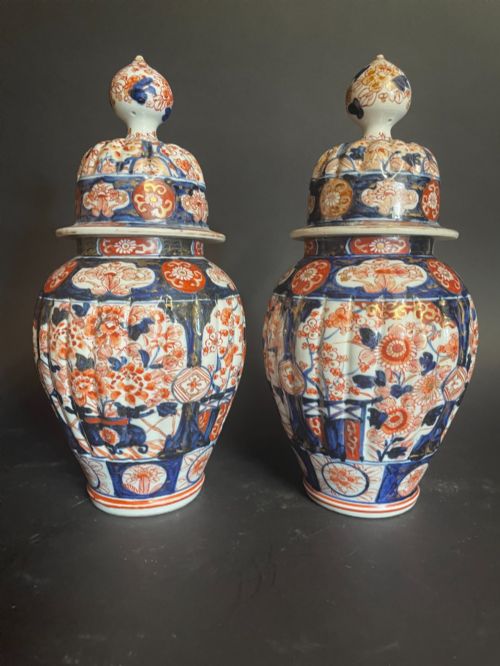
- A style of Japanese porcelain decorated in underglaze blue and overglaze red, gold, and other colours. This distinctive aesthetic originated in Arita and became popular for export during the Edo and Meiji periods.
- Satsuma
- A type of earthenware from Japan featuring a ivory-coloured, crackled glaze decorated with elaborate polychrome enamel and gold. These pieces often depict historical figures, landscapes, or floral arrangements.
- Moriage
- A decorative ceramic technique using piped clay to create raised patterns beneath the glaze and enamel. This method adds a tactile, three-dimensional quality to vases and jars.
- Garniture
- A set of matching vases or jars designed to be displayed together on a mantelpiece or cabinet. These groupings typically consist of three to five vessels of complementary shapes.
- Baluster
- A vase shape characterised by a rounded body that tapers toward the base and swells near the lower middle. This classical silhouette provides a stable, balanced form for detailed surface painting.
Decorative Oriental Ceramic Vase: Frequently Asked Questions
What is Satsuma ware?
Satsuma ware is a distinct style of Japanese earthenware recognisable by its characteristic ivory-coloured body and fine crackle glaze. Artisans decorated these surfaces with detailed polychrome enamels and heavy gold leaf.
Originally produced in the Satsuma Province, the style evolved to satisfy international demand during the Meiji period. Pieces range from small miniature vessels to monumental floor vases created for export.
How do I identify Imari porcelain?
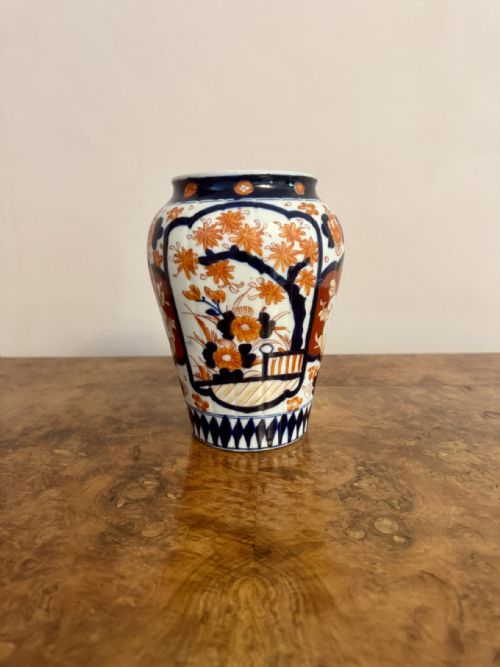
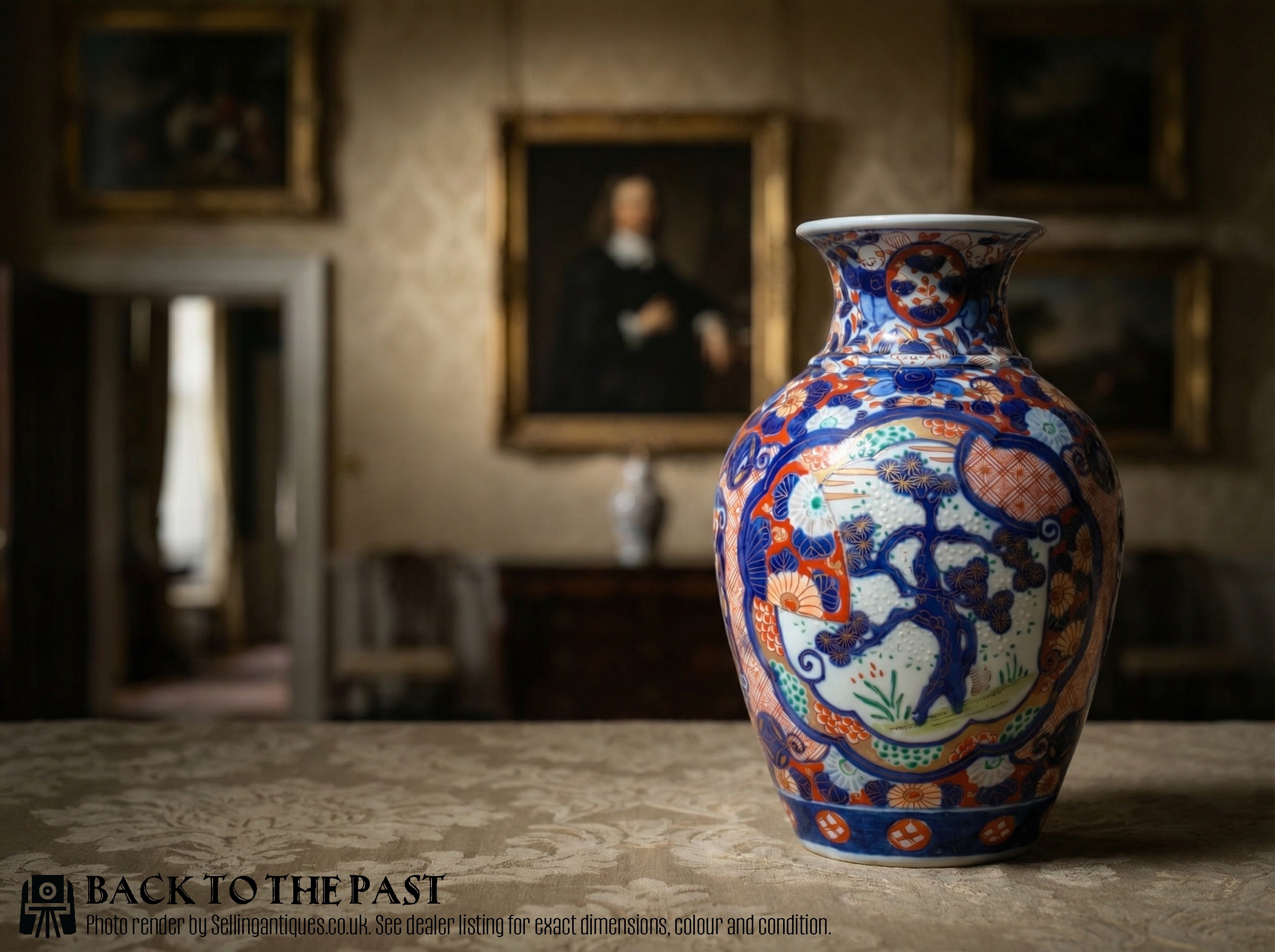
Imari porcelain is identified by its striking palette, which typically combines deep underglaze cobalt blue with overglaze iron red and abundant gold leaf. The designs often feature intricate floral, geometric, and panel motifs.
Named after the port from which these Japanese goods were shipped, authentic antique examples date from the Edo period onwards and display crisp, hand-applied pigments.
Were these vases used as lamps?
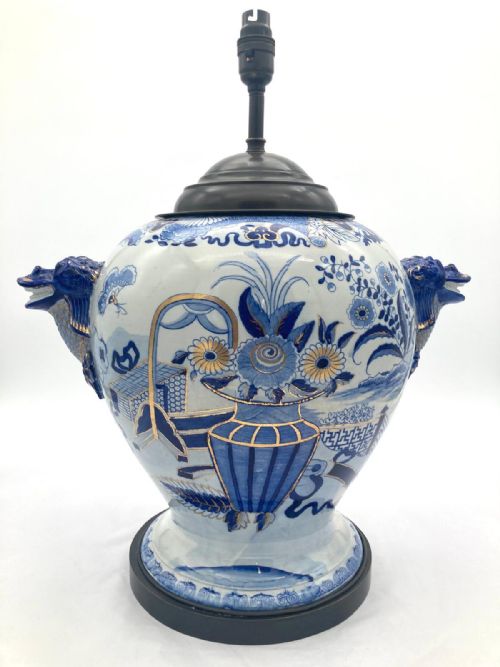
Many antique oriental ceramic vases were converted into table lamps during the nineteenth and twentieth centuries to suit Western domestic lighting trends. This conversion often involved drilling a small hole for wiring or mounting the vessel on a bespoke base.
While purists prefer untouched examples, these lamp conversions offer a practical way to display fine porcelain and Satsuma ware within modern living spaces.
What is a ginger jar?
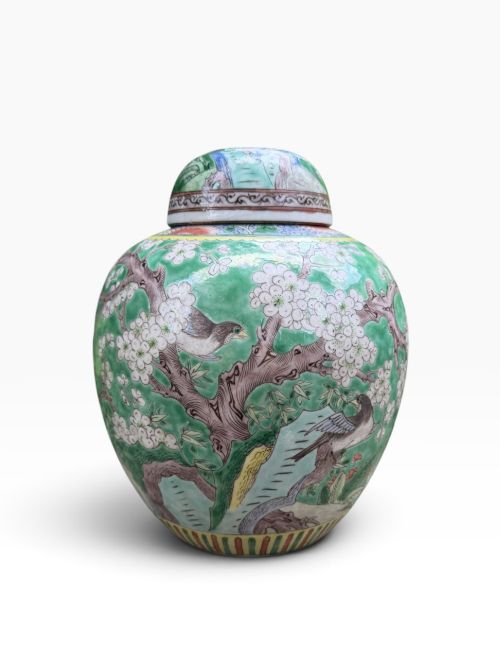
A ginger jar is a sturdy storage vessel featuring a rounded body, high shoulder, and matching domed cover. Originally utilised in China to transport spices, oils, and ginger, their pleasing proportions made them desirable decorative objects in the West.
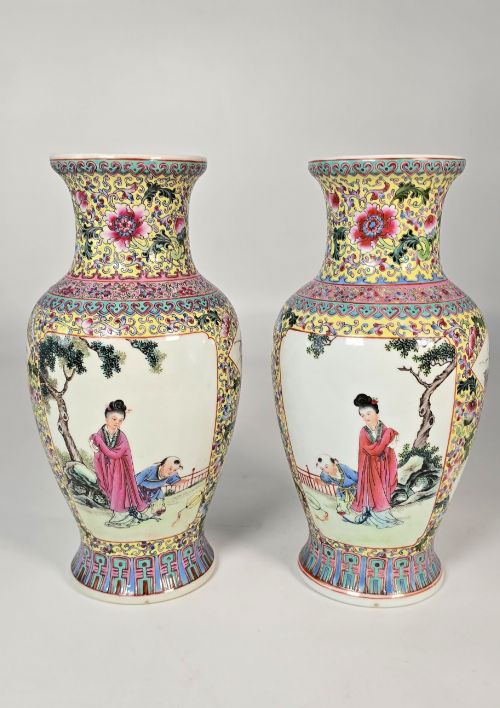
Antiques take the form of Chinese porcelain or Japanese ceramic pieces, often painted with blue and white designs or famille rose enamels.
How do I care for antique ceramics?
Antique ceramics and enamel vessels require gentle handling, protection from direct sunlight, and placement away from sudden temperature fluctuations. Dusting should be performed with a soft, dry cloth without chemical cleaners that might harm vulnerable gilding or raised moriage.
Display surfaces should be stable and free from vibration to safeguard tall baluster shapes and floor vases from accidental knocks.