



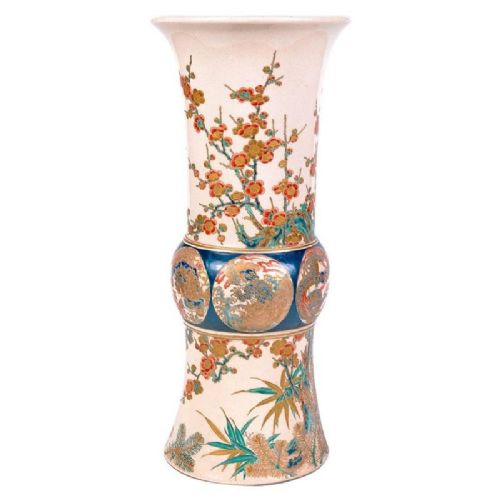
Meiji Era Ceramic Vessel
A meiji era ceramic vessel brings intricate Satsuma ware, Imari porcelain, and Kutani styles into your home.
Meiji Era Ceramic Vessel
When you search for a meiji era ceramic vessel, you encounter finely decorated works originating from late nineteenth century Japan alongside pieces recorded under Victorian and nineteenth century periods.
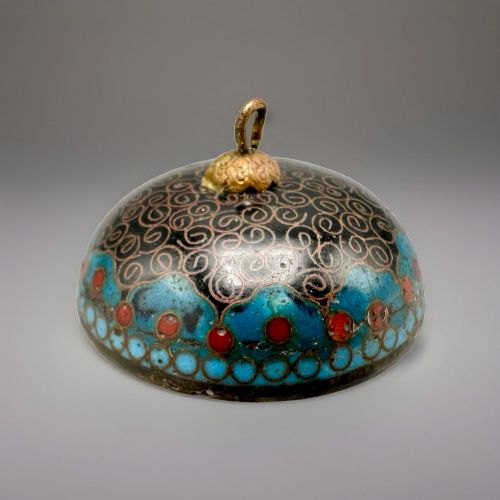
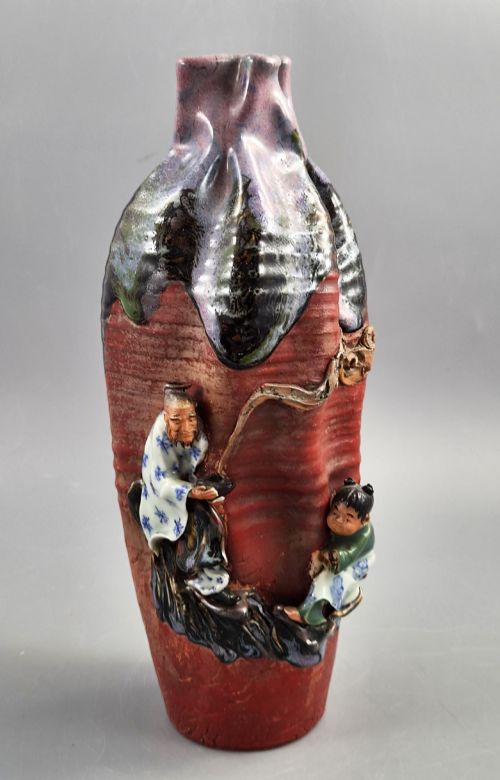
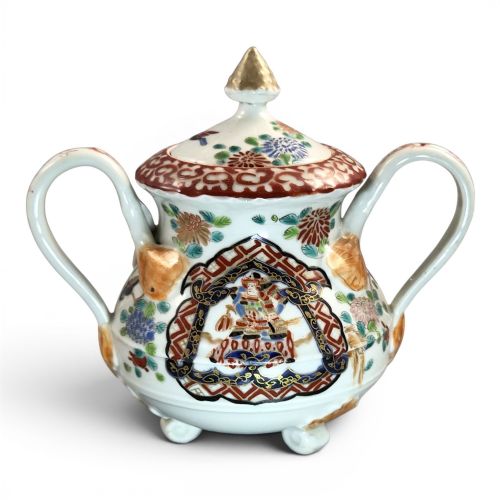
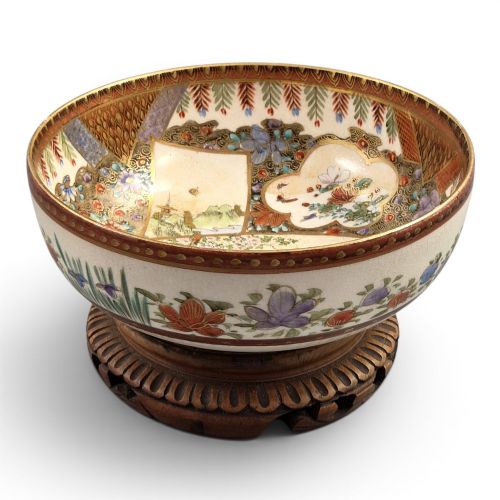
The selections on this page span diverse utilitarian and decorative forms, featuring vases, garlic head vases, decorative bowls, sugar bowls, and miniature incense burners.
You are most likely to meet Satsuma ware alongside Imari porcelain and Kutani examples, each carrying distinct historical signatures and painterly scenes.
Materials and construction
Maker workshops utilised earthenware, porcelain, and terracotta as foundations, finished with coloured glazes, enamel, and applied gold leaf for rich surface detail.
Specialised techniques include cloisonne tree bark effects and totai shippo methods, combining ceramic bodies with meticulous metalwork detailing.
Meiji Era Ceramic Vessel Retail Price Guide 2026
Typical asking prices for meiji era ceramic vessel among the pieces listed under this phrase on Sellingantiques today, from the lower quarter to the upper quarter. They describe what is for sale here now, not the wider market.
Listings feature 19th Century, Victorian, and specific dates from 1870 to 1910.
Distinguishing quality
Quality rests upon the precision of the hand-painted figures, such as samurai, sages, and karako, rendered across the body of the vessel.
Signed works bearing maker marks like Ban-ni, Kozan, Fukagawa, Chosei, and Kotobuki-do demonstrate higher tiers of craftsmanship compared to unsigned production.
Ban-ni·Kozan·Fukagawa·Chosei·Kotobuki-do
The Meiji Era Ceramic Vessel Glossary
- Satsuma ware
- A type of Japanese earthenware characterised by a pale, ivory crackle glaze that provides a canvas for intricate polychrome and gilt enamel decoration. It remains highly sought after by collectors of nineteenth century ceramics.
- Imari porcelain
- Japanese export porcelain traditionally decorated in underglaze blue, iron red, and gold. This style originated in the town of Arita and displays bold, symmetrical patterning.
- Kutani ware
- Japanese ceramic pieces known for vibrant colour palettes, particularly strong greens, yellows, and reds. These vessels often incorporate detailed pictorial scenes.
- Koro
- A traditional Japanese incense burner typically fitted with a pierced lid to allow scented smoke to escape. They appear in miniature and larger formats.
Meiji Era Ceramic Vessel: Frequently Asked Questions
What is a Satsuma vase?
A Satsuma vase is a type of Japanese earthenware featuring an ivory-coloured, crackled glaze. They are traditionally decorated with detailed enamel work and gold leaf depicting figures, landscapes, and floral motifs.
These pieces were produced extensively during the Meiji period for both domestic use and export to Western markets.
How do I identify Meiji ceramics?
Meiji period ceramics can be identified through specific artistic styles, material types, and traditional kiln signatures or artist marks painted on the base. The era spans from 1868 to 1912, encompassing rapid developments in Japanese decorative arts.
Look for distinctive motifs such as samurai warriors, sages, and dragons executed in Satsuma, Imari, or Kutani styles.
Were these vessels used daily?
Many larger vases and decorative bowls served primarily as ornamental display pieces in both Japanese interiors and Victorian Western drawing rooms. Smaller items like incense burners and sugar bowls fulfilled specific ritualistic or domestic functions.
Their survival in good condition suggests they were treasured and handled with care rather than subjected to heavy daily use.
What does a signature indicate?
A signature or artist mark on the base of a ceramic vessel points to the specific workshop, potter, or decorator responsible for the piece. Recognisable names add historical context and help attribute the work to established Meiji period artists.
Signatures often appear in red or gold enamel lettering alongside kiln stamps.