





Traditional Japanese Ceramic Vessel
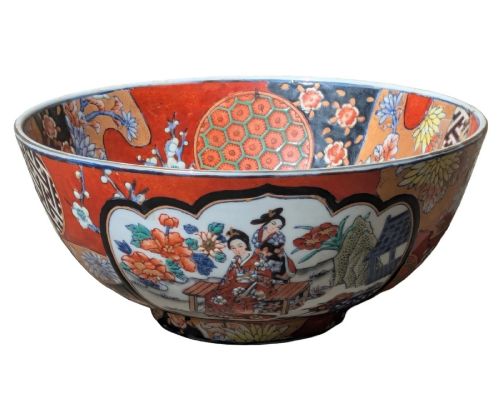
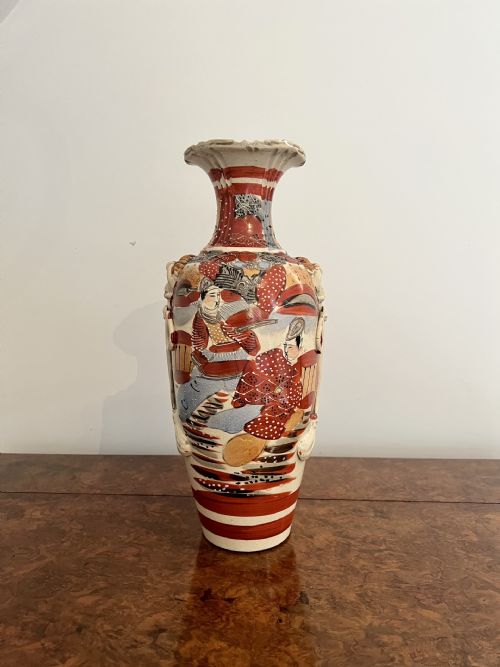
A traditional japanese ceramic vessel brings hand-painted pottery and porcelain into a room, offering centuries of East Asian artistry for everyday display.
Traditional Japanese Ceramic Vessel
A traditional japanese ceramic vessel encompasses bowls and vases produced across the late nineteenth and early twentieth centuries, spanning the Meiji and Showa periods. Buyers searching this phrase encounter decorative bowls and vases decorated in distinct regional styles.
The selections on this page feature Japanese Imari, Satsuma, and Kutani pieces, with Imari porcelain forming the core of the available items. These objects include both individual display items and matched pairs or larger collections.
Forms range from hexagonal shapes and scallop-edged bowls to large floor vases reaching seventy-six centimetres in height. Each piece reflects the aesthetic standards of its period of manufacture.
How they were made
Potters and ceramists shaped these vessels from porcelain and earthenware bodies before applying detailed painted decoration. Skilled hands shaped each piece on the wheel or in moulds before firing.
Makers utilised enamel colours, glaze, and gold leaf or gilding to finish the surfaces. The metallic accents highlight specific motifs within the painted designs of Imari, Satsuma, and Kutani wares.
Traditional Japanese Ceramic Vessel Retail Price Guide 2026
Typical asking prices for traditional japanese ceramic vessel among the pieces listed under this phrase on Sellingantiques today, from the lower quarter to the upper quarter. They describe what is for sale here now, not the wider market.
The listings span porcelain and earthenware, featuring materials like glaze, enamel, and gold leaf across the nineteenth and early twentieth centuries.
What varies in quality
The refinement of the painted brushwork and the precision of the enamel application distinguish finer examples from standard production. Superior vessels display complex, disciplined patterns executed with sharp control.
Scale and completeness also separate pieces, where large pairs and matched collections require greater technical achievement in firing and design continuity than single small items.
The Traditional Japanese Ceramic Vessel Glossary
- Imari
- A style of Japanese porcelain originating from the port of Imari, traditionally decorated in underglaze blue and iron red with added gold. This aesthetic appears frequently on bowls and vases from the Meiji and Showa eras.
- Kutani
- A style of Japanese coloured porcelain and pottery known for vibrant enamel palettes and pictorial designs. Kutani wares often incorporate dense, intricate patterns across the surface.
- Satsuma
- A type of Japanese earthenware featuring a crackled ivory glaze decorated with enamels and gilding. Satsuma pottery typically depicts figurative and natural scenes.
- Meiji Period
- The period of Japanese history spanning from 1868 to 1912, noted for a surge in decorative arts produced for international export. Pieces from this era often display high technical ambition.
- Gilding
- The application of gold leaf or gold powder to the surface of a ceramic vessel. This technique accentuates specific decorative details and adds warmth to the design.
Traditional Japanese Ceramic Vessel: Frequently Asked Questions
What is a traditional japanese ceramic vessel?
A traditional japanese ceramic vessel is a decorative bowl or vase produced in porcelain or earthenware, typically decorated with hand-painted glazes, enamels, and gold leaf.
These objects include Imari, Satsuma, and Kutani wares created during the nineteenth and early twentieth centuries for domestic use and international export.
How were these vessels used?
These ceramic pieces functioned primarily as ornamental items for display within domestic interiors, holding flowers or standing alone as focal points on furniture.
Larger vases were placed on the floor or prominent pedestals, whilst smaller bowls and hexagonal vases sat upon tables and cabinets.
How do I care for my vessel?
Clean these delicate ceramics gently using a soft, dry cloth to remove dust without disturbing the surface enamels or delicate gold leaf details.
Avoid submerging antique pieces in water or using harsh chemical cleaning agents, as moisture can penetrate unglazed areas or older ceramic bodies.
How do I identify Meiji period pieces?
Meiji period vessels date from between 1868 and 1912, aligning with the reign of Emperor Meiji and representing an era of prolific artistic export.
Look for distinctive decorative motifs, high-fired porcelain bodies, and the characteristic richness of Imari, Kutani, or Satsuma palettes associated with this timeframe.