


Orange Imari Vase
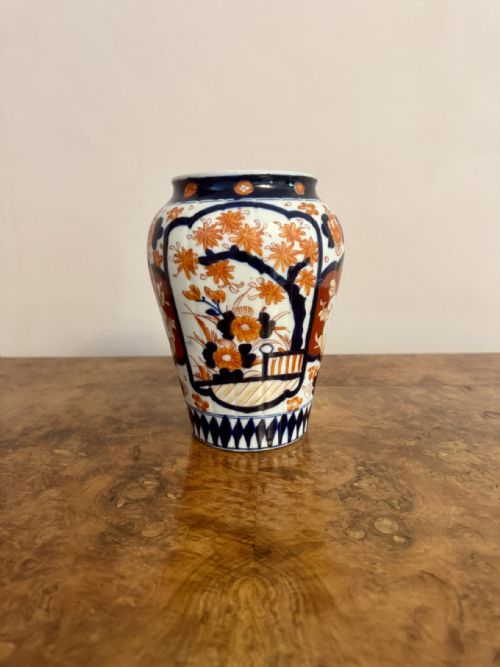
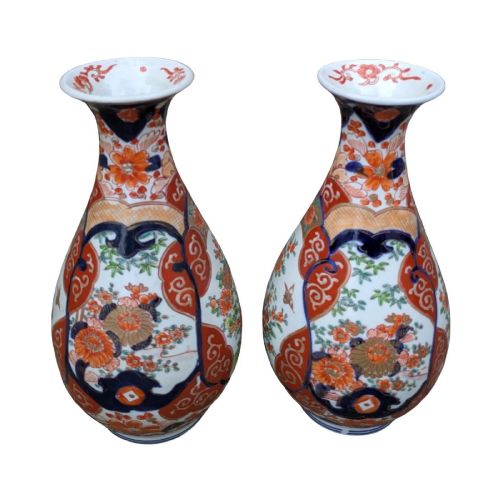
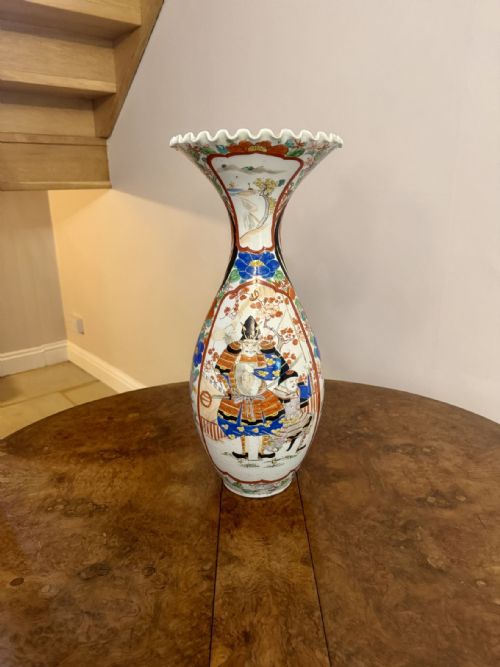
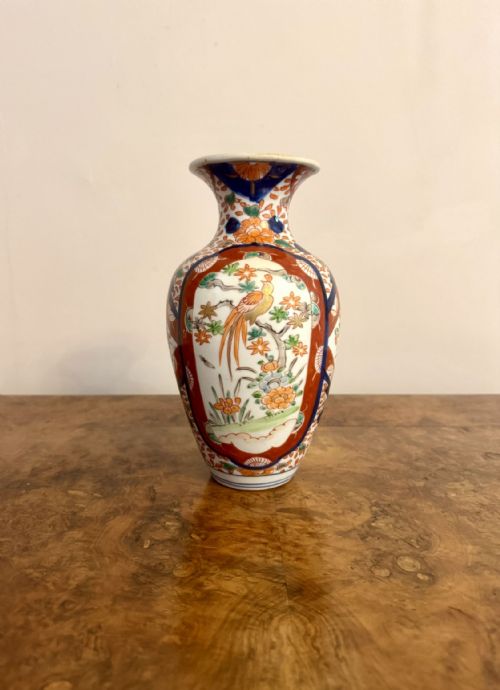
An orange imari vase brings rich iron-red porcelain, cobalt blue and gold leaf together to anchor a room.
Orange Imari Vase
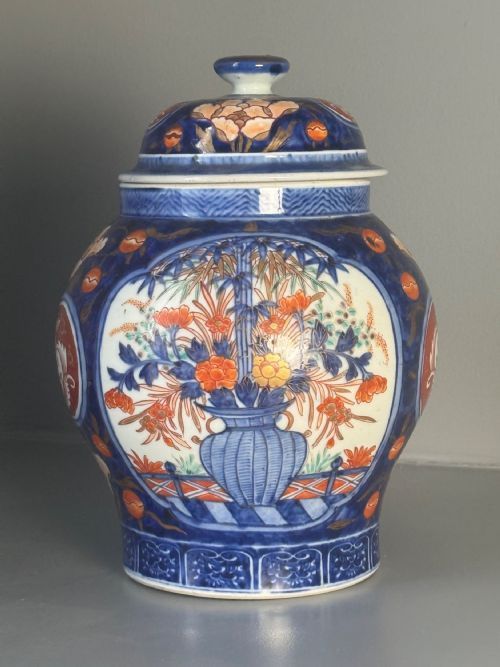
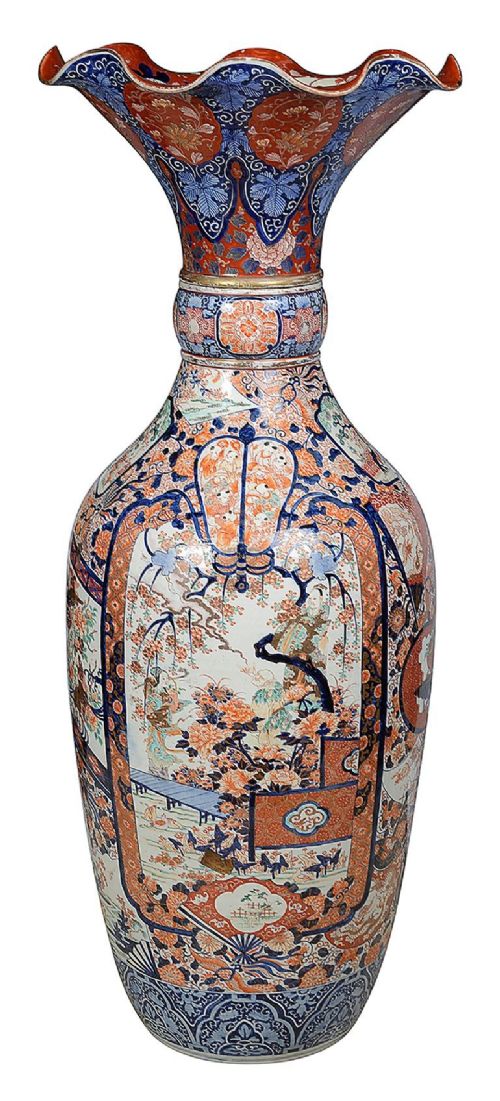
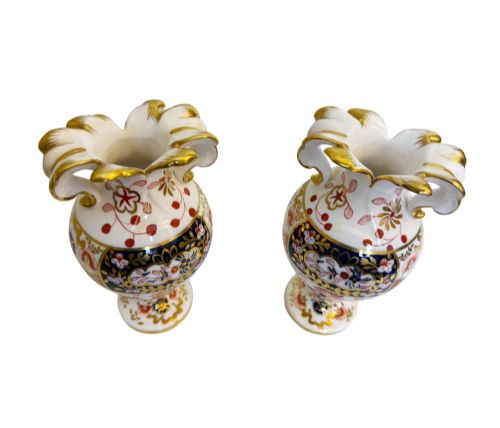
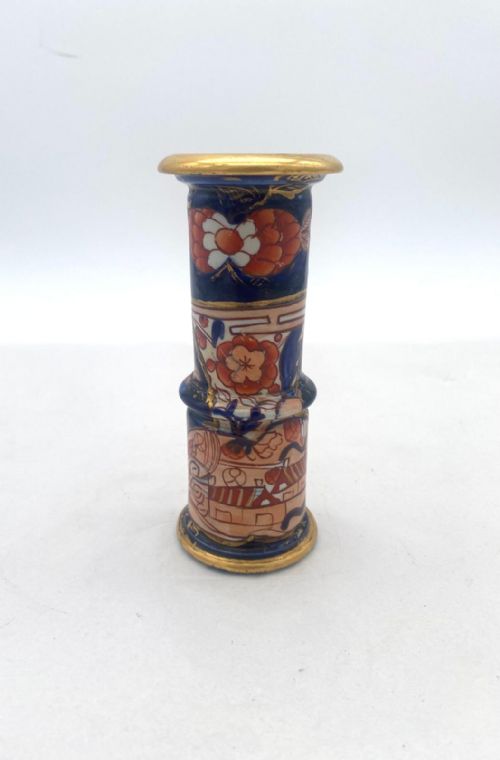
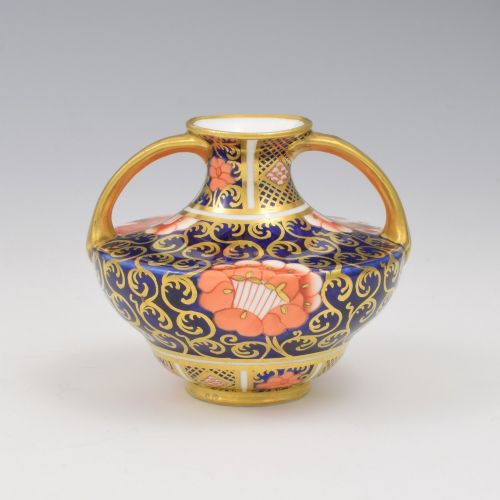
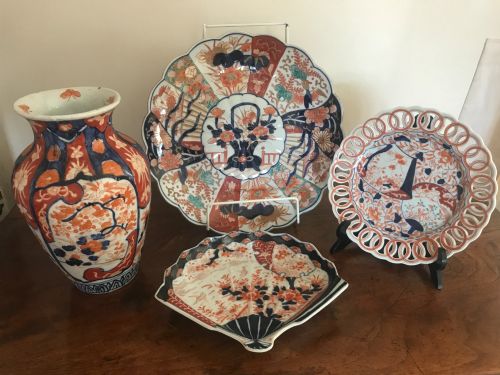
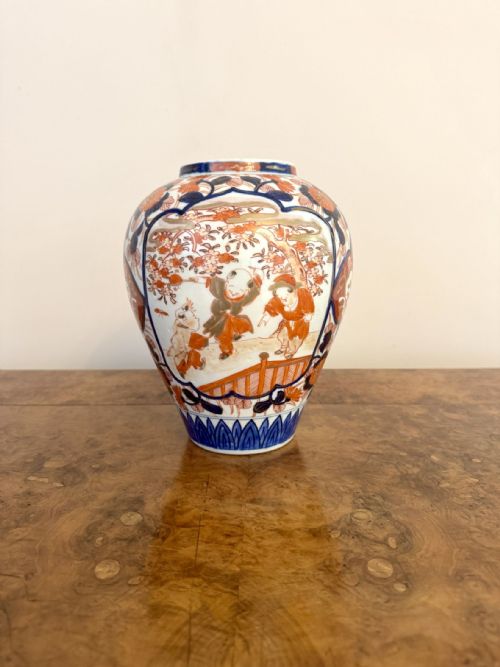
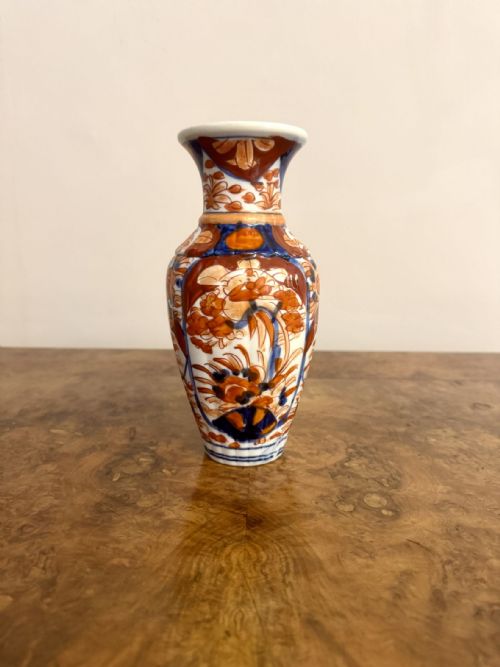
When you search for an orange imari vase, you encounter pieces that span centuries, originating primarily from Japanese workshops as well as English factories imitating the aesthetic. The examples found here range from modest spill vases to large floor-standing vessels and covered ginger jars.
Japanese Meiji period production dominates the selection, alongside earlier Edo pieces and later Edwardian British interpretations. Forms vary from simple bottle shapes and double gourds to octagonal baluster vessels and twin-handled urns.
Buyers look for these ceramics to introduce traditional palettes and intricate painted detail into domestic spaces. The most frequent encounters on this page are late nineteenth-century Japanese porcelain pieces featuring characteristic iron-red enamels.
Materials and technique
The foundation of these objects is hard-paste porcelain or ironstone, shaped by hand or on a wheel before initial firing. Artisans then applied underglaze cobalt blue and overglaze enamel colours, frequently incorporating gold leaf or gilt highlights.
Kiln firing fused the mineral pigments to the glaze, creating a durable glossy surface that protected the detailed patterns. Lidded jars, vases and urns often underwent multiple firings to set the complex blue, white and orange palette.
One cheerful nineteenth-century potpourri vessel arrived bearing the wonderful pattern name 'Crazy Cow'.
Measures of quality
Quality rests in the crispness of the hand-painted decoration and the depth of the iron-red and gilt pigments. Finer examples display precise brushwork that defines complex floral and geometric panels without blurring or pooling.
The weight of the porcelain and the symmetry of thrown or moulded shapes also distinguish finer production. Superior pieces retain intact gilding and well-fitted covers that sit flush with the rim of the body.
Royal Crown Derby·Spode·Minton·Mason
The Orange Imari Vase Glossary
- Imari
- A style of Japanese porcelain originating from the port of Arita, traditionally decorated in underglaze blue, iron-red enamel and gold. The aesthetic became widely copied by European potteries during the eighteenth and nineteenth centuries.
- Meiji Period
- The era in Japanese history lasting from 1868 to 1912, known for a surge in export ceramics and highly detailed decorative arts. Pieces from this time often feature elaborate hand-painted panels.
- Baluster
- A vase form with a rounded body that tapers toward the base and swells near the lower centre. This shape provides stability and a generous surface for decorative motifs.
- Gilt
- A thin layer of gold applied to the surface of the porcelain as a decorative accent. It catches the light and outlines primary painted panels.
- Ginger Jar
- A wide-mouthed storage vessel with a rounded shoulder and a matching cover, originally used for spices and later adapted as an ornamental ceramic form.
Orange Imari Vase: Frequently Asked Questions
How old is my imari vase?
Dating relies on stylistic markers, paste characteristics and export history. Nineteenth-century pieces often show specific Meiji period motifs or Victorian registration marks.
Later Edwardian versions reflect renewed European interest in Asian porcelain forms. Comparing the weight and the clarity of the enamel helps narrow the decade.
Are these vases waterproof?
Most antique porcelain vessels hold water safely due to their glazed interior surfaces. However, fragile gilding and older enamel work warrant careful handling.
Using a discreet inner liner protects the antique glaze from mineral deposits and moisture damage over time.
How do I display an imari vase?
These pieces command attention on sideboards, mantelpieces or dedicated pedestals where natural light catches the gilt highlights. Their bold palette pairs well with neutral backgrounds that let the intricate patterns stand out.
Pairing matching vessels as a garniture creates symmetry in larger rooms.
What is the difference between Japanese and English imari?
Japanese originals typically feature native clays and characteristic Arita kiln traits, often dating from the Edo or Meiji periods. English versions are produced by domestic potteries utilising ironstone or soft-paste porcelain.
British interpretations adapt traditional motifs to European shapes like tea urns and potpourri jars.