
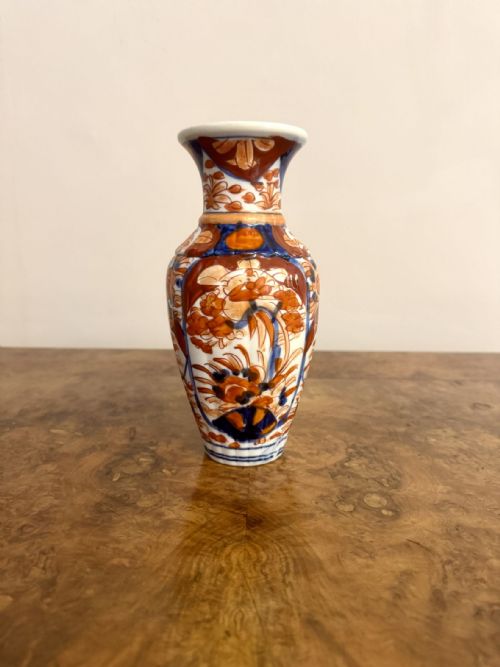
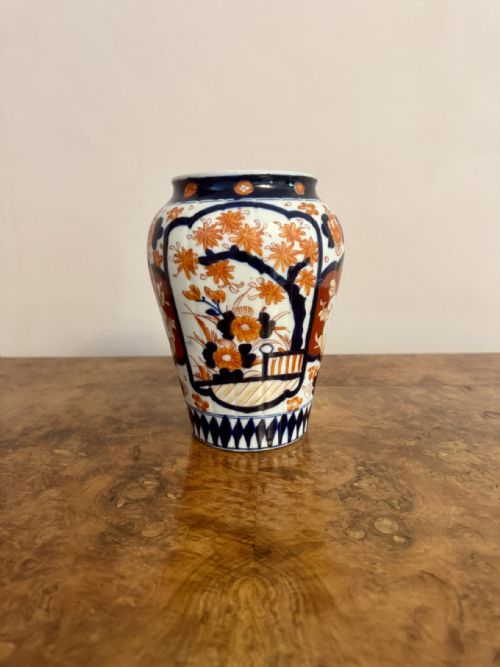
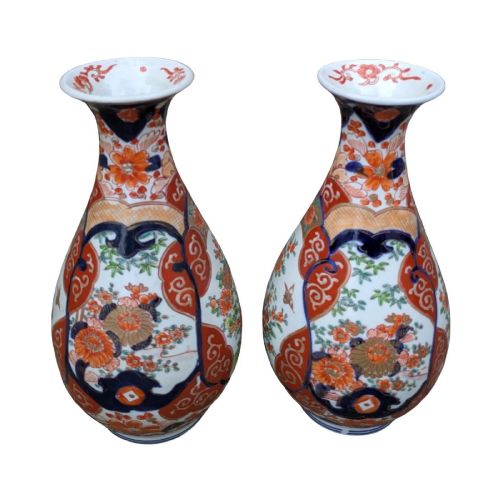
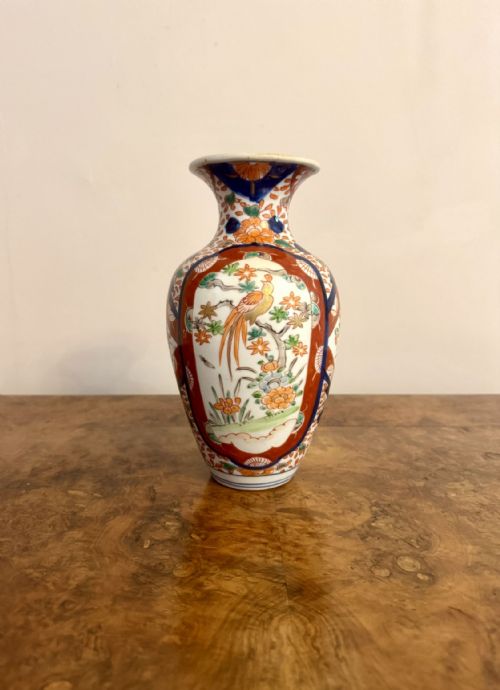
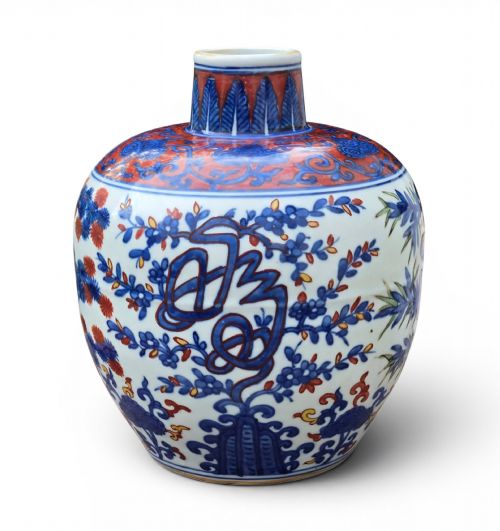


Blue and Red Ceramic Vases
These blue and red ceramic vases bring together rich cobalt underglazes and iron-red overglazes, offering a bold palette that catches the eye in any room.
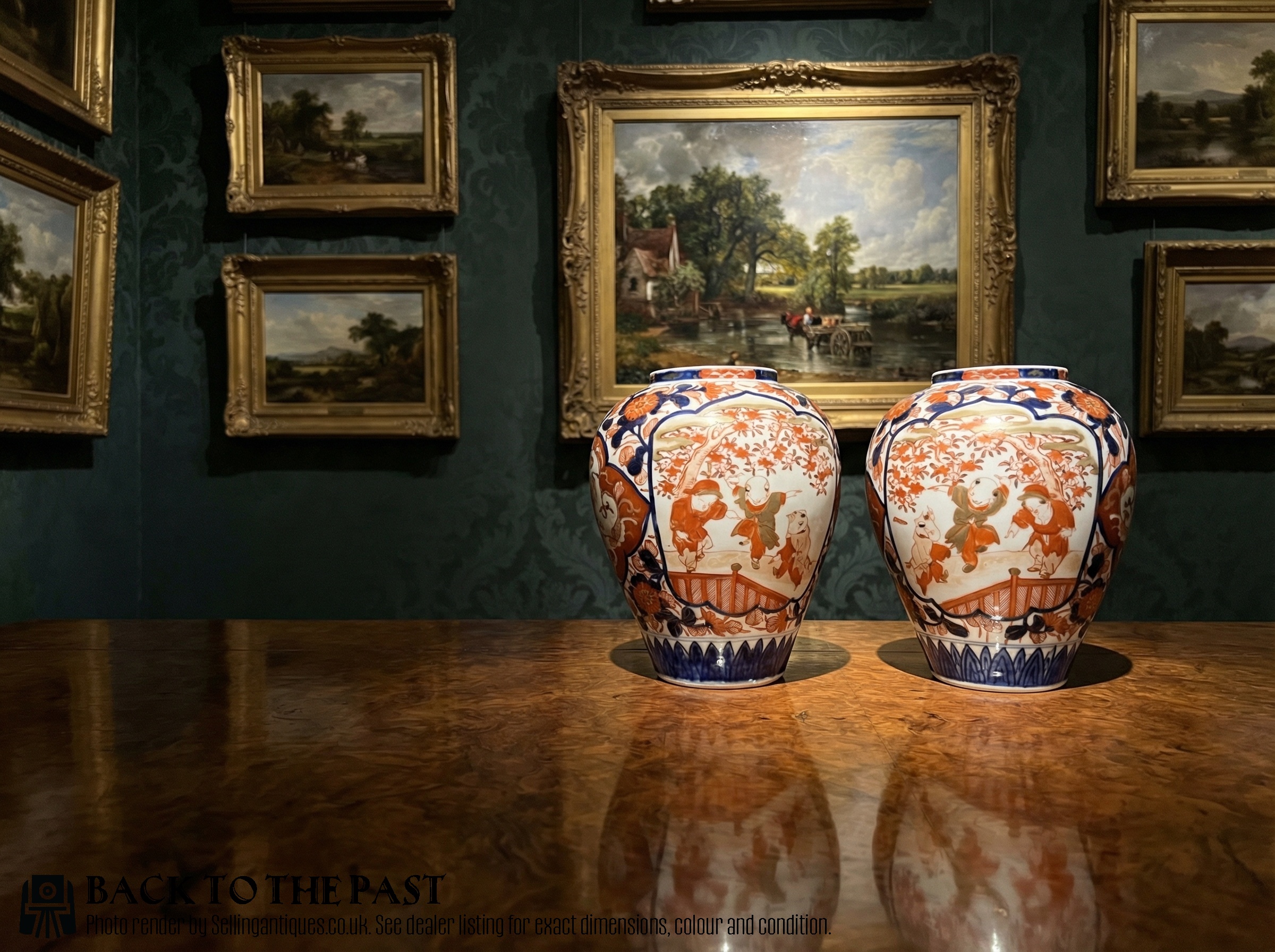
Blue and Red Ceramic Vases
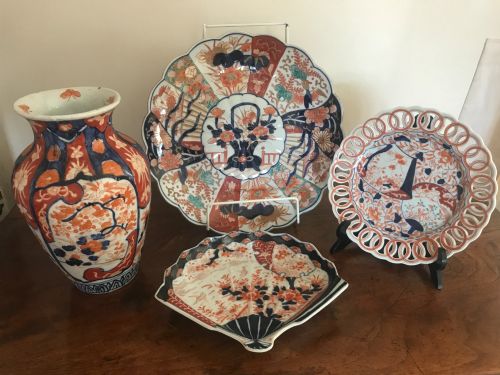
Blue and red ceramic vases encompass distinctive pieces shaped by centuries of ceramic tradition, uniting deep cobalt tones with vibrant red iron pigments. When searching this phrase, a buyer encounters a strong representation of Japanese Imari wares alongside Chinese porcelains and European interpretations.
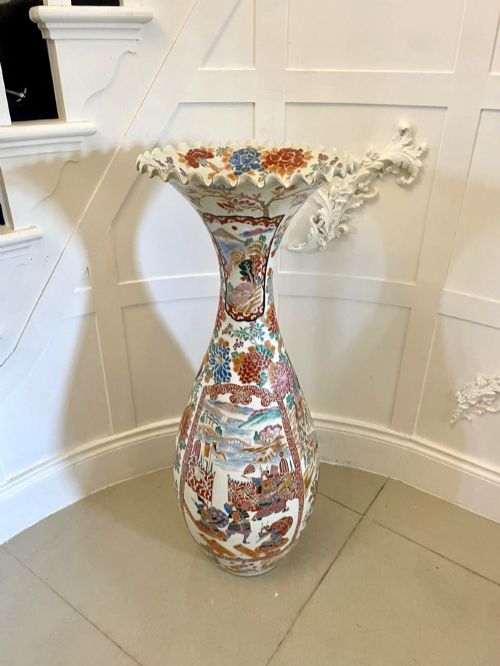
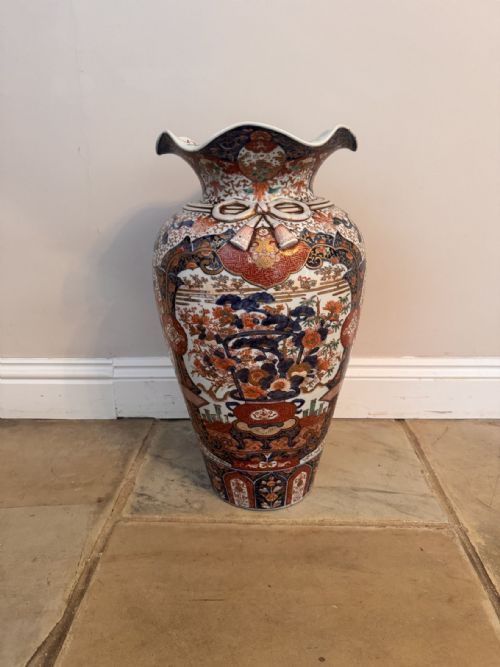
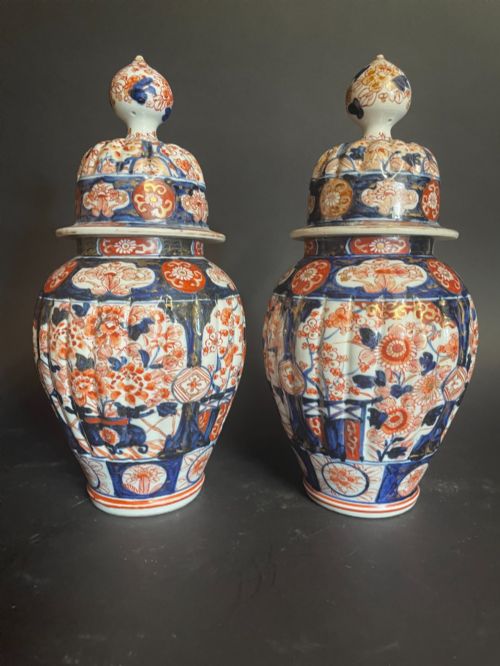
The selections span distinct periods, drawing heavily from late nineteenth-century Meiji production, Edo examples, and nineteenth-century manufacturing. Forms range from floor-standing vessels and ginger jars to covered baluster shapes and slender neck vases.
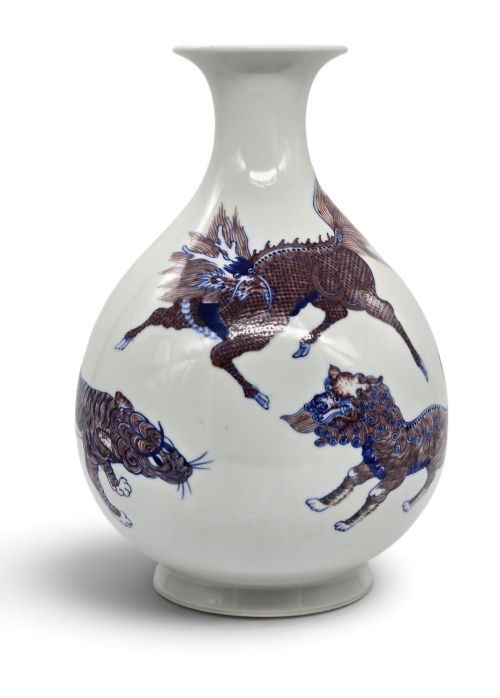
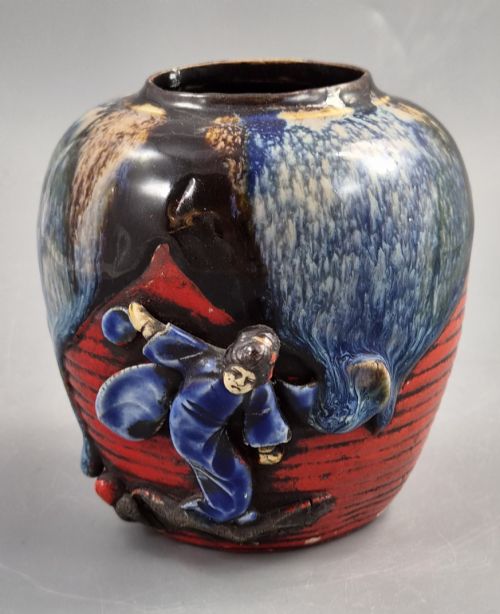
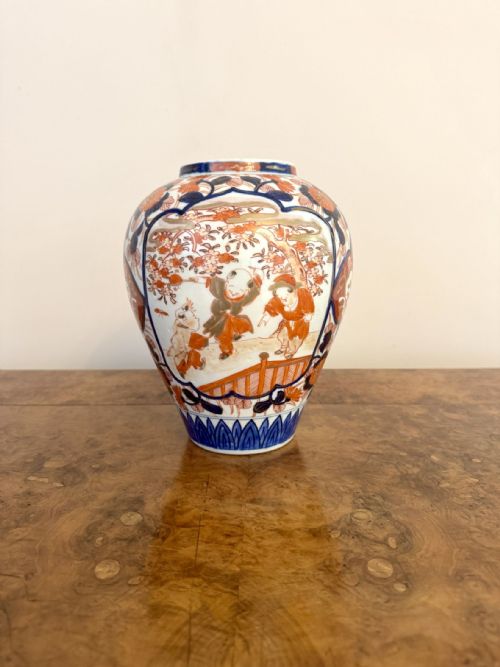
Japanese Imari pieces dominate the offerings, showcasing characteristic iron-red and underglaze blue colour schemes often enriched with gilt accents. Alongside these, items such as Chinese garlic-mouth vases and Sumida Gawa pottery appear to reflect diverse regional techniques.
Materials and construction
Potters built these vessels using fine porcelain or ironstone, shaping clay bodies before applying intricate underglaze blue decoration. Artisans then layered iron-red pigments and occasionally gold leaf or gilding over the glaze before a secondary firing fixed the palette.
Certain sculptural vessels incorporated applied figures and textured flambé glazes to create tactile surfaces alongside painted motifs. Kiln methods varied from traditional East Asian wood-firing traditions to later nineteenth-century commercial production techniques.
Some Sumida Gawa vases feature small clay figures physically climbing up the side, as if attempting to escape the glaze.
Factors that distinguish quality
Quality rests on the precision of the brushwork and the clarity of the cobalt blue beneath the glaze. Superior examples display balanced composition, crisp hand-painted details, and carefully applied iron-red enamel that remains vibrant and stable across the ceramic surface.
The depth and brilliance of any accompanying gilding or enamel work further separate standard production from exceptional pieces. Heavier potting, well-proportioned forms, and deliberate execution in mould-shaping or hand-modeling distinguish the finer vessels in this field.
The Blue and Red Ceramic Vases Glossary
- Imari
- A style of Japanese porcelain originating from Arita, traditionally decorated in cobalt blue, iron-red, and gold. This palette became immensely popular across Europe during the seventeenth and eighteenth centuries.
- Underglaze
- A method of decorating pottery where pigments are applied to the unfired ceramic body before glazing and firing. This protects the design beneath a clear glassy surface.
- Garniture
- A set of matching vases or jars designed to be displayed together on a mantelpiece or sideboard. These sets typically consist of three or five graduated pieces.
- Baluster
- A vase shape with a rounded body that tapers toward the base and swells outward near the lower section. The profile mimics architectural balusters found on staircases.
- Flambé glaze
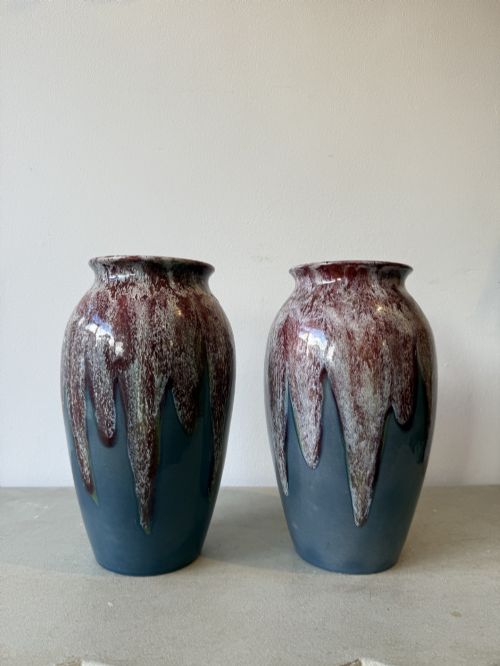
- A streaked or mottled glaze achieved through complex chemical reactions in the kiln, producing dramatic colour transitions. It often combines deep blues, reds, and purples.
Blue and Red Ceramic Vases: Frequently Asked Questions
How do I date a Japanese Imari vase?
Dating relies on examining the clay body, the weight of the porcelain, and the specific shades of the iron-red and cobalt pigments. Earlier pieces often display a slightly greyish porcelain body with softer underglaze tones, while late nineteenth-century Meiji examples exhibit brighter colours and sharper standardisation.
Fleur-de-lis marks or European collector stamps can also provide clues, alongside stylistic shifts in the painted floral and panel motifs.
Where were Imari vases made?
True Imari ceramics were produced in and around the town of Aritafrom the Edo period onward, taking their name from the port of shipment. Artisans shipped the finished wares across Japan and eventually to European export markets.
Later European potteries subsequently copied these distinctive red and blue designs, creating their own interpretations of the style.
How should I display a large floor vase?
Floor-standing vessels require stable placement away from high-traffic areas to protect their ceramic bodies from accidental knocks. Positioning them in corners or empty alcoves allows the height and painted details to draw the eye without cluttering the room.
Keeping them out of direct sunlight preserves the vibrancy of the iron-red enamel and any accompanying gilding over the years.
What is a ginger jar?
Ginger jars originally served to transport and store spices, herbs, and salt rather than the root specified by their later Western name. Their rounded bodies and fitted lids made them practical containers for merchant trade before collectors prized them for their decorative presence.
Antique examples now function purely as ornamental vessels, often displayed in pairs or as part of larger matching garnitures.