



Vintage Imari Pattern Vase
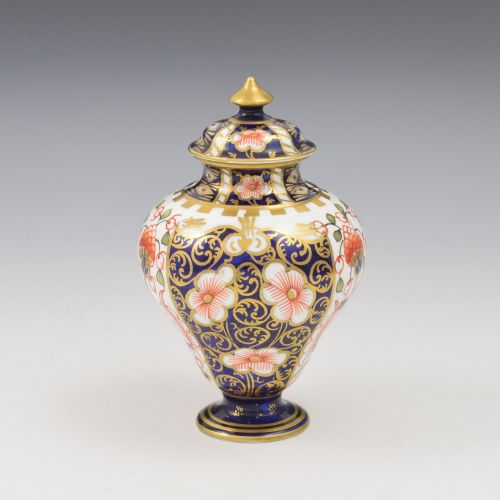
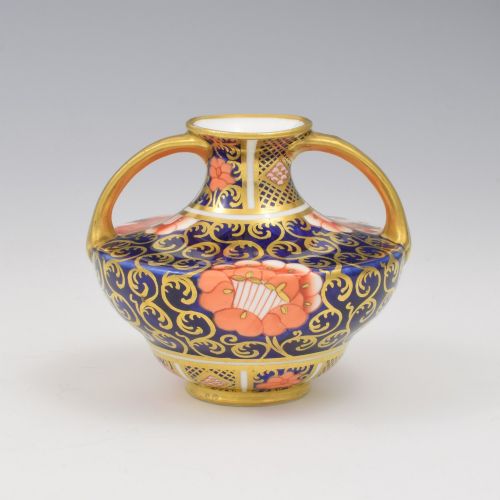
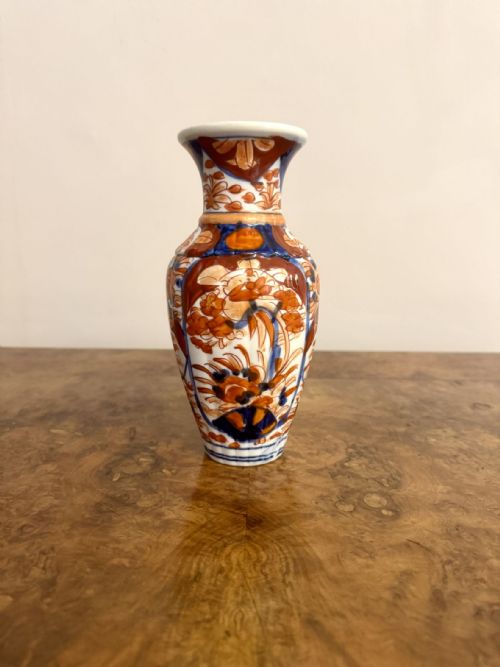
These vintage imari pattern vase examples bring rich iron-red, cobalt blue and gold leaf decoration to a room, drawing on centuries of ceramic tradition.
Vintage Imari Pattern Vase
A vintage imari pattern vase presents a distinct palette of deep cobalt blue, iron-red and gilt highlights, referencing a style of decoration that originated in Japan and was later adopted by British potteries. When searching for a vintage imari pattern vase, buyers encounter both imported Japanese pieces from the Meiji and Edo periods and English interpretations produced by factories such as Royal Crown Derby and Mason's.
The forms range from large decorative urns and pot pourri jars with covers to miniature twin-handled vessels and table lamps. Japanese examples often display traditional motifs of bamboo, fences and birds, while British iterations apply the characteristic colour scheme to bone china, porcelain and ironstone.
Dating spans from the eighteenth century through the nineteenth and twentieth centuries, capturing shifts in both Asian export wares and British revival periods. The Edwardian and Victorian eras contributed numerous smaller decorative vases and miniature vessels to this tradition.
Materials and manufacture
Makers utilised porcelain, bone china, ceramic and ironstone as the structural body for these vessels, applying heavy glaze and enamel before finishing details in gold leaf and gold gilding. The base material determines the weight and density of the object, with ironstone offering a robust, heavy earthenware body and porcelain providing a finer, more translucent wall.
The signature palette relies on underglaze cobalt blue combined with overglaze iron-red enamel and hand-applied gilding, requiring multiple firings in a kiln to fix the colours. Artisans painted intricate panels, floral motifs and geometric borders by hand, ensuring that no two decorative schemes match precisely.
Vintage Imari Pattern Vase Retail Price Guide 2026
Typical asking prices for vintage imari pattern vase among the pieces listed under this phrase on Sellingantiques today, from the lower quarter to the upper quarter. They describe what is for sale here now, not the wider market.
Materials recorded across the inventory include porcelain, bone china, ironstone, enamel, glaze, gold leaf and gold gilding.
Assessing quality and execution
The crispness of the hand-painted brushwork and the precision of the gilding separate standard production from superior examples. Finely executed pieces display rich, saturated enamel colours without running or bleeding into the surrounding glaze.
The handling of the form, particularly on larger vessels and lidded pots, dictates the distinction at the upper end of the range. Balanced proportions, crisp moulding on ironstone or porcelain bodies, and intact gold leaf elevate the visual impact of the piece.
Royal Crown Derby·Masons
The Vintage Imari Pattern Vase Glossary
- Imari
- A style of ceramic decoration originating in Japan, characterised by a palette of cobalt blue, iron-red and gold. British potteries subsequently adopted this aesthetic for bone china and ironstone.
- Ironstone
- A durable type of earthenware patented in the nineteenth century. It provides a heavy, opaque body well suited to colourful enamel decoration.
- Meiji
- A period in Japanese history spanning the late nineteenth and early twentieth centuries. Pieces from this era often exhibit intricate export painting.
- Enamel
- Opaque glass applied over the glaze of a ceramic vessel and fired at a lower temperature. It provides the vivid red and secondary colours in the pattern.
- Pot pourri
- A decorative vessel with a pierced cover designed to hold dried scented plant material. These containers often share the same decorative palette as standard vases.
Vintage Imari Pattern Vase: Frequently Asked Questions
Are these vases Japanese or English?
They can be either, as the imari palette was produced in both regions. Japanese examples from the Meiji and Edo periods were exported widely, while British factories like Royal Crown Derby and Mason's created their own interpretations on bone china and ironstone.
Examining the paste, weight and any factory marks on the underside helps determine the origin. British pieces often carry specific pattern numbers and maker stamps, whereas Japanese wares typically rely on decorative style and potting characteristics.
How do I display a large imari vase?
Position large vessels on stable surfaces away from direct sunlight and heavy foot traffic to protect them from accidental bumps. Because the colours are vibrant and complex, placing them against a neutral background allows the cobalt blue and iron-red tones to stand out.
Pairing a pair of matching vases on a mantelpiece or sideboard creates a balanced focal point in a room. Ensure the support surface can bear the weight, particularly with substantial nineteenth-century ironstone pieces.
What is ironstone pottery?
Ironstone is a heavy, dense ceramic developed in the nineteenth century as a durable alternative to porcelain. It combines clay, feldspar and slag to create a sturdy body that resists chipping.
Potteries used ironstone extensively for tableware and large decorative vessels because it accepted glazes and colourful enamel patterns readily. Pieces made from this material feel notably heavier than standard porcelain of the same size.