

Large French Chandelier
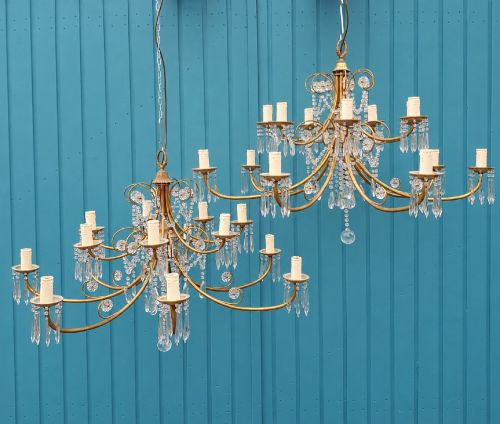
When sourcing a large french chandelier, you are looking at substantial statement lighting defined by nineteenth-century grandeur and early twentieth-century decorative forms.
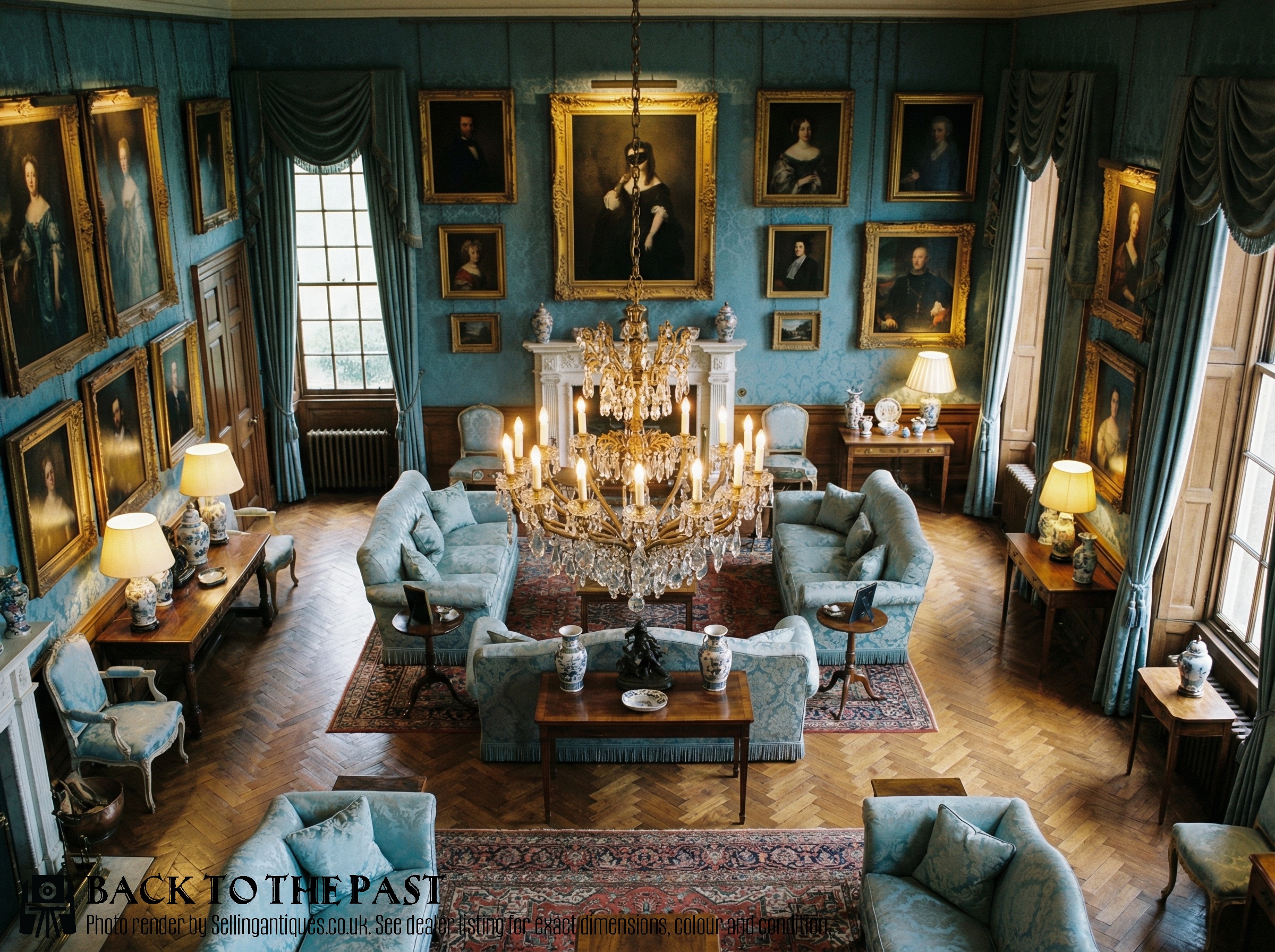
Large French Chandelier
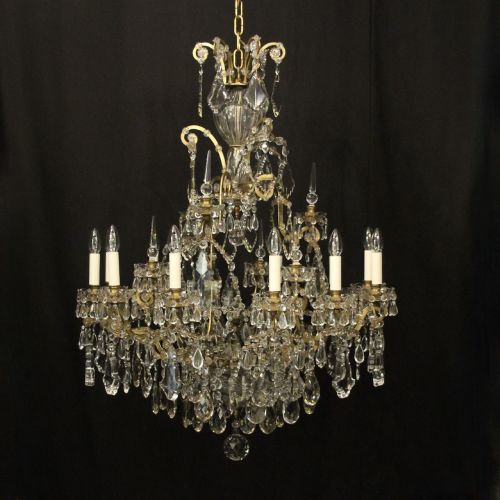
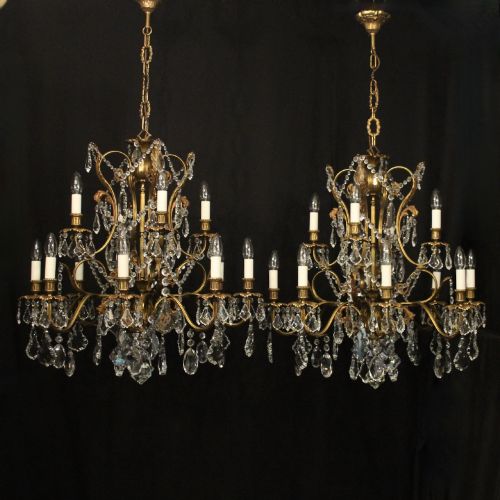
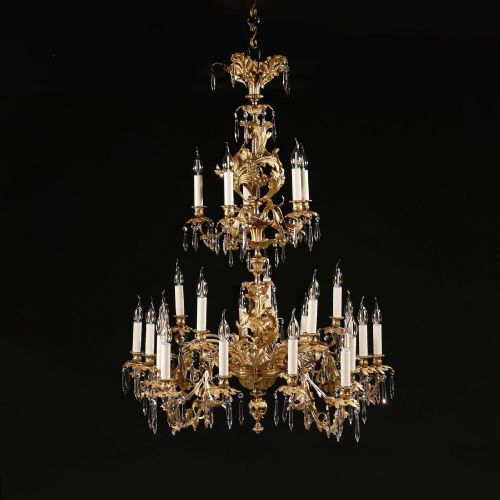
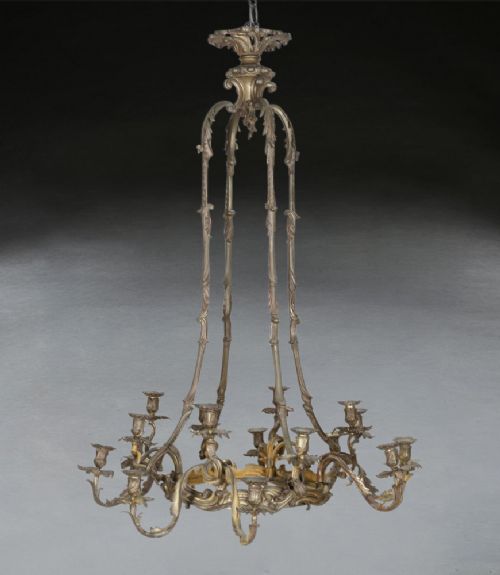
A large french chandelier encompasses grand ceiling lights, hall lanterns, and multi-tiered fixtures designed for high-ceilinged rooms and prominent reception spaces. The selection ranges from nineteenth-century gilt bronze and crystal creations to early twentieth-century brass, glass, and steel designs.
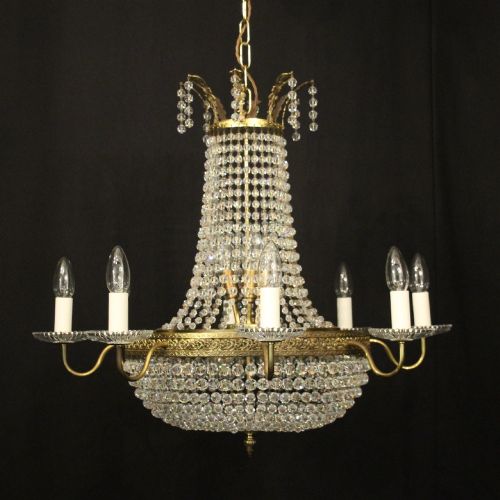
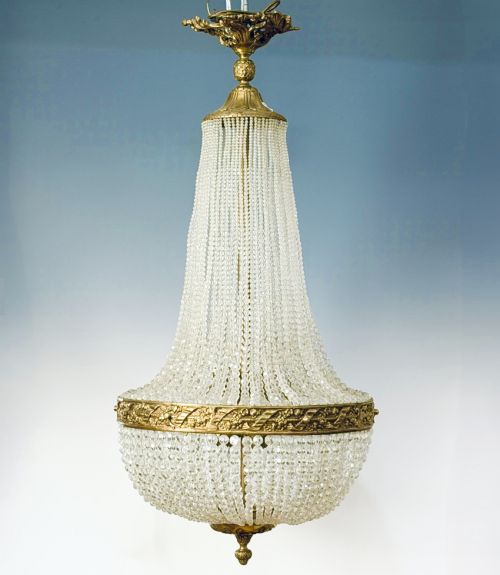
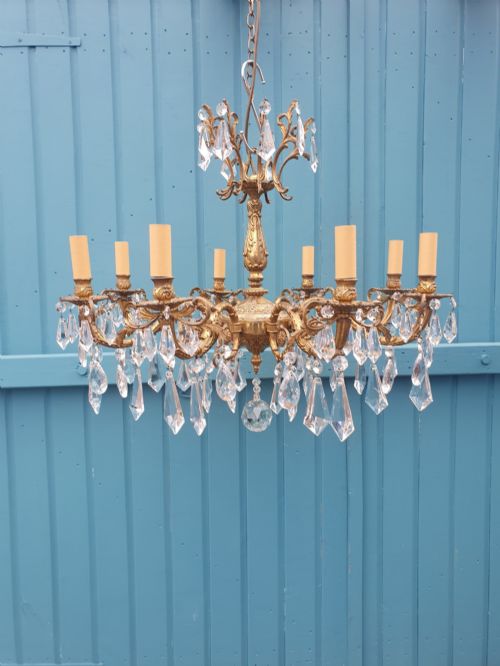
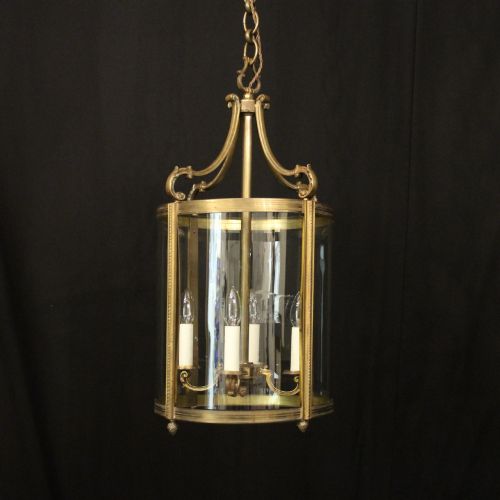
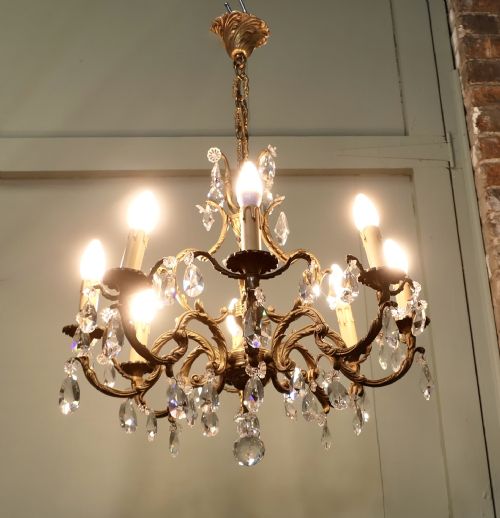
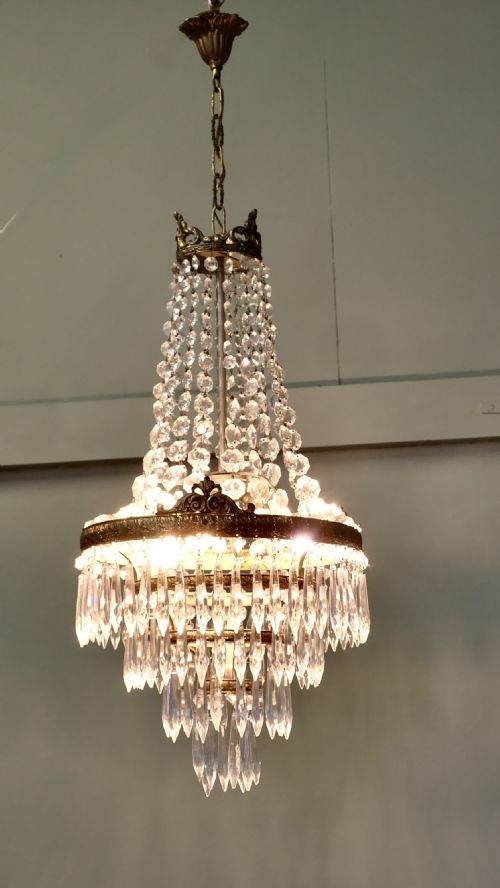
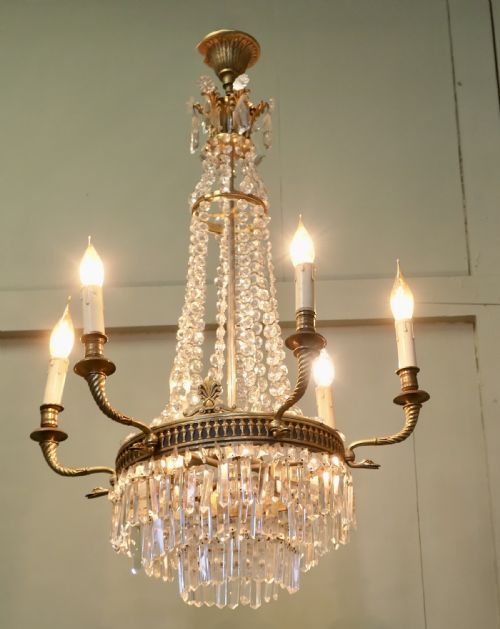
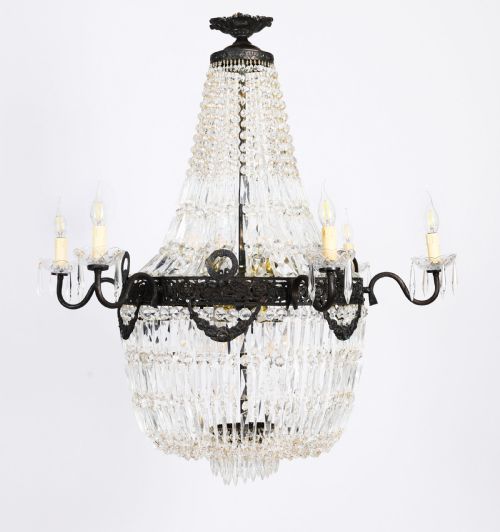
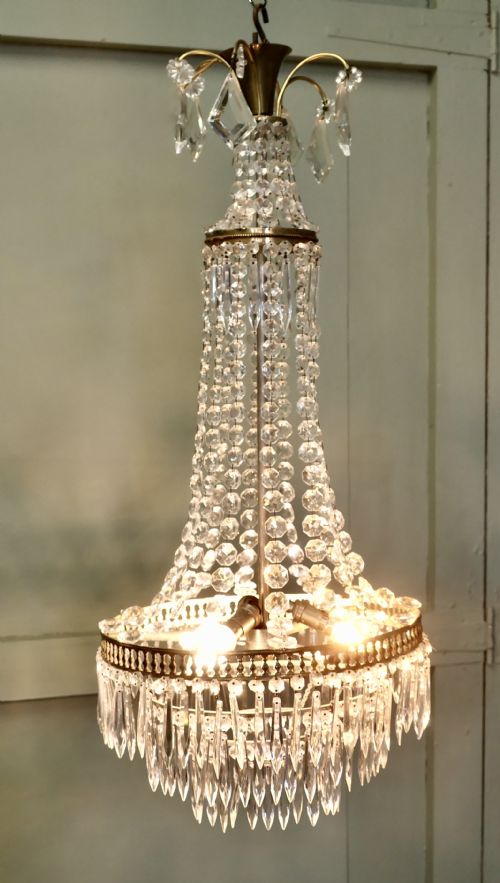
Buyers frequently encounter Empire style pieces featuring tent and waterfall configurations, alongside Louis XV and Rococo revival models heavy with glass drops and lustres. Hall lanterns and cage chandeliers in brass and bronze also feature prominently across the inventory.
Origins trace primarily to French ateliers and chateau interiors, spanning the nineteenth century through the Edwardian era and the 1930s. These fixtures served as central focal points in ballrooms, salons, and stair vaults.
Materials and Construction
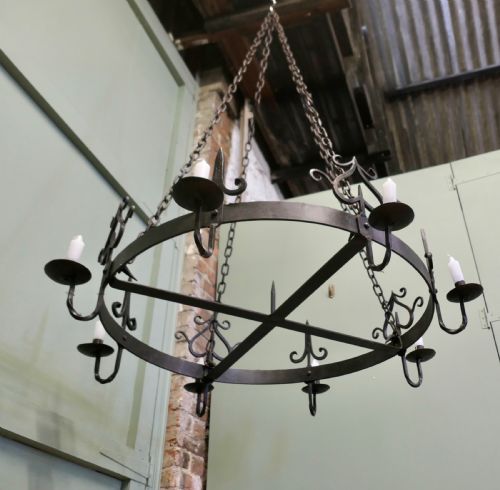
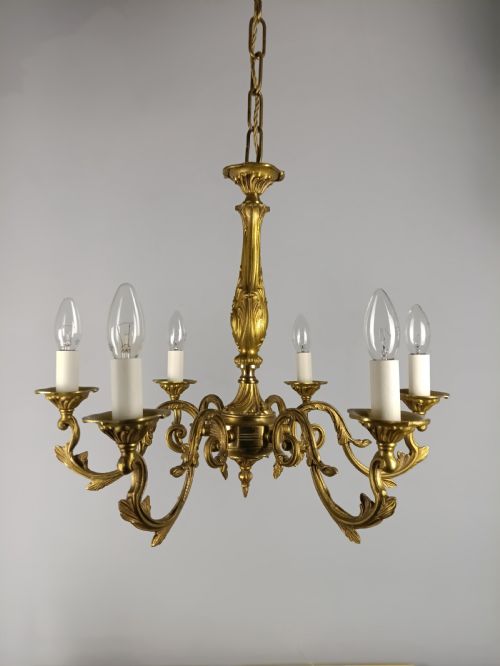
Foundational frames are constructed from cast brass, gilt bronze, gilded brass, steel, and wrought iron to support considerable weight. Metal components often display chased detailing, gilding, or patinated finishes.
Illumination is multiplied through extensive use of cut crystal, cut glass, lustres, beads, and bevelled glass panels. Individual elements are wired or pinned to the metal armature using traditional metal fixings and ties.
Large French Chandelier Retail Price Guide 2026
Typical asking prices for large french chandelier among the pieces listed under this phrase on Sellingantiques today, from the lower quarter to the upper quarter. They describe what is for sale here now, not the wider market.
Listings feature periods spanning from the 1800s through the 1930s, utilising brass, bronze, crystal, and wrought iron.
Assessing Quality and Execution
Quality rests in the weight and crispness of the bronze or brass casting, where finer examples display deeply chased ornamentation rather than soft detail. The density, cut, and clarity of the crystal drops also determine the caliber of the piece.
Complexity of construction distinguishes standard lighting from high-end salon pieces, seen in multi-tiered frames, double tiers of branch lights, and integrated glass bezels. The harmony between the metal armature and the arrangement of glass determines visual balance.
The Large French Chandelier Glossary
- Tent and waterfall
- A chandelier configuration where an upper conical section of beads drops down to a wider cascading fringe of crystal prisms. This arrangement maximises light refraction in formal rooms.
- Hall lantern
- An enclosed ceiling light featuring glazed sides set within a metal framework of brass, bronze, or iron. These pieces typically hang from a chain in entranceways and corridors.
- Gilt bronze
- Metal cast in bronze and treated with a layer of gold leaf or mercury gilding. It provides a warm, durable finish seen on high-status nineteenth-century frames.
- Lustre
- A cut glass or crystal pendant suspended from the arms or crown of a fixture. These droplets scatter light across the surrounding walls.
- Cage chandelier
- A style where the metal frame forms an open skeletal structure enclosed entirely by strings of crystals and glass drops. The central stem is often hidden behind dense arrangements of glass beads.
Large French Chandelier: Frequently Asked Questions
How do I hang a heavy chandelier safely?
Large multi-tiered fixtures require professional installation into structural ceiling joists using a heavy-duty ceiling hook and rose. The weight of bronze and crystal demands reinforced fixings to support the load securely.
Electrical wiring must be assessed by a qualified electrician, particularly when dealing with historic or rewired gasoliers. Ensuring the drop height suits the room proportions is equally vital for visual balance.
What rooms suit a large French chandelier?
These substantial fixtures require high ceilings and ample floor space to let the scale and light distribution function effectively. Grand dining rooms, entrance halls, and drawing rooms provide the appropriate architectural backdrop.
Placement should account for clearance beneath the lowest crystal drop, especially in high-traffic hallways or above dining tables where sightlines matter. Proportion remains the primary guide when positioning historic lighting.
How do I clean and maintain crystal lustres?
Routine maintenance involves gentle dusting with a soft cloth while the fixture hangs in place. For deeper cleaning, individual crystal drops can be removed, washed in warm soapy water, and dried thoroughly before reattachment.
Harsh chemical cleaners must be avoided to protect the gilt finish on bronze and brass frames. Regular inspection of the pin connections ensures crystal strands remain secure.
How do I date a French chandelier?
Dating relies on stylistic markers, metal composition, and assembly methods characteristic of specific periods. Nineteenth-century pieces often utilise heavy gilt bronze and gas conversion fittings, whereas 1930s examples lean towards streamlined brass or painted steel.
Cataloguing details such as the cut of the crystal and the wiring channels provide further chronological context. Comparing construction traits with verified period pieces helps establish an accurate timeframe.