

Traditional Bronze Chandelier
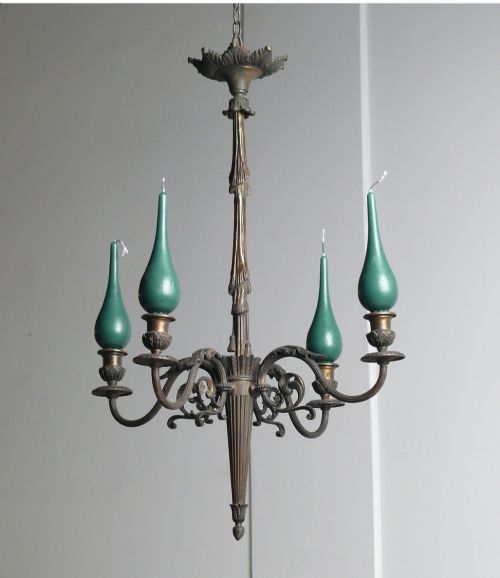
A traditional bronze chandelier brings weight and presence to a room through cast metal and historic form.
Defining traditional bronze chandeliers
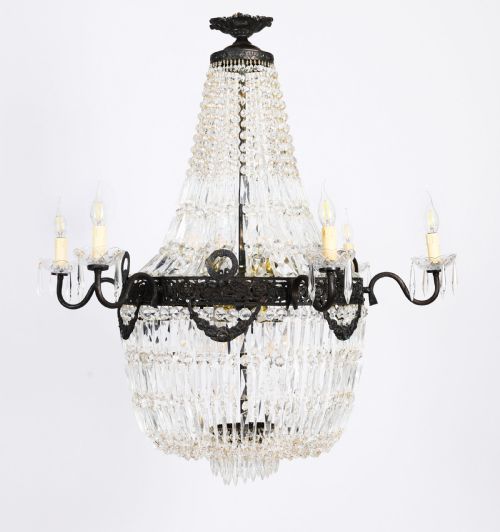
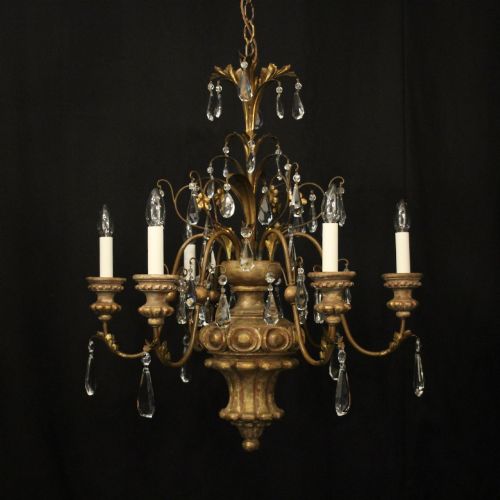
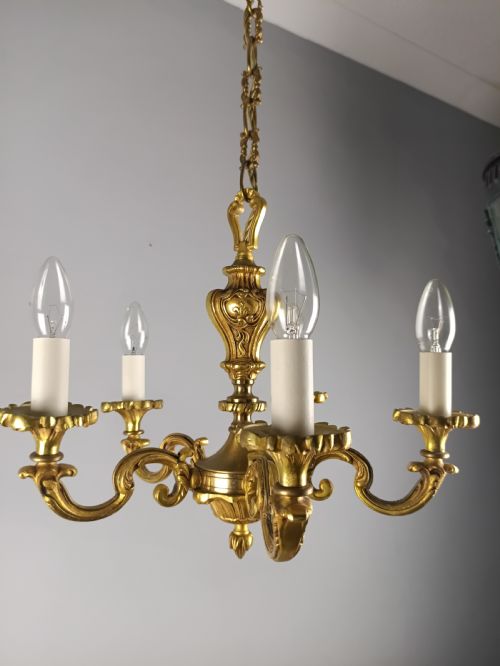
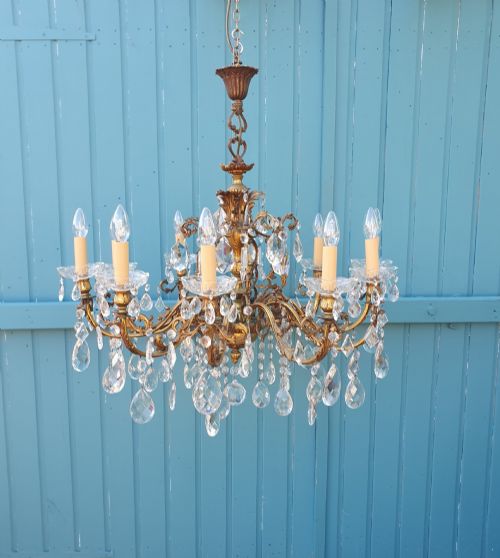
When you search for a traditional bronze chandelier, you look at lighting fixtures spanning the nineteenth century, the Edwardian era, and the nineteen-twenties. These pieces draw on French Rococo Revival, French Chateau, Neoclassical, Baroque Palladian, and Edwardian styles.
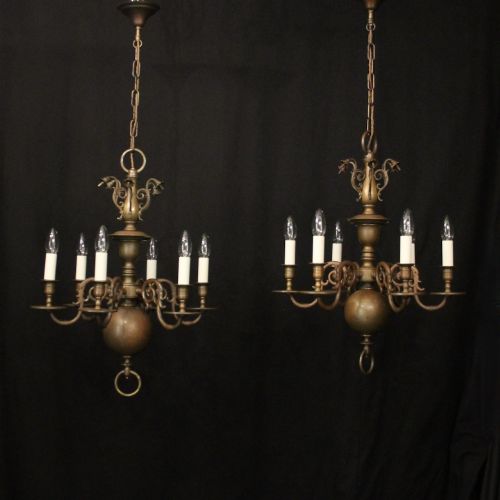
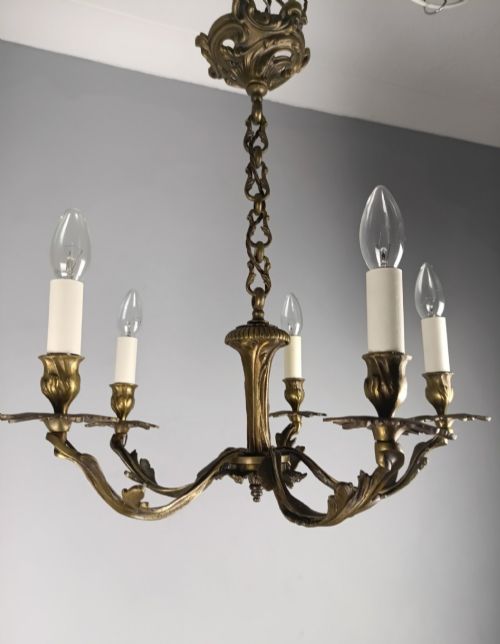
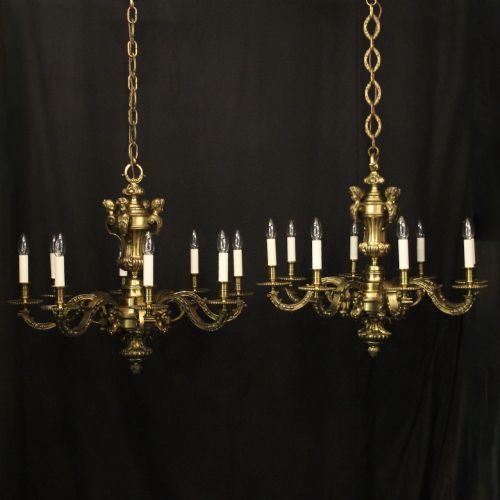
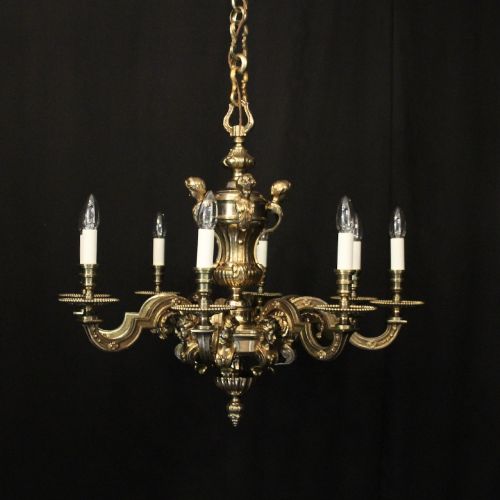
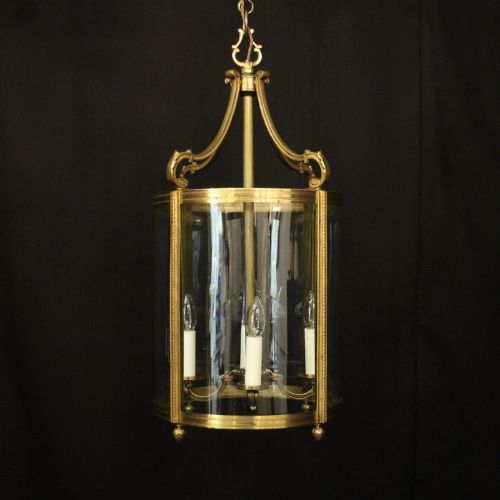
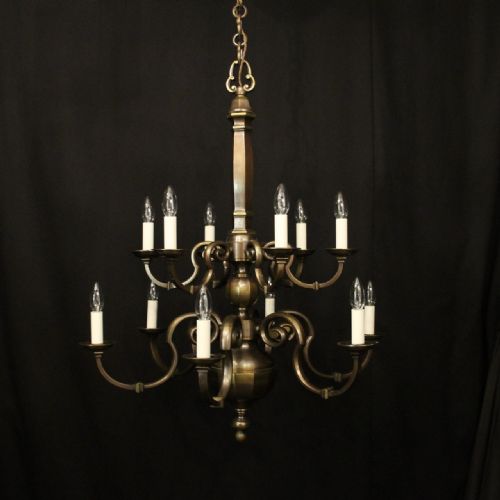
The most common versions on this page are French multi-arm fixtures dating from nineteen-twenty, featuring five, six, eight, thirteen, or eighteen lights. Edwardian examples also appear, including a heavy Baroque Palladian design and pieces attributed to G.E.C.
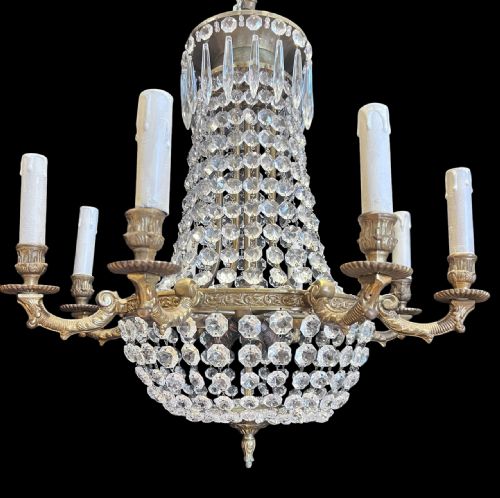
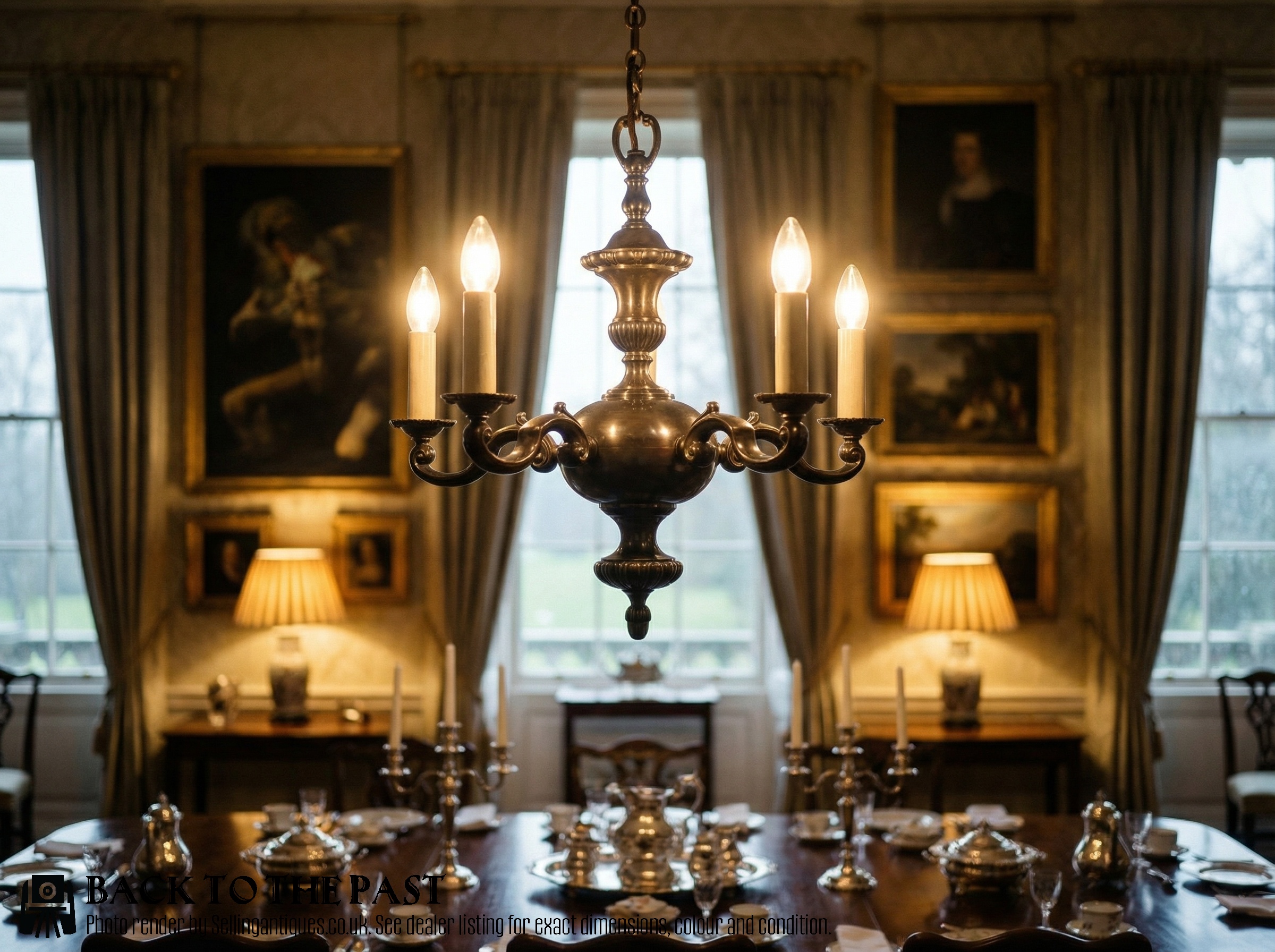
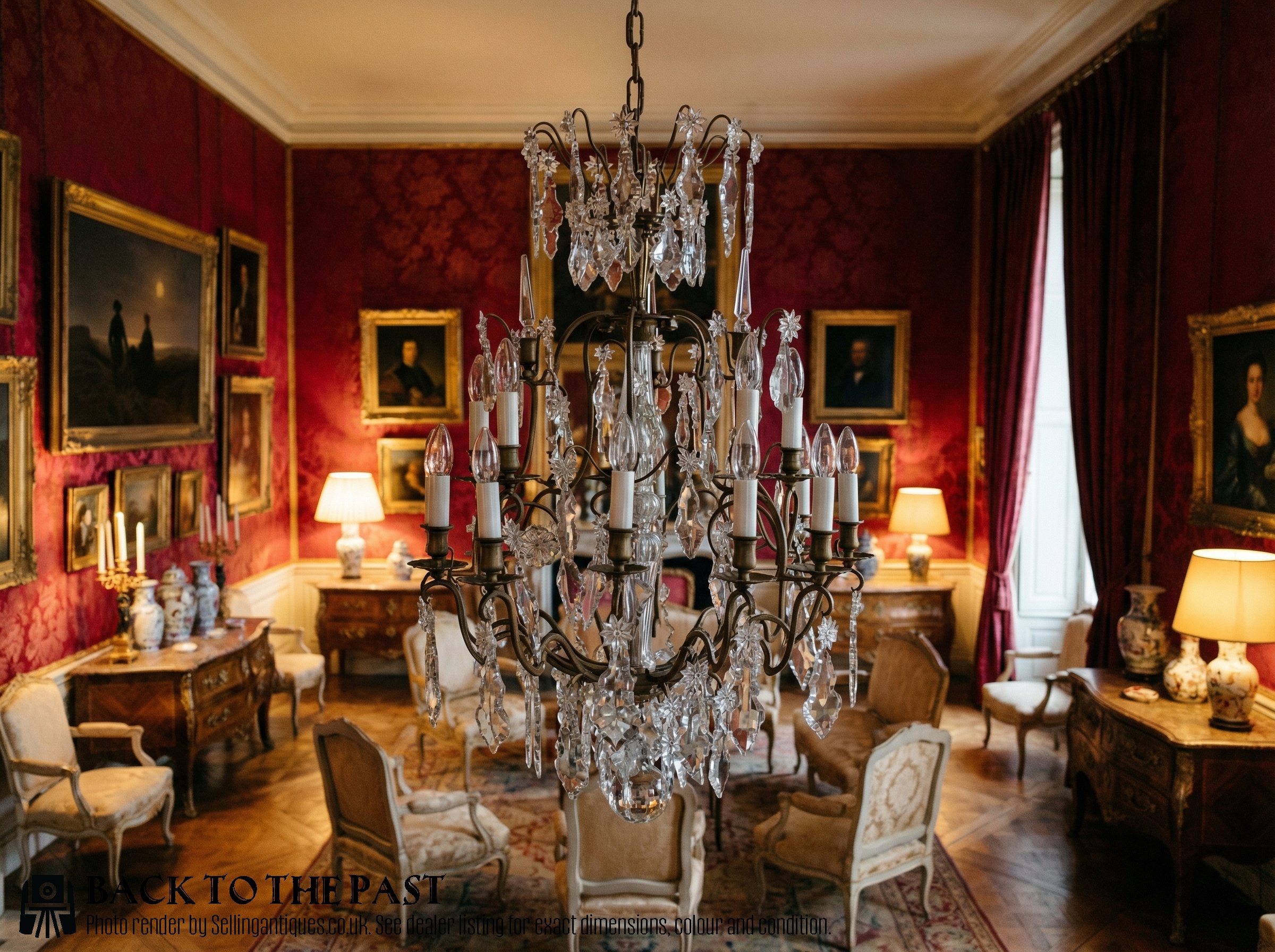
These grand ceiling fittings serve as central focal points in large rooms, combining historic metalwork with traditional candle-style arms and sometimes glass crystals.
Materials and construction methods
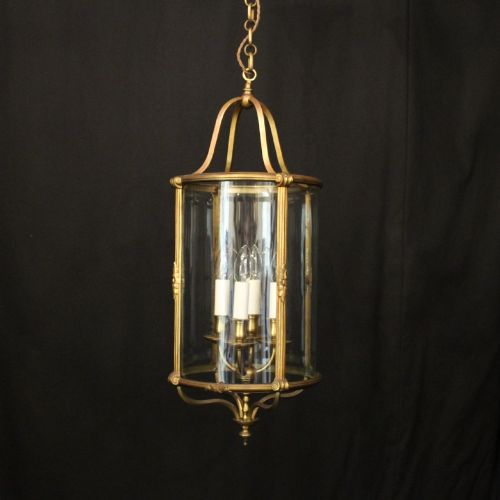
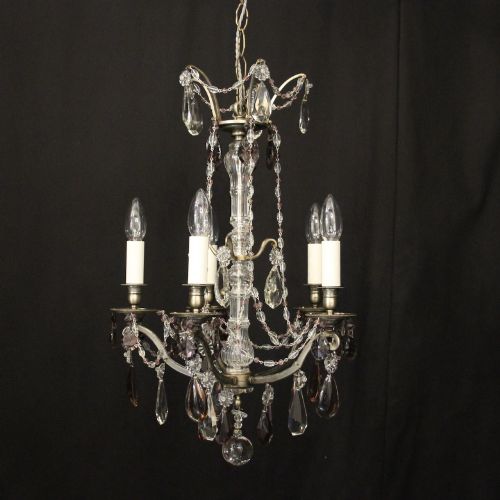
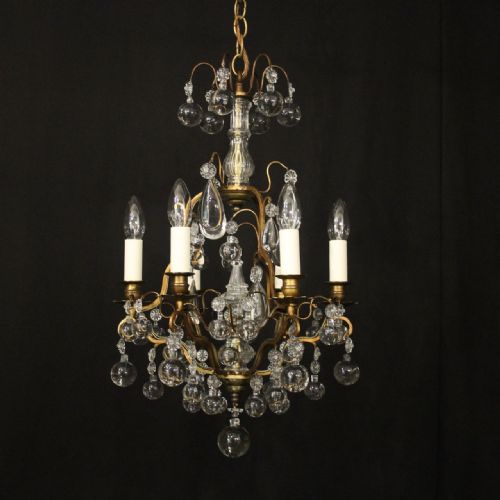
These fixtures utilise heavy cast bronze, gilded bronze, gilt bronze, bronzed brass, and standard brass or metal. Certain models incorporate frosted glass or glass crystals to catch and reflect the illumination.
Metal components are cast and joined to form multi-tiered frames and curving arms, ranging from five-light arrangements up to expansive eighteen-light double-tiered structures.
Retail Price Guide 2026
Typical UK retail prices for traditional bronze chandelier, calculated from the Sellingantiques database of over a million retail prices indexed since 2003. This retail price guide relies exclusively on Sellingantiques data; no external sources or auction records are used, so the figures do not describe the wider market.
Assessing quality and craftsmanship
Quality in these chandeliers rests on the heft of the metalwork and the crispness of the casting. Denser bronze and detailed chasing distinguish the superior pieces from simpler metalwork.
The presence of fire-gilding, integrated crystal drops, and complex multi-tiered framing separate standard production from exceptional French and Edwardian decorative lighting.
G.E.C
The Traditional Bronze Chandelier Glossary
- Bronze
- A heavy copper and tin alloy that forms the robust structural body of these chandeliers. It takes patination and casting detail exceptionally well.
- Gilt bronze
- Bronze that has been coated with a thin layer of gold or gold-coloured leaf to create a brilliant, reflective surface. This finish is typical of grand French chandeliers.
- Baroque Palladian
- A classical architectural and decorative style showing symmetry, grandeur, and heavy ornamentation. Chandeliers in this style feature imposing, solid proportions.
- Double tiered
- A chandelier design featuring two distinct horizontal levels of light arms arranged vertically. This configuration allows for a larger number of bulbs and greater illumination in tall rooms.
- G.E.C
- The General Electric Company, a major British manufacturer whose workshops produced lighting fixtures during the Edwardian period.
Frequently Asked Questions
How do I clean a bronze chandelier?
Dust the metal gently with a soft, dry cloth to prevent dirt accumulation on the surface. Avoid chemical polishes that can strip historic patination from the bronze.
For crystal elements, wipe each drop individually with a mild glass cleaner applied to a cloth rather than sprayed directly onto the fixture.
Are these chandeliers wired for electricity?
Most antique chandeliers on the market have been adapted for modern electrical systems. You should consult a qualified electrician to ensure safe installation and compatibility with modern ceiling fixings.
Wiring methods can vary, so professional inspection guarantees the heavy metal frame is safely secured to your ceiling joists.
What rooms suit a double tiered chandelier?
Double tiered chandeliers require high ceilings and substantial floor space to look properly proportioned. Rooms with historic architecture or grand proportions accommodate the eighteen-light frames best.
Placing such a large fixture in a compact space overwhelms the room and hides the intricate details of the metalwork.
How do I distinguish Edwardian from nineteenth century styles?
Edwardian chandeliers often lean towards heavy Baroque Palladian influences or utility-focused manufacturing by firms like G.E.C. They combine traditional heft with early twentieth-century production methods.
Nineteenth-century French pieces typically showcase elaborate Rococo Revival or Chateau styling with extensive branching arms and decorative casting.