



Vintage Alabaster Light
These vintage alabaster light fixtures bring warm translucent glow and classical proportion into a room, offering both character and functional illumination.
Vintage Alabaster Light
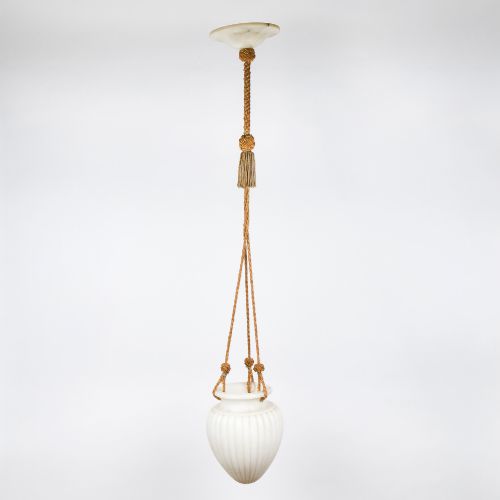
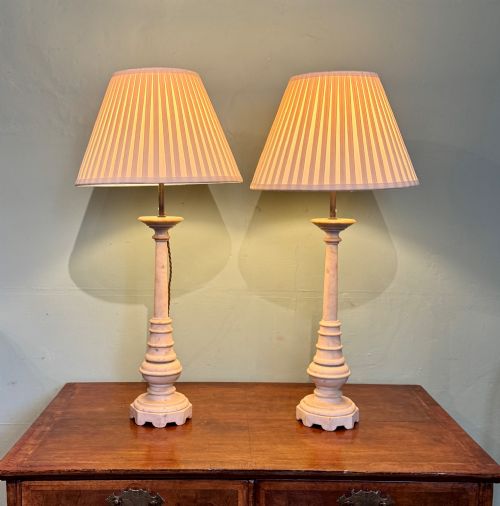
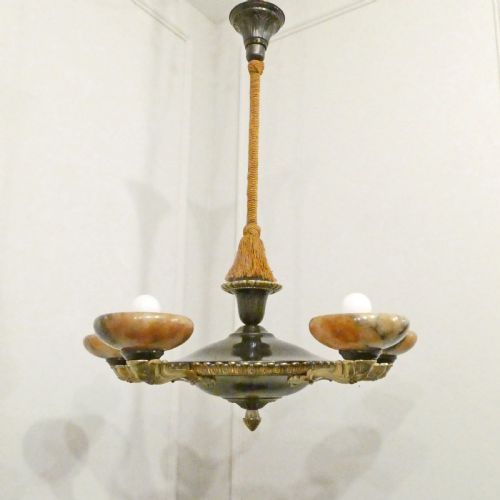
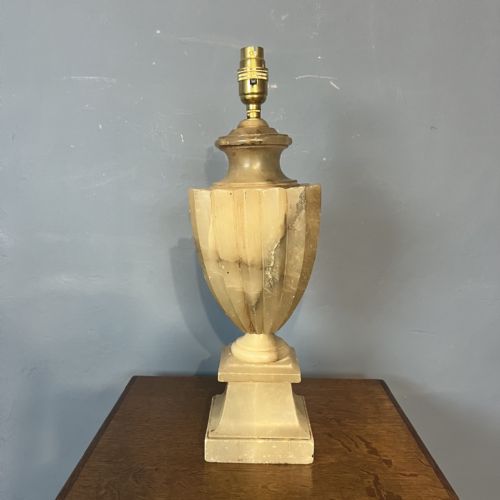
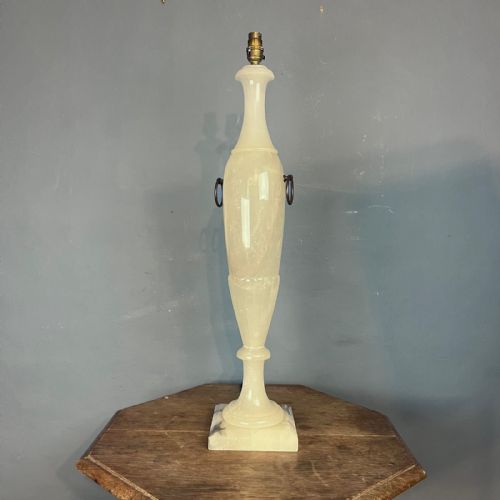
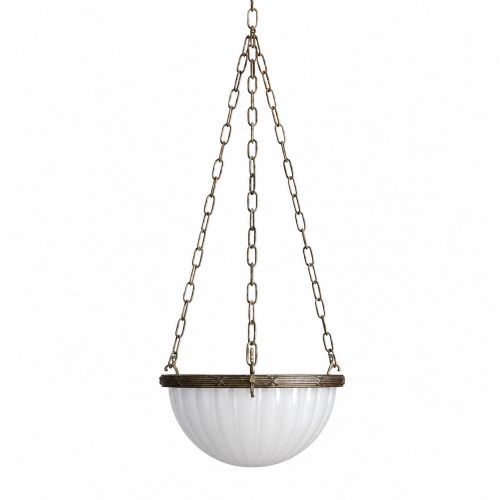
When you search for a vintage alabaster light, you encounter a variety of forms designed to illuminate interiors through soft, carved stone. Table lamps and hanging pendant lights dominate the selection, alongside grand chandeliers and ceiling fixtures.
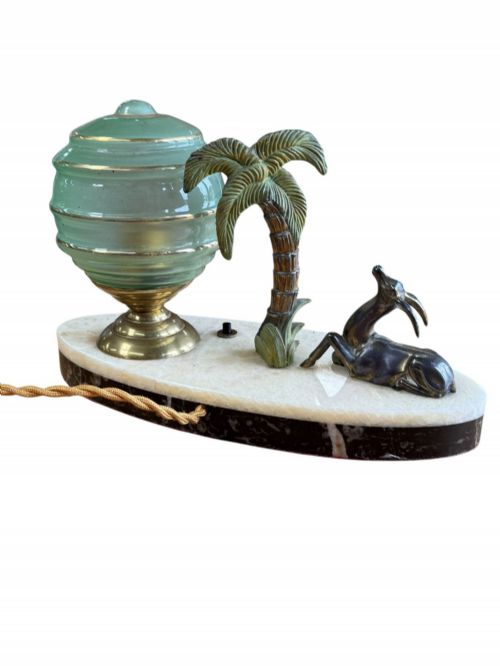
The pieces span several decades and design movements, originating from the Victorian era through the Edwardian period and into the distinct geometric forms of the 1920s and 1930s Art Deco movement.
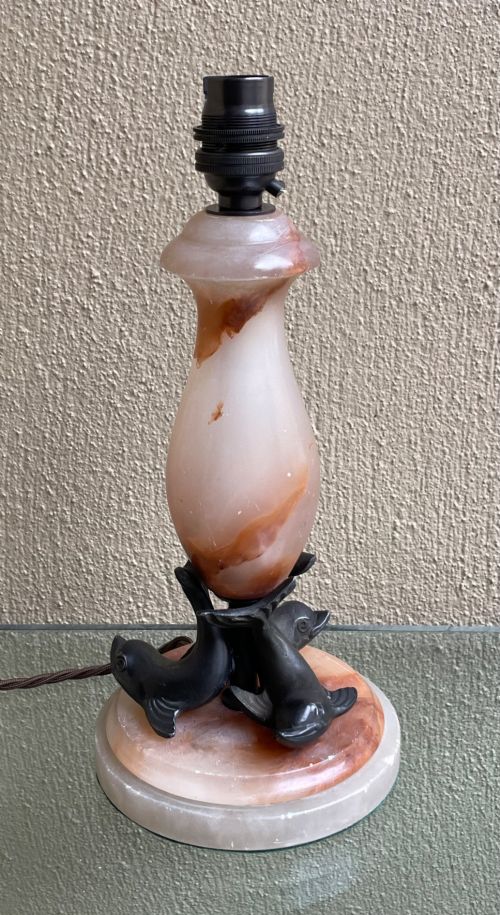
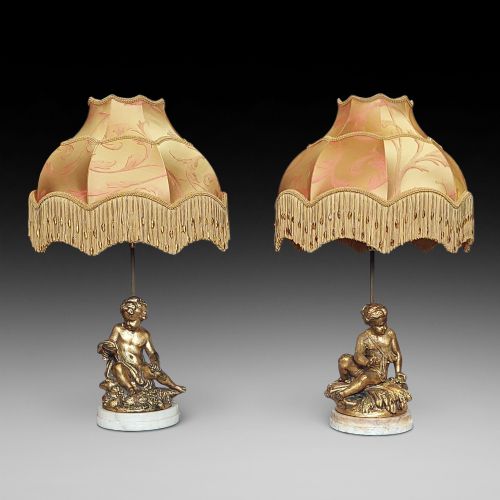
Italian workshops and English makers produced these lighting solutions in multiple configurations, ranging from simple columnar table lamps to elaborate hanging dish lights and figural designs.
How they were made
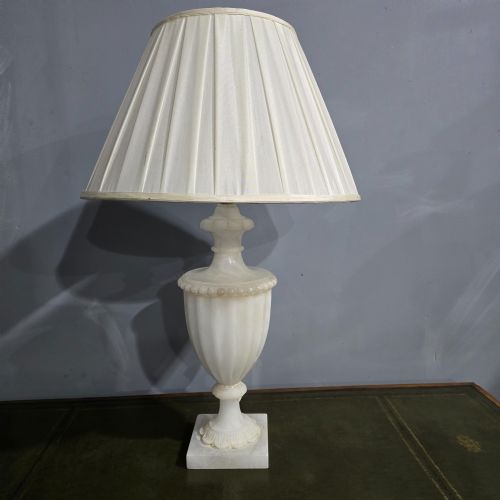
Craftsmen carved natural alabaster, marble, and white onyx into translucent bowls, shades, and urn bases that diffuse light evenly across a space. These carved stone elements were then combined with structural metals such as brass, bronze, silver plate, and iron.
Many designs incorporate decorative mounts, fabric cords, glass components, and fabric elements to complete the fixture's structure. The union of dense carved stone and polished metal required precise assembly to support heavy hanging bowls and tall table lamp columns.
Some nineteenth-century travellers carried miniature marble chambersticks home as souvenirs from the Grand Tour.
What varies in quality
Quality rests in the depth of the stone carving and the purity of the alabaster or onyx grain, which determines how brilliantly the material glows when illuminated. Pieces featuring crisp, detailed figural carvings or architectural motifs like the Empire style demonstrate superior craftsmanship.
The standard of the metal mounts, whether gilt, bronze, or brass, and the integration of these mounts with the stone body dictate the overall refinement of the fixture. Heavy, well-balanced proportions and substantial bowls distinguish the finest examples.
The Vintage Alabaster Light Glossary
- Alabaster
- A fine-grained, translucent variety of gypsum or calcite often used for carving ornamental light bowls and lamp bases. Its natural ability to diffuse light makes it ideal for interior illumination.
- Campana Urn
- A bell-shaped vessel with a flaring rim and foot, frequently utilised as a decorative base form in classical lighting design. This ancient shape influenced multiple revival periods.
- Chamberstick
- A short portable candlestick fitted with a pan to catch dripping wax, sometimes reinterpreted in marble or stone for desk and tabletop use. These small pieces often date to the nineteenth century.
- Pendant Light
- A hanging light fixture suspended from the ceiling by a cord, chain, or metal rod. In alabaster lighting, these frequently take the form of shallow dishes that cast an uplight glow.
Vintage Alabaster Light: Frequently Asked Questions
How do I clean a vintage alabaster light?
Alabaster is a soft and porous stone that absorbs moisture easily, so you should only use a dry microfibre cloth or a soft brush to remove dust from the surface.
Avoid using water, chemical sprays, or household detergents, as moisture can permanently stain the stone and ruin the delicate translucent finish.
What periods do these lights come from?
The selection includes pieces spanning the Victorian era, the Edwardian period, and the 1920s and 1930s Art Deco movement. You will also find items influenced by earlier classical revivals.
Twentieth-century examples, particularly from the interwar decades, favour streamlined geometric bowls and figural motifs, while nineteenth-century pieces lean towards heavier classical columns and urns.
Are these lights compatible with modern wiring?
Most vintage lamps and hanging fixtures retain older electrical components that require professional rewiring to meet current safety standards before regular use in a home. A qualified electrician can easily update the internal cord and lamp holders while preserving the original stone and metal exterior.
What is the difference between alabaster and marble?
Alabaster is much softer than marble and possesses a distinct natural translucency that allows light to pass directly through the stone body. Marble is harder, denser, and generally opaque, creating a solid reflective surface rather than a glowing effect.
Both materials appear frequently in these listings, sometimes combined with brass or bronze mounts.