


Country House Lighting
Country house lighting brings together warm brass, wrought iron and glowing glass to illuminate domestic spaces with historical character.
Country House Lighting
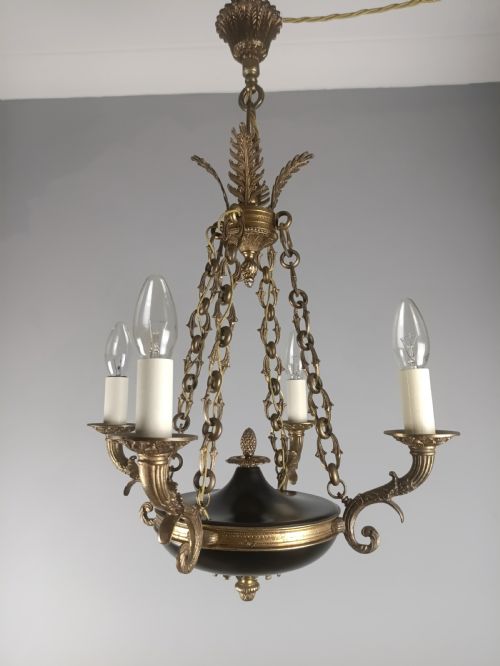
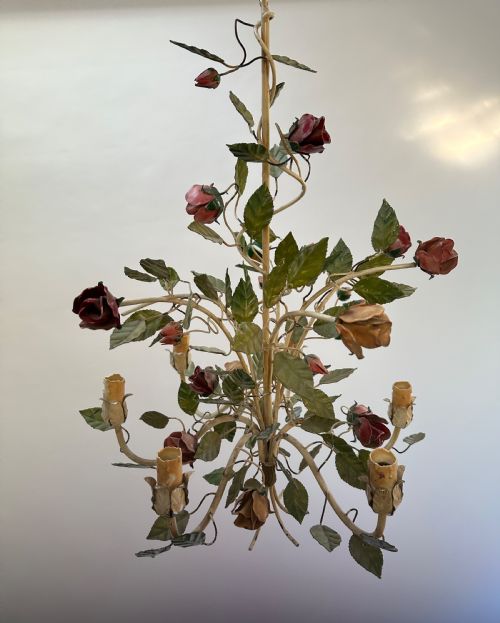
Country house lighting encompasses period fixtures designed to illuminate domestic interiors, drawing heavily from rustic farmhouse, Georgian and Victorian design traditions. When exploring country house lighting, buyers encounter a diverse selection of pieces ranging from wrought iron chandeliers to brass candlesticks and electric lamp bases.
The selection on this page relies primarily on 18th century, 19th century and early 20th century examples. Chandeliers, table lamps, and wall or hall lanterns form the core of the lighting options available.
How they were made
Traditional materials dominate these items, utilising heavy metals like brass, paktong and wrought iron alongside carved timber components such as oak, beech and pine. Glass, fabric and alabaster also appear frequently to diffuse light effectively.
Artisans employed traditional casting, forging and wood-turning techniques to construct these fixtures, often incorporating hand-finished details appropriate for domestic illumination.
Listings feature lighting from the 18th century, 19th century and early 20th century, utilising brass, wrought iron, glass and alabaster.
What varies in quality
The standard of a piece rests upon the weight of its metal casting, the crispness of its turned timber elements and the integrity of its structural joins. Superior examples demonstrate careful balance and hand-wrought precision.
Patina and surface preservation separate exceptional items from simpler utilitarian wares, as original finishes and well-preserved materials retain greater visual depth over time.
Harrison Patent
The Country House Lighting Glossary
- Chandelier
- A branched ceiling-mounted lighting fixture designed to hold multiple candles or electric bulbs. These fixtures often feature metal frames or antler construction.
- Paktong
- A copper-nickel-zinc alloy resembling silver, utilised in the manufacture of period candlesticks. This metal offers a distinctive bright finish.
- Alabaster
- A fine-grained translucent stone used for lamp bases and decorative vessels. It diffuses light with a soft, even glow.
- Wrought iron
- Iron beaten into shape by hand while hot, commonly utilised for structural branches and brackets on hanging lanterns.
Country House Lighting: Frequently Asked Questions
What is country house lighting?
Country house lighting comprises historical interior illumination pieces originating from period estates and farmhouses. These fixtures reflect traditional craftsmanship spanning multiple centuries.
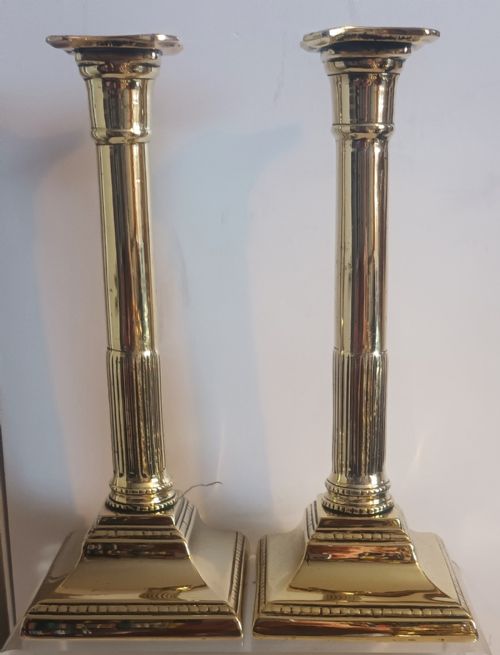
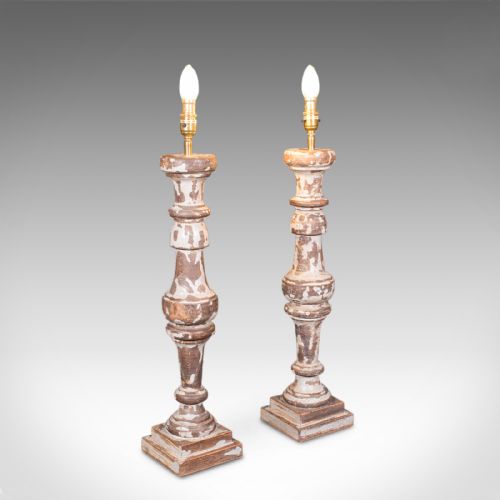
Items range from wrought iron chandeliers to telescopic brass candlesticks and painted pine lamp bases.
How were period chandeliers made?
Makers constructed early chandeliers using forged wrought iron, cast brass or natural materials like deer antlers. Each branch was carefully balanced to hold candles securely.
Wiring for electricity is often added later to historical frames while preserving the original metalwork.
Where were lanterns placed?
Coaching lanterns and hall lanterns hung in entranceways, corridors and exterior porches to guide visitors inside. Their sturdy metal and glass construction withstood heavy daily use.
Single light fixtures provided targeted illumination for transitional spaces within large residences.
How do I date brass candlesticks?
Dating relies upon manufacturing methods, base construction and metal composition such as paktong or standard brass. Turning marks and patent stamps offer further clues to the exact period.
Pairs often feature subtle variations indicating hand-crafting rather than mass production.