





Brass Cage Lamp
These brass cage lamp pieces bring industrial utility and decorative warmth into a room, offering robust protection for delicate glass.
Brass Cage Lamp
A brass cage lamp provides functional illumination encased within a protective metal framework, drawing from utilitarian designs. Buyers searching for a brass cage lamp often find robust nautical or industrial forms suited to practical spaces.
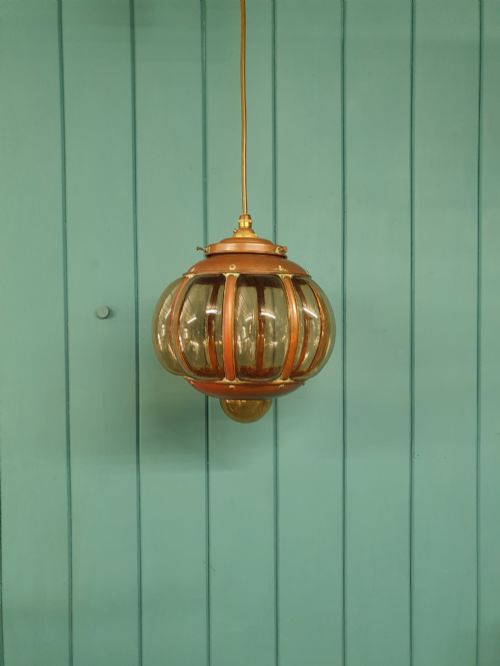
The selections span from the Edwardian era through to the early 20th century, encompassing varied ceiling lights and pendant lights. These fixtures combine brass frameworks with glass components to create distinct utilitarian profiles.
Many examples originate from French and Italian workshops, reflecting international variations in industrial and domestic lighting design. The diverse styles range from straightforward nautical pendants to more elaborate wired frames.
Materials and construction
Makers constructed these frames predominantly from brass, copper, and gilt metal, ensuring structural durability for daily use. Metalwork techniques involved casting and joining robust components to form the protective exterior cages.
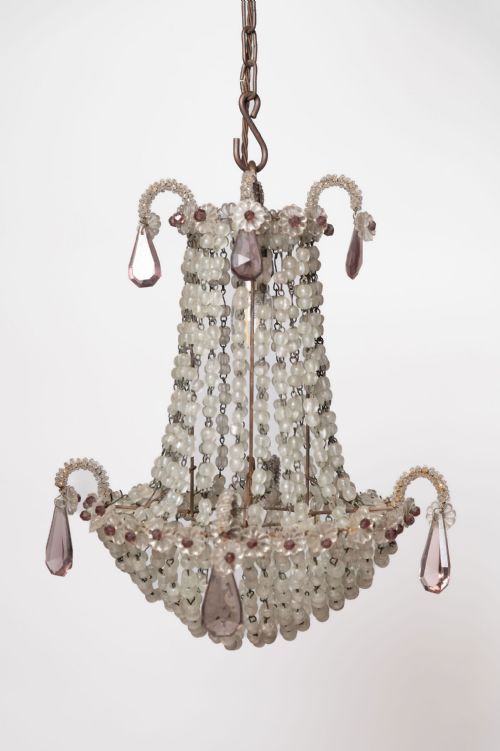
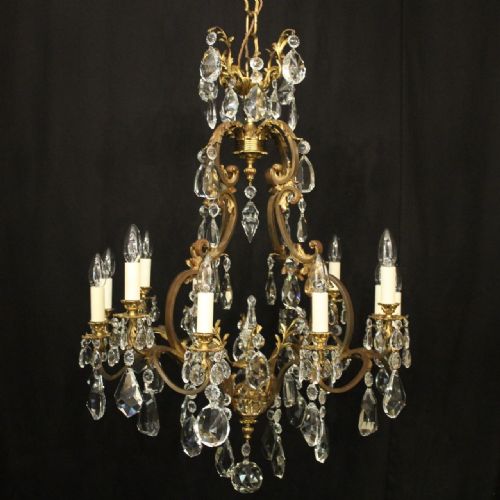
Internal or enclosing elements incorporate clear, smoked, and coloured glass, frequently paired with crystal or beaded glass details. These translucent materials diffused the light while the exterior metalwork bore the brunt of knocks and movement.
Some cages are hinged with tiny latches, built so a sailor could swap a bulb during a rolling storm without dropping the glass.
Factors that distinguish quality
The integrity of the metal cage and the weight of the brass or copper frame set superior examples apart from standard utility items. Substantial casting and precise structural joints indicate careful manufacture.
The clarity and finish of the glass components, whether smoked, coloured, or crystal, contribute significantly to the overall merit of the piece. Well-proportioned frameworks that balance protective function with refined design distinguish the finer specimens.
The Brass Cage Lamp Glossary
- Brass cage lamp
- A lighting fixture featuring a protective metal wire or bar framework surrounding a glass shade or bulb. This design protected the fragile interior glass in working environments such as ships or workshops.
- Nautical pendant light
- A hanging luminaire styled after marine equipment designed to withstand damp or rough conditions at sea. These pieces often feature heavy copper or brass construction with watertight seals.
- Edwardian
- The period of British history spanning the reign of King Edward VII from 1901 to 1910. Design during this era often lightened Victorian heaviness while retaining solid craftsmanship.
- Gilt metal
- Base metal treated with a thin layer of gold paint or leaf to simulate solid gold. This technique provided decorative opulence at a lower production cost.
Brass Cage Lamp: Frequently Asked Questions
What is a brass cage lamp?
A brass cage lamp is a functional lighting fixture where a metal frame surrounds a glass body for protection. These designs originated in utilitarian settings like ships and factories before entering domestic interiors.
Today, they appeal to buyers seeking robust industrial aesthetics combined with period character. The metal housing ensures the glass remains safe from accidental impacts.
Where were they used originally?
Original examples served primarily in maritime vessels, industrial workshops, and utilitarian spaces where standard glass bulbs required physical defence. Their durable construction made them dependable in demanding environments.
Over time, domestic interiors adopted these rugged forms for kitchens, hallways, and exterior porches. They bring a distinct industrial heritage into modern living spaces.
How do I clean the glass inside?
Cleaning the glass typically involves loosening the cage fixings to carefully remove the shade or globe. Gentle soapy water restores clarity without damaging the surrounding metal frame.
Take care not to use abrasive pads on gilt metal or aged brass surfaces. Regular dusting keeps the metalwork and glass components in sound condition.
How do I identify Edwardian pieces?
Edwardian lighting from the early twentieth century often displays cleaner lines than heavy Victorian predecessors. Makers balanced utilitarian strength with decorative restraint during this period.
Examining the fixings, screw threads, and glass tints helps confirm the manufacturing era. Comparing construction methods against documented period examples provides further clarity.