




Classical Alabaster Lamp
A classical alabaster lamp brings a warm, diffused glow to a room through carved stone that turns translucent when lit.
Classical Alabaster Lamp
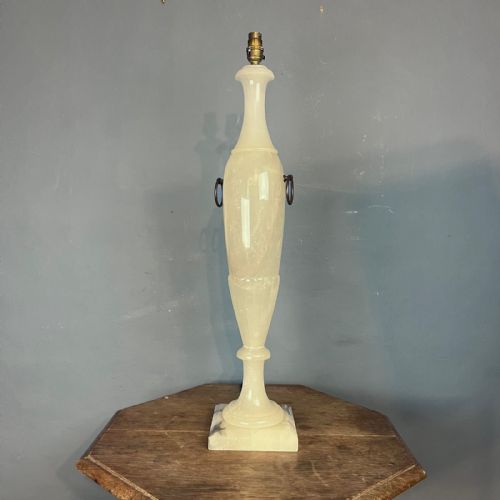
When you search for a classical alabaster lamp, you encounter lighting fixtures shaped from fine-grained gypsum stone or related materials like marble and white onyx. The selection spans table lamps, floor lamps, and pendant lights that draw on antique forms.
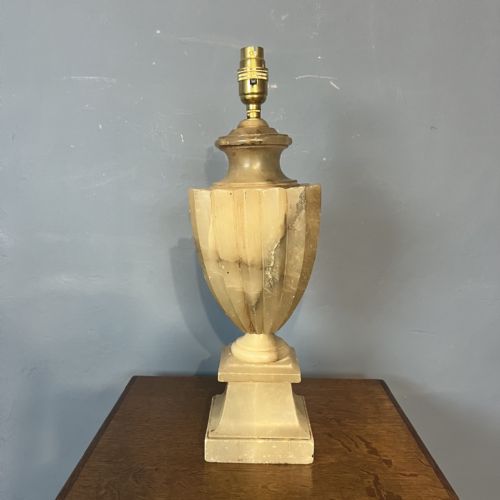
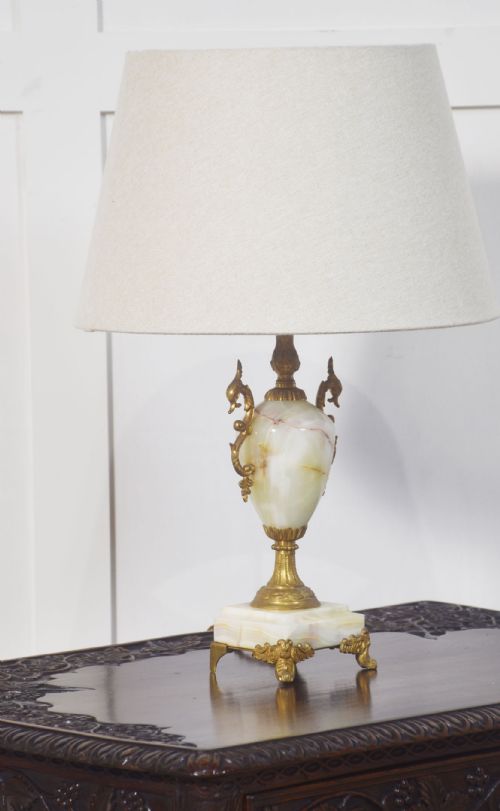
You are most likely to meet table lamps dating from the Victorian period through the early twentieth century, alongside items finished in Neoclassical, Art Deco, and Edwardian styles. These pieces often incorporate carved urns, columns, and figural designs from Italian, Swedish, and British workshops.
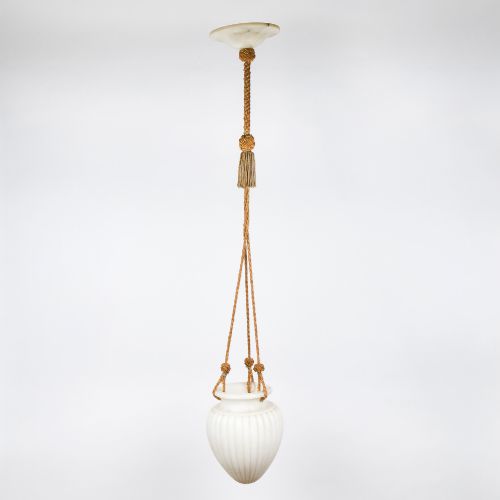
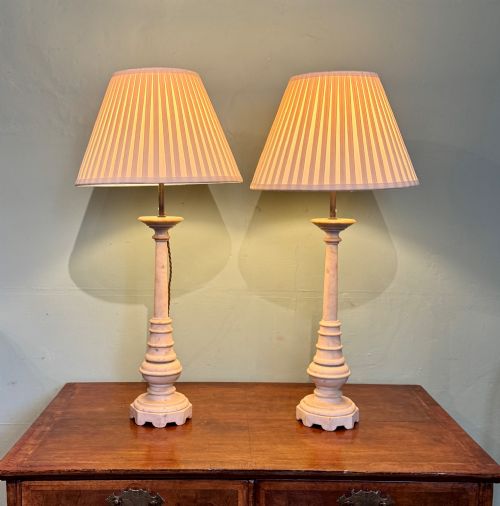
The inventory ranges from single country house table lamps to matching pairs set on brass or patinated metal mounts. Hanging lights and large floor-standing varieties also appear, showing how versatile this stone was for domestic interiors over the decades.
Materials and construction methods
Makers shaped these lights from solid blocks of alabaster, marble, or onyx, often turning the stone on a lathe to create smooth columns, urns, and vases. The natural translucency of the material allows a bulb placed inside or above to illuminate the grain and veining of the stone.
Metal mounts in brass, patinated metal, and bronze frequently secure the stone components at the base and collar. Wiring systems are threaded through central channels, sometimes accompanied by fabric shades and braided cords that complement the antique aesthetic.
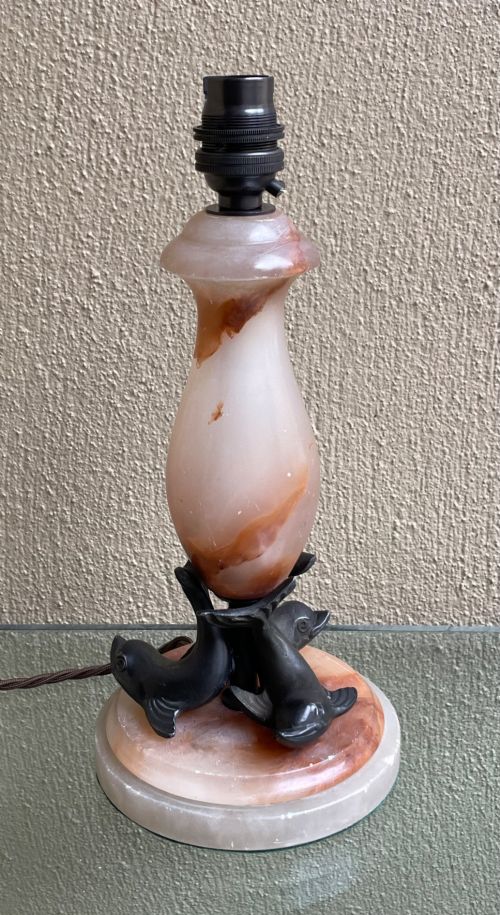
Dolphins carved from stone support early twentieth-century illumination, proving that even sea mammals enjoyed a turn at interior design.
Factors influencing quality
The fineness of the stone carving and the crispness of the Neoclassical or Art Deco detail set the better examples apart. Uniformity in the marble or alabaster grain, combined with solid metal mounts rather than plated substitutes, marks superior craftsmanship.
Proportion and scale also dictate distinction, particularly in large floor-standing columns and matching pairs where symmetry is essential. The integration of metal fittings with the soft stone determines the structural integrity of the piece.
The Classical Alabaster Lamp Glossary
- Alabaster
- A fine-grained, translucent stone used extensively for carving decorative vessels and lamp bodies. It diffuses light softly when illuminated from within.
- Onyx
- A banded variety of chalcedony or calcite often utilised for lamp bases and columns. It exhibits natural layered patterns that catch the light.
- Neoclassical
- A style drawing inspiration from the classical art and architecture of ancient Greece and Rome. It appears frequently in column and urn lamp designs.
- Patinated metal
- Metal surfaces that have developed a deep, aged coloration through oxidation and time. This finish contrasts with the pale tones of the stone.
Classical Alabaster Lamp: Frequently Asked Questions
How do I clean a classical alabaster lamp?
Alabaster is a relatively soft and porous stone that absorbs liquids easily. Dust the surface gently with a dry microfibre cloth and avoid using water or chemical cleaners.
Harsh solvents can damage the polished finish and stain the porous material. For stubborn dust, a soft dry brush works best to clear carved crevices without scratching.
Can I replace the wiring on these lamps?
Many older lamps retain vintage electrical components that require updating for modern safety standards. A qualified electrician can rewire the fixture while preserving the original metal mounts and stone body.
Keeping the exterior hardware intact ensures the historical character remains undisturbed. Modern internal components allow you to use contemporary bulbs safely within the antique structure.
Where should I place a floor-standing model?
Large floor-standing lamps suit corners or spaces beside heavy seating where they provide gentle ambient illumination. Their substantial stone columns anchor a room visually without dominating the floor plan.
Ensure the lamp stands on a level surface to keep the heavy stone balanced securely. Pairing them with matching table lamps creates a cohesive look across a shared interior space.