
Traditional Ceiling Lanterns
Traditional ceiling lanterns are hanging glass and metal lights designed for halls and entrances, bringing period character to a room.
Traditional Ceiling Lanterns
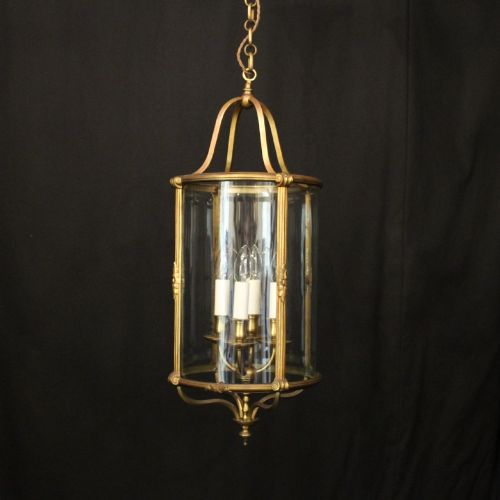
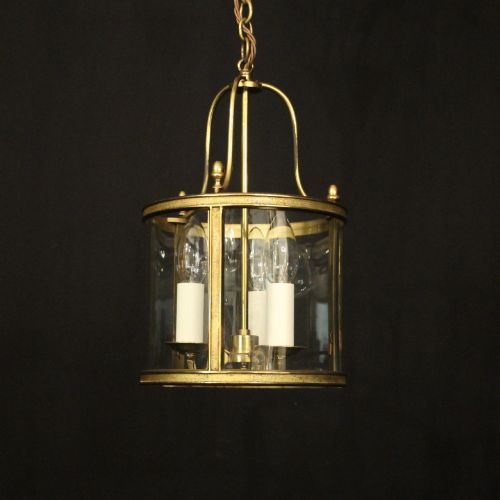
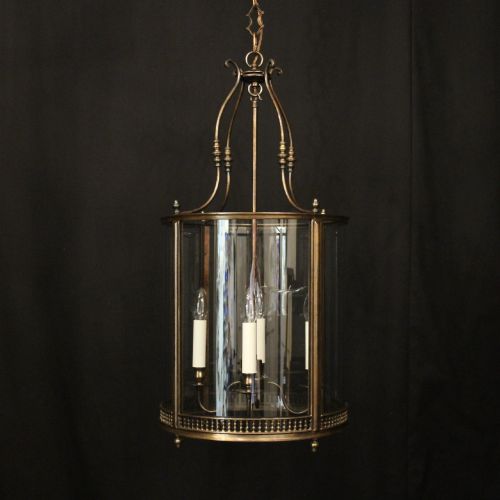
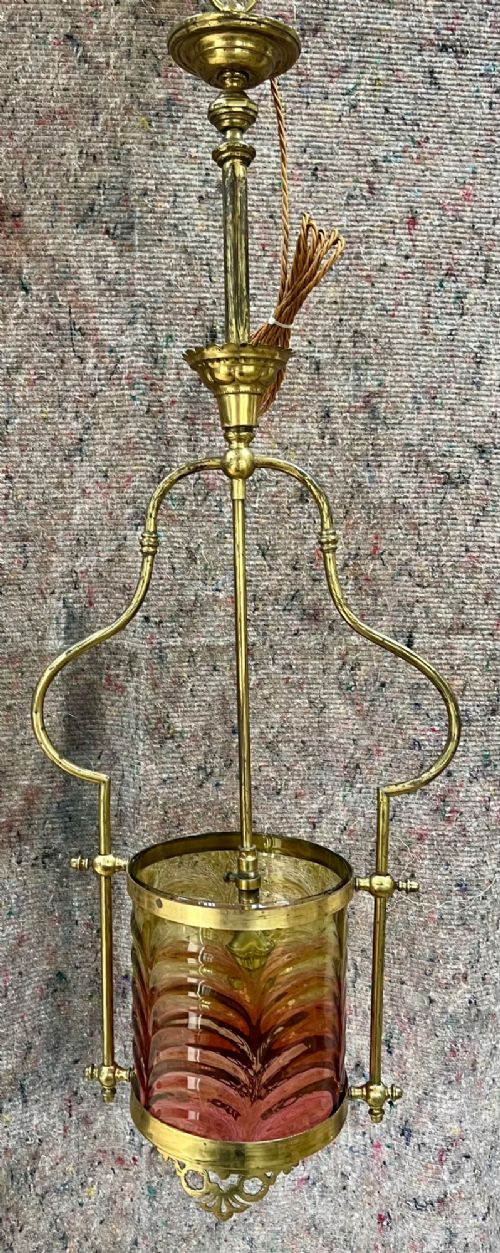
Traditional ceiling lanterns are primarily found as hall lanterns and pendant lights designed to illuminate entranceways and corridors. The selection on this page draws heavily from Edwardian, Victorian, and early twentieth-century periods.
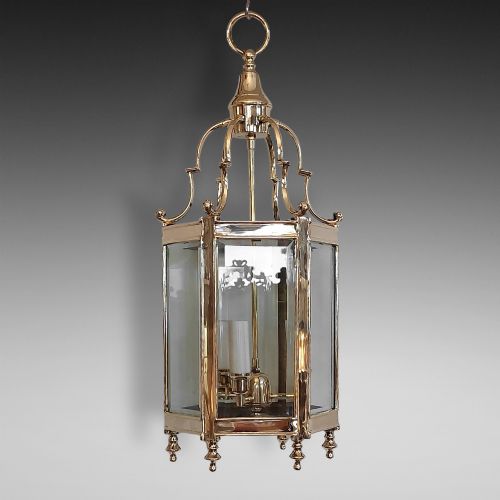
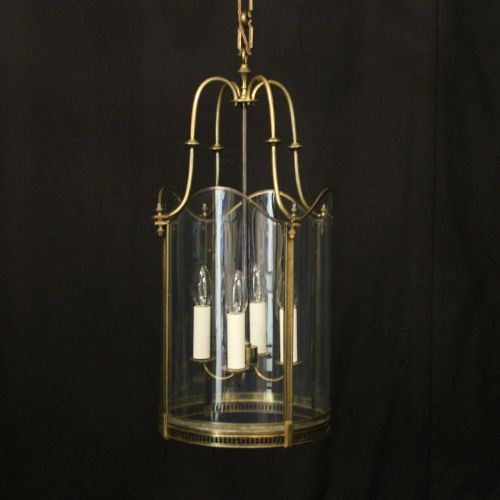
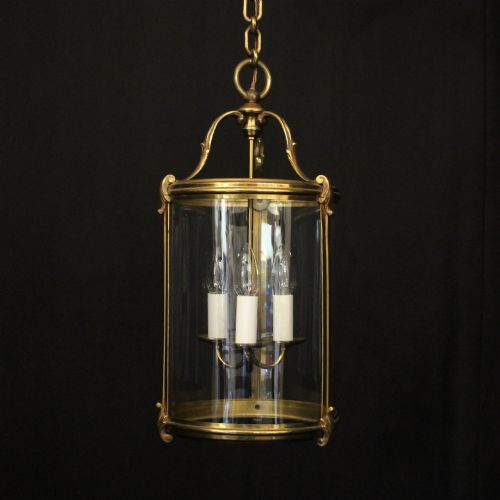
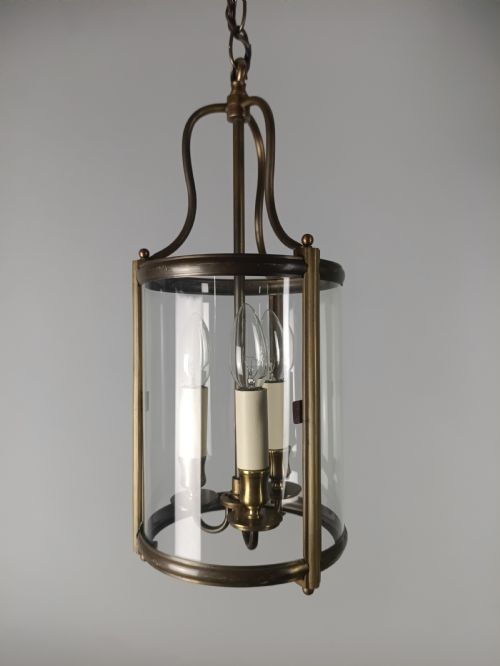
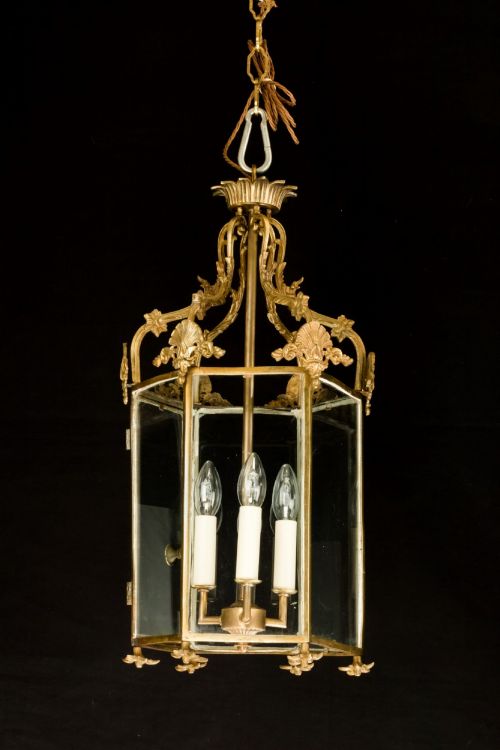
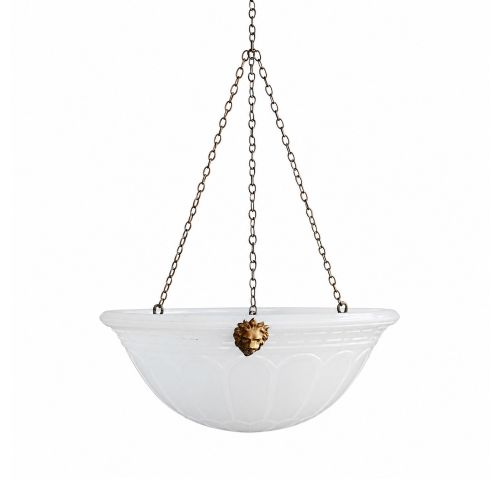
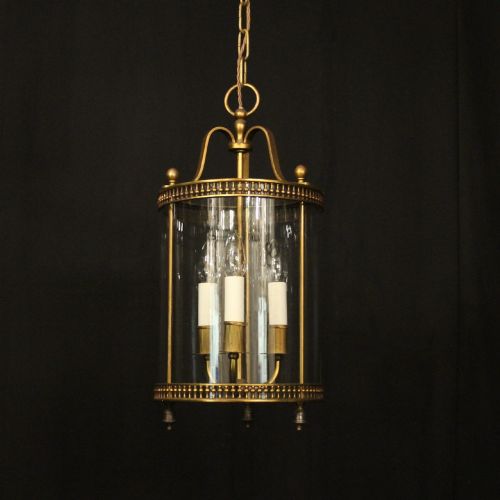
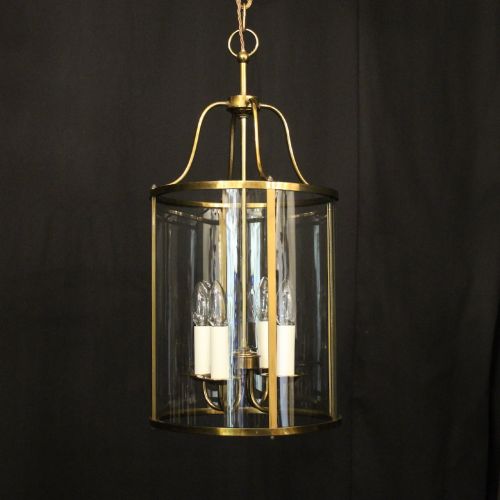
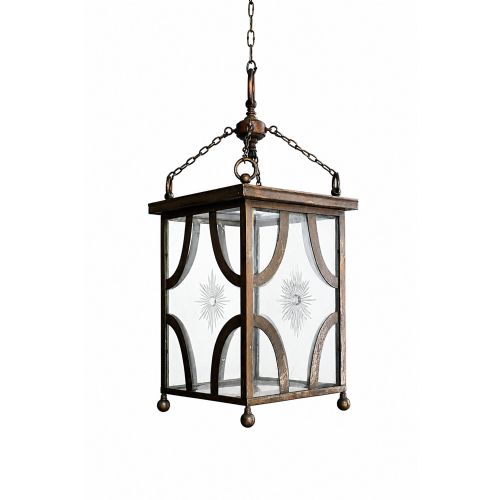
Buyers will encounter various geometric configurations, including hexagonal frames, round shapes, and convex glass designs. These fixtures frequently originate from English and French workshops working in bronze, brass, and wrought iron.
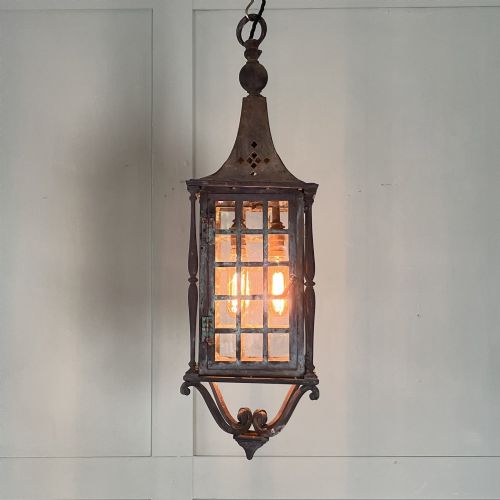
Stylistic influences range from Gothic Revival and Neo-Classical to Arts and Crafts and Rococo Revival. Most examples house multiple internal lights to distribute illumination evenly through glazed panels.
Materials and construction
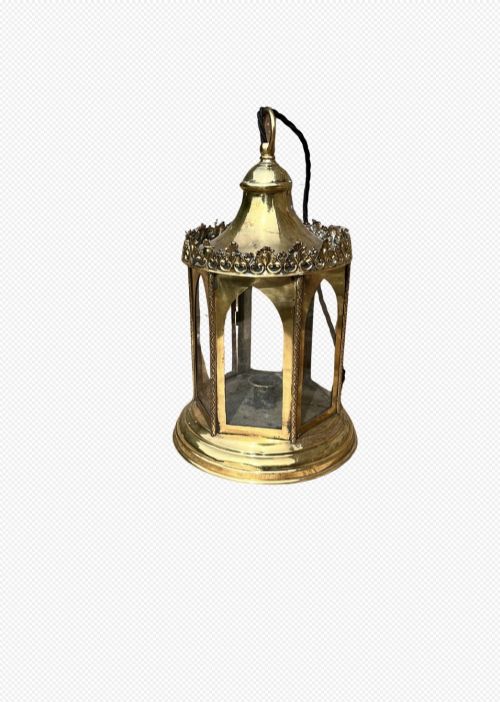
Frames are constructed from durable metals such as brass, bronze, and gilt bronze, often shaped into structural skeletons to hold glass securely. Metalwork varies from plain polished brass to elaborate gilt surfaces and dark wrought iron.
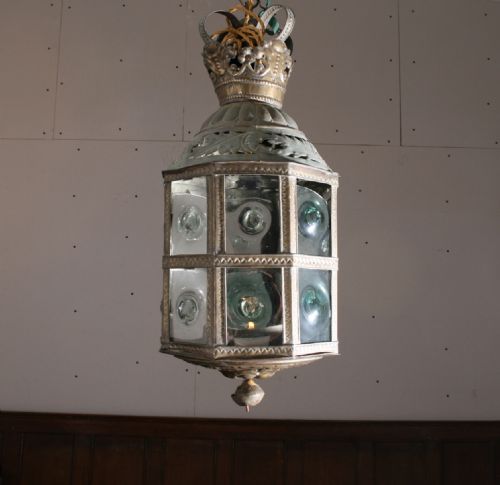
Glazing forms a central component, utilising cut glass, bevelled glass, hand-blown bulls eye glass, and moonstone panels. These varied glass types refract light differently, creating distinct patterns across hallway walls and ceilings.
Listings span periods from the 1860s through the 1930s, featuring brass, bronze, wrought iron, and specialised glass panels.
Judging quality in hanging lanterns
Quality rests in the weight of the metal frame and the precision of the glazing. Heavier brass and bronze castings with tightly fitted, bevelled or hand-blown glass panels represent superior manufacturing standards.
The sophistication of the stylistic ornamentation also dictates the tier of the piece. Simple geometric frames sit at one end, while ornate French gilded bronze models with multiple internal light fittings and complex casting details represent the higher end.
The Traditional Ceiling Lanterns Glossary
- Convex glass
- Curved glass panels that project outward to soften and disperse light across a wider angle. This technique was popular in French hall lanterns during the early twentieth century.
- Bevelled glass
- Glass panes featuring angled, polished edges that catch and reflect light. This detail adds considerable visual depth to the lantern fixture.
- Bulls eye glass
- Circular, thick glass panes featuring a central concentric distortion left by the glassblowing process. It provides an archaic, tactile texture to nineteenth-century examples.
- Hexagonal lantern
- A six-sided hanging light fixture that became a standard shape for Edwardian and later hall lanterns. The multi-panel geometry allows for balanced illumination.
- Gilt bronze
- Bronze metal treated with a thin layer of gold or gold-coloured leaf to produce a rich metallic sheen. It appears frequently in formal French interior lighting.
Traditional Ceiling Lanterns: Frequently Asked Questions
Where should I hang a traditional ceiling lantern?
These lanterns are best suited for entrance halls, vestibules, and stairwells where overhead lighting requires both function and decorative presence. Their hanging drop makes them ideal for spaces with sufficient vertical clearance.
They also work effectively in high-ceilinged corridors and landings, casting patterned light through their glass panels onto surrounding walls.
How do I date a traditional ceiling lantern?
Dating relies on identifying the metal alloys, glass types, and decorative styles used in the construction. Edwardian and Victorian pieces often feature heavier brass work and simpler geometric or Gothic Revival motifs.
Later early twentieth-century examples, particularly French pieces, tend to incorporate convex glass panels, gilt bronze finishes, and multiple light clusters.
Are these lanterns suitable for modern electrical systems?
Most surviving lanterns have been adapted for modern electrical wiring while retaining their original frames and glass. Buyers should check individual listings to confirm whether internal fittings have been modernised.
Professional installation is typically recommended due to the substantial weight of cast brass, bronze, and glass components.
What is the difference between a hall lantern and a pendant light?
Hall lanterns generally feature enclosed glass and metal cages designed specifically to protect candles or bulbs in narrow draughty spaces. Pendant lights encompass a broader category of hanging fixtures that may be open-sided or bowl-shaped.
In practice, many traditional pieces on this page overlap both descriptions depending on their frame construction and glazing.