


Victorian Bronze Bust
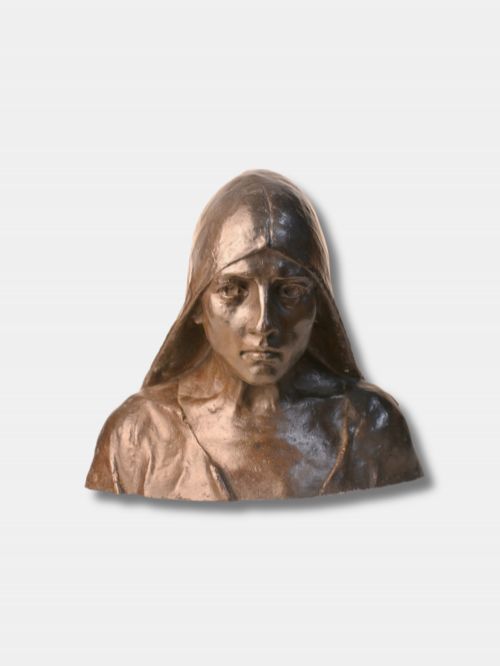
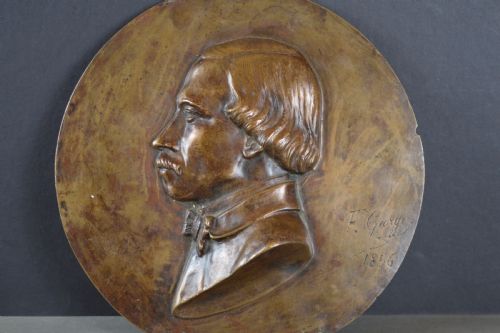
A victorian bronze bust brings the weight of the nineteenth century into a room through portraiture cast in metal.
Victorian Bronze Bust
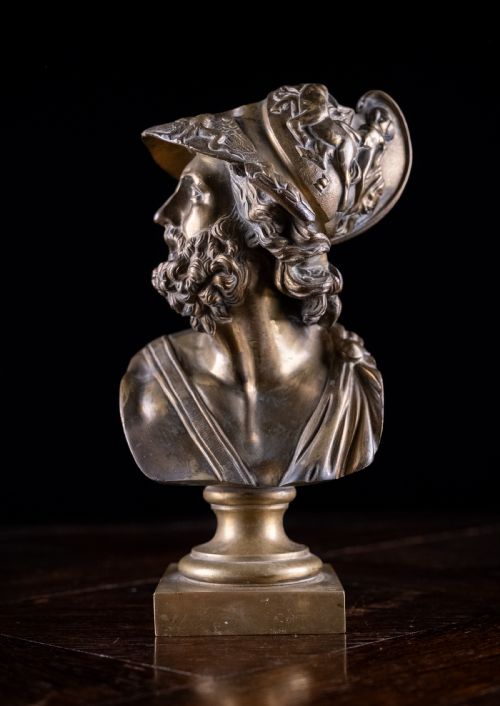
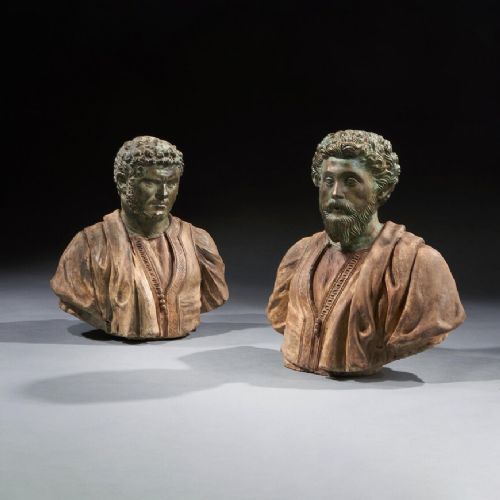
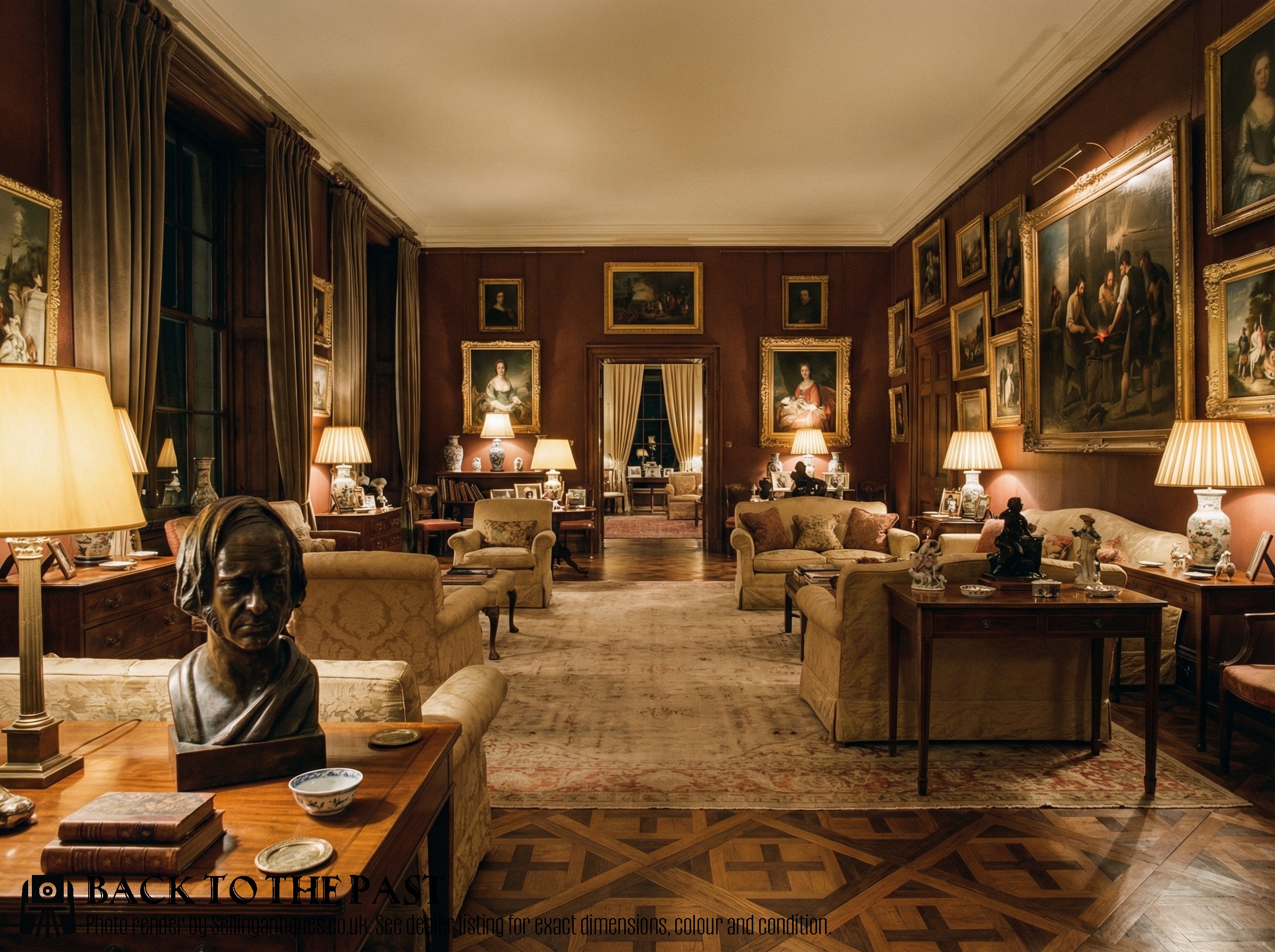
A victorian bronze bust portrays literary figures, historical emperors, classical subjects and specific individuals. The selection includes likenesses of William Shakespeare, Lord Byron, Roman figures like Marcus Aurelius, and contemporary subjects.
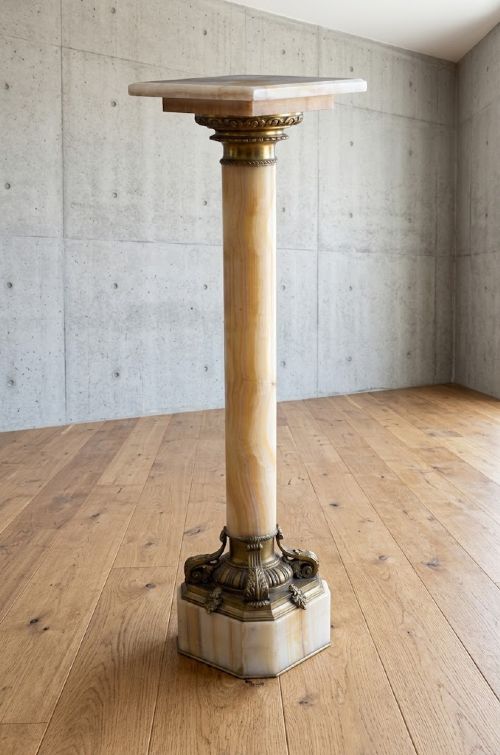
Most examples originate from the nineteenth century, often reflecting French or English foundry work. Forms range from standalone table-top portraits to pieces mounted on marble plinths or onyx columns.
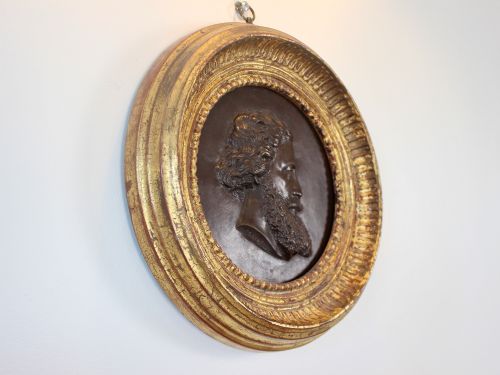
Beyond pure busts, the category embraces related sculptural objects like mantel clocks, inkwells and portrait plaques. These items combine functional design with cast metal portraiture.
Materials and Casting
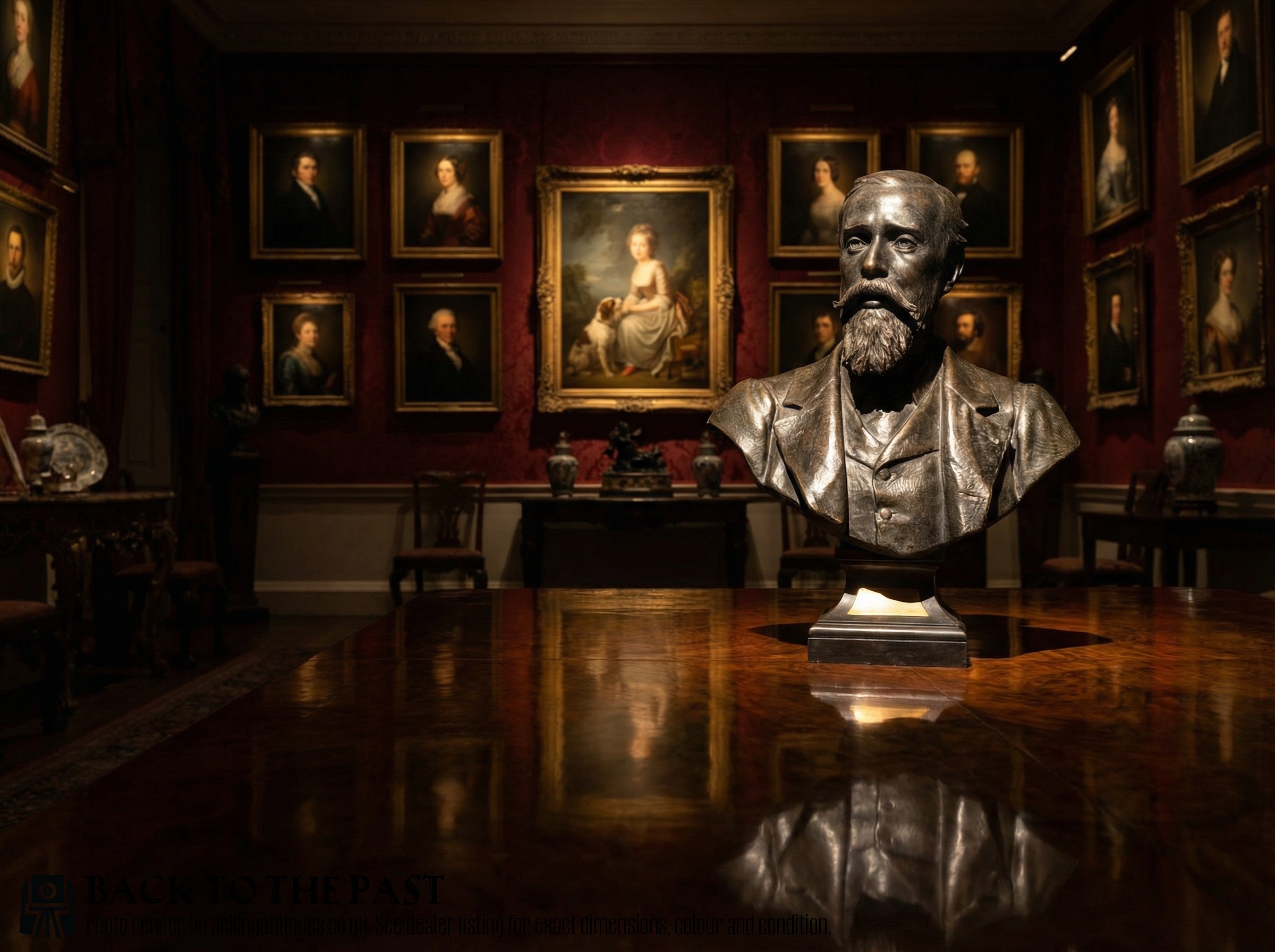
Foundries cast these portraits in bronze, gilt bronze, or patinated bronze, frequently mounting the metal figures onto bases of white or black marble and onyx. Some related pieces utilise terracotta or brass.
Sculptors signed their models directly into the metal or clay before casting, capturing fine details in hair, drapery and facial expression. Ormolu collars and mounts add contrasting metallic warmth to stone pedestals.
Victorian Bronze Bust Retail Price Guide 2026
Typical asking prices for victorian bronze bust among the pieces listed under this phrase on Sellingantiques today, from the lower quarter to the upper quarter. They describe what is for sale here now, not the wider market.
Several historical gentlemen in the collection sport remarkably serious expressions while permanently stuck holding pens or guarding mantel clocks.
Judging Quality
The choice of supporting material alters the overall presence of the work. Heavy marble or onyx plinths and columns matched with fire-gilt bronze mounts elevate the status of the piece significantly.
Emile Jespers·Sir Thomas Brock·Alajos Strobl·Pietro Calvi·J Lavergne·Richard Aurili·Eutrope Bouret·Eugene Laurent·Ernest Rancoulet·Matthew Noble
The Victorian Bronze Bust Glossary
- Patinated bronze
- Bronze that has been chemically treated to alter its surface colour, usually resulting in deep browns, greens, or blacks. This finish protects the metal and highlights the modelling.
- Gilt bronze
- Metal coated with a thin layer of gold or gold amalgam, creating a bright golden surface. It is frequently paired with dark marble bases.
- Ormolu
- Finely ground high-carat gold applied to a bronze base using a mercury-gilding technique. It provides rich decorative accents on clock cases and column collars.
- Terracotta
- Fired unglazed clay used by sculptors for portrait busts. It offers a warm earthen texture distinct from cast metal.
- Grand Tour
- Cultural travel undertaken by wealthy Europeans in the nineteenth century, inspiring the acquisition of classical portrait busts and antiquities.
Victorian Bronze Bust: Frequently Asked Questions
Where should I place a bust?
These sculptures suit prominent spots like mantelpieces, dedicated columns, or heavy wooden desks where their height and weight anchor the room.
Pairing a bronze figure with marble or onyx highlights the craftsmanship and provides a stable base for display.
How do I clean bronze?
Dust the metal gently with a soft, dry cloth to prevent accumulation in the crevices of the hair and drapery.
Avoid chemical polishes or water, which can strip the historic patination and damage the underlying surface.
What subjects are common?
Portraits range from classical Roman emperors and literary poets to historical figures and private sitters.
Foundries also produced allegorical female studies and mythological characters alongside recognizable historical personalities.
How do I date a piece?
Examine the signature, foundry marks, and the style of the mounting plinth or marble base.
Nineteenth-century pieces often display specific casting methods and patination styles characteristic of French and English workshops.