







Historical Portrait Bust
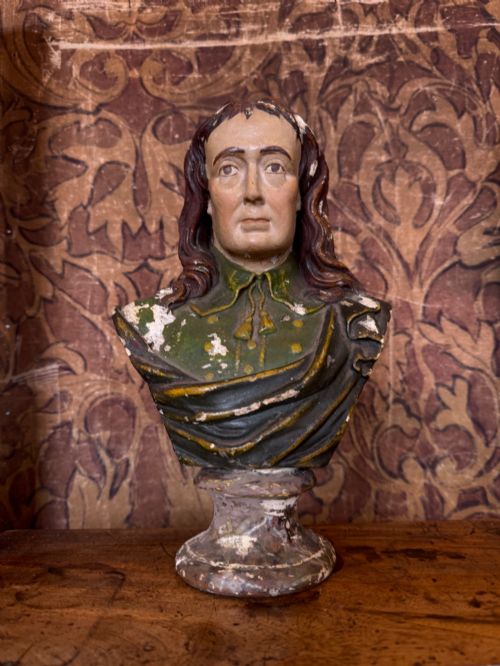
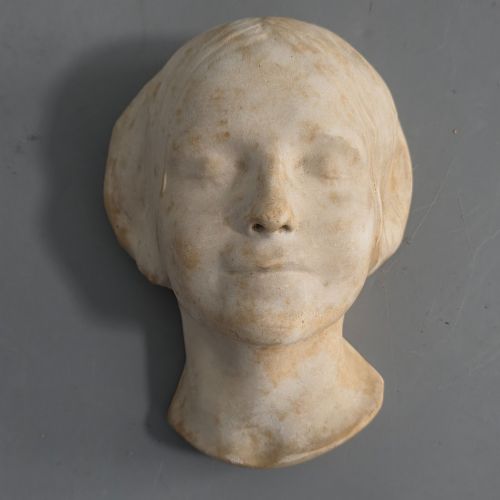
These historical portrait bust pieces bring familiar figures into a room in solid bronze, carved wood, plaster, and stone.
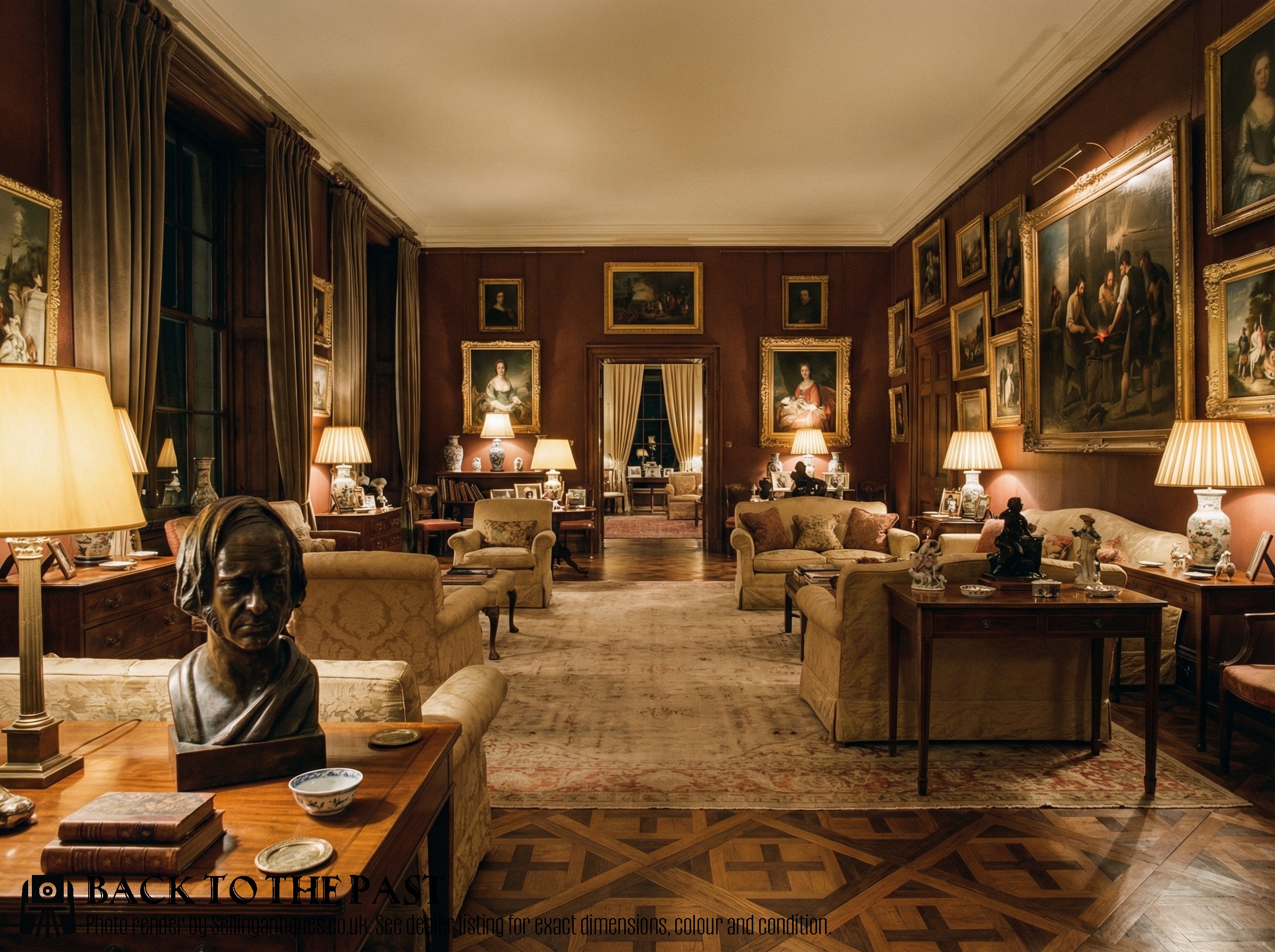
Historical Portrait Bust
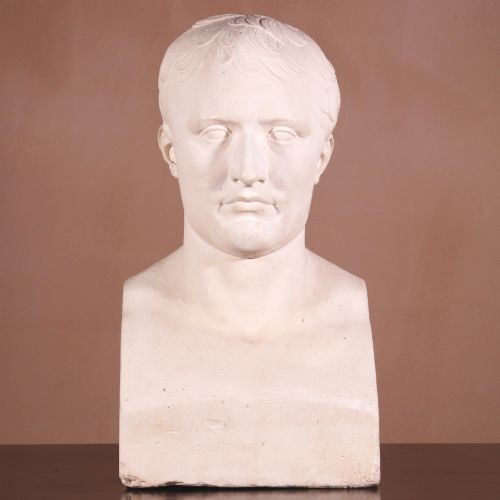
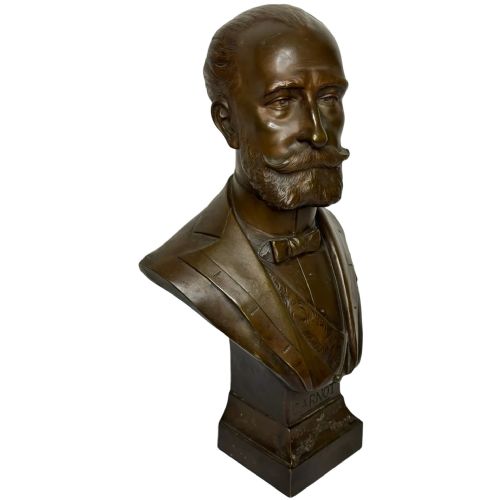
A historical portrait bust captures a recognised public figure, ruler, or gentleman from centuries past in solid form. You will find likenesses ranging from seventeenth-century monarchs to nineteenth-century statesmen and literary figures represented across these pages.
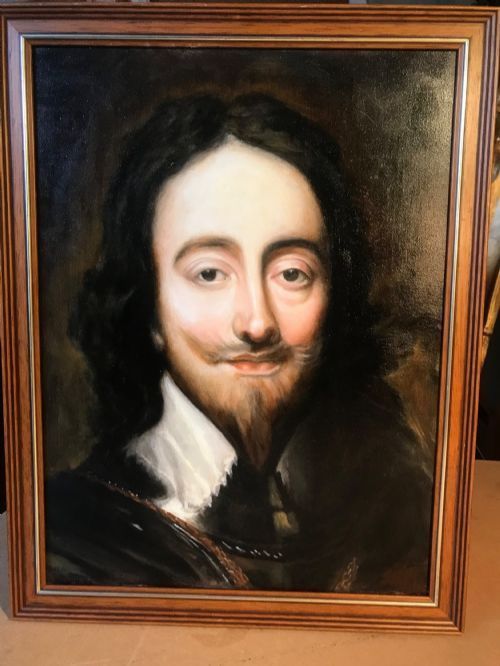
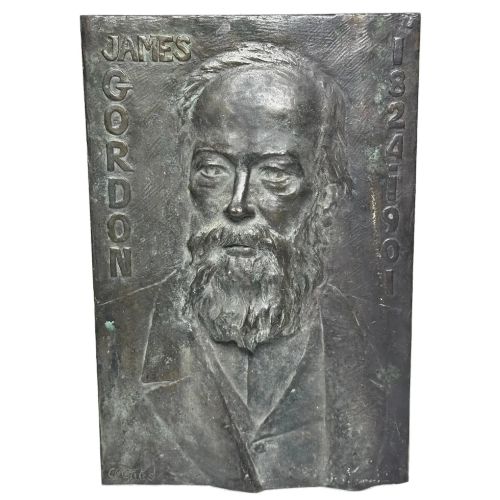
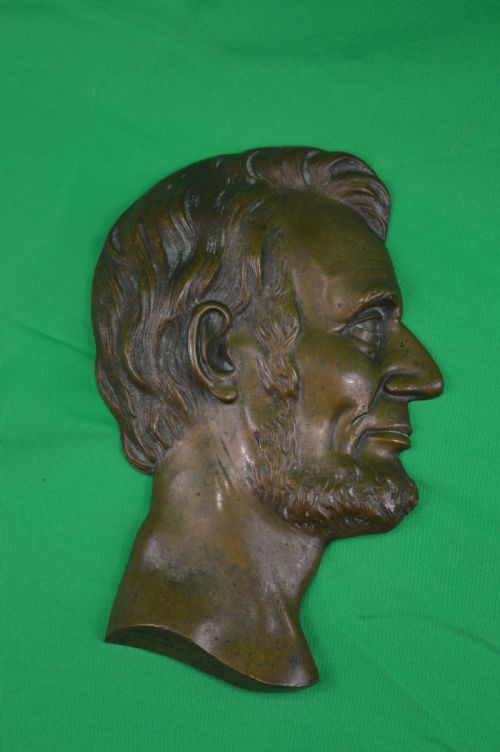
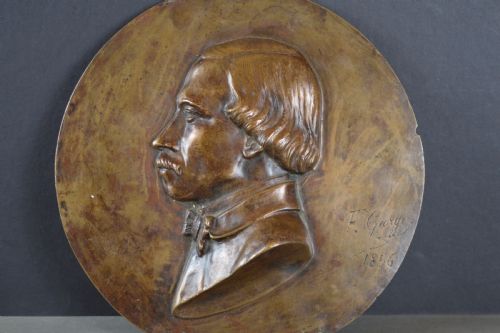
The objects take several physical shapes, including freestanding sculptures in the round, wall plaques and reliefs, and occasionally flat oil paintings on canvas. Materials span durable bronze, traditional plaster, carved wood, alabaster, stone, and terracotta.
Most examples date from the nineteenth century or earlier, reflecting Neoclassical, Baroque, Victorian, and Renaissance Revival tastes. These pieces serve both as sculptural ornaments and as tangible links to historical personalities.
Materials and Construction
Carved pieces employ dense woods or soft stone such as alabaster, shaped directly with chisels and gouges to leave visible tool marks. Painted works apply oil pigments directly onto stretched canvas surfaces using traditional brushes.
Historical Portrait Bust Retail Price Guide 2026
Typical asking prices for historical portrait bust among the pieces listed under this phrase on Sellingantiques today, from the lower quarter to the upper quarter. They describe what is for sale here now, not the wider market.
Listings feature historical portrait bust examples cast in bronze, carved in wood, moulded in plaster, and painted in oils on canvas.
Judging Quality
The standard of a bronze casting depends on the crispness of the chase work and the subtlety of the chemical patination across the metal. Finer plaster and terracotta works retain sharper anatomical detail and smoother transitions in the modelling of the face.
Carved wooden or stone pieces show their caliber through the confidence of the tool handling and the depth of relief in the hair and drapery. Painterly quality in associated portraits rests on the handling of light and shadow in the oil medium.
Adolphe Jean Lavergne·Antonio Rossellino·Anthony Van Dyck·Sir Joshua Reynolds
The Historical Portrait Bust Glossary
- Patina
- The surface coloration and sheen that develops on metal through age or chemical treatment. A well-maintained bronze often displays a rich dark brown or green tone.
- Terracotta
- Fired clay used for sculptural modelling. It ranges in colour from pale buff to deep reddish-brown and shows immediate hand-modelled touches.
- Alabaster
- A fine-grained, translucent stone used for carving small figures and reliefs. Its softness allows for delicate detail work.
- Relief
- A sculptural technique where the figures project from a flat background. High relief stands out strongly, while low relief remains closer to the plane.
- Neoclassical
- A style drawing inspiration from the classical art and culture of ancient Greece and Rome. It emphasises austere dignity and severe lines.
Historical Portrait Bust: Frequently Asked Questions
How do I clean a bronze bust?
Dust the surface gently with a soft, dry brush to prevent dirt accumulation. Avoid using water, soap, or metal polishes, which can strip the original patina.
Apply a very thin coat of microcrystalline wax if the metal appears dry, then buff lightly with a clean cloth.
Where should I display a plaster bust?
Keep plaster pieces away from areas of high humidity and direct sunlight, which can discolour or weaken the material. Place them on sturdy, stable surfaces where they will not be knocked.
Because plaster is heavy yet brittle, ensure the supporting shelf or furniture can bear the weight securely.
How can I tell a nineteenth-century casting from a modern copy?
Examine the underside and interior of the metal for casting seams, tool marks, and the character of the patination. Older patinas bond deeply with the metal rather than sitting as a uniform modern paint layer.
Check for mounting screws, fixings, and wear patterns that match the claimed period of production.