

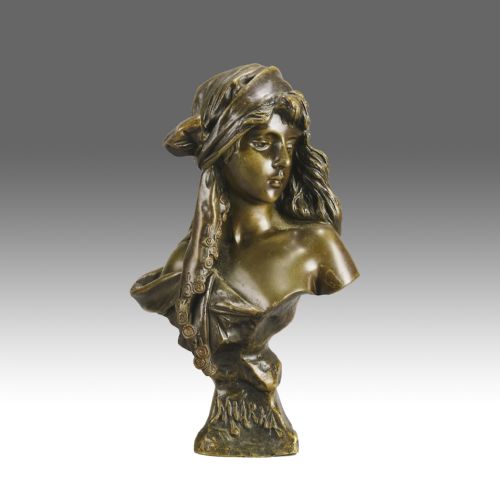





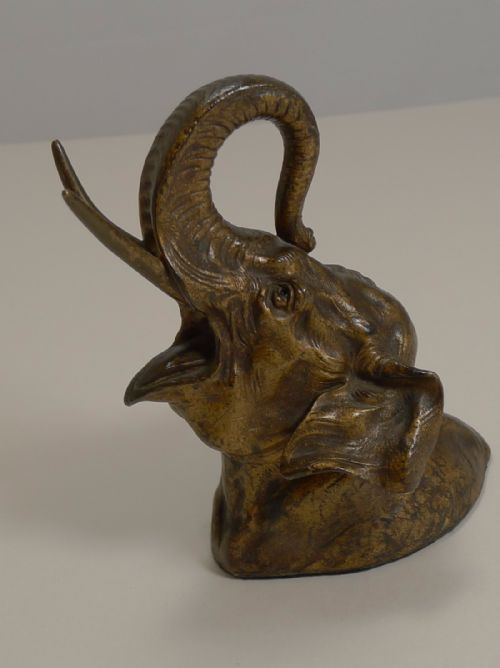


Brown Bronze Head Sculpture
These brown bronze head sculpture pieces capture portraiture across the nineteenth and early twentieth centuries, offering lasting character for any room.
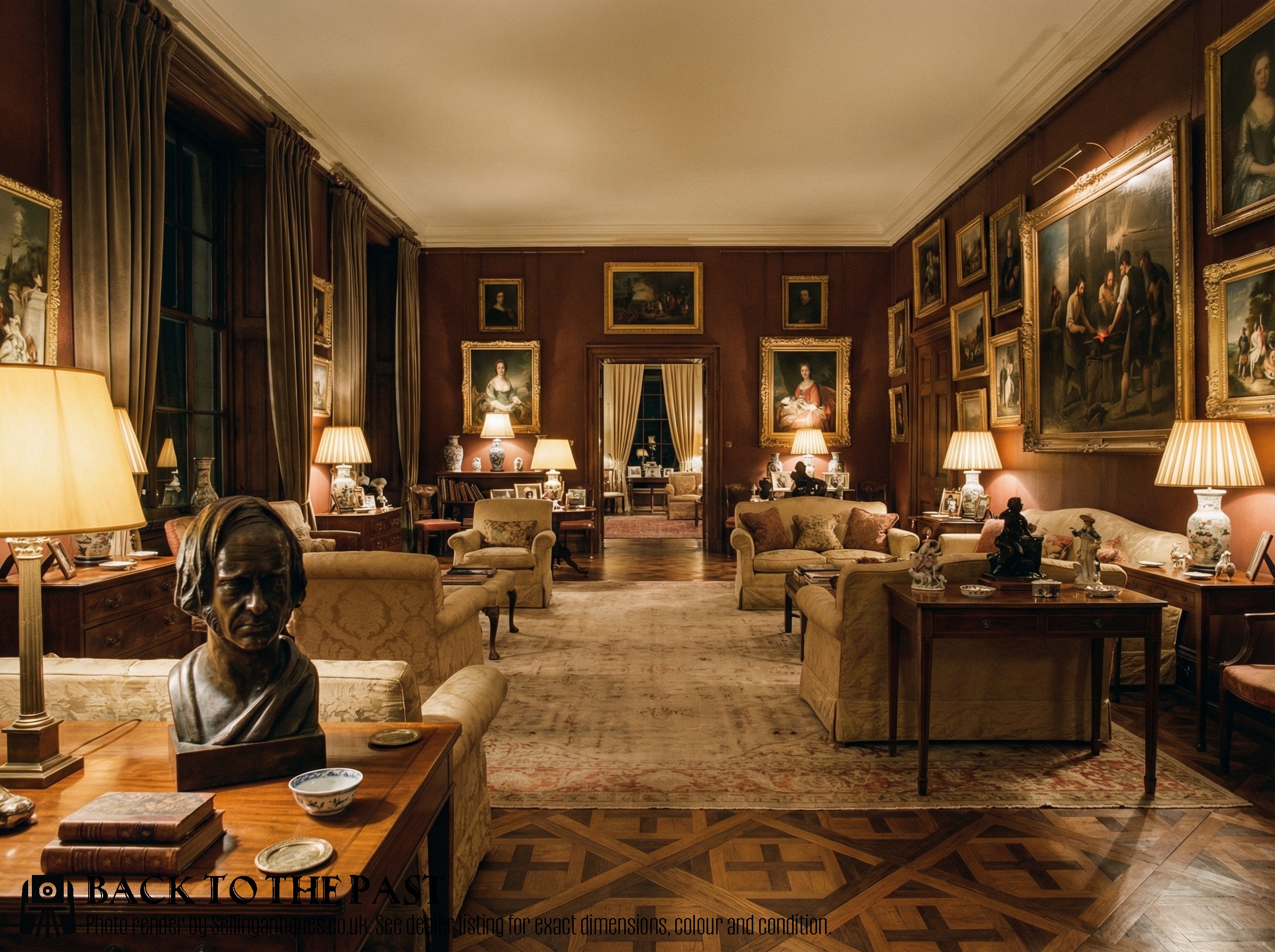
Brown Bronze Head Sculpture
A brown bronze head sculpture represents individual likenesses through metal casting, spanning periods from the late nineteenth century into the 1930s. These works take the form of portrait busts and figural desk accessories such as inkwells.
The selection here encompasses French, Italian, and Scottish origins, reflecting styles from Art Nouveau and Art Deco to Academic Realism. Subjects range from historical figures and artists to anonymous youths and international sitters.
French nineteenth-century academic foundry work dominates the metal pieces, alongside occasional terracotta, plaster, and cast iron examples. Each piece serves as a permanent study of human expression and dress from its era.
How they were made
Metal portrait pieces utilise the traditional lost-wax or sand-casting methods to capture fine facial details and hair texture. Foundries then apply chemical patination treatments to achieve the characteristic brown surface tones.
Alternative materials in the evidence include plaster and terracotta, which allow modellers to record direct touches from the studio before firing or setting. Plaster works often receive a painted or patinated finish to resemble metal.
Many metal busts are mounted on integral or separate marble plinths, providing weight and a finished architectural base. The combination of patinated bronze and veined stone defines the standard presentation of the period.
Brown Bronze Head Sculpture Retail Price Guide 2026
Typical asking prices for brown bronze head sculpture among the pieces listed under this phrase on Sellingantiques today, from the lower quarter to the upper quarter. They describe what is for sale here now, not the wider market.
Materials span patinated bronze, cast iron, terracotta, plaster, and marble.
What varies in quality
The depth and consistency of the brown patination contribute significantly to the visual success of a surface. Superior patination shows careful layering rather than flat, uniform paint.
The quality of the material substrate, such as dense multi-toned marble bases and heavy metal alloys, dictates the overall presence of the object.
Emmanuel Villanis·Alajos Strobl·Adolphe Jean Lavergne·Leonhard Posch·Eutrope Bouret·Ernest Louis Adnin
The Brown Bronze Head Sculpture Glossary
- Patination
- The chemical or natural coloration applied to the surface of a bronze sculpture. This process produces the rich brown tones seen on nineteenth-century metalwork.
- Bust
- A sculpted or cast representation of a person from the chest up. This format focuses attention entirely on the facial expression and shoulder drapery.
- Lost-wax casting
- A metalworking process where a molten metal is poured into a mould that has been created by means of a wax model. This technique allows for intricate undercut details in portrait sculpture.
- Terracotta
- Fired unglazed clay used for sculptural models and finished portrait busts. It offers a warm earthen texture distinct from metal casts.
- Chasing
- The art-metalworking technique of refining a cast surface by hand using hammers and punches. This step restores lost detail and removes casting flaws.
Brown Bronze Head Sculpture: Frequently Asked Questions
How do I clean a bronze bust?
Dust the surface gently with a soft, dry brush to remove particles without disturbing the patination. Avoid using water, soap, or chemical polishes, which can strip away historic finishes.
Apply a very light coat of microcrystalline wax occasionally if the metal appears dry, buffing it off gently with a clean cloth. This protects the brown surface from atmospheric moisture.
Where should I display these sculptures?
Place heavier pieces on stable, level surfaces such as sturdy sideboards, desks, or dedicated mantelpieces. Ensure the furniture supports the combined weight of the metal and any marble base.
Keep the sculpture away from direct sunlight and strong heat sources to protect patinated surfaces and plaster materials from gradual degradation.
How can I tell the period of a bust?
Examine the clothing, hairstyle, and facial hair of the sitter, which usually reflect the fashion of the casting date. Art Nouveau pieces often feature flowing hair and organic lines characteristic of the turn of the twentieth century.
Inspect the base and underside for foundry marks, artist signatures, or mounting construction typical of nineteenth-century French and European workshops.
Are these pieces hollow or solid?
Most bronze portrait busts are cast hollow to reduce weight and metal usage during production. This technique requires varying wall thicknesses that skilled founders managed carefully.
Plaster and terracotta examples may be solid or cast with thick structural walls depending on the maker's studio practice.