

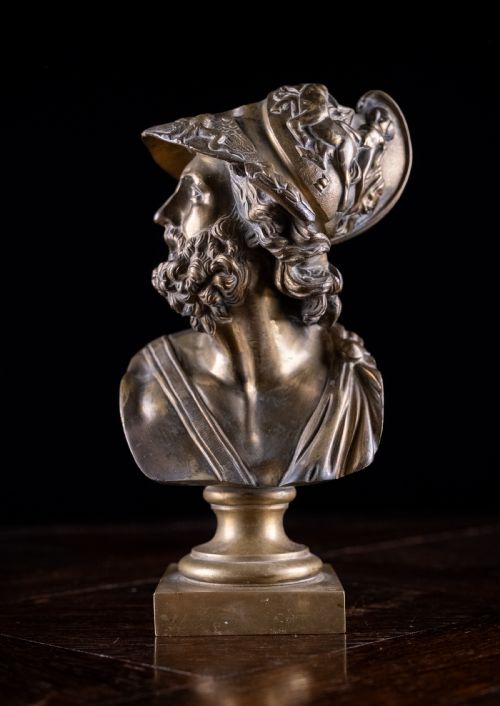


Classical Greek Bust
These classical greek bust pieces bring mythology and philosophy into the room, cast in bronze, marble, and plaster through nineteenth-century revivals.
Classical Greek Bust
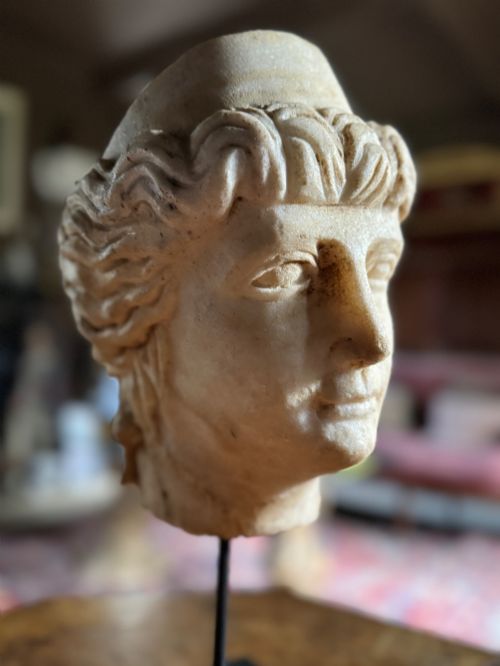
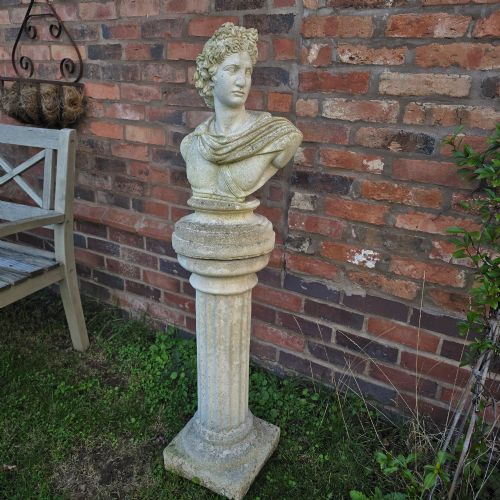
A classical greek bust represents figures from mythology, poetry, and history, drawing on ancient models through nineteenth-century interpretations.
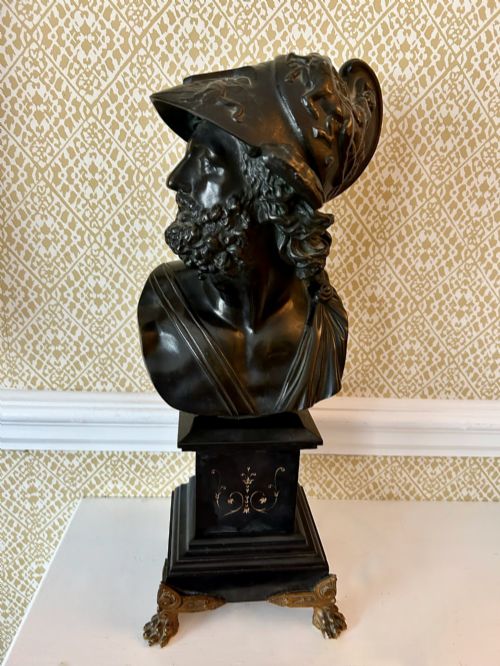
The most common version met here is the Grand Tour bronze or patinated plaster study depicting poets, philosophers, and deities.
These sculptures and small intaglio rings capture subjects like Homer, Apollo, Zeus, and Ajax, reflecting neoclassical taste across the eighteenth and nineteenth centuries.
How they were made
Foundry casting brought metals into form, utilising bronze, gilt bronze, ormolu, and metal to create enduring library studies and decorative objects.
Plaster provided an accessible medium for detailed portrait busts, while hardstones such as agate and carnelian were carved for smaller intaglio rings.
Classical Greek Bust Retail Price Guide 2026
Typical asking prices for classical greek bust among the pieces listed under this phrase on Sellingantiques today, from the lower quarter to the upper quarter. They describe what is for sale here now, not the wider market.
Listings feature periods spanning from the eighteenth century through to nineteen thirty, predominantly centred on nineteenth-century bronze and plaster works.
What varies in quality
Patination and surface finish dictate visual depth, distinguishing carefully patinated bronze and verdigris surfaces from simpler finishes.
The Classical Greek Bust Glossary
- Grand Tour
- A nineteenth-century travel tradition where wealthy collectors acquired souvenir bronzes and plaster studies of classical antiquities. These pieces often reproduce famous museum sculptures seen during travels through Italy and Greece.
- Neoclassical
- An artistic movement reviving the styles and subjects of ancient Greece and Rome. It prioritises proportion, classical restraint, and mythological themes.
- Ormolu
- Finely ground high-carat gold applied to a bronze object through mercury gilding. This technique creates a rich, warm metallic lustre.
- Intaglio
- A gemstone or ring carved beneath the surface so that an impression in wax produces a raised relief. Georgian examples frequently utilised agate and carnelian for classical motifs.
- Patination
- The natural or chemical alteration of a metal surface over time. Controlled patination enhances the contours and depth of sculptural bronzes.
Classical Greek Bust: Frequently Asked Questions
What is a Grand Tour bust?
A Grand Tour bust is a nineteenth-century souvenir cast in bronze, metal, or plaster for travellers visiting classical sites in Europe.
These pieces served as portable representations of ancient Greek sculpture, depicting philosophers, poets, and mythological figures for home display.
How do I date a classical bust?
Dating relies on material analysis, casting techniques, and surface patination typical of the eighteenth and nineteenth centuries.
Neoclassical revival pieces often bear specific foundry marks or stylistic indicators pointing towards nineteenth-century production methods.
What materials were used?
Sculptures commonly utilise bronze, gilt bronze, ormolu, and patinated plaster, while smaller wearable items feature carved hardstones like agate.
Each material determined the weight and finish of the study, from heavy metallic casts to delicate carved rings.
Who do these busts depict?
Subjects include figures from Greek mythology and literature, such as Apollo, Homer, Zeus, and philosophers like Hippocrates.
These identifiable portraits reflect the classical education and literary interests of collectors during the Georgian and Victorian eras.