


Chinese Jade Pendant
These chinese jade pendant selections bring together centuries of lapidary skill, offering wearable symbols of dragons, deities, and auspicious natural forms.
Chinese Jade Pendant
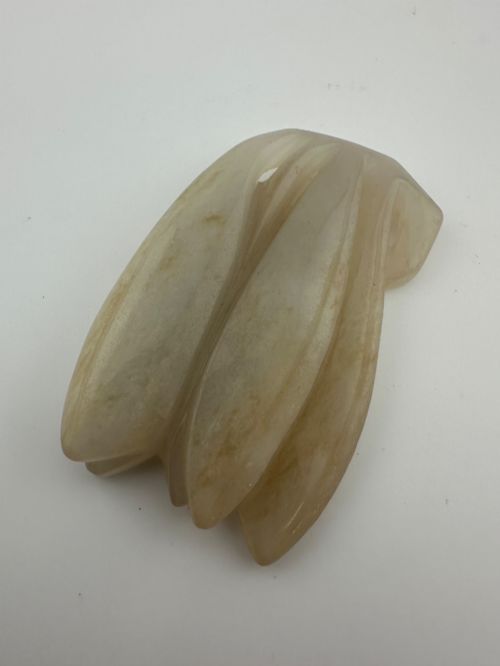
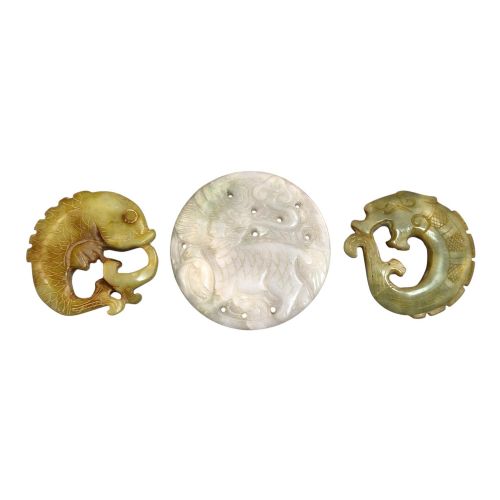
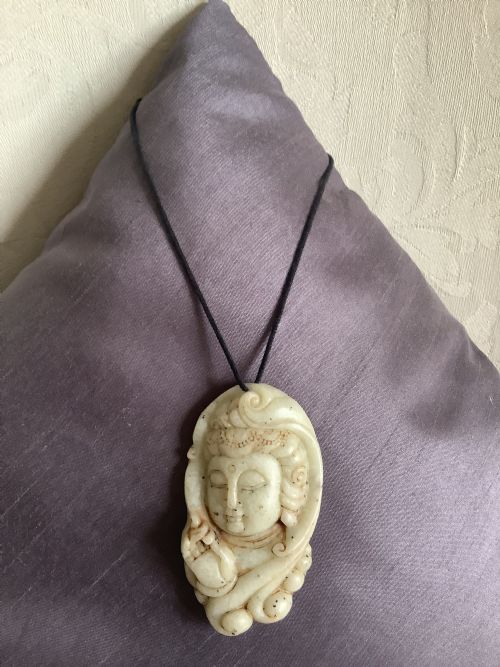
A chinese jade pendant combines traditional lapidary artistry with portable symbolism, often depicting creatures like dragons, pixiu, and carp alongside floral motifs. The pieces range from the intricate handiwork of the Qing dynasty and the Republic period through to Edwardian interpretations.
Buyers frequently encounter pale celadon jade, white jade, and rich jadeite pieces shaped into plaques, bi discs, and figurative carvings. These objects bridge decorative sculpture and personal adornment, designed to carry specific cultural meanings for the wearer.
Materials and Carving Techniques
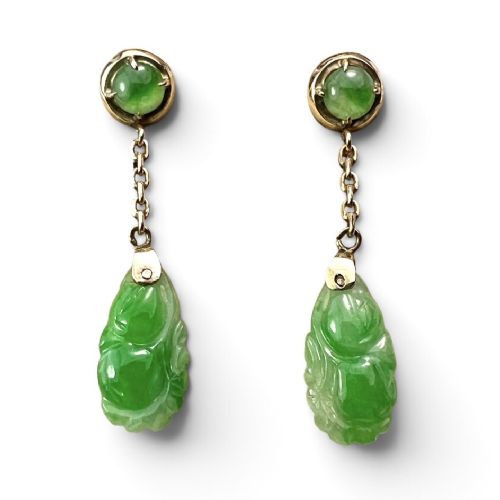
Lapidaries shaped these stones using abrasive sands and rotating tools to achieve deep relief and pierced openwork. The materials span nephrite and jadeite, often mounted in gold, platinum, and set with diamonds.
The natural variation in the stone dictates the composition, with celadon and green tones utilised to highlight specific elements of carved dragons, cicadas, and lotus flowers.
Squirrels make occasional appearances alongside mythical dragons, nibbling on stone fruit in miniature.
Distinctions in Quality
The standard of carving defines the piece, separating shallow surface incisions from deep, crisp undercutting that gives figures and mythical beasts a distinct presence. Translucency and evenness of colour within the jadeite or nephrite also alter the visual depth.
Mounts in precious metals like gold, platinum, or diamond accents reflect the period's luxury, though the primary focus remains on the mastery displayed in the stone itself.
The Chinese Jade Pendant Glossary
- Jadeite
- A pyroxene mineral that yields bright green, lavender, and translucent stones favoured in later periods. It differs mineralogically from nephrite while sharing similar toughness.
- Nephrite
- An amphibole mineral known for its dense, fibrous structure, widely used in traditional carvings. It ranges in colour from white and grey to pale celadon.
- Celadon
- A pale grey-green glaze or stone colour reminiscent of jade, highly valued in traditional East Asian aesthetics. This hue occurs naturally in iron-bearing mineral deposits.
- Bi disc
- A flat circular jade artefact with a circular hole in the centre, often associated with heaven and spiritual continuity. Ancient forms evolved into decorative motifs on later pendants.
- Pixiu
- A mythical winged creature in Chinese lore known for attracting wealth and guarding against misfortune. It appears frequently in carved jade ornaments.
Chinese Jade Pendant: Frequently Asked Questions
How do I identify a Qing dynasty pendant?
Qing pieces often display deep relief work, intricate detailing of mythical beasts, and pale celadon or white nephrite. The subject matter typically draws from traditional iconography and historical motifs.
Examination of the drill holes and tool marks under magnification helps distinguish period hand-working methods from later machine production.
What is the difference between jadeite and nephrite?
Jadeite and nephrite are two distinct mineral species that both fall under the term jade. Jadeite tends to be brighter and more vitreous, while nephrite possesses a greasy lustre and extreme toughness.
Both materials appear across different eras of Chinese carving, with nephrite dominating earlier centuries and jadeite becoming prominent later.
How should I care for antique jade?
Antique jade benefits from gentle cleaning with warm water and a soft cloth, avoiding harsh chemical ultrasonic cleaners. Proper storage away from harder gemstones prevents surface scratching.
Periodic checks of any gold or platinum settings ensure the stone remains secure in its mount.
What do dragon carvings symbolise?
Dragons in Chinese art represent power, strength, and good fortune, often paired with pearls or chasing clouds. These motifs carry deep cultural significance rooted in imperial symbolism.
Carvings of dragons and chi dragons reflect the maker's skill in navigating the natural grain of the stone.