




Oriental Jade Carving
An oriental jade carving brings centuries of master lapidary work into your home, offering tactile figures, vessels, and scholarly objects shaped from nephrite and jadeite.
Oriental Jade Carving
When you search for oriental jade carving, you encounter pieces spanning the Qing Dynasty through the Republic period and the early twentieth century.
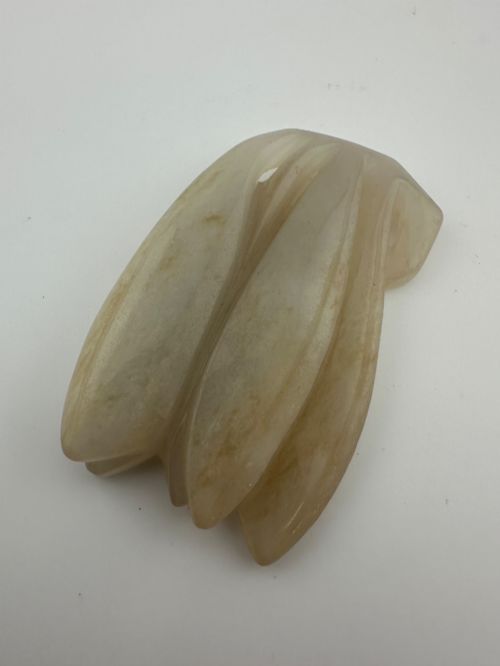
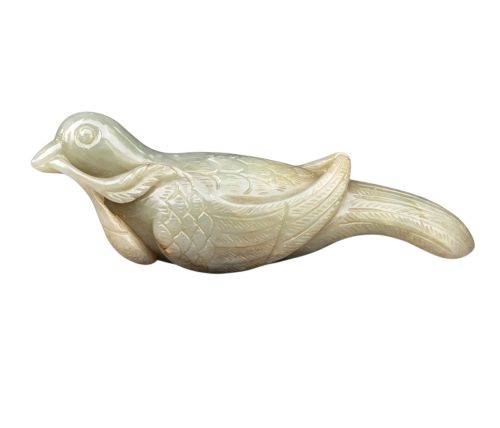
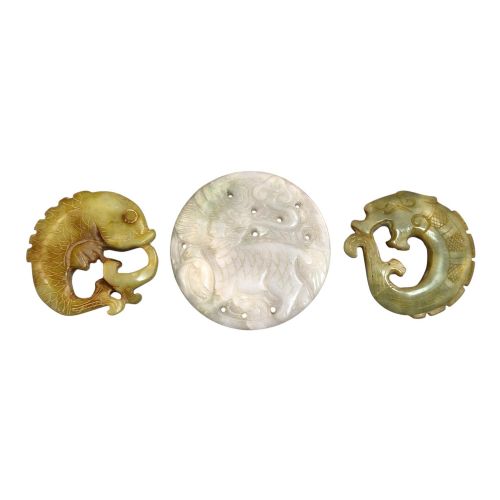
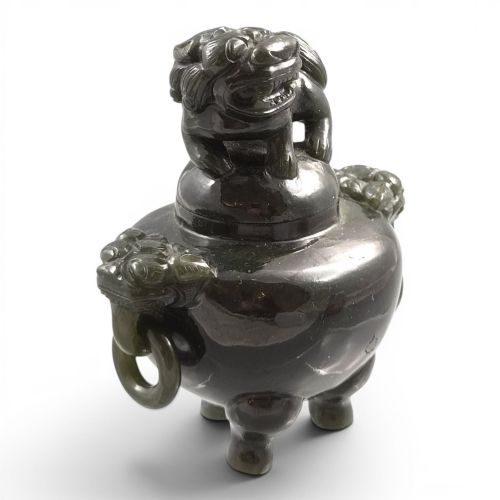
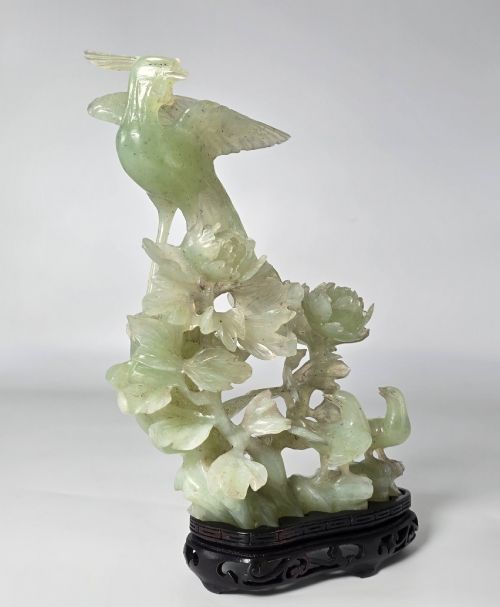
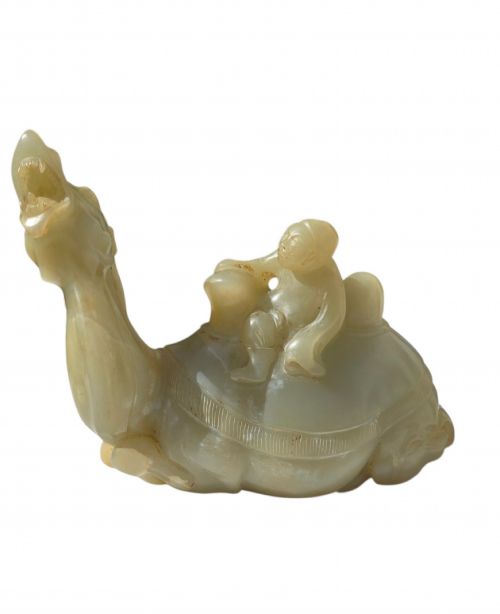
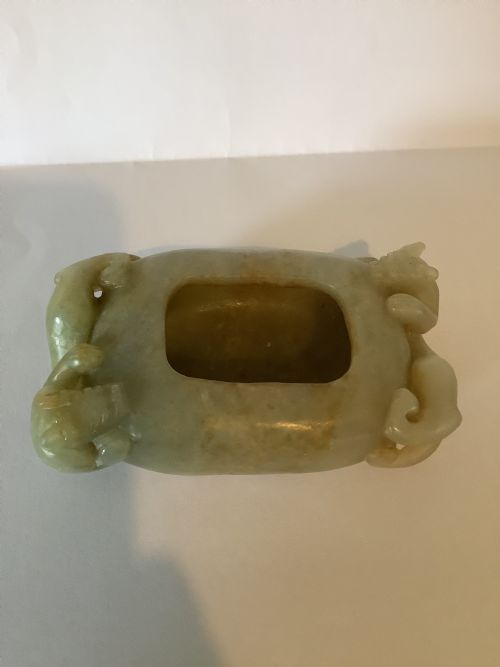
The selection ranges from functional scholar's items like brush washers and water birds to decorative pendants, censers, and substantial mountain landscape sculptures.
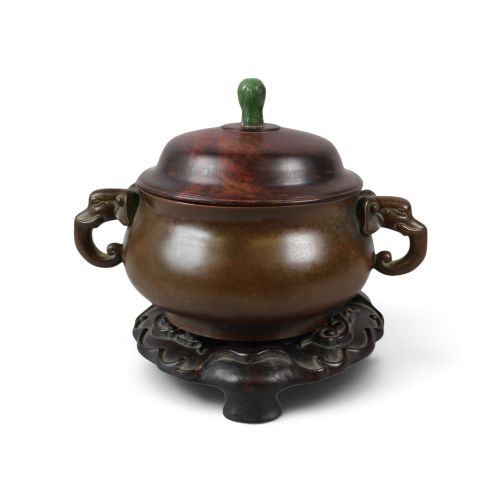
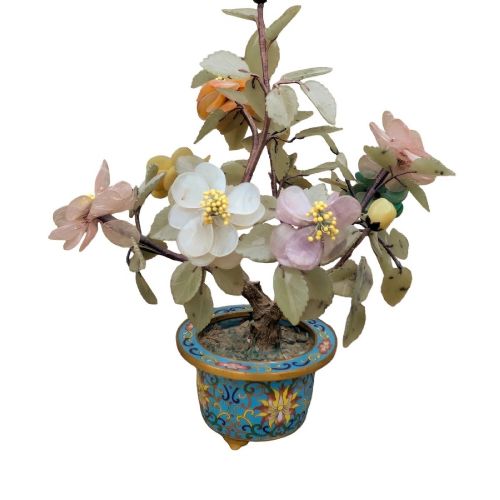
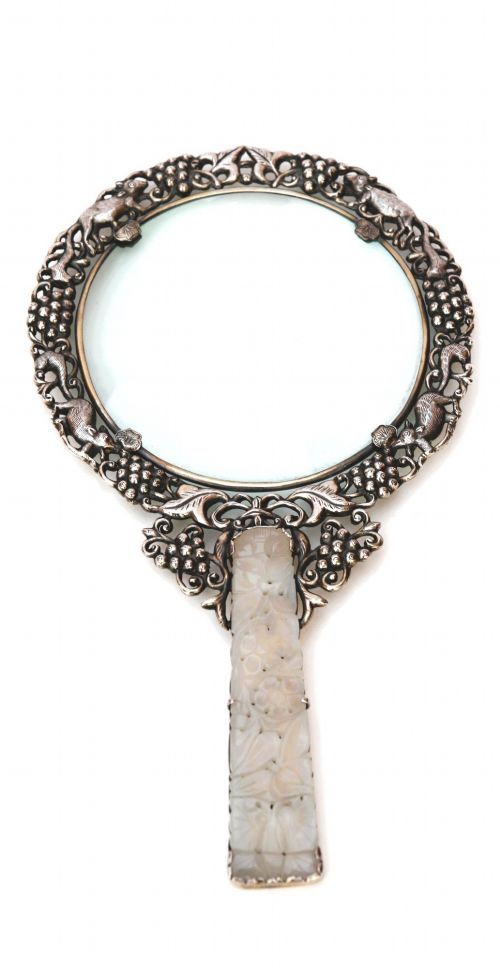
Many examples are paired with custom hardwood stands or integrated into silver and cloisonné settings, reflecting traditional Chinese craftsmanship and imperial styles.
How they were made
The primary materials recorded are nephrite and jadeite, alongside related hardstones, bownite serpentine, and celadon jade, shaped through meticulous abrasive cutting and polishing.
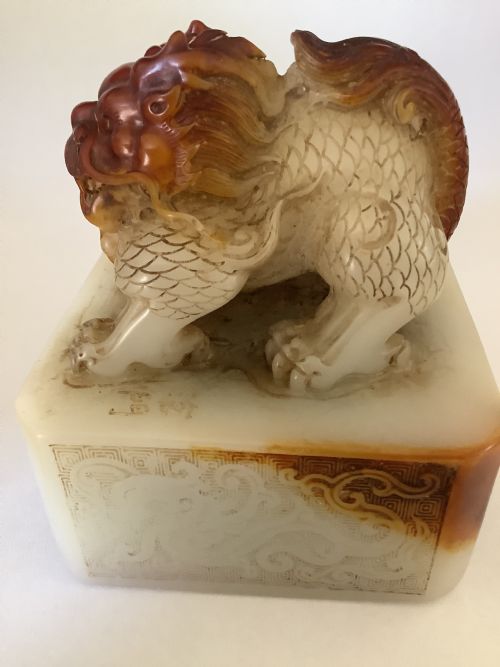
Artisans utilised natural russet inclusions and colour variations within the stone to highlight specific motifs like dragons, fish, and birds.
Mounts and structural elements frequently incorporate carved hardwood stands, silver settings, and bronze or cloisonné details to support and elevate the mineral forms.
Oriental Jade Carving Retail Price Guide 2026
Typical asking prices for oriental jade carving among the pieces listed under this phrase on Sellingantiques today, from the lower quarter to the upper quarter. They describe what is for sale here now, not the wider market.
The listings span from the eighteenth-century Qing Dynasty through the Edwardian era and 1930s, utilising jade, hardstone, nephrite, hardwood, and silver.
What varies in quality
Quality depends upon the lapidary's handling of the natural material, distinguishing fluid, deeply undercut motifs from stiff or shallow relief work.
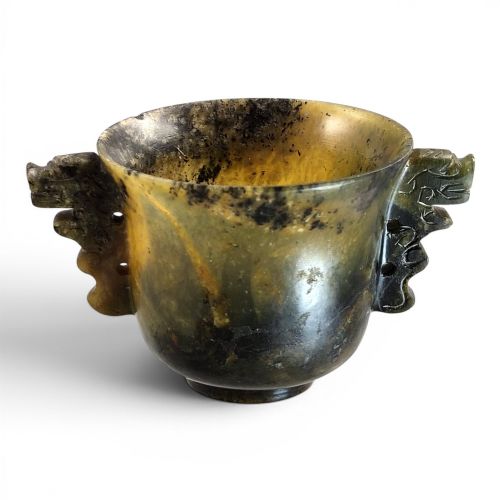
Superior examples demonstrate a harmonious integration of the stone's natural colour variations, such as pale celadon and russet tones, into the subject matter.
The sophistication of secondary elements, including bespoke hardwood stands and fine silver mounts, often aligns with the artistic ambition of the central carving.
The Oriental Jade Carving Glossary
- Nephrite
- A dense, tough amphibole mineral that forms the traditional medium for historic Chinese carvings. It ranges in colour from white to dark green.
- Jadeite
- A pyroxene mineral valued for its vibrant green tones and glassy lustre, frequently seen in Republic period jewellery and pendants.
- Celadon
- A pale green jade or ceramic glaze colour reminiscent of sea-green porcelain. It is particularly prized in scholarly Qing Dynasty items.
- Archaistic
- A decorative style that deliberately mimics the forms, motifs, and patination of ancient ritual bronzes from earlier dynasties.
- Taotie
- A mythical zoomorphic mask motif commonly found on ancient ritual vessels and later jade cups and censers.
Oriental Jade Carving: Frequently Asked Questions
How do I care for my jade carving?
Keep your carving away from direct sunlight and sudden temperature shifts to protect the natural mineral structure and any associated hardwood stands. Clean the surface gently with a soft, dry cloth rather than harsh chemical solutions.
Handle heavier desk seals, censers, and sculptures with two hands to avoid straining any delicate projecting handles or custom stands.
What is the difference between nephrite and jadeite?
Nephrite is a fibrous amphibole mineral known for extreme toughness, historically used for centuries in Chinese scholar objects and ritual pieces. Jadeite is a pyroxene mineral that tends to show brighter translucent colours and vitreous finishes.
Both materials appear across different eras on this page, with nephrite dominating earlier imperial items and jadeite common in twentieth-century pieces.
How do I date an oriental jade carving?
Dating relies on stylistic clues, carving depth, and the specific iconography associated with periods like the Qing Dynasty or the Republic period. Forms mimicking ancient bronzes point toward archaistic revivals, while specific reign marks or mounting styles provide further chronological markers.
Comparing the tool marks and polish to documented examples helps separate nineteenth-century works from twentieth-century revivals.
What were jade brush washers used for?
Scholars utilised jade brush washers on their desks to clean ink brushes during calligraphy and painting sessions. These shallow vessels often featured carved aquatic motifs, lotus forms, or natural pebble shapes.
Their presence on a scholar's desk signified refinement, scholarly pursuits, and a connection to traditional literati culture.