

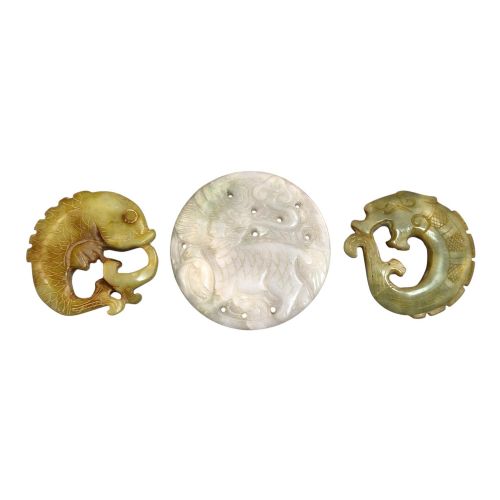


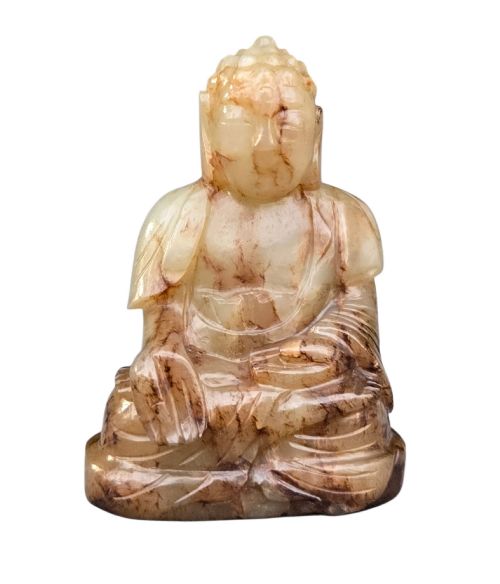

Celadon Nephrite Carving
These celadon nephrite carving pieces combine ancient mineral substance with precise traditional Chinese hand-work.
Celadon Nephrite Carving
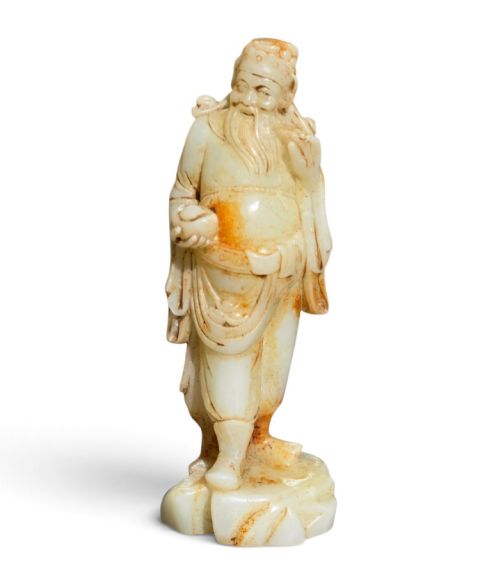
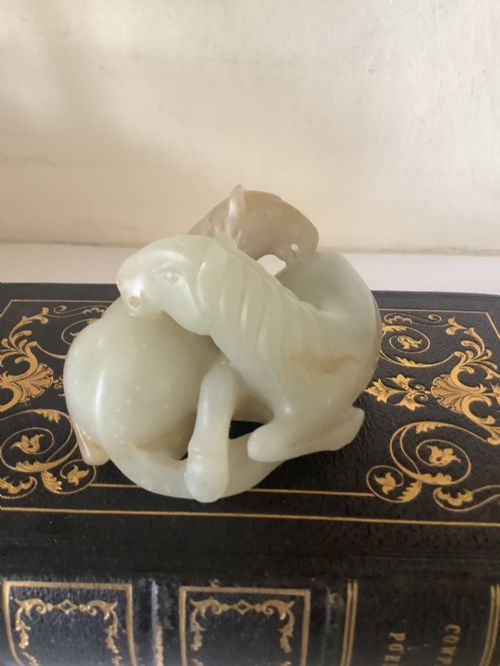
A celadon nephrite carving represents a tradition of working dense silicate minerals into functional and symbolic forms. These pieces include pendants, amulets, vessels, and figural sculptures spanning multiple Chinese dynasties and later periods. The forms range from small animal figures and bi discs to larger landscape sculptures and scholar's desk items.
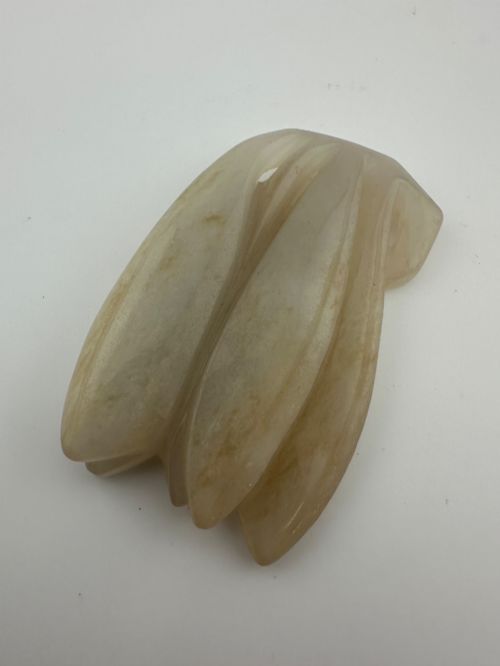
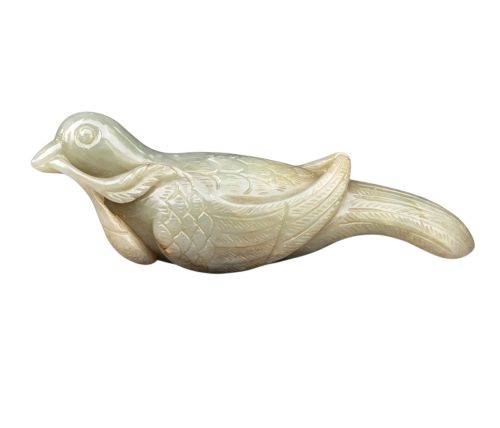
Buyers will encounter items originating from the Ming and Qing dynasties alongside Republic period pieces and early twentieth-century examples. The physical forms reflect traditional motifs such as dragons, horses, roosters, deities, and natural elements like lotus cups and water birds. Each item utilises the natural tonal variations found within the stone to emphasise specific details of the subject.
The selection on this page demonstrates the diverse application of nephrite and jade across several centuries of Asian decorative art. Earlier examples often carry imperial associations or traditional auspicious symbolism, whilst later pieces maintain the same material discipline. This variety allows collectors to focus on specific historical eras or particular sculptural motifs.
Materials and Working Methods
The material used is nephrite jade, a tough calcium-magnesium silicate noted for its fibrous micro-structure, supplemented by related hardstone and soapstone variants. This dense mineral requires abrasive grinding rather than direct cutting, using quartz sand or garnet powder applied with rotary tools or hand drills. Artisans shape the stone slowly, respecting the natural inclusions and russet skin markings often preserved within the composition.
Surface finishing involves extended polishing using progressively finer abrasives to achieve either a soft, waxy lustre or a bright sheen. Many items incorporate fitted hardwood stands designed specifically to support the sculpture or vessel securely. The relationship between the natural colour gradients of the stone and the carved subject demonstrates a precise command of material constraints.
Celadon Nephrite Carving Retail Price Guide 2026
Typical asking prices for celadon nephrite carving among the pieces listed under this phrase on Sellingantiques today, from the lower quarter to the upper quarter. They describe what is for sale here now, not the wider market.
Listings feature periods ranging from pre-16th century Ming work through to Qing dynasties, the Republic period, and the early 20th century.
Assessing the Carving
The refinement of the surface polish also separates standard production from exceptional work. Finer examples retain crisp edges on decorative motifs whilst maintaining a smooth, tactile transition across curved planes. The inclusion of an original, well-fitted hardwood stand further indicates the attention paid to the object during its period of origin.
The Celadon Nephrite Carving Glossary
- Nephrite
- A compact, fibrous amphibole mineral possessing high toughness and resistance to fracture. It serves as the primary medium for traditional Chinese hardstone carving.
- Celadon
- A pale green or grey-green tone inherent in certain mineral deposits or imitated in ceramic glazes. In these carvings, it describes the natural hue of the stone.
- Bi
- A flat circular jade disc with a circular hole in the centre. Historically used as a ritual object, it frequently incorporates traditional dragon or Qilin motifs.
- Pixiu
- A mythical winged hybrid creature prominent in Chinese symbolism. It is traditionally associated with attracting wealth and guarding domestic spaces.
- Russet
- The reddish-brown coloration found on the outer skin of unworked jade boulders. Carvers often incorporate this contrasting layer into the design of the piece.
Celadon Nephrite Carving: Frequently Asked Questions
How do I care for jade carvings?
Nephrite is a durable material that requires minimal maintenance beyond occasional dusting with a soft, dry cloth. Avoid harsh chemical cleaners and protect pieces from hard impacts that might damage protruding elements or fitted stands.
Display items away from direct sunlight and extreme temperature fluctuations to preserve the stability of both the stone and any accompanying organic materials like hardwood.
What is the difference between jadeite and nephrite?
Nephrite is an amphibole silicate with a dense, interlocking fibrous structure that makes it extremely tough. Jadeite is a pyroxene mineral with a granular structure that often displays greater translucency and a wider range of bright colours.
Historical Chinese carvings from the Ming and Qing periods predominantly utilise nephrite rather than jadeite.
How can I tell the period of a carving?
Dating relies upon stylistic conventions, the subject matter, the execution of the tool marks, and the natural characteristics of the stone. Earlier pieces often display deeper ritual or scholar's associations, whilst Republic period and twentieth-century items incorporate specific decorative refinements.
Comparing the handling of motifs against established dynastic standards helps clarify the likely era of manufacture.
Why do some pieces include wooden stands?
Traditional Chinese scholar's objects and sculptures were frequently created to be displayed from specific angles on custom-carved hardwood stands. These stands provide physical stability for uneven bases and elevate the visual presentation of the sculpture.
An original, well-fitted stand is an integral component of the object's history and design.