


Jadeite Chinese Carving
Jadeite Chinese carving brings together natural green mineral tones and detailed lapidary work, prized for both traditional symbolism and decorative form.
Jadeite Chinese Carving
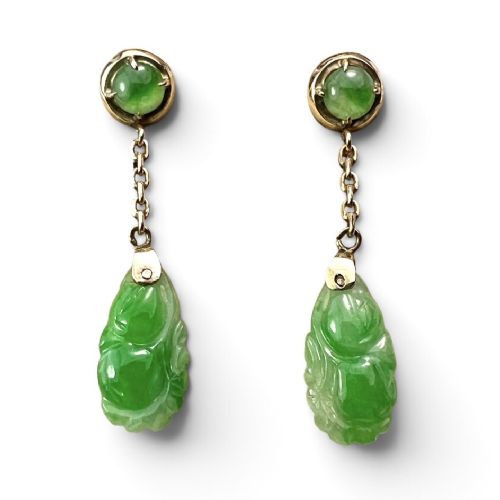
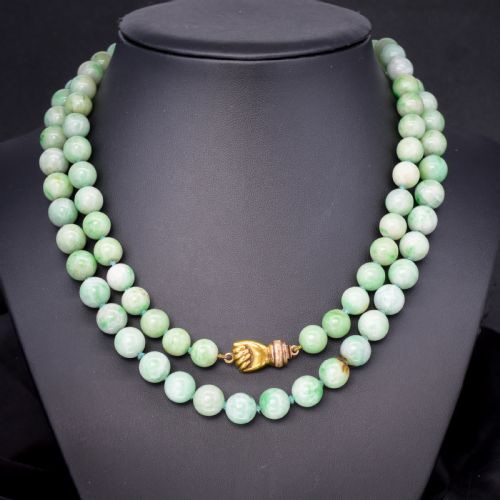
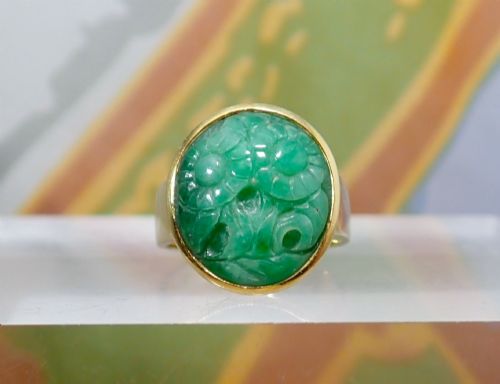
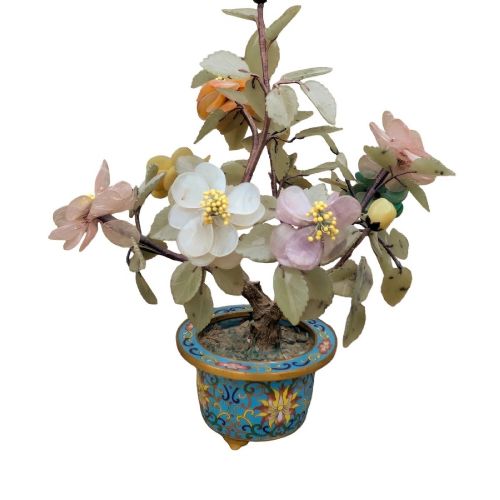
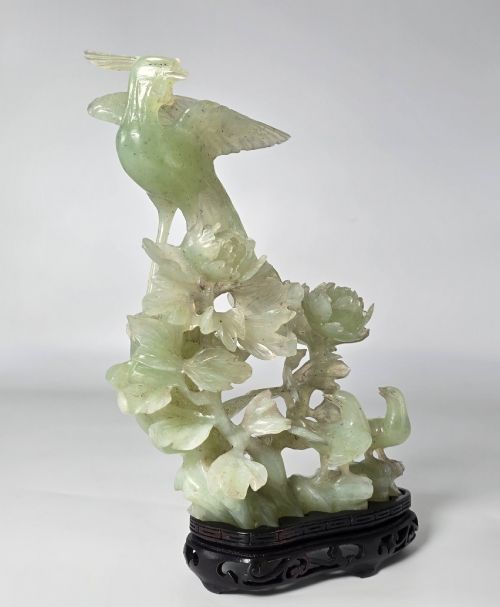
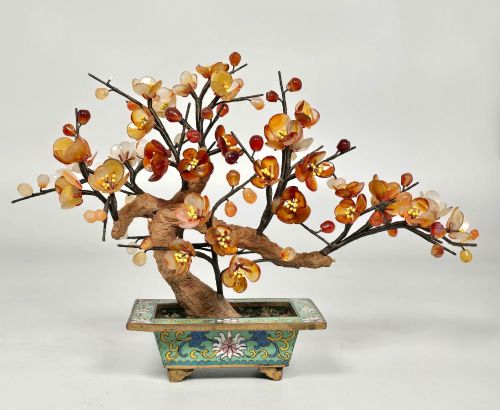
A jadeite Chinese carving comprises sculptures, plaques, pendants, and decorative objects shaped from dense mineral material. Pieces range from small amulets and rings to larger mountain landscape sculptures and figural groups.
The objects appearing here span the nineteenth century through the mid-twentieth century, encompassing Qing Dynasty traditions, Republic Period items, and Western-influenced Art Deco jewellery settings. Buyers frequently encounter smaller personal ornaments alongside larger display carvings.
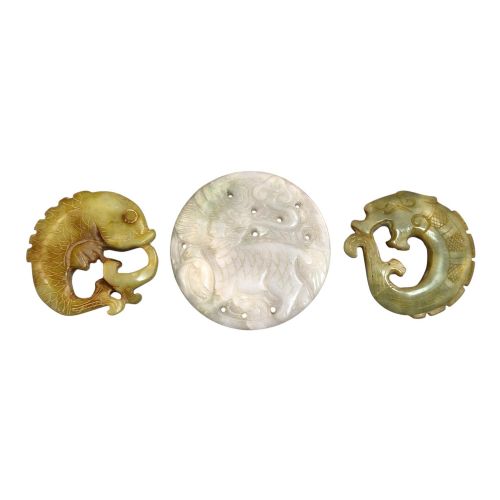
Traditional iconography dominates the forms, depicting dragons, carp, birds, and botanical motifs. These historical pieces preserve the lapidary methods and aesthetic priorities of their respective periods.
Distinctions in quality
Quality rests primarily on the translucency, colour saturation, and natural grain of the jadeite itself, alongside the depth and ambition of the carving. Superior examples display subtle shifts in tone and confident, uncluttered execution of complex motifs like dragons or landscapes.
The integration of the material with its setting also defines the upper tier of pieces, where metalwork or carved wooden bases enhance rather than overpower the central stone. Precision in finishing distinguishes master lapidary work from more commercial production.
Materials paired with the stone include gold, platinum, diamonds, pearls, cloisonné, and fitted hardwood stands.
The Jadeite Chinese Carving Glossary
- Jadeite
- A pyroxene mineral valued for its vibrant green colours and granular structure. It is distinct from nephrite, though both are traditionally termed jade.
- Qing Dynasty
- The final imperial dynasty of China, spanning from the seventeenth to the early twentieth century. Pieces from this era often carry formal traditional motifs.
- Republic Period
- The era in Chinese history following the collapse of the imperial system, noted for continued high-level craftsmanship. Work from this time often blends traditional subjects with evolving aesthetic tastes.
- Bi Disc
- A flat circular jade artefact with a circular hole in the centre. Historically associated with ritual, these forms persisted in later decorative amulets.
- Chilong
- A mythical horned dragon frequently depicted in low relief on carvings. This motif appears widely across Qing and Republic period items.
Jadeite Chinese Carving: Frequently Asked Questions
How do I care for a jadeite carving?
Clean the stone using a soft damp cloth and mild soapy water if necessary, avoiding harsh chemical cleaners or ultrasonic machines.
Store pieces individually to prevent scratches from harder gemstones or metal mounts, particularly when dealing with vintage gold settings.
What is the difference between jadeite and nephrite?
Jadeite is a sodium aluminium silicate with a crystalline, granular structure, whereas nephrite is a calcium magnesium silicate with a fibrous, interlocking matrix.
Both materials appear in historical carvings, but jadeite typically exhibits brighter green tones and greater translucency.
How can I tell the period of a carving?
Dating relies on stylistic markers, such as the geometric mount designs of Art Deco jewellery versus the traditional iconography of Qing dynasty plaques.
Material choices, including the use of platinum or specific gold carat standards, also help establish the chronological context of the piece.
Were these pieces meant to be worn or displayed?
The selection includes both personal ornaments like rings, pendants, and earrings designed for daily wear, and larger sculptures intended for static display.
Display pieces often incorporate bespoke hardwood stands or function as desk ornaments and head rests.