


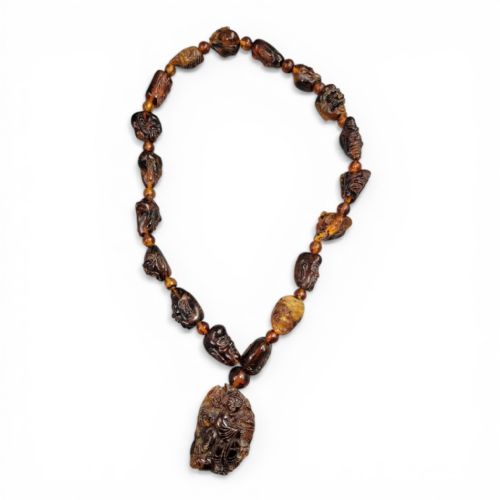


Antique Chinese Jewellery
Antique chinese jewellery encompasses carved jadeite, solid silver and gold pieces spanning the nineteenth century through the mid-twentieth century.
Antique Chinese Jewellery
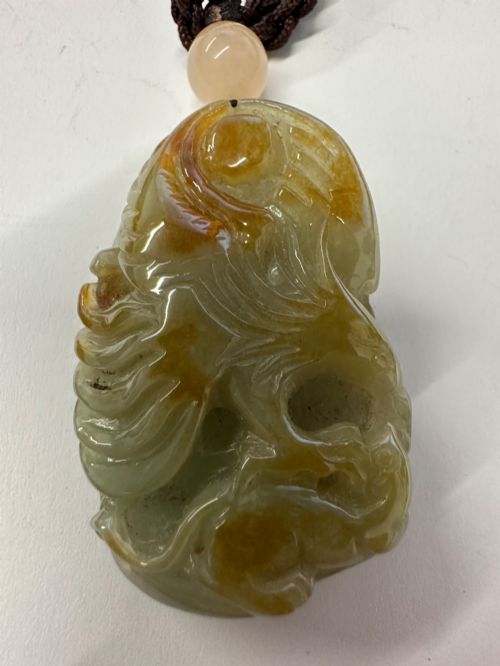
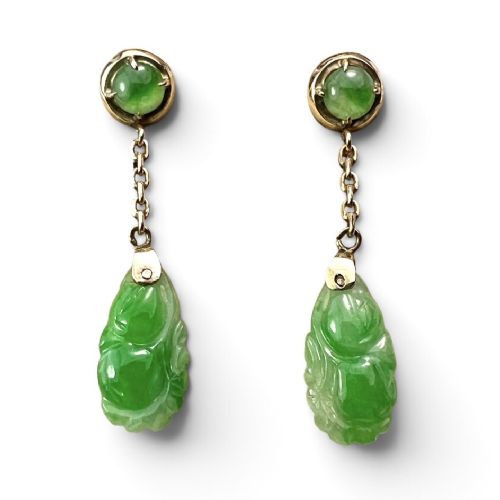
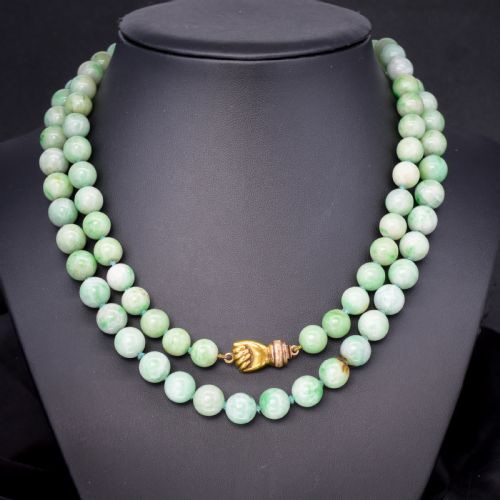
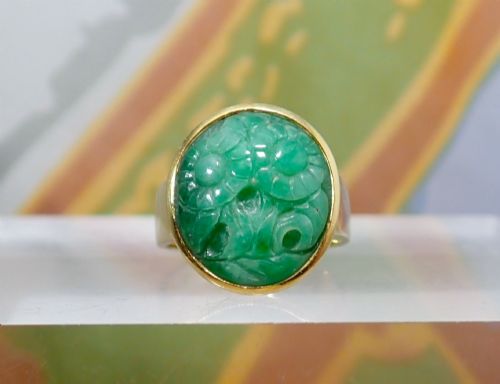
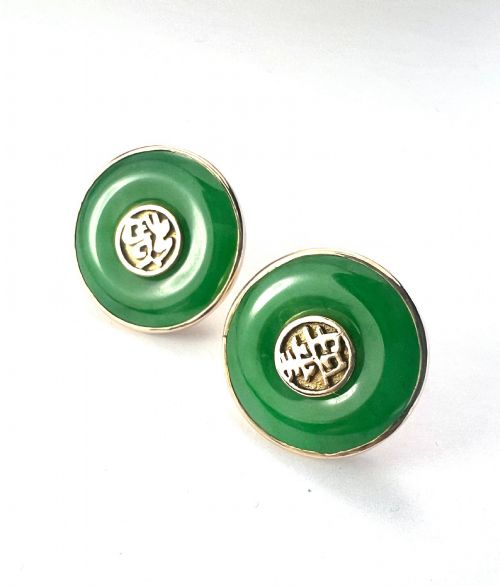
When buyers search for antique chinese jewellery, they encounter personal adornments such as jadeite drop earrings, carved jade bangles, bead necklaces, and intricate pendants depicting dragons or deities alongside solid silver and gold rings.
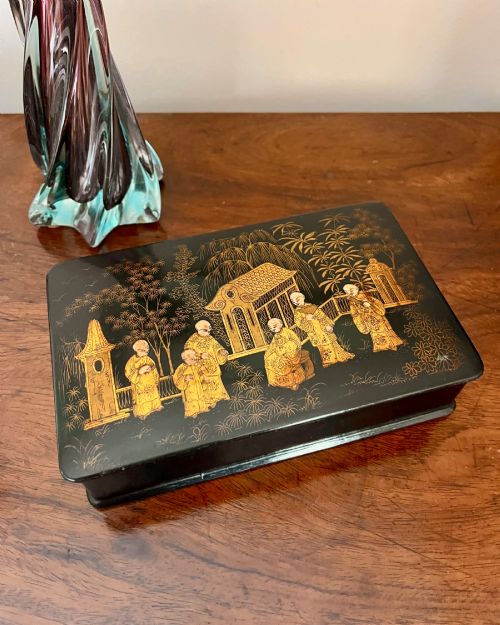
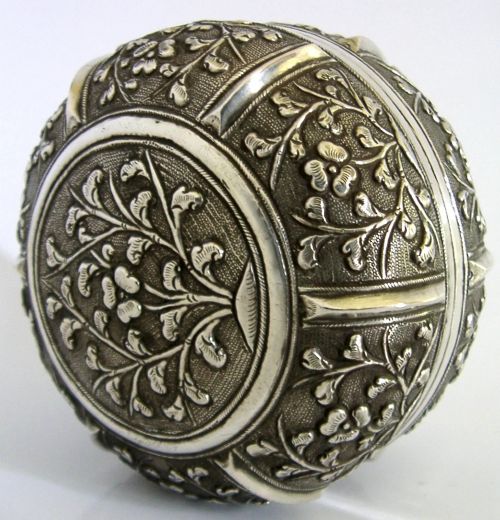
The pieces on this page also include functional wearable items like gilt silver belt buckles and decorative boxes associated with personal ornament collections.
Originating across periods from the Qing dynasty through the Republic period and the mid-twentieth century, these items reflect diverse manufacturing eras.
Materials and construction methods
Items rely on hardstones, particularly natural green jadeite and white jade, shaped into pendants, bangles, and rings often mounted in gold, silver, or brass.
Metalwork utilises solid silver and gold, frequently incorporating detailed silver filigree, enamel work, and engraved dragon motifs.
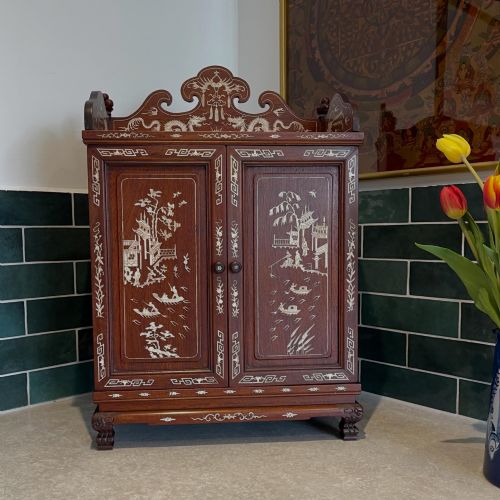
Box forms and select ornaments utilise wood, hardwood, hongmu, and elm, decorated with lacquer, mother of pearl inlay, and gilded details.
Cleric's swing-out cases and miniature travelling chests offer a glimpse into the portable luxury requirements of historical travellers.
Distinctions in quality
Quality rests on the translucency and natural colour saturation of the jadeite stones, alongside the depth and precision of the hand-carved motifs.
Metal components show variation between standard precious metal settings and complex, finely executed silver filigree or heavy gold mountings.
Preservation of original lacquered finishes, inlaid mother of pearl, and structural integrity in boxes and delicate jewellery mountings dictate distinction.
The Antique Chinese Jewellery Glossary
- Jadeite
- A dense mineral prized for its green or white coloration, commonly carved into rings, bangles, and pendants. This material forms the centrepiece of many historical wearable pieces.
- Silver Filigree
- Fine metalwork formed by twisting and soldering delicate silver threads into intricate openwork patterns. This technique frequently appears on brooches and export boxes.
- Republic Period
- The historical era spanning from nineteen-12 to nineteen-49, producing distinctive carved jade pendants and jewellery. Pieces from this time often display traditional symbolic motifs.
- Qing Dynasty
- The imperial dynasty ruling China until nineteen-12, known for lacquered items, jade carvings, and ornate metal belt buckles. Items from this era often feature traditional imperial iconography.
Antique Chinese Jewellery: Frequently Asked Questions
How do I date antique chinese jade?
Dating jade relies on assessing the style of the carving, the mounting metals, and documented historical periods like the Qing dynasty or Republic period. Examining tool marks and material wear also helps determine age.
Changes in stylistic preferences over the nineteenth and twentieth centuries provide reliable clues for establishing when a piece was made.
What is Republic period jade?
Republic period jade refers to carved items produced between nineteen-12 and the mid-twentieth century. These pieces often feature symbolic subjects such as dragons or auspicious motifs.
Carving styles during this timeframe built upon earlier imperial traditions while adapting to changing international export markets.
How should I clean antique silver jewellery?
Cleaning historic silver requires gentle methods to preserve original patinas and delicate filigree work. Harsh chemical dips can strip away desirable aged surfaces.
Consulting a professional conservator is recommended for pieces featuring enamel, pearls, or delicate stone settings.
What is silver filigree?
Silver filigree involves shaping fine threads of silver into ornamental openwork designs. Artisans solder these wires together to create lightweight yet complex decorative surfaces.
This technique is frequently found on twentieth-century export brooches and decorative boxes.