





Hand Carved Jade
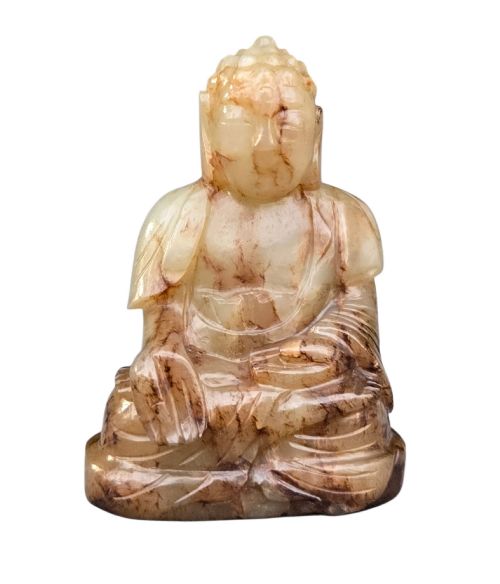
These hand carved jade carvings and ornaments range from ancient ritual figures to delicate scholar's desk pieces.
Hand Carved Jade
When you search for hand carved jade, you are looking at items shaped from dense mineral stone across several centuries of Asian and Western decorative traditions. The selection includes everything from utilitarian scholar's objects to personal talismans and jewellery.
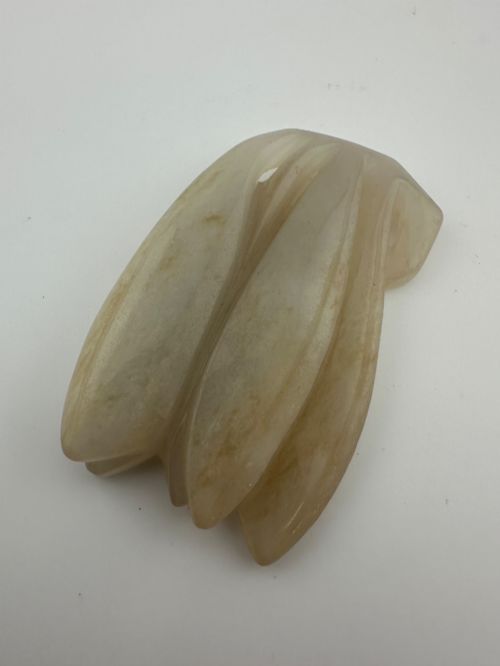
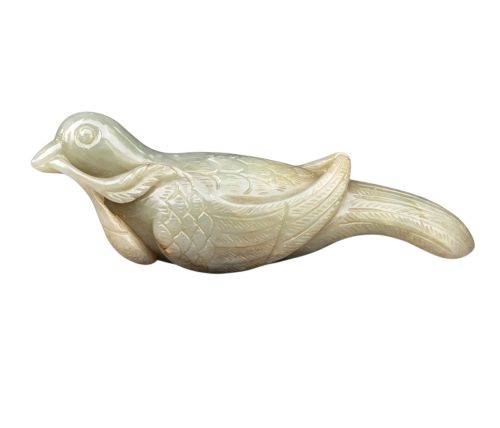
You are most likely to meet 19th-century Chinese pieces, particularly items associated with the Qing Dynasty and the subsequent Republic Period. These frequently take the form of pendants, small animal sculptures, and decorative plaques.
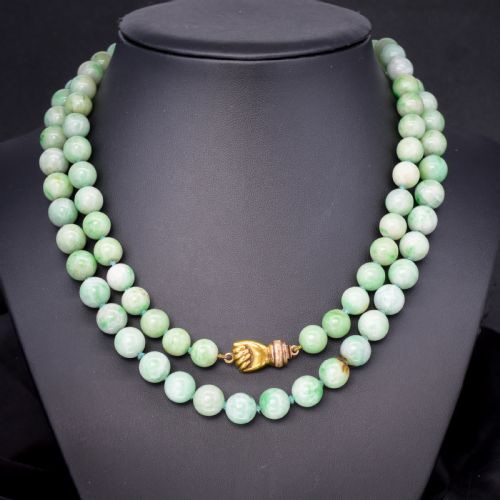
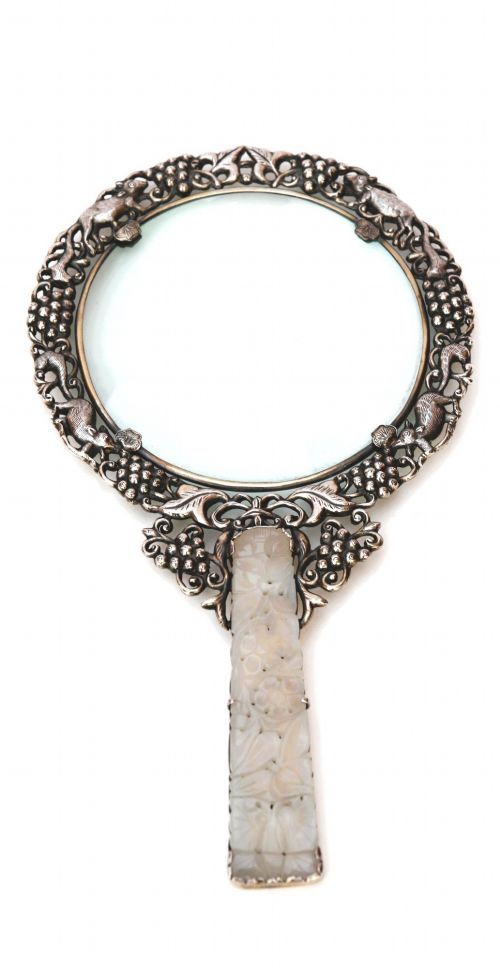
Earlier examples extend back through the Ming dynasty, while occasional Western Victorian interpretations incorporate carved jadeite or nephrite within gold or silver mounts. Each piece reflects the specific aesthetic priorities of its period of origin, whether traditional Chinese symbolism or Edwardian ornamentation.
Materials and technique
The objects are fashioned from natural mineral materials including jadeite, nephrite jade, and hardstone variants such as pale celadon jade. These stones possess extreme hardness, requiring abrasive sand and rotary tools rather than simple metal blades to achieve their shapes.
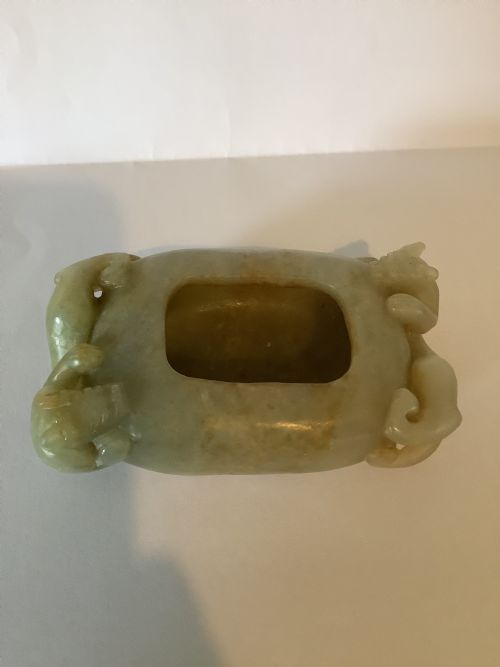
Carvers exploited the natural colour variations within the raw stone, such as russet inclusions or pale green tones, to emphasise specific details in animal and landscape carvings. Items like brush washers and mountain sculptures demonstrate deep relief work, whereas pendants utilise piercing and smoothing techniques.
Hand Carved Jade Retail Price Guide 2026
Typical asking prices for hand carved jade among the pieces listed under this phrase on Sellingantiques today, from the lower quarter to the upper quarter. They describe what is for sale here now, not the wider market.
The inventory encompasses periods spanning from pre-16th century dynasties up through the Edwardian era, featuring nephrite, jadeite, hardstone, and gold.
Assessing quality
The choice of the raw stone itself dictates much of the standing, with uniform translucency or purposeful incorporation of contrasting russet skin elevating a piece. Furthermore, integrated elements such as fitted hardwood stands or precious metal clasps contribute to the overall execution.
The Hand Carved Jade Glossary
- Nephrite
- A compact, amphibole mineral that forms one of the two distinct species accepted as jade. It ranges in colour from white to dark green and possesses extreme toughness due to its interlocking fibrous crystal structure.
- Jadeite
- A pyroxene mineral forming the second accepted type of jade. It tends to exhibit brighter translucent colours and vitreous lustre compared to nephrite.
- Celadon
- A pale grey-green glaze or stone colour reminiscent of specific ceramic traditions. In jade, it describes a soft greenish hue highly prized by traditional carvers.
- Brush washer
- A vessel used in East Asian calligraphy and painting to clean brushes. These items are frequently carved from stone or porcelain with decorative motifs.
- Pixiu
- A mythical winged celestial creature in Chinese mythology. Carvings of this beast serve as protective talismans and symbols of wealth.
Hand Carved Jade: Frequently Asked Questions
What is the difference between nephrite and jadeite?
Nephrite and jadeite are two distinct mineral species that both fall under the broad category of jade. Nephrite is an amphibole with a fibrous structure making it exceptionally tough, while jadeite is a pyroxene that often displays brighter translucency.
Historically, older Asian carvings tend to be nephrite, whereas brighter green varieties appearing in later periods are frequently jadeite.
How do I care for antique jade?
Antique jade is physically resilient due to the hardness of the stone, but it benefits from gentle handling and storage away from harder gemstones that might scratch mounts or details. Clean the stone simply with warm water and a soft cloth, avoiding harsh chemical detergents.
If the piece includes precious metal mounts or organic elements like mother-of-pearl, tailor the cleaning method to protect the most vulnerable material.
How can I tell the period of a jade carving?
Dating relies on stylistic clues, subject matter, and the nature of the tool marks left on the stone. Qing Dynasty pieces often display intricate traditional motifs and specific ritual forms, whereas Republic Period items frequently adopt distinct stylistic shifts.
Associated elements like silver or gold mounts, as well as fitted hardwood stands, also provide valuable chronological context for pieces from the nineteenth and early twentieth centuries.