




Asian Jewellery
Asian antique jewellery brings together personal ornaments and small vessels spanning the nineteenth and early twentieth centuries.
Asian Jewellery
Asian antique jewellery encompasses personal adornments such as pendants, earrings, and belt buckles, alongside receptacles like trinket boxes and table cabinets. These pieces reflect diverse cultural traditions from Central Asia, China, Japan, and Tibet.
The selections span distinct periods, including the Victorian era, the Meiji period, and the Qing dynasty. Buyers encounter everything from silver drop earrings to intricately carved pendants and lacquered keepsake cases.
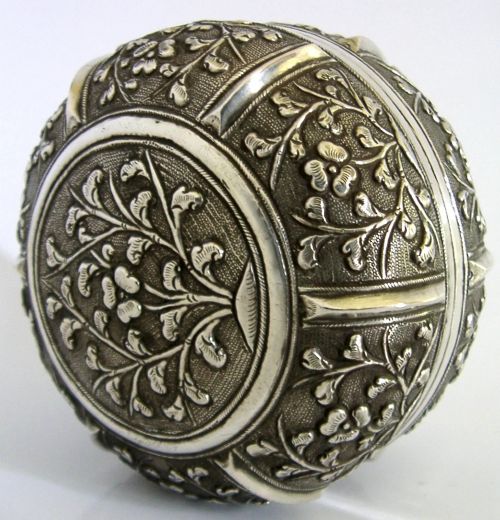
Materials range from solid silver and gold to lacquered wood, mother of pearl, hardwood, and carved bone. Each form carries the distinct aesthetic of its region of origin, whether tribal Turkmenistan or export workshops in China.
Materials and Technique
Items are constructed from precious and domestic metals, including solid silver, brass, and gold, often shaped into pendants, earrings, and heavy belt buckles. Artisans also utilised hardwoods, elm, and hongmu to build table cabinets and travelling boxes.
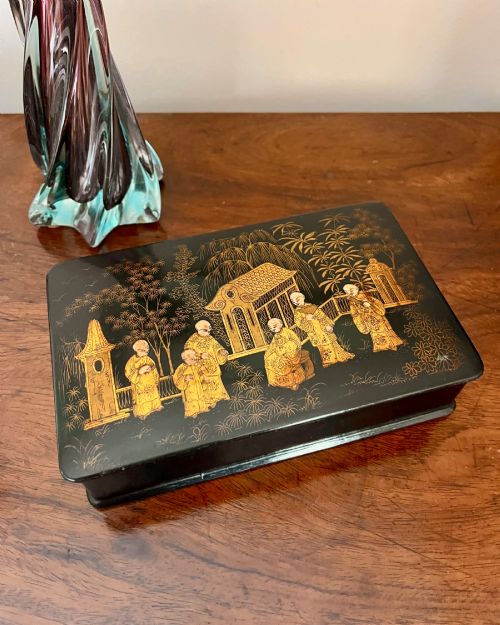
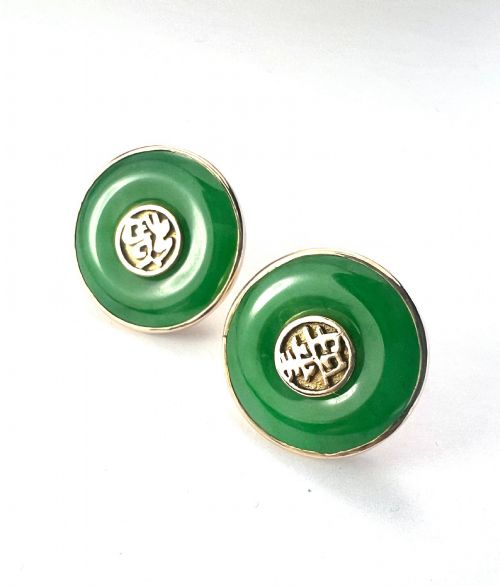
Surface decoration frequently involves black and gilt lacquer, mother of pearl inlay, and fine bronze detailing. Bone carving and jadeite work appear across specific pendant forms, demonstrating skilled handling of dense natural materials.
Factors of Quality
Quality rests in the precision of the handwork, visible in the sharpness of carved bone and jadeite, or the smoothness of lacquered wooden surfaces. Superior examples display careful joinery in boxes and refined detail in metalwork.
The integrity of inlay work and the preservation of original patinas distinguish finer items from simpler utilitarian pieces. Regional specificity and distinct tribal or period motifs further elevate the standing of individual items.
The Asian Jewellery Glossary
- Kodansu
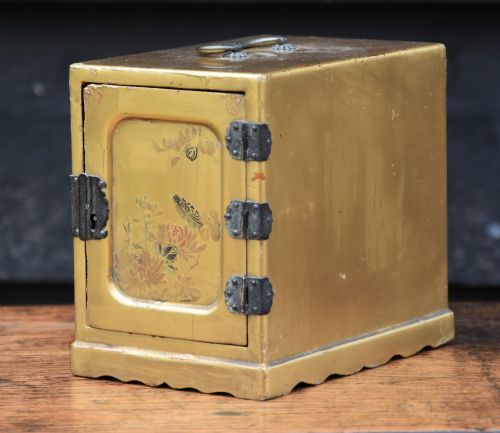
- A small Japanese tabletop cabinet or chest with multiple drawers and compartments, traditionally used for storing small valuables.
- Asyk
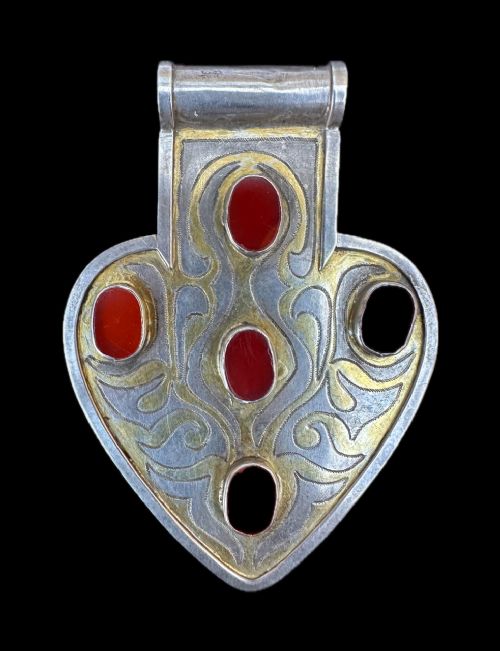
- A cordiform pendant originating from Turkmen tribal groups, often worn as a traditional ornament.
- Chinoiserie
- A European decorative style reflecting Chinese artistic influences, frequently applied to lacquered boxes and furniture.
- Hongmu
- A dense, dark hardwood traditionally used in Chinese cabinet making and decorative boxes.
Asian Jewellery: Frequently Asked Questions
What counts as Asian antique jewellery?
This category includes personal adornments like earrings and pendants alongside small decorative boxes and cabinets.
Items date from the nineteenth and early twentieth centuries across various Asian regions.
How are wooden boxes used?
Table cabinets and trinket boxes serve to hold small keepsakes, documents, or personal items.
Travellers and clerics utilised specific compact cases for portable storage.
Where do tribal pendants originate?
Cordiform pendants and dropped earrings come from Central Asian groups such as the Teke and Yomut tribes.
These pieces originate from regions including Turkmenistan and the Merv oasis.
What materials appear most often?
Common materials include solid silver, lacquered wood, mother of pearl, and dense hardwoods like hongmu.
Items also incorporate carved bone, jadeite, and bronze animal decorations.