



Antique Gold Jade
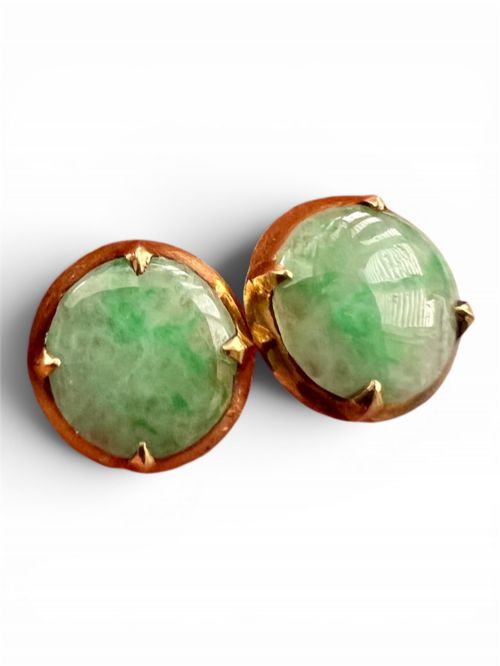
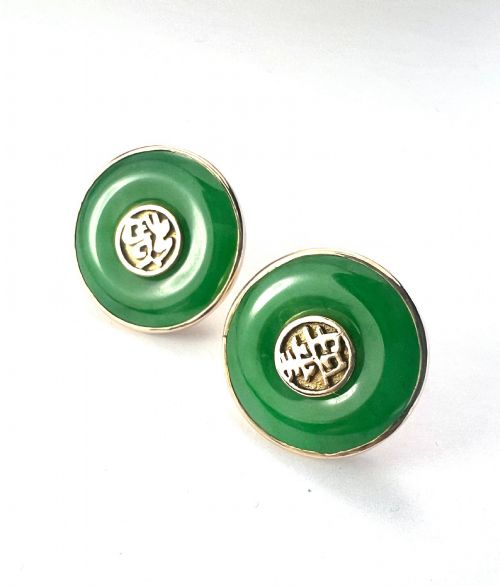
Antique gold jade pieces are exquisite jewellery items featuring carved or cabochon stones mounted in gold, prized for their rich green hues and historical craftsmanship.
Antique Gold Jade
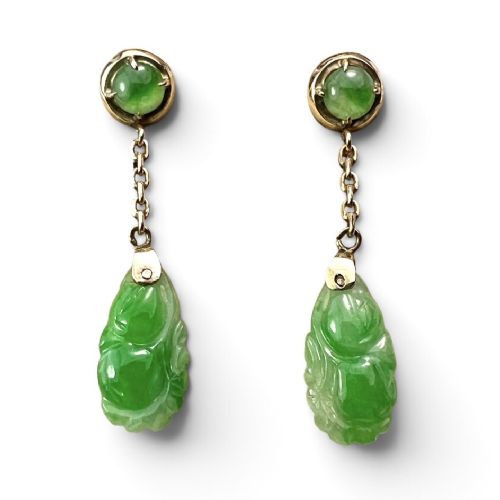
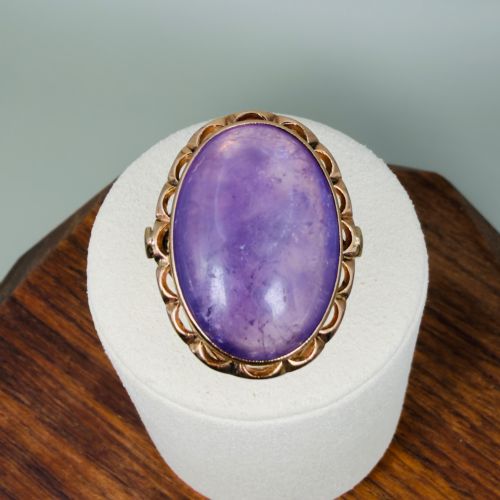
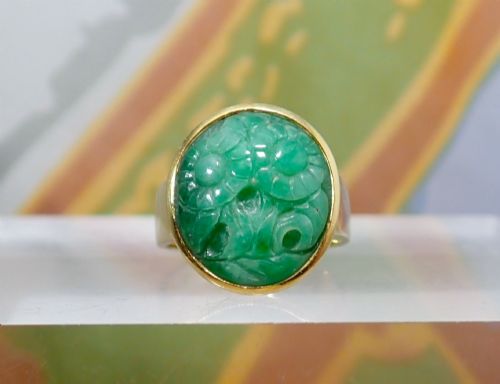
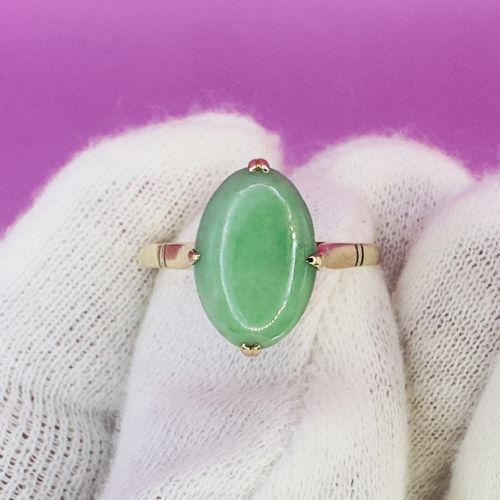
Earrings and rings dominate the available forms, often presenting carved jadeite or smooth cabochons set in yellow or white gold. Pieces range from Victorian and Edwardian works to distinct Art Deco panel designs and later mid-century creations.
How they were made
Craftsmen mounted jade and jadeite stones into various purities of gold, including nine-carat, fourteen-carat, fifteen-carat, and eighteen-carat gold, occasionally incorporating platinum, pearls, and diamonds. Stones were shaped into cabochons or intricately carved with motifs.
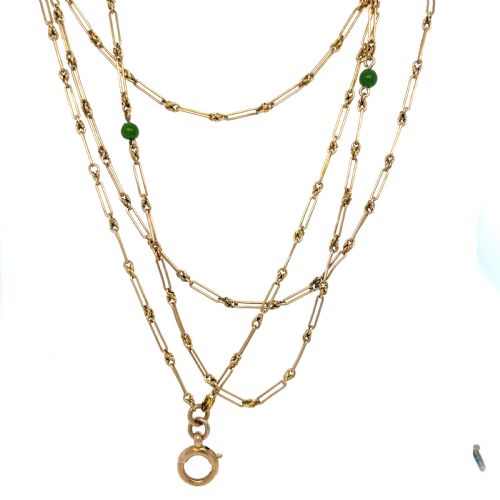
Metalwork techniques varied from delicate Edwardian filigree and longguard chains to geometric Art Deco settings and secure bezel or prong mountings for large central stones.
Materials span jadeite, nephrite, diamonds, pearls, and various grades of yellow and white gold.
What varies in quality
Quality rests upon the natural colour and translucency of the jadeite or nephrite stone, alongside the precision of lapidary carving and gemstone matching. Rich, even green tones and pale lavender cabochons command particular attention.
The calibre of the setting elevates a piece, as seen in complex platinum and diamond accents surrounding the central jade or finely detailed gold work from the Art Deco and Edwardian eras.
The Antique Gold Jade Glossary
- Cabochon
- A gemstone shaped and polished with a smooth, rounded surface rather than faceted. This style highlights the natural lustre and depth of jadeite.
- Jadeite
- One of the two mineral species recognised as jade, known for vibrant green and lavender varieties. It appears frequently in twentieth-century rings and earrings.
- Nephrite
- The denser, tougher mineral form of jade, typically seen in earlier Victorian and Mughal pieces with muted tones. It offers a distinct tactile quality compared to jadeite.
- Longguard chain
- A long chain worn around the neck during the Edwardian period, often utilised for suspending pocket watches or pendants. These pieces demonstrate substantial gold craftsmanship.
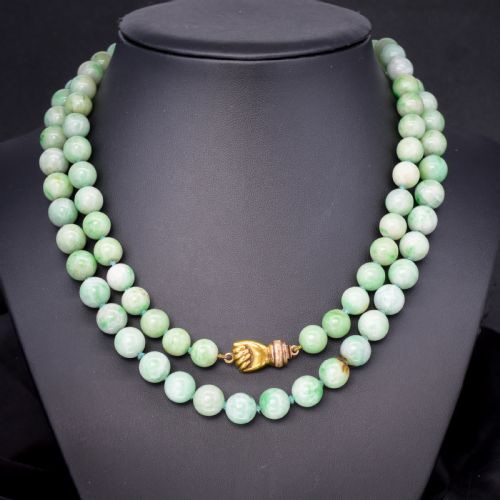
- Figa hand
- A clenched fist amulet gesture carved from materials like coral or jade, used historically as a protective talisman. It forms a distinct clasp motif on antique beaded strands.
Antique Gold Jade: Frequently Asked Questions
How do I care for antique jade jewellery?
Clean your jewellery gently using a soft, damp cloth and mild soap, avoiding harsh ultrasonic cleaners or chemical dips that can damage softer mounted stones.
Store pieces individually in lined compartments to prevent the gold settings and jade surfaces from scratching against other items.
What periods do these pieces come from?
The available items span the nineteenth century, the Edwardian era, and the mid-twentieth century. Art Deco and 1930s designs appear frequently alongside earlier Victorian works.
Each period brings distinct stylistic markers, moving from elaborate Victorian motifs to streamlined geometric Art Deco settings.
How do I identify jadeite versus nephrite?
Jadeite generally exhibits a brighter, more crystalline structure with vibrant green or lavender coloration. Nephrite tends to present a tougher, oilier lustre with deeper, more muted hues.
Examining the period of the piece often provides a helpful clue, as specific mineral preferences shifted over time.
What gold purities were used?
Craftsmen utilised a range of gold purities including nine-carat, fourteen-carat, fifteen-carat, and eighteen-carat yellow and rose gold. Platinum also appears in combination with gold during the Art Deco period.
The gold content frequently reflects the manufacturing standards of the specific era in which the jewellery was made.