




Oriental Carved Jade
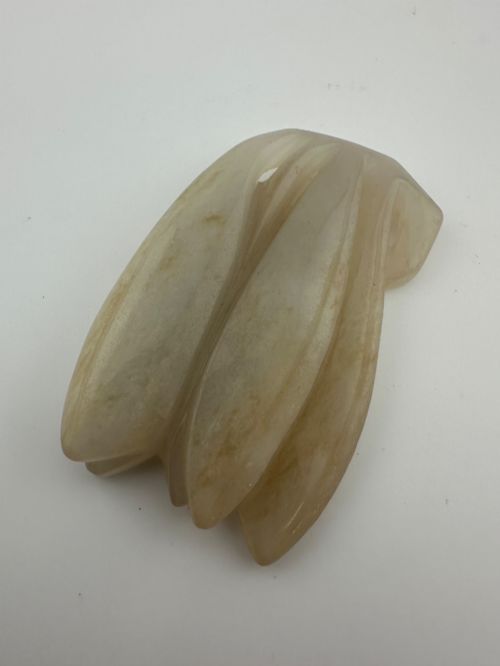
Oriental carved jade pieces are sculpted mineral objects spanning centuries of Chinese design, prized for their smooth lustre and intricate detail.
Oriental Carved Jade
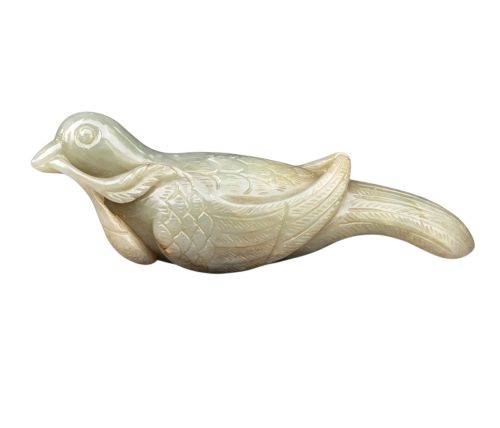
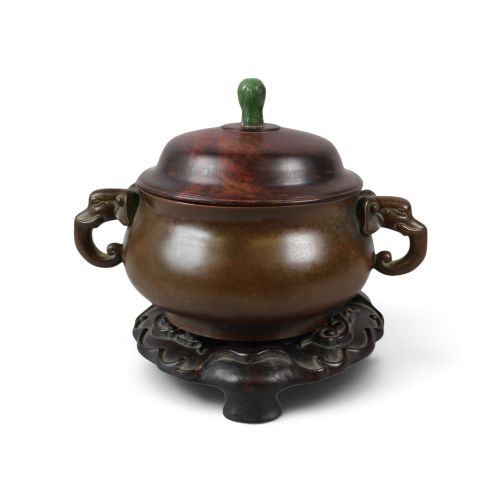
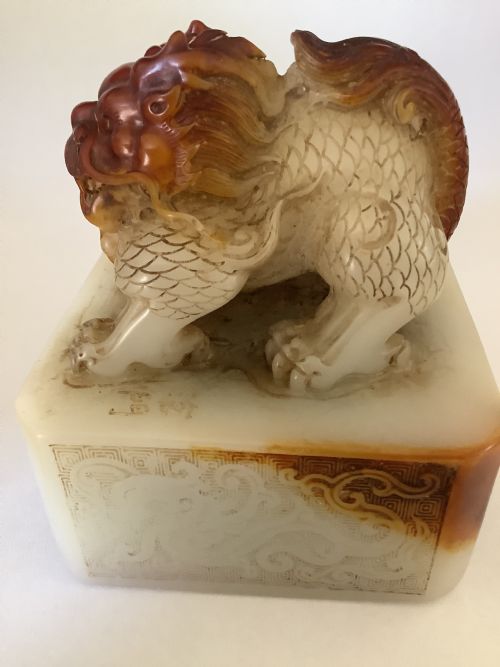
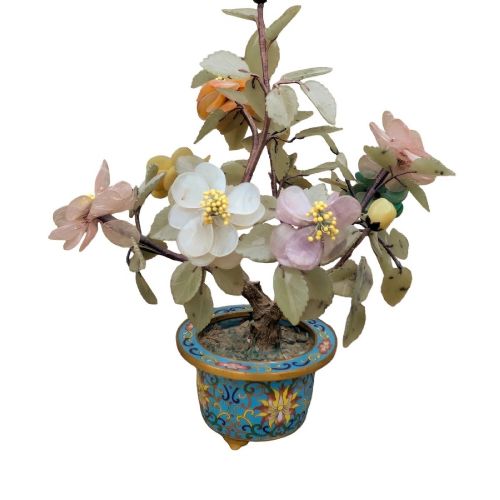
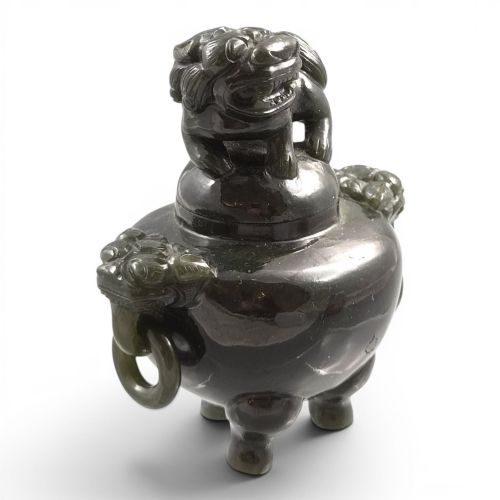
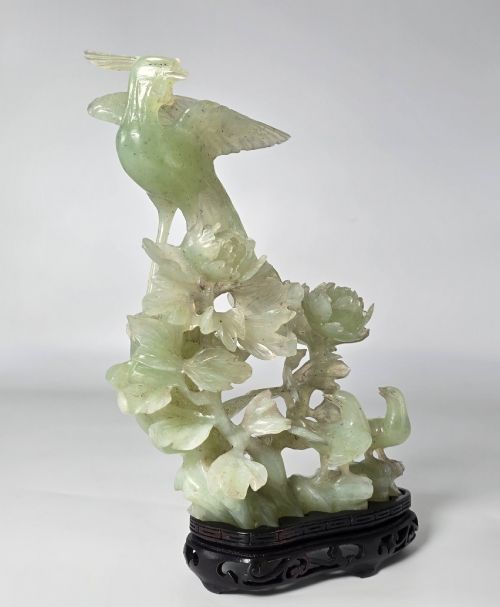
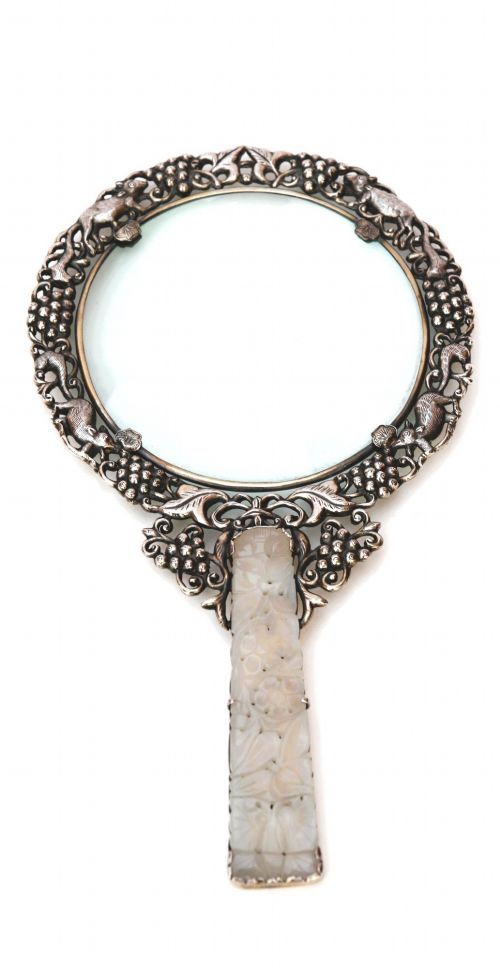
Buyers encounter diverse forms ranging from diminutive snuff bottles, pendants, and seals to larger landscape carvings, incense burners, and animal figures. Many pieces incorporate custom hardwood stands or combine jade with silver, bronze, and cloisonné elements.
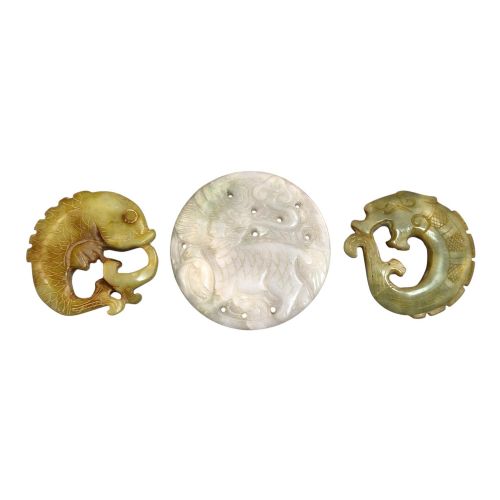
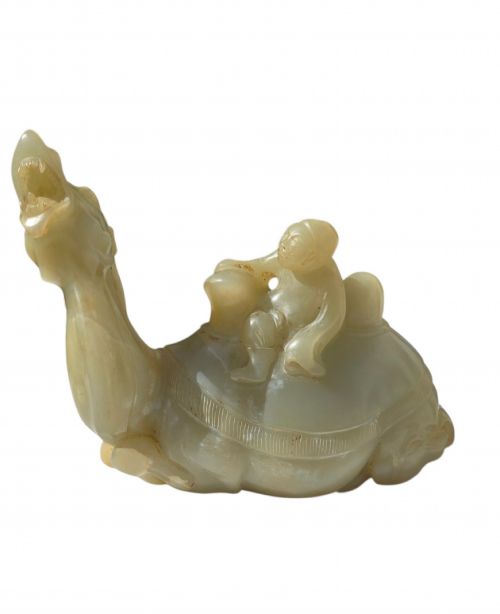
The aesthetic vocabulary draws heavily on traditional Chinese symbolism, featuring creatures such as dragons, dogs of fo, fish, and birds alongside archaistic motifs like taotie masks and bi discs.
Materials and carving techniques
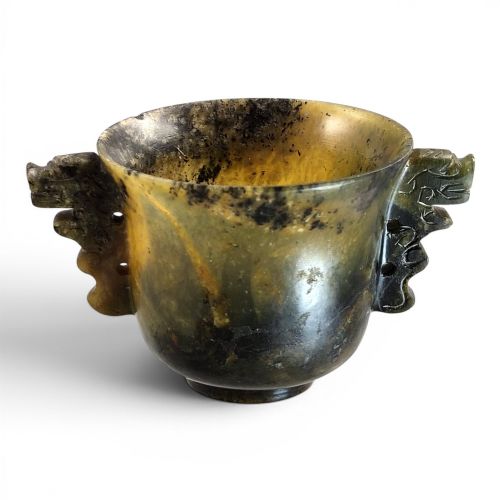
The primary material is mineral jade, specifically nephrite and jadeite, supplemented by related hardstones such as celadon jade, bowenite, and serpentine. These stones vary from pale green and spinach-green to white and russet tones.
Periods represented span from the 18th century Qing Dynasty through to the Edwardian era and 1930s Republic Period.
Distinctions in quality
Quality rests upon the natural character of the stone itself, including its translucency, evenness of colour, and freedom from undesirable inclusions. Superior pieces display a pleasing tactile quality and a smooth, unblemished polish.
The ambition and execution of the carving separate standard workshop output from exceptional examples. Master carvers demonstrated supreme control by producing deep, undercut relief, balanced composition, and fine anatomical detail that respected the natural contours of the raw material.
The Oriental Carved Jade Glossary
- Nephrite
- A dense, tough amphibole mineral that constitutes the majority of traditional Chinese carved jade. It responds well to intricate low-relief carving and possesses an oily lustre.
- Jadeite
- A pyroxene mineral valued for its vibrant colour range and glassy translucency. It frequently appears in Republic Period pendants and jewellery.
- Celadon jade
- A descriptive term for jade exhibiting a pale greyish-green hue reminiscent of traditional ceramic glazes. It was heavily favoured by Qing dynasty lapidaries.
- Bi disc
- A flat circular jade disc with a circular hole in the centre. These ancient forms carried ritual significance and symbolised heaven.
Oriental Carved Jade: Frequently Asked Questions
How can I tell nephrite from jadeite?
Nephrite generally presents a slightly greasy or oily lustre with a dense, fibrous internal structure. Jadeite often displays a more crystalline texture and greater translucency.
Specific mineral testing or detailed microscopic examination of the internal structure is required for absolute confirmation.
What is an archaistic jade piece?
Archaistic pieces are later creations, such as those from the Qing Dynasty, deliberately styled to mimic the form and decoration of much older ancient Chinese bronzes and jades.
These items reflect a long imperial tradition of antiquarianism and respect for historical ritual objects.
How were Chinese jade brush washers used?
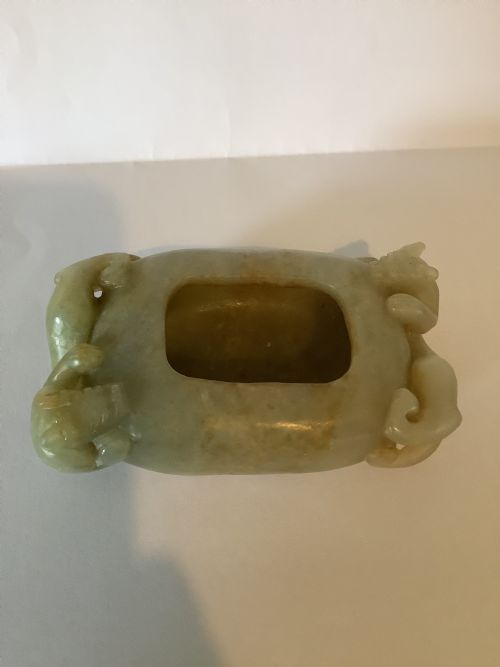
Brush washers were essential implements on a scholar's desk, used to rinse ink from calligraphy brushes during writing or painting. They were often carved from pale green or russet jade into naturalistic shapes like lotus leaves or floral basins.
These functional objects doubled as decorative works of art that displayed the owner's refined taste.
How should I display jade carvings at home?
Jade carvings benefit from stable indoor environments away from direct sunlight and sudden temperature fluctuations. Many pieces are designed to be displayed on custom carved hardwood stands that complement their silhouette.
Handling them with clean hands allows you to appreciate their tactile polish safely.