


Oriental Jade Pendant
An oriental jade pendant brings centuries of carved symbolism and mineral depth to a collection, offering wearable history carved from pale celadon, nephrite, and bright jadeite.
Oriental Jade Pendant
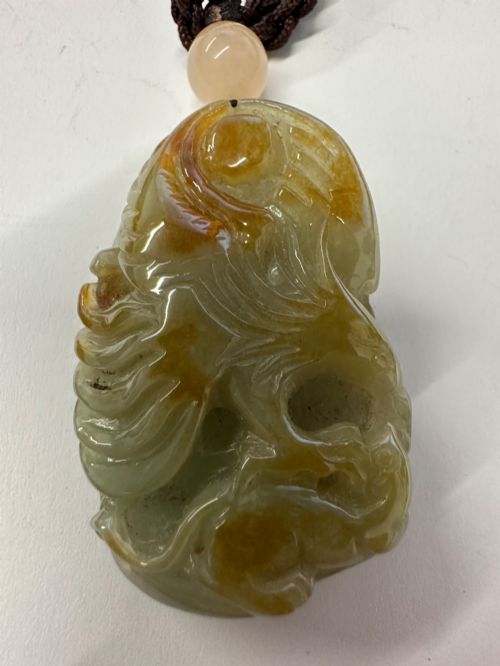
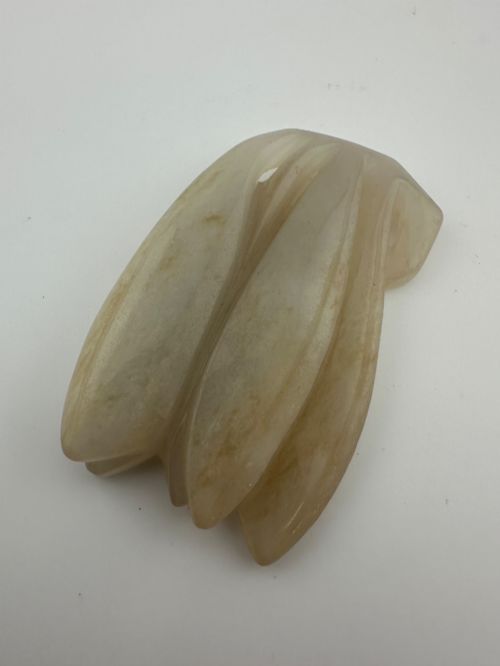
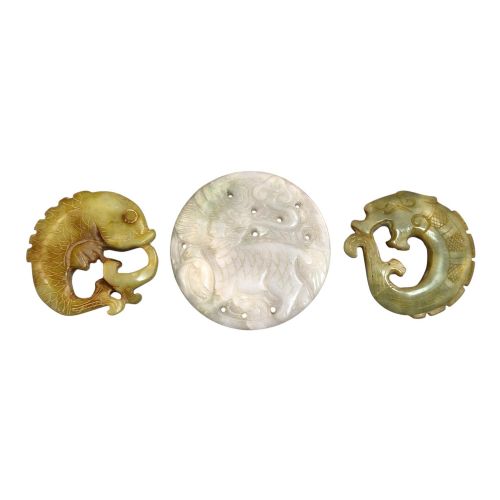
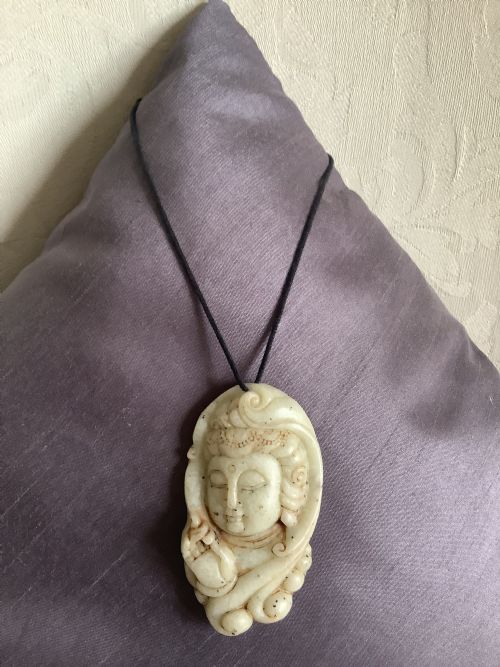
When you search for an oriental jade pendant, you encounter wearable carvings spanning the nineteenth century through the Republic Period, including Edwardian interpretations and traditional Chinese export works. These objects take the form of flat plaques, bi discs, cicadas, and mythical creatures such as the pixiu, qilin, chilong dragon, and carp.
The versions most frequently met on this page combine traditional motifs with mineral variations like celadon jade and bright jadeite. Makers shaped these stones into amulets and double-sided carved pendants that reflect both Qing Dynasty craftsmanship and later Republic Period artistry.
Materials and Carving Techniques
The carvers relied principally on nephrite jade, jadeite, and pale celadon jade, occasionally mounting select drops in gold. These stones required patient abrasive shaping and hand-incision to render intricate details like dragon scales and human figures.
Surviving pieces demonstrate deep relief work and openwork carving, utilising the natural colour variations within the raw stone to define figures of wisdom, deities, and auspicious symbols.
Cicada carvings took inspiration from the insect's emergence from the earth, serving as ancient symbols of rebirth and enduring vitality.
Judging Quality in Jade Pendants
Quality rests in the fluidity and depth of the hand-carving, where crisp execution of mythical beasts and deities separates superior work from softer, summary incisions. The natural translucency and tone of the mineral also dictate value, with uniform pale celadon and vibrant jadeite commanding attention.
Finer examples display careful integration of natural stone inclusions into the design itself, whereas lesser pieces ignore the material's grain and exhibit mechanical stiffness in the final form.
The Oriental Jade Pendant Glossary
- Celadon jade
- A pale green or grey-green variety of nephrite prized for its subtle tone and smooth tactile quality. It served as the primary canvas for scholar-carvers during the Qing Dynasty.
- Bi disc
- A flat circular jade artefact with a circular hole in the centre, historically associated with heaven and eternity. These ancient ritual forms persisted in later amulet production.
- Pixiu
- A mythical winged celestial creature carved into pendants to attract wealth and ward off misfortune. Artisans rendered them with horned heads and robust bodies.
- Jadeite
- A denser, brighter mineral species than nephrite, often displaying vibrant apple-green or emerald hues. It gained significant popularity during the Republic Period.
- Chilong
- A hornless mythical dragon frequently depicted coiling across the surface of plaques and pendants. Carvers utilised its sinuous form to fit circular and rectangular compositions.
Oriental Jade Pendant: Frequently Asked Questions
How do I date an antique jade pendant?
Dating relies on observing the carving style, subject matter, and mineral characteristics relative to established periods like the Qing Dynasty or the Republic Period. Subtle tool marks and the specific iconography of dragons or deities also offer chronological clues.
Compare the piece against known examples from the nineteenth and early twentieth centuries to confirm whether the lapidary work aligns with traditional or export manufacturing eras.
What is the difference between nephrite and jadeite?
Nephrite and jadeite are two distinct mineral species historically grouped under the single term jade. Nephrite is tougher, typically showing softer greys, whites, and pale celadon tones.
Jadeite tends to exhibit brighter, more vitreous colours including vivid greens and lavenders. Both materials were carved into pendants, but their crystalline structures respond differently to light and toolwork.
How were these pendants worn historically?
Pendants served as personal amulets, often suspended from silk cords or traditional knotwork alongside robes or sashes. They functioned simultaneously as marks of status, protective talismans, and expressions of scholarly taste.
Certain forms, such as bi discs and plaques, were worn close to the body to harness the auspicious properties of the carved stone.
Why do some pendants feature mythical animals?
Mythical creatures like the pixiu, qilin, and chilong carried specific cultural meanings associated with prosperity, protection, and scholarly success. Carvers integrated these beasts to imbue the jewellery with protective or blessing qualities.
The presence of these figures helps identify traditional Chinese export and domestic pieces from the nineteenth and early twentieth centuries.