
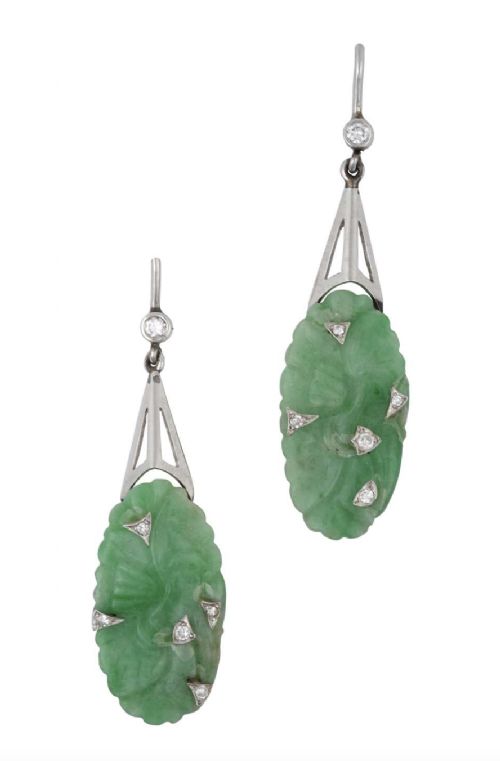


Edwardian Platinum Pendant
When you search for an edwardian platinum pendant, you enter a world of delicate craftsmanship defined by lace-like platinum settings and old cut diamonds.
Edwardian Platinum Pendant
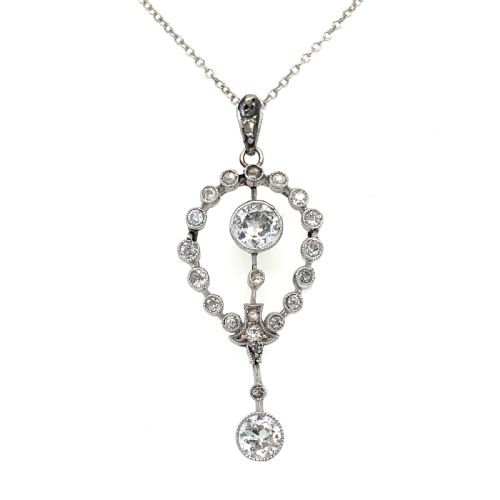
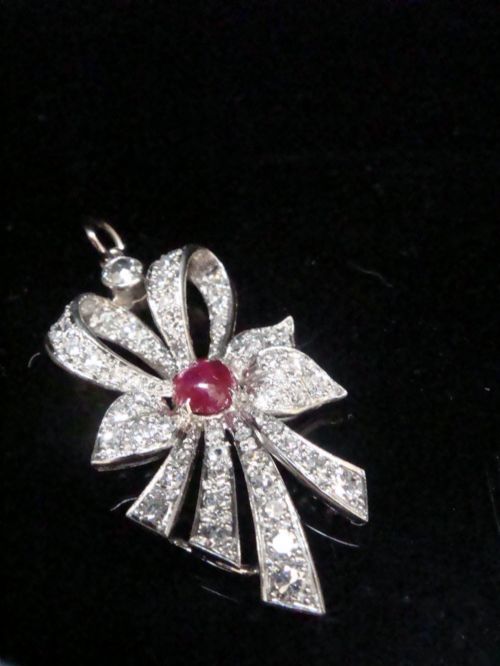
An edwardian platinum pendant brings together the airy aesthetic of the early twentieth century and the remarkable strength of platinum. These pieces typically feature delicate openwork frames, scroll motifs, or bow designs that suspend from fine chains or form part of larger necklace assemblies.
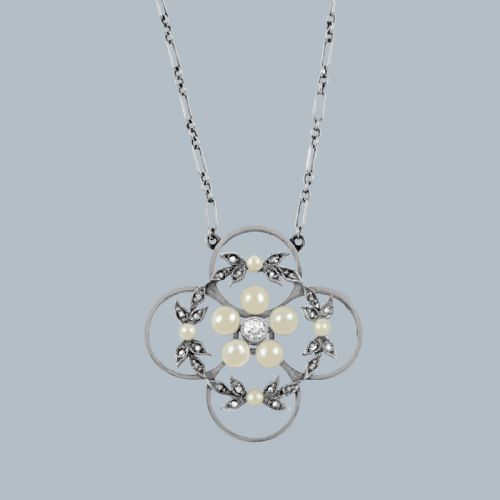
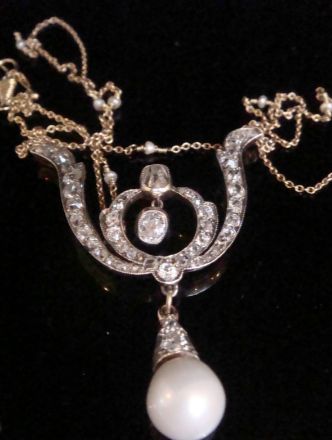
The version most commonly met on this page combines platinum settings with old cut diamonds and pearls, often reflecting the transition from Edwardian grace into the bolder geometric lines of Art Deco. Alongside traditional pendants, the listings include convertible brooch pendants and lavaliere designs that highlight the versatility of the period.
Materials and construction methods
The introduction of platinum revolutionized jewellery fabrication by allowing metalsmiths to create extraordinarily fine wirework and delicate collets that held stones securely without heavy backing. This white metal paired frequently with yellow or white gold elements, providing a durable foundation for intricate piercing and millegrain edging.
Gems were set primarily using traditional hand techniques, housing old cut diamonds, pearls, and coloured stones such as aquamarine, sapphire, ruby, and jadeite within custom bezels or pave arrangements. Master craftsmen utilised specialised cutting styles like rose cuts and cushion cuts to maximise the play of light within constrained metal geometry.
Some lucky pendants even arrive safely housed inside their original fitted presentation boxes, having quietly outlived the fashions of an entire century.
Assessing quality and craftsmanship
Quality in these jewels rests heavily on the precision of the piercing and the delicacy of the metalwork, where superior examples exhibit uniform millegrain beads and completely hand-carved openwork without structural distortion. The finesse with which platinum is worked to mimic lace or fabric dictates the level of artistry achieved by the maker.
Another differentiator is the selection and matching of the central stones, whether diamond, aquamarine, or pearl, alongside the survival of original components such as fitted boxes or detachable bales. Pieces that retain their original configurations and exhibit balanced stone proportions consistently demonstrate the highest tier of period production.
Eduard Foehr
The Edwardian Platinum Pendant Glossary
- Millegrain
- A decorative technique featuring a row of tiny raised metal beads along the edge of a setting. This textured border softens the transition between the platinum and the adjacent stones.
- Old cut diamond
- A precursor to the modern brilliant cut, characterised by a smaller table, higher crown, and open culet. These stones were hand-faceted to catch candlelight and diffuse light softly.
- Lavaliere
- A pendant necklace featuring a central drop suspended from a shorter motif or chain link. This style gained immense popularity during the early twentieth century for its fluid movement.
- Negligee pendant
- A necklace design featuring two unequal drops suspended close together from a central connector. It creates an asymmetrical yet balanced vertical line.
- Collet
- A small band or collar of metal that holds a gemstone in place. In fine platinum work, these are often kept exceptionally thin to let light pass through the pavilion.
Edwardian Platinum Pendant: Frequently Asked Questions
How do I wear an edwardian platinum pendant?
These pendants look striking suspended from fine modern or period-appropriate white gold and platinum chains that match the lightness of the original mounting. Many pieces also feature detachable bales or pin mechanisms that allow them to transition between necklaces and brooches.
Because the metal work is exceptionally delicate, it is best to wear them away from abrasive fabrics or heavy layered necklaces that might snag the openwork platinum scrolls.
Were these pendants made during the Edwardian period?
The listings span from the early Edwardian era through the 1920s and into the 1930s, encompassing both traditional Edwardian garlands and subsequent Art Deco geometries. While many pieces date directly to the reign of Edward VII and the years leading to the First World War, later variations frequently bridge multiple stylistic movements.
Examining the structural motifs, such as flowing bows or rigid geometric lines, helps identify whether a piece reflects the earlier organic style or the later emergence of Art Deco.
How should I care for delicate platinum settings?
Platinum is a remarkably durable and strong metal that resists tarnish well, making it resilient for everyday wear despite its airy appearance. Gentle cleaning with warm soapy water and a soft brush will maintain the brightness of the metal and the fire of the diamonds.
Avoid harsh chemical dips, particularly if the pendant incorporates pearls, emeralds, or turquoise, which require specialised care to protect their natural structures.
What gems were popular in these pieces?
Diamonds form the foundation of most designs, often accompanied by natural saltwater pearls, aquamarines, sapphires, rubies, and carved jadeite. The cool tone of platinum provided an ideal neutral backdrop to showcase both colourless stones and vibrant gemstones.
Coloured gems were frequently selected in substantial carat weights, serving as the central focal point surrounded by halos of smaller old cut diamonds.