
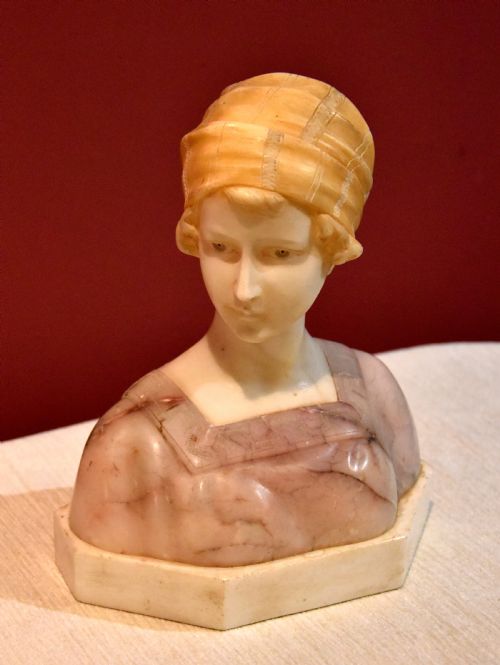


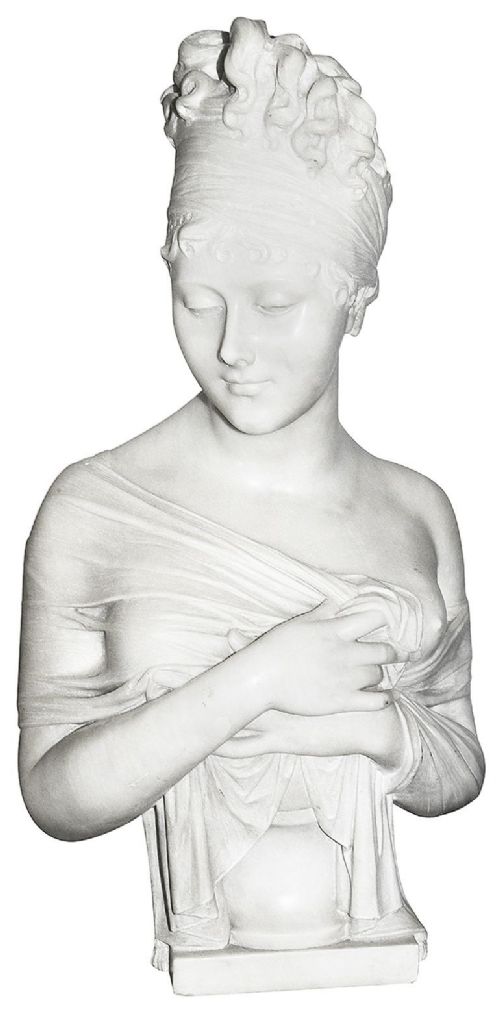


French Carved Bust
A french carved bust brings classical presence into a room through carved marble, alabaster or wood.
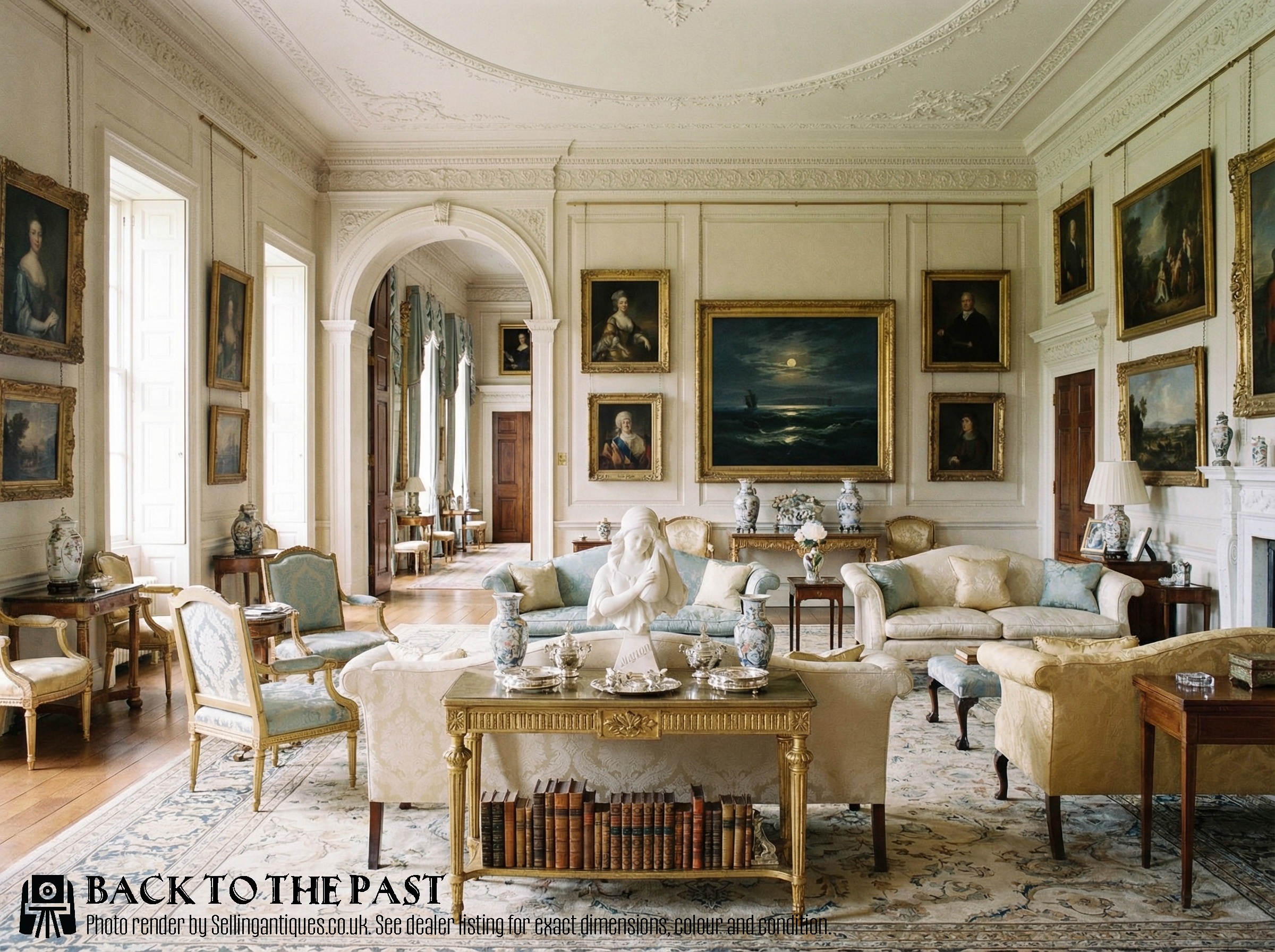
French Carved Bust
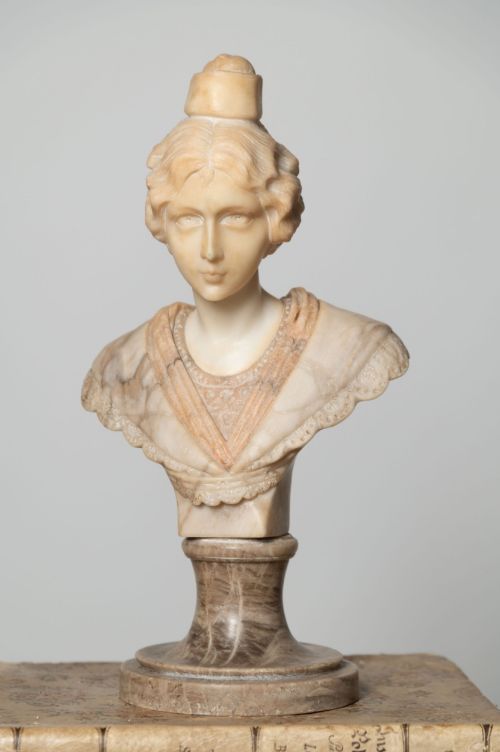
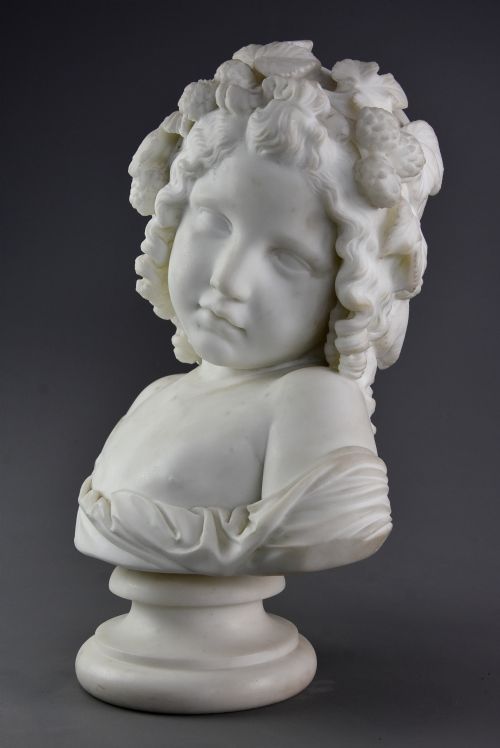
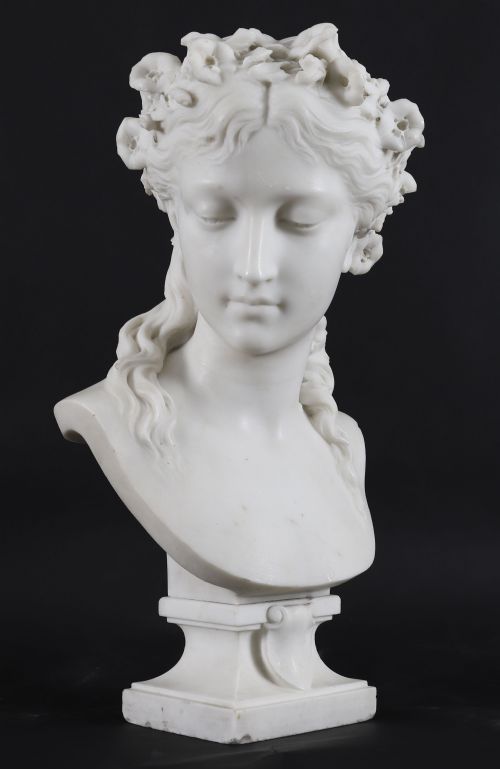
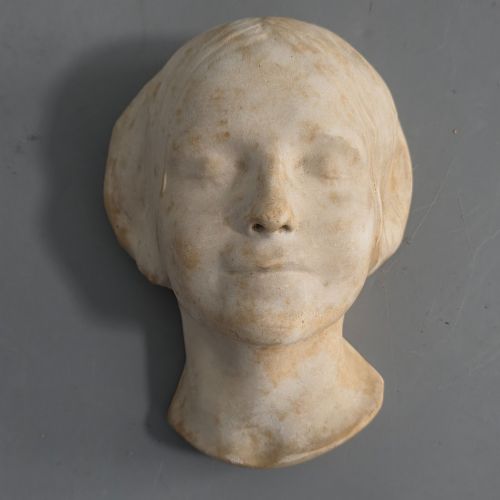
A french carved bust captures likeness and character in stone, marble, alabaster and wood, often depicting historical figures, classical ladies or mythological subjects. When you search for a french carved bust, you encounter works ranging from diminutive boxwood carvings to life-sized Carrara marble portraits on matching pedestals.
The nineteenth century yields the largest share of these pieces, moving through Neoclassical, Art Nouveau and Rococo Revival styles. Earlier examples occasionally surface, such as sixteenth-century wood fragments, alongside Edwardian columns and plant stands designed to display them.
Subjects include specific historical personalities like Madame Récamier and Napoleon Bonaparte, alongside literary figures and anonymous maidens. Makers span named sculptors and studios working in stone and wood across France.
How they were made
Carvers shaped these pieces from blocks of Carrara marble, white marble, grey marble and fine alabaster, employing chisels and rasps to render soft drapery and facial expressions. Stone surfaces received careful polishing to capture the play of light across flesh and fabric.
Wood versions utilised oak, walnut and boxwood, shaped with gouges to achieve detailed hair and vestments. Ormolu mounts in gilt bronze sometimes frame the base or pedestal, adding metallic contrast to the pale stone.
What varies in quality
Quality rests upon the sensitivity of the carving in the face and hands, where a master sculptor captures breath and expression in rigid stone. Softer transitions in the marble separate ambitious studio pieces from routine commercial output.
The choice of material dictates the visual weight, with pure Carrara marble and translucent alabaster commanding attention through their natural grain and depth. Signed pieces by recognised sculptors carry distinct documentary value that elevates the work above anonymous studio carvings.
Eugene Aizelin·Auguste Henri Carli·Auguste Moreau·R. Lusili
The French Carved Bust Glossary
- Carrara marble
- A fine-grained white or blue-grey marble quarried in Italy and utilised extensively by French sculptors for portrait busts. Its subtle translucency mimics the softness of human skin.
- Alabaster
- A fine-grained mineral stone, soft enough to carve with delicate detail and possessing a natural translucence. It appears frequently in nineteenth-century French female busts.
- Ormolu
- Gilded bronze applied as decorative mounts or bases on pedestals and sculptures. The technique involves coating metal in a gold amalgam.
- Neoclassical
- A style drawing inspiration from classical antiquity, emphasising restraint, noble simplicity and idealized forms. It dominates many nineteenth-century French portrait sculptures.
French Carved Bust: Frequently Asked Questions
How do I display a french carved bust?
Place the sculpture on a sturdy column, pedestal or wooden console table where adequate lighting can reveal the carved contours of the face and drapery.
Ensure the piece sits away from direct heat sources and heavy foot traffic to protect the polished stone or wood surface from accidental impact.
What is the difference between marble and alabaster?
Marble is a hard metamorphic rock that takes a high, durable polish and resists casual scratching. Alabaster is a softer stone with a warm, translucent quality that allows light to penetrate just beneath the surface.
Alabaster requires more careful handling because moisture and minor impacts mark the surface far more easily than they mark marble.
How do I identify the period of a bust?
Examine the style of the hair, clothing and base, which often reflect the prevailing aesthetic of movements like Neoclassicism, Art Nouveau or Rococo Revival. Signatures, foundry marks and registration numbers carved into the rear or base provide further clues to the date of execution.
Material choices and mounting techniques also point toward specific decades, such as the gilt bronze ormolu mounts typical of the late nineteenth century.
Can these sculptures be kept outdoors?
These interior decorative works are not formulated to withstand frost, rain or temperature extremes. Moisture penetrates porous stone like alabaster and softer marbles, causing irreversible surface erosion and staining.
Keep all carved stone and wood pieces inside climate-controlled living spaces to preserve their original finish.