

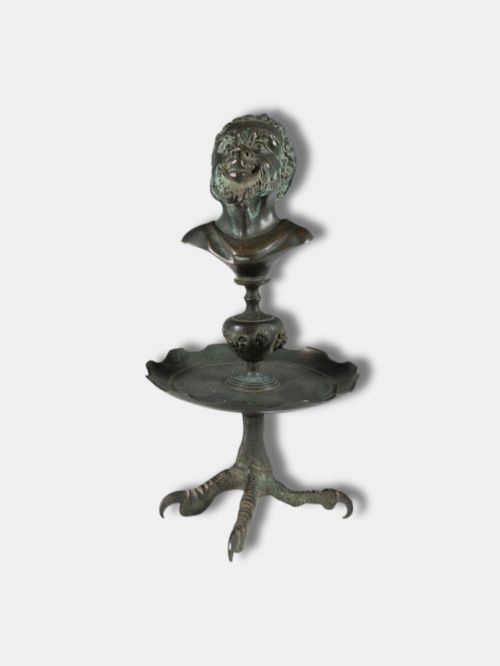

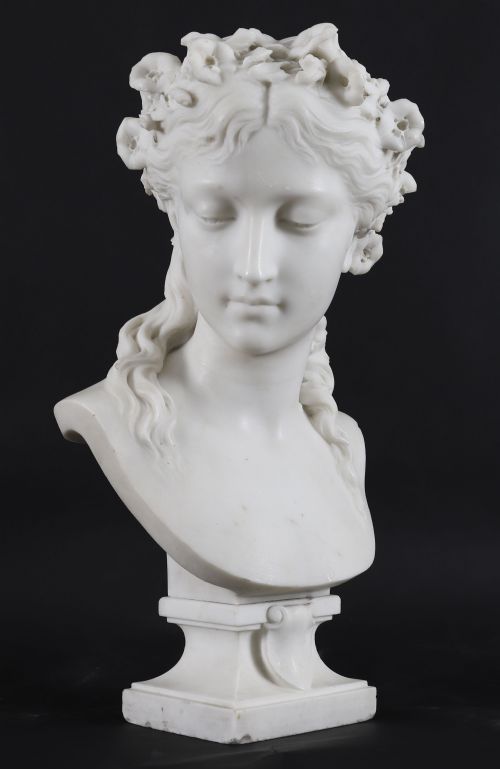
19th Century Bust
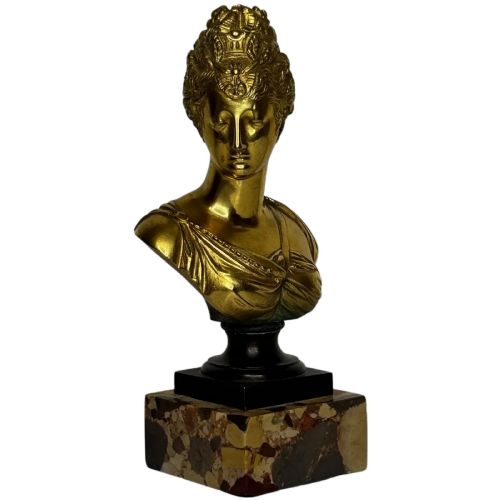
A 19th century bust brings classical gravity, historical portraiture, and sculptural presence into a room.
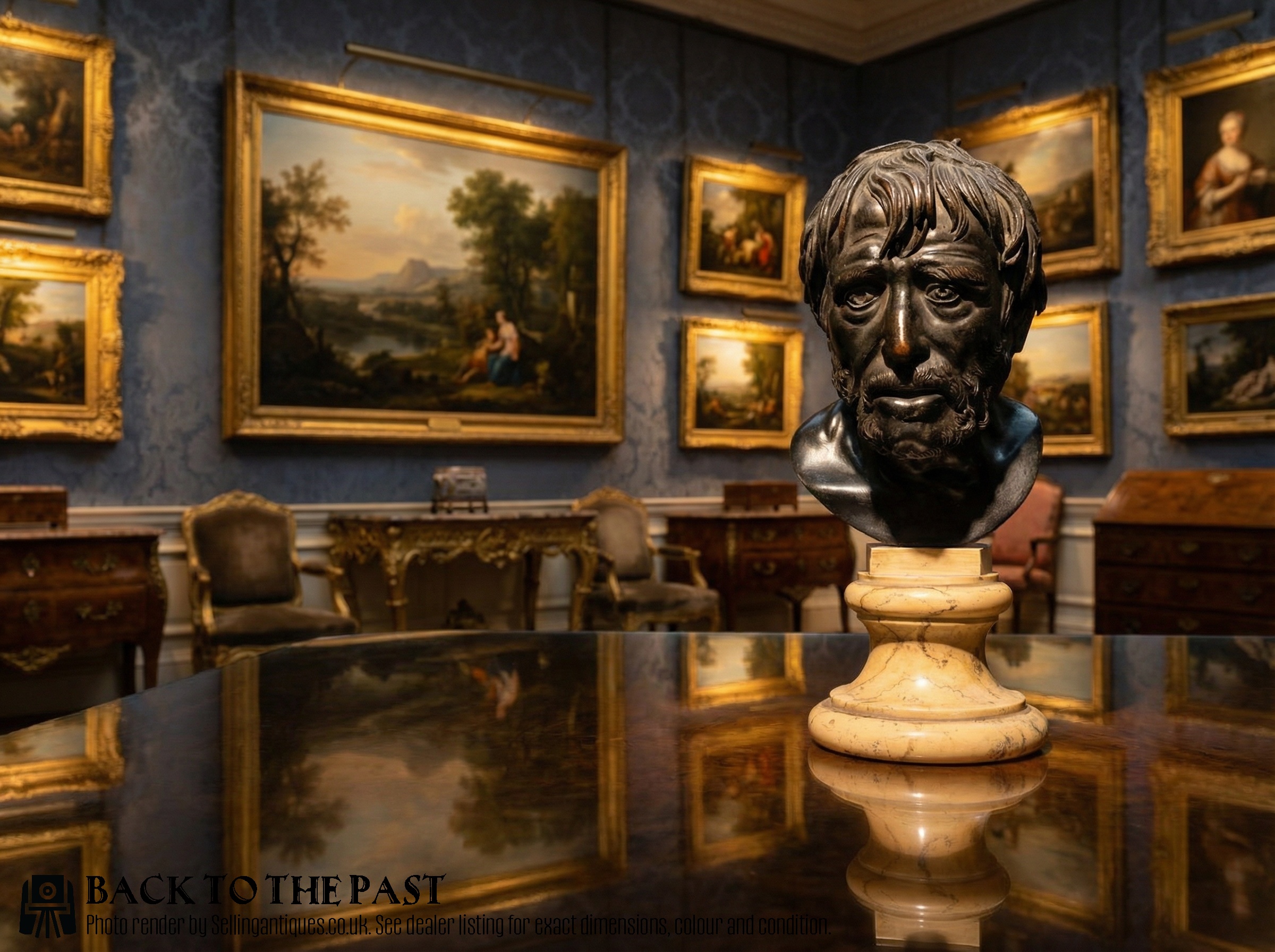
19th Century Bust
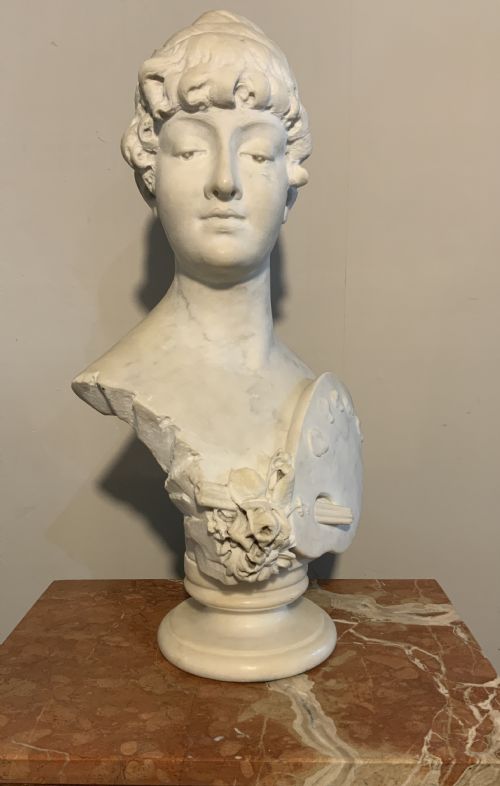
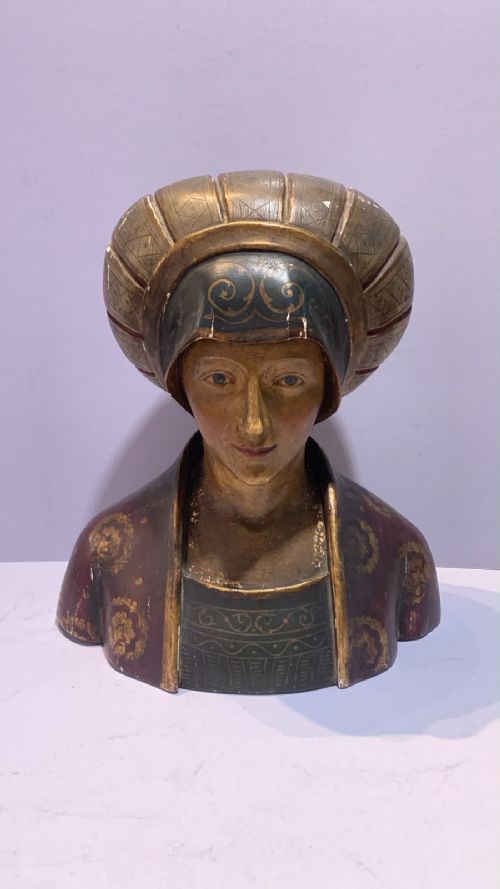
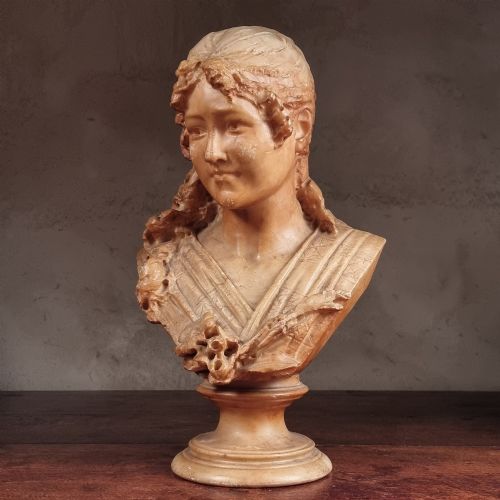
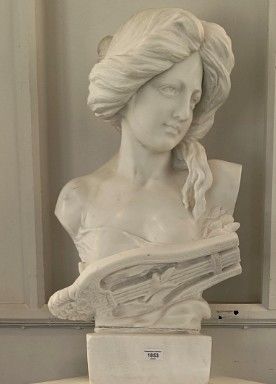
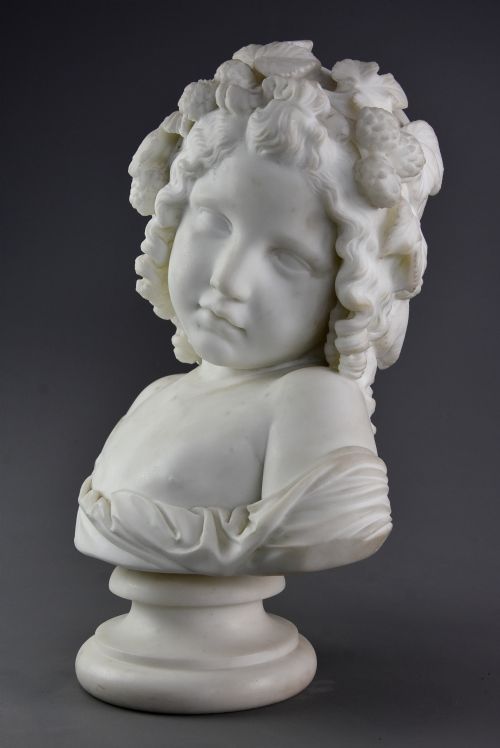
A 19th century bust captures historical figures, mythological deities, literary icons, and private sitters in three dimensions. These portraits translate the human form through the lens of Neoclassical, Victorian, Art Nouveau, and Renaissance Revival aesthetics.
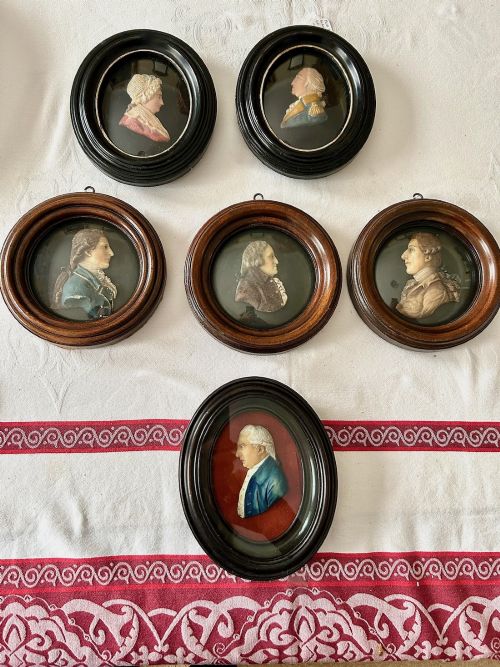
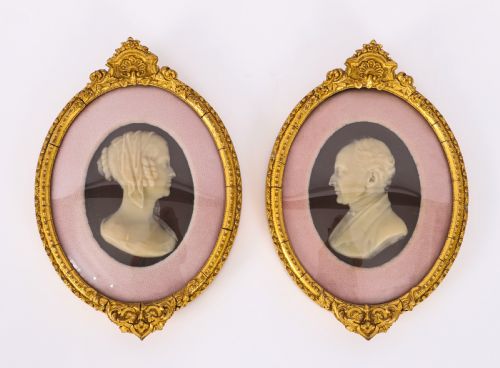
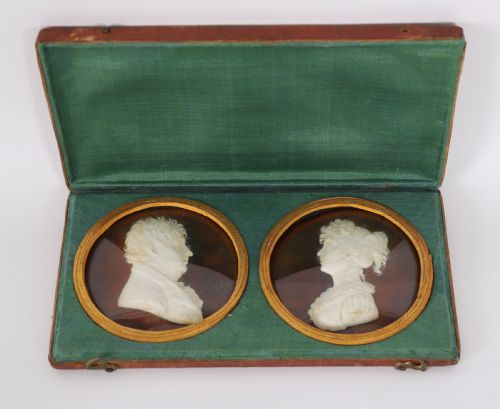
The objects take many physical formats on this page, ranging from life-size carved marble and patinated bronze sculptures to smaller Grand Tour souvenirs, delicate wax reliefs, terracotta studies, and plaster library copies.
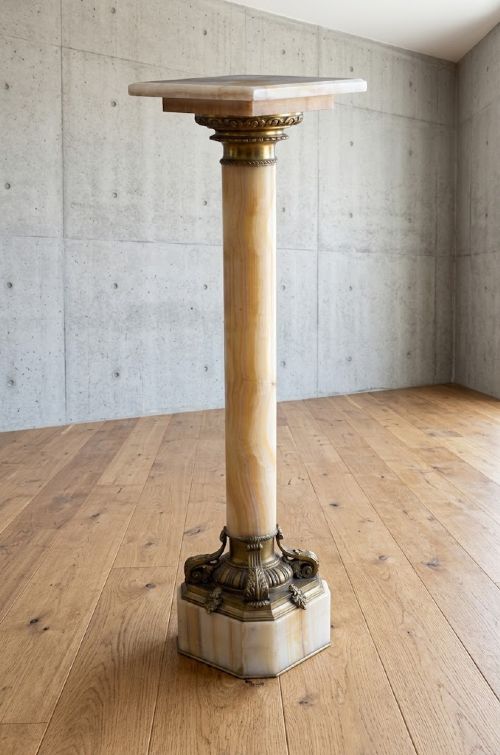
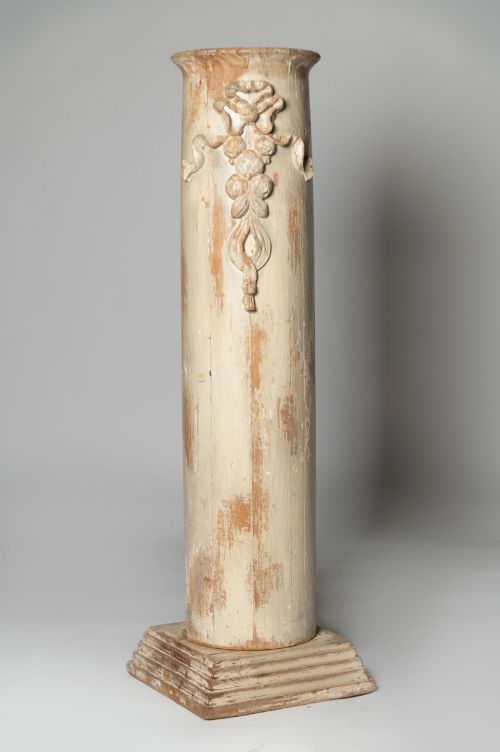
Makers and foundries across Britain, France, Italy, and Belgium produced these works, frequently pairing the sculpture with columns, pedestals, or specialised stands made of wood, onyx, or marble.
How They Were Made
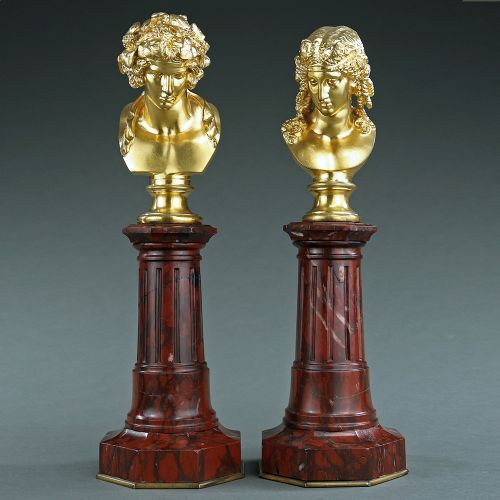
Carving required direct reduction from raw blocks of Carrara marble, alabaster, serpentine, or walnut, yielding distinct tool marks and polished surfaces. Bronze and gilt bronze versions utilised foundry casting methods, often followed by chasing and chemical patination.
Moulded materials such as plaster, parian porcelain, terracotta, and wax allowed workshops to replicate classical antiquities or cast contemporary portraits efficiently. Artisans finished these surfaces with paint, glass eyes, or gilding to heighten realism.
19th Century Bust Retail Price Guide 2026
Typical asking prices for 19th century bust among the pieces listed under this phrase on Sellingantiques today, from the lower quarter to the upper quarter. They describe what is for sale here now, not the wider market.
Listings feature works in marble, bronze, terracotta, plaster, alabaster, and wax, spanning Neoclassical, Victorian, and Art Nouveau styles.
What Varies in Quality
Material selection and finishing define the tier of a piece. Hand-chased bronze details, finely graded marble translucency, and signed foundry or artist stamps indicate higher standards of period execution.
Emmanuel Villanis·Eugene Aizelin·George Minne·Paul Auguste Gagne·Raffaelo Monti
The 19th Century Bust Glossary
- Grand Tour
- A traditional trip through Europe undertaken by upper-class young men to collect art and antiquities. These smaller bronzes, alabasters, and wax reliefs served as portable souvenirs of classical heritage.
- Parian porcelain
- A fine biscuit porcelain developed in Britain to imitate carved marble. It gained popularity for portrait busts due to its smooth, matte texture and creamy appearance.
- Patination
- The surface coloration and sheen developed naturally over time or applied chemically to bronze and metal sculptures. This treatment accentuates shadows and protects the underlying metal.
- Terracotta
- Fired unglazed clay possessing an earthy reddish-brown tone. Sculptors used this material for preparatory models as well as finished, expressive portrait studies.
19th Century Bust: Frequently Asked Questions
What materials were used for these sculptures?
Makers utilised a wide variety of materials depending on the intended setting and budget of the commission. Common mediums include carved Carrara marble, cast bronze, alabaster, terracotta, plaster, and parian porcelain.
Some smaller works incorporate wax, wood stands, or gilt bronze mounts. Each material imparts a distinct weight and visual texture to the finished portrait.
Where were these pieces displayed?
In the nineteenth century, these portraits occupied libraries, studies, drawing rooms, and hallways of domestic homes as well as institutional display spaces. Larger marble and bronze examples often stood upon dedicated columns or pedestals.
Smaller Grand Tour bronzes and alabasters fit easily on mantelpieces, bookshelves, and specialised table stands. They reflected the owner's literary, classical, or historical interests.
How do I identify the subject of a portrait?
Many subjects are identified by carved inscriptions, foundry stamps, or accompanying base plaques naming historical figures, literary characters, or mythological deities. Classical figures often wear specific attributes, such as laurel wreaths for poets or helmets for warriors.
Private sitters occasionally appear with period clothing or hairstyles that help narrow down the decade of creation. Unsigned works frequently require stylistic comparison with known museum examples.
Are these sculptures signed by artists?
Certain works bear signatures, monograms, or foundry marks stamped directly into the bronze, marble, or terracotta base. Signatures indicate individual sculptors or prominent commercial foundries active during the period.
Many decorative and Grand Tour pieces remain unsigned, representing anonymous studio production or standard museum copies intended for the nineteenth-century export market.