

Vintage Garden Sculpture
Vintage garden sculpture brings character to outdoor spaces through stone figures, cast iron animals, and classical ornaments from the eighteenth century to the mid-twentieth century.
Vintage Garden Sculpture
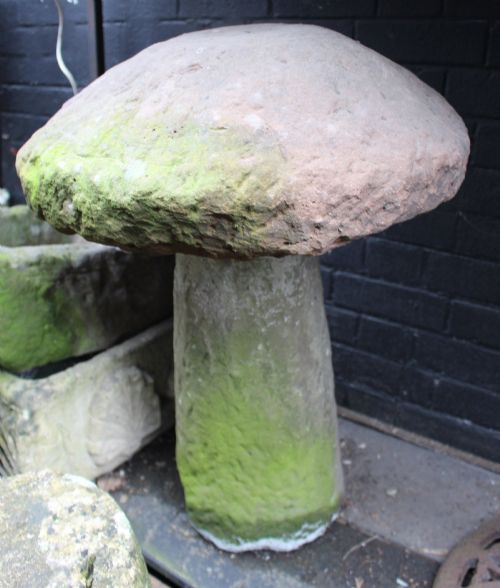
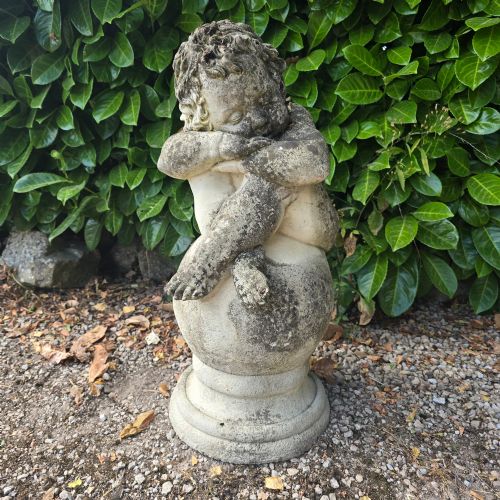
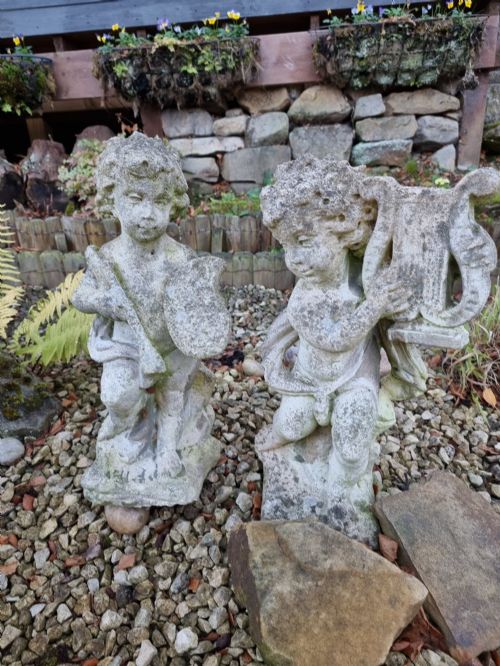
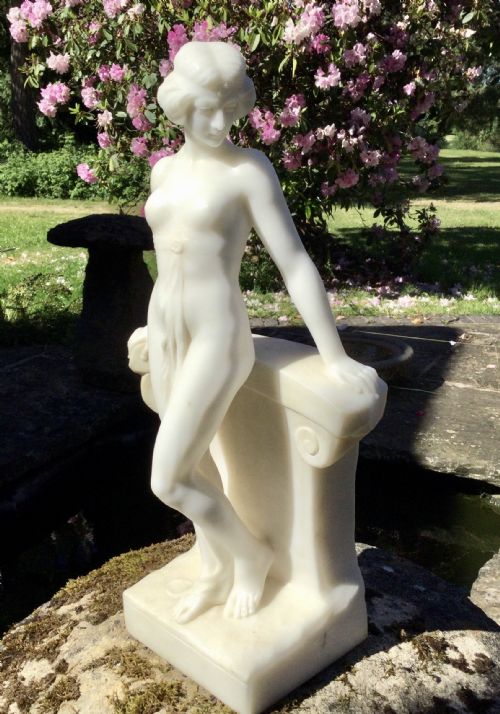
Vintage garden sculpture spans utilitarian staddle stones and architectural salvage to classical figures and figurative ornaments for the grounds. Pieces range from eighteenth-century sandstone anchors and staddle stones to mid-twentieth-century stone ladies and cherubs.
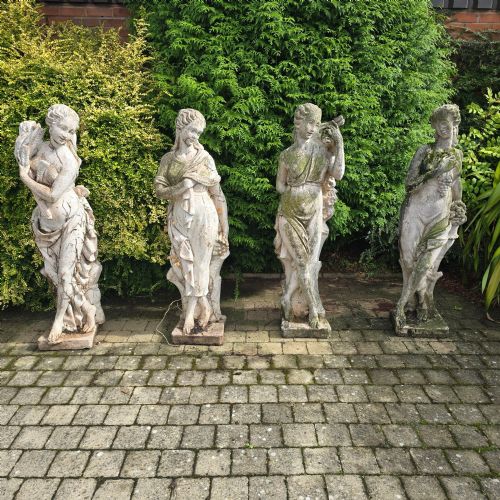
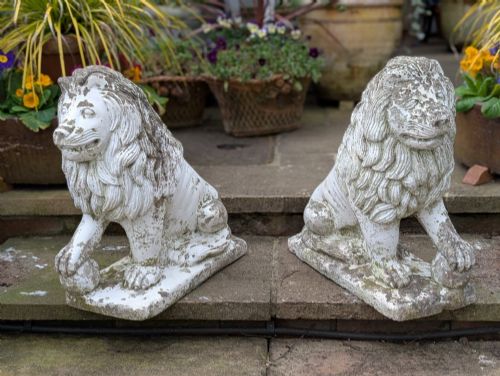
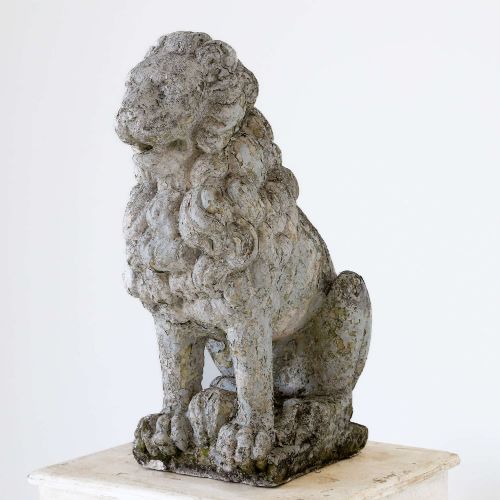
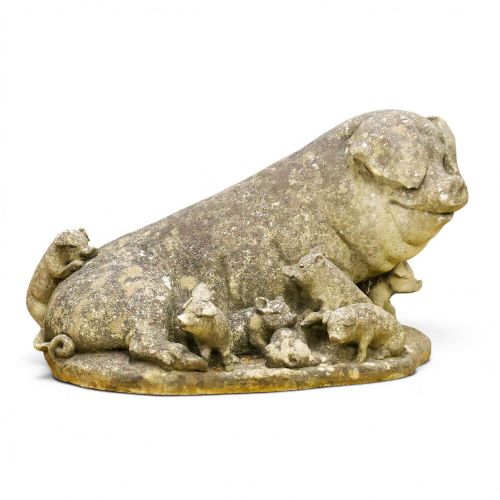
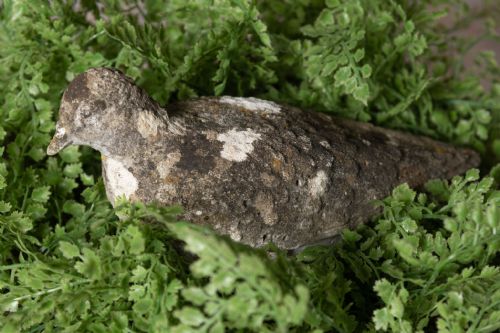
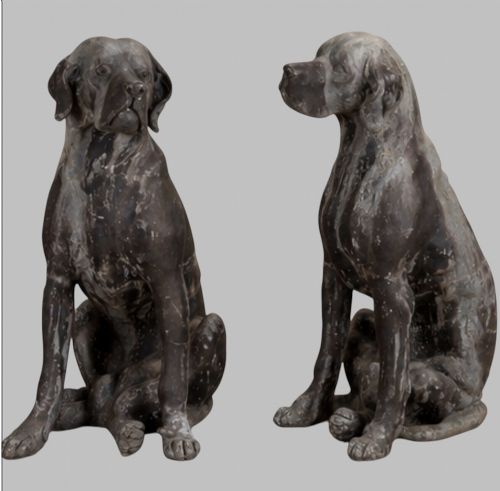
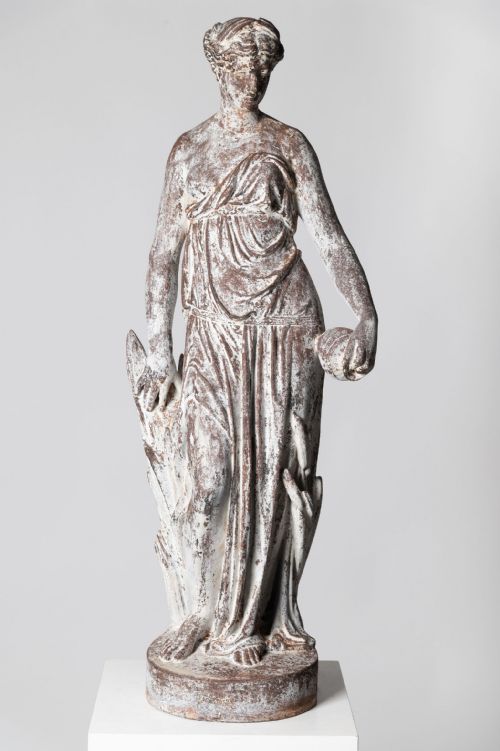
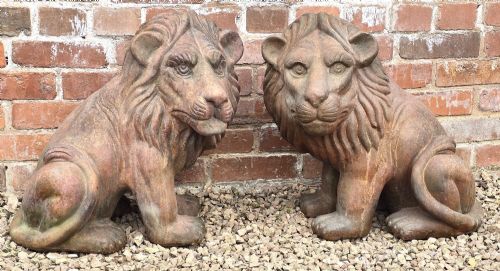
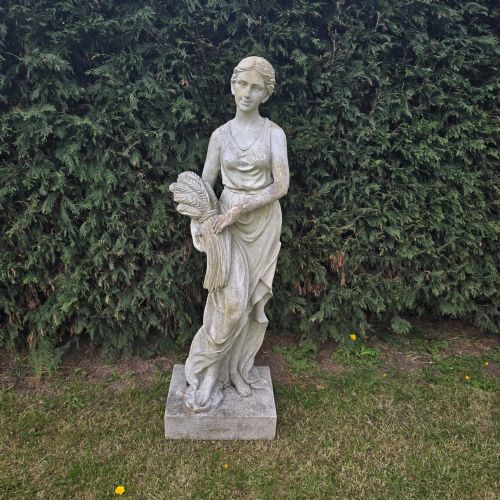
Buyers meet classical revival forms most frequently on this page, including pairs of seated lions, representations of the four seasons, and stone busts on plinths. Animal figures such as pigs, hounds, eagles, and geese also appear alongside folk art and fairground pieces.
Materials and construction methods
Maker workshops utilised durable materials suited to outdoor exposure, predominantly cast stone, reconstituted stone, and composite stone moulded into figurative forms. Traditional masonry produced hand-sculpted terracotta and carved sandstone or marble elements.
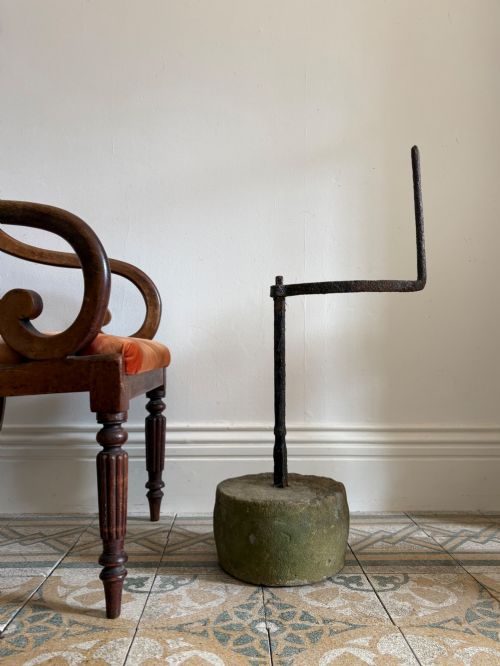
Metal elements relied on cast iron, wrought iron, and bronze, often featuring forged iron handles or tethering points. Surface finishes frequently incorporated original old paint or developed natural weathering over decades.
Current listings span periods from the eighteenth century to the nineteen-fifties, featuring materials from wrought iron to hand-sculpted terracotta.
Assessing quality in garden ornamentation
Quality rests in the sculptural modelling of the form, whether anatomical detail in animal figures or drapery on classical statues. Finer pieces demonstrate proportion and balance, particularly in monumental pairs of lions or life-sized figures.
The degree of surface weathering and retention of original paint surfaces contribute to the character of cast iron and stone pieces. Greater sculptural presence is found in works retaining clear provenance to established foundries or specific regional stonework traditions.
Val d Osne foundry
The Vintage Garden Sculpture Glossary
- Staddlestone
- A mushroom-shaped stone support formerly used to raise granaries and corn ricks off the damp ground to deter pests. Eighteenth-century examples are typically carved from solid sandstone.
- Reconstituted stone
- A manufactured material composed of aggregate and cement binder moulded to replicate natural cut stone. It became widely used for garden ornaments during the early twentieth century.
- Cast iron
- Molten iron poured into a mould to create durable figures and architectural elements. Foundries such as Val d'Osne utilised this technique for robust outdoor statues.
- Fairground art
- Decorative pieces salvaged from amusement rides and fairground attractions. These objects bring vibrant folk art qualities to outdoor environments.
- Okimono
- Japanese decorative objects designed for display, including life-sized bronze garden figures. They represent fine metalworking traditions brought into western garden design.
Vintage Garden Sculpture: Frequently Asked Questions
How do I choose a garden sculpture?
Consider the scale of your outdoor space and the sightlines from interior windows when selecting a figure or architectural ornament. Larger pieces such as life-sized lions or grecian ladies require substantial plinths and open settings to command the space effectively.
Material choice should reflect your local climate and maintenance preferences. Cast iron and bronze develop patinas over time, while stone and terracotta offer traditional classical aesthetics that weather gracefully outdoors.
How were staddle stones used?
Staddle stones served as structural foundation blocks for agricultural granaries and rick stands. The wide cap prevented rats and dampness from reaching the stored grain above.
Today these stones function primarily as focal points, garden seating supports, or decorative markers in country house and rustic vernacular landscapes.
Can cast iron garden statues stay outside?
Cast iron garden statues are designed for outdoor placement and withstand seasonal weather changes well. Many pieces feature protective paint layers or develop stable oxidised patinas that shield the underlying metal.
Placing iron sculptures on raised stone bases helps prevent direct contact with standing ground moisture, reducing the risk of accelerated corrosion during winter months.
How do I identify the period of a stone statue?
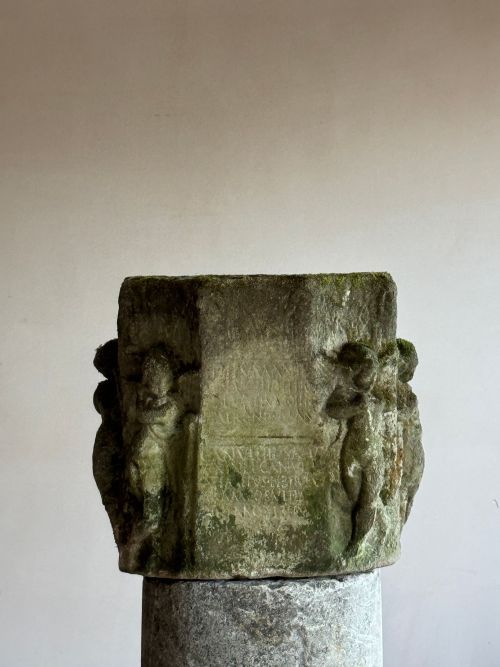
Period identification relies on observing the stylistic details, such as neoclassical drapery, Edwardian moulding techniques, or nineteenth-century casting marks. Tool marks on hand-carved sandstone differ distinctly from the uniform surfaces of twentieth-century reconstituted stone.
Natural weathering patterns and the presence of old accumulated lichens also offer clues to age, though environmental conditions can vary the appearance significantly.