



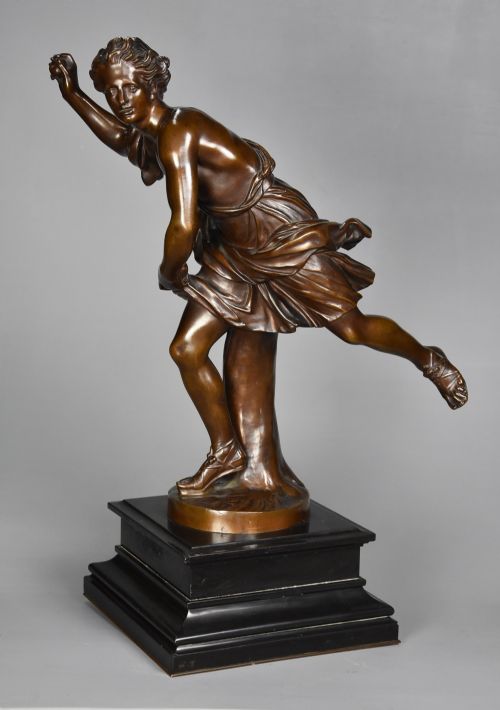
Antique Neoclassical Sculpture
Antique neoclassical sculpture draws heavily on classical antiquity, offering figures, busts and architectural models that evoke the grandeur of Greece and Rome.
Antique Neoclassical Sculpture
When you examine antique neoclassical sculpture, you encounter works ranging from diminutive Grand Tour bronzes to monumental marble busts and figural groups. These pieces interpret classical mythology, literature and historical personages through the aesthetic lens of the eighteenth and nineteenth centuries.
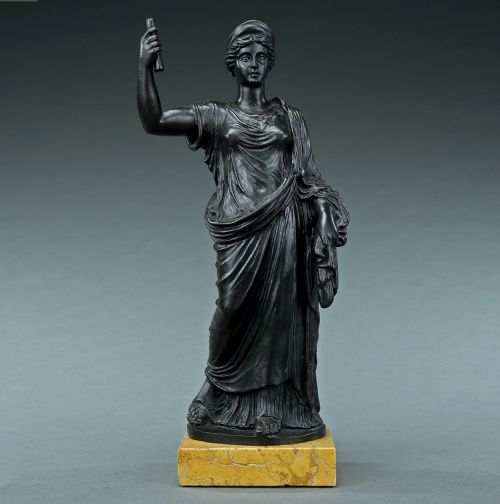
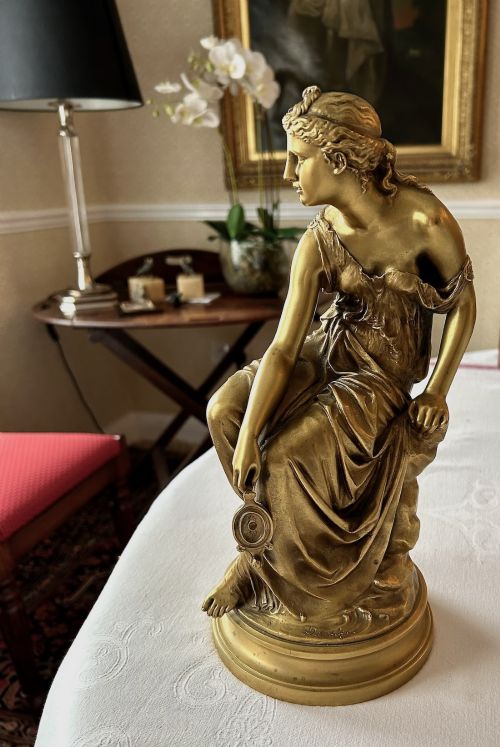
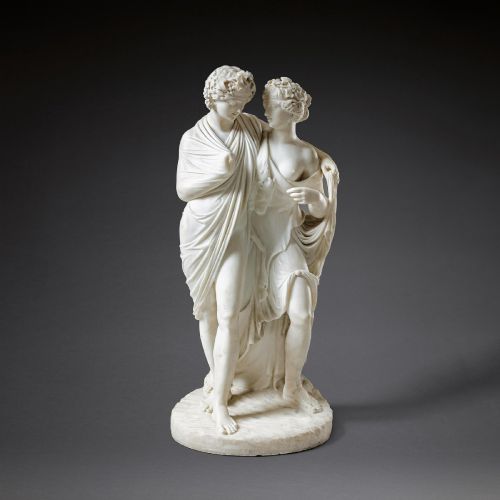
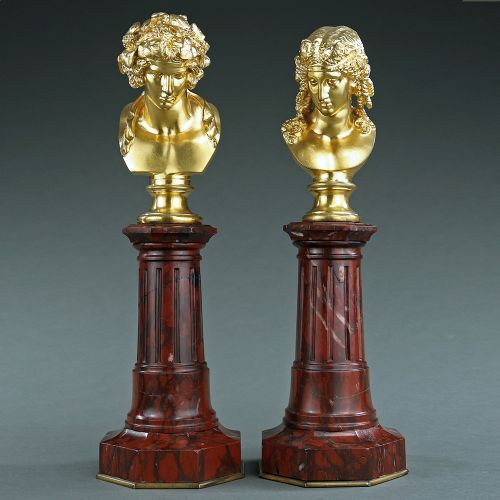
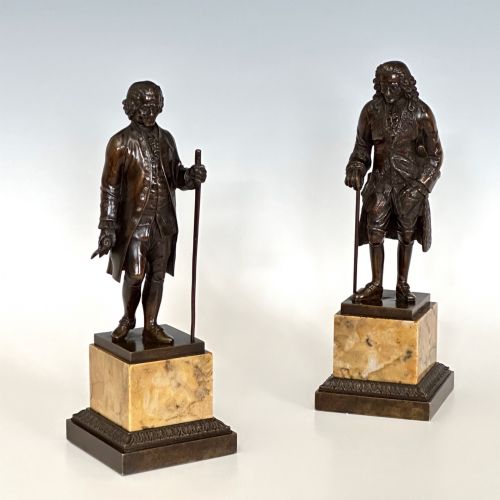
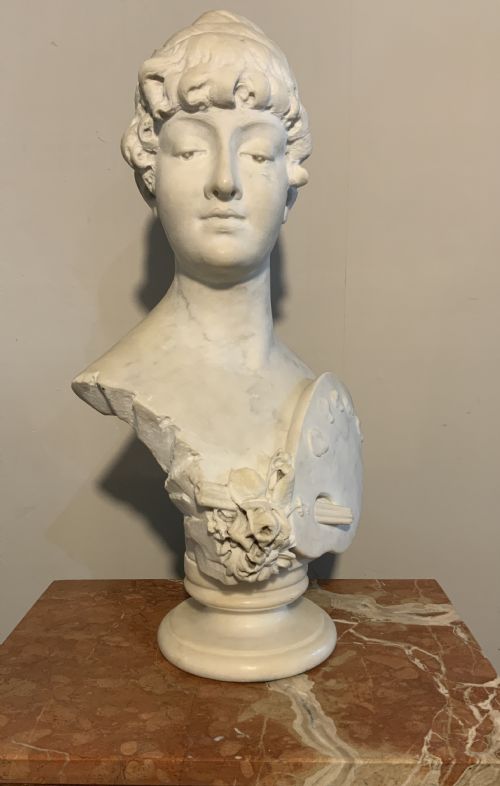
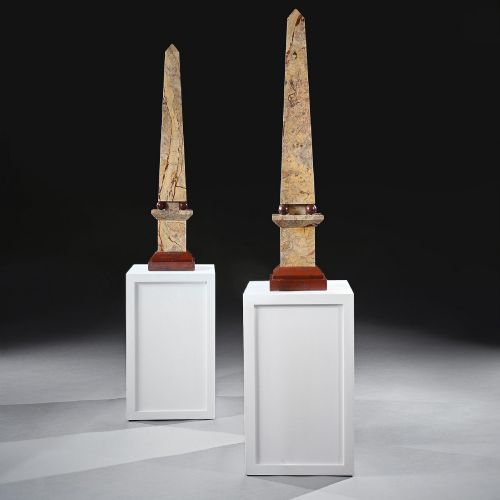
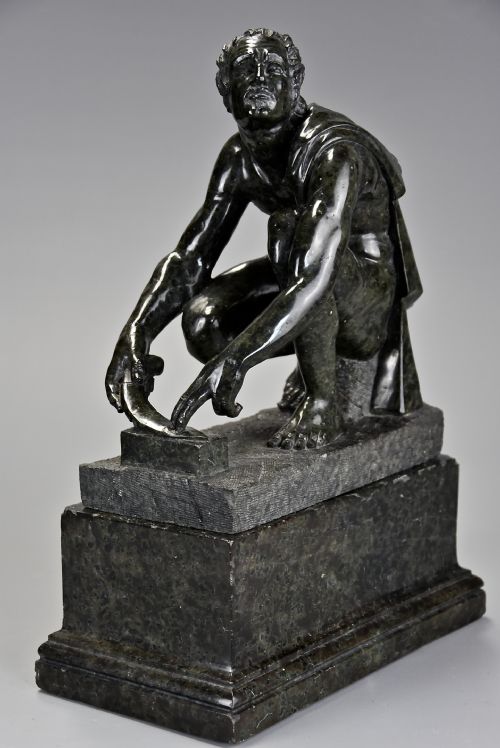
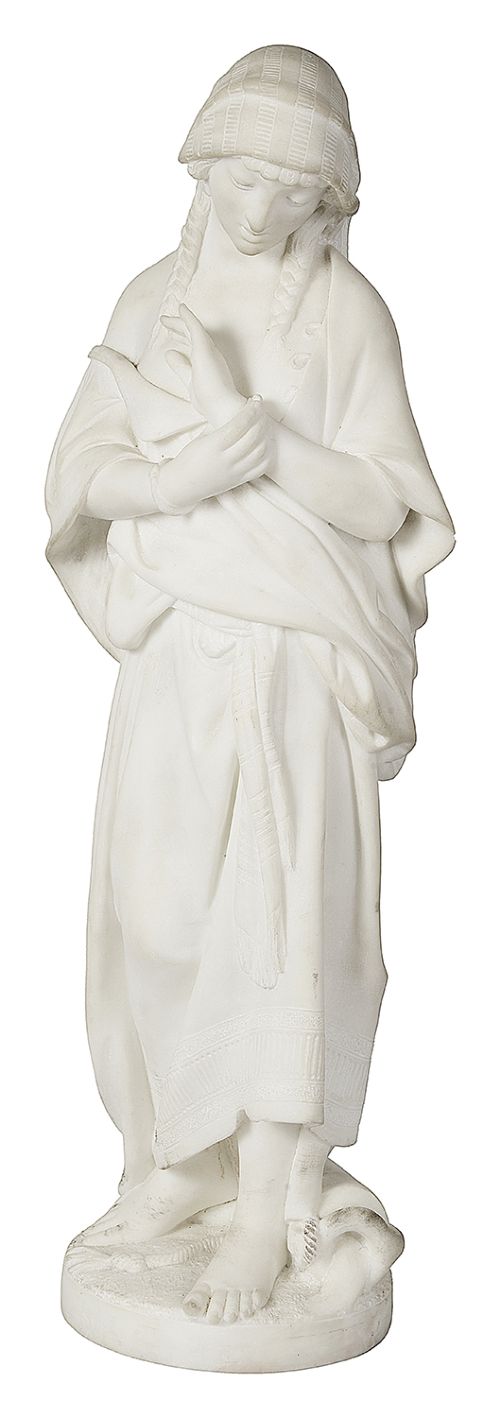
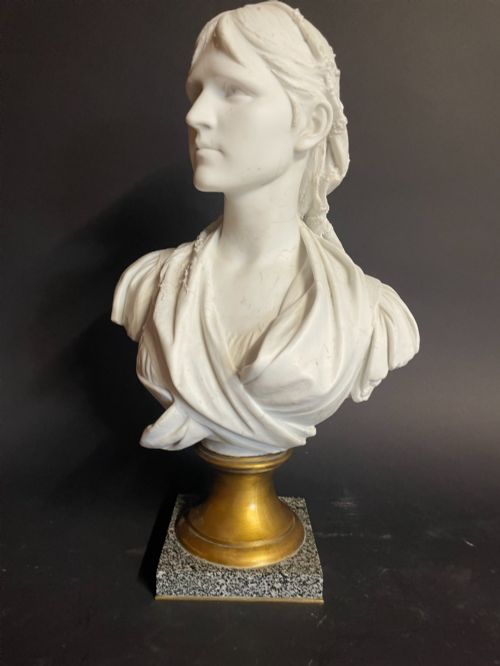
The versions most commonly met on this page include bronze figures of classical deities and heroes, white marble portraits, and marble or stone models of ancient architectural landmarks and sculptures after the antique. Such works were produced across Europe, with Italian and French workshops supplying the majority of pieces created for travellers, collectors and domestic interiors.
Materials and Methods
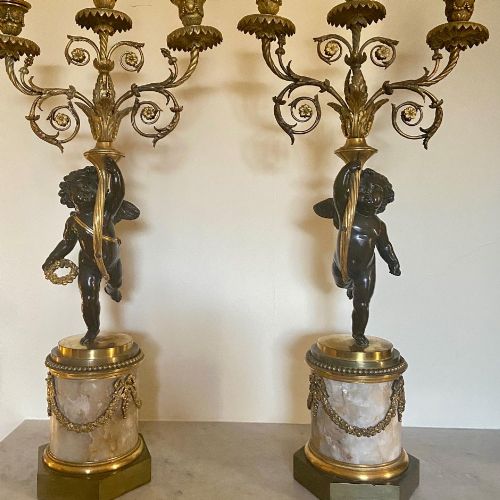
The physical substance of these works relies fundamentally on cast bronze and carved marble, frequently enhanced with patination, gilt bronze or ormolu mounts. Bronze casts capture intricate detail through traditional foundry methods, sometimes finished with dark patination or bright gilding.
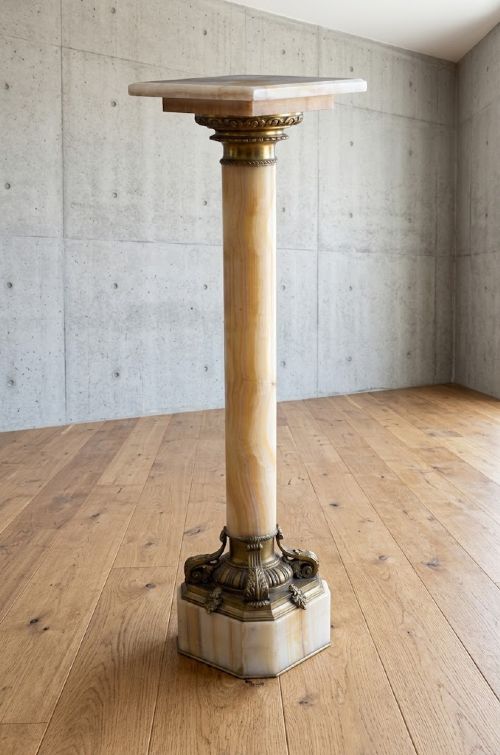
Marble carving utilises varied stones such as Carrara, Siena, Portasanta and verdo prato to emulate ancient statuary and decorative elements. Artisans also employed plaster and terracotta, mounting finished figures on marble plinths, onyx columns or slate bases.
Canova's famous lions find miniature immortality here as heavy doorstops or desk companions, proving that even neoclassical royalty needed a feline guard.
Distinctions in Execution
Quality rests upon the crispness of the chisel work in marble and the precision of the chasing and patination in bronze. Finer castings preserve the anatomical subtlety and expressive depth of the original classical models without softening the contours.
Attribution to known founders or sculptors, alongside the selection of superior marbles and the weight of the mountings, elevates certain examples above standard decorative souvenirs. The fidelity of the proportions and the finesse of the surface finish determine the standing of each piece.
Etienne-Henri Dumaige·Ferdinand Barbedienne·Carlo Albacini·Francois Redmond·Coustou·Barranti·Houdon·Émile Louis Picault·Eugene Aizelin
The Antique Neoclassical Sculpture Glossary
- Grand Tour
- A traditional trip undertaken by European aristocrats to study classical art and antiquities, which generated a demand for portable bronzes and carved stone models. Souvenirs acquired during these journeys form a substantial category of nineteenth-century sculpture.
- Patinated Bronze
- A bronze sculpture treated with chemical solutions to produce a specific surface colour, ranging from deep brown to verdigris. This finish protects the metal and defines the highlights and shadows of the cast.
- Ormolu
- Finely ground high-carat gold applied to a bronze base using a mercury amalgamation technique, common in French decorative arts. It provides a bright, durable golden surface to mounts, collars and bases.
- Carrara Marble
- A type of white or blue-grey marble quarried in the city of Carrara in Tuscany, prized since Roman times for its homogeneity and fine grain. Sculptors utilised it extensively for portraits and copies of ancient statuary.
Antique Neoclassical Sculpture: Frequently Asked Questions
What is a Grand Tour sculpture?
Grand Tour sculptures are portable bronze figures, marble carvings or architectural models purchased by travellers in the eighteenth and nineteenth centuries as mementoes of their educational journeys through Italy and Greece.
These pieces typically reproduce famous classical antiquities housed in European museums, allowing collectors to display miniature versions of canonical works within their private libraries and drawing rooms.
How do I distinguish bronze from spelter?
Bronze is a heavy alloy of copper and tin that yields a resonant sound when struck and accepts intricate chasing and rich patination. Spelter is a cheaper zinc-based white metal alloy that feels lighter and often shows brittleness around fine details.
When examining a figure, look at the underside and areas of wear for the reddish-brown hue of copper beneath the surface rather than the dull grey typical of spelter.
Where were these sculptures displayed historically?
In nineteenth-century interiors, these sculptures stood upon dedicated pedestals, marble columns, mantelpieces and tabletop cabinets. They served as focal points in libraries and studies to signal the owner's classical learning and refinement.
Pairs of figures often flanked doorways or chimney pieces, while architectural models decorated entrance halls and formal reception rooms.
How should I care for antique marble?
Antique marble requires gentle dusting with a dry, soft cloth to prevent abrasive particles from accumulating in carved recesses. Avoid using water, detergents or chemical cleaners, which can penetrate porous stone and alter the historic surface.
If a piece requires deeper attention, consult a professional conservator specialising in stone rather than attempting amateur cleaning.