


Neoclassical Plaster Figure
A neoclassical plaster figure brings the severe and restrained dignity of ancient sculpture directly into your study or library.
Neoclassical Plaster Figure
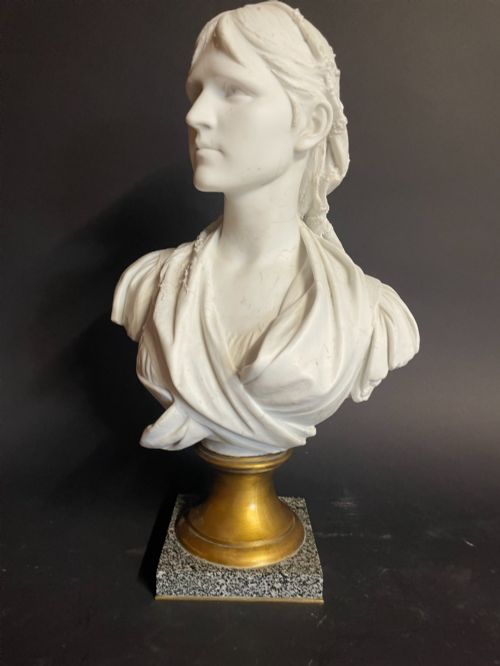
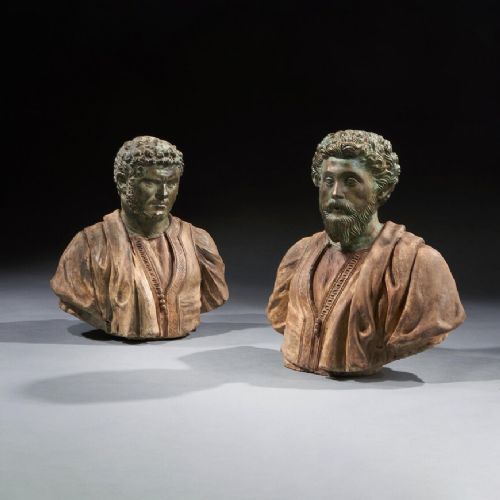
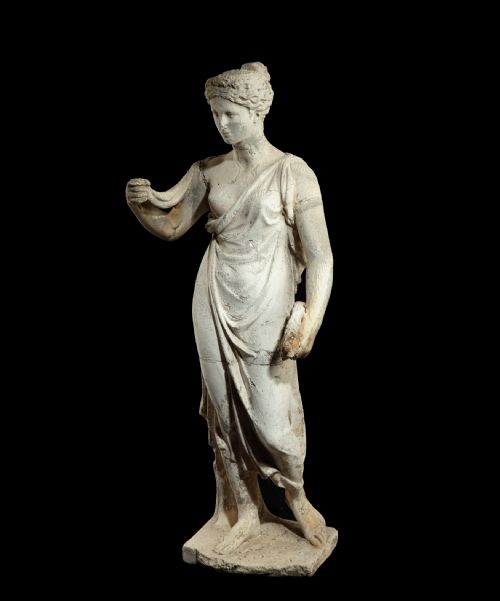
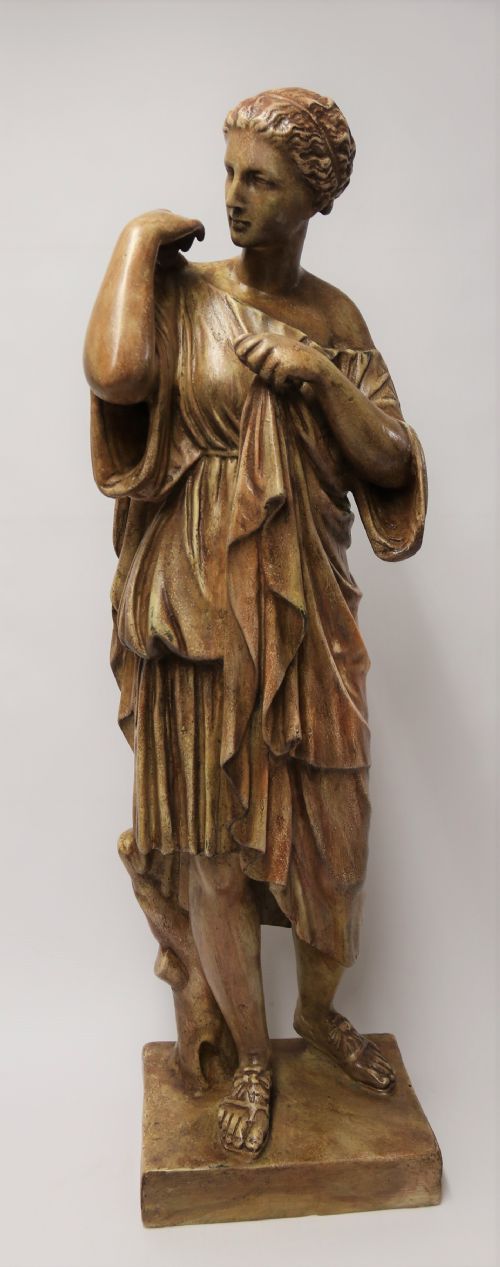
When you search for a neoclassical plaster figure, you are looking at sculptural works that draw directly on the classical antiquity of Greece and Rome. These pieces range from grand tour figures and library busts to pairs of muses and caryatids. You will frequently encounter nineteenth-century interpretations alongside Regency and Georgian examples on this page.
The forms span individual statues, portrait busts of emperors such as Marcus Aurelius and Augustus, and functional items like torcheres. Many adopt recognisable subjects from classical mythology and history, including Diana the Huntress and the Dancing Faun. They serve primarily as interior decorative ornaments designed to evoke the grand style of classical antiquity.
How they were made
Makers fashioned these pieces using plaster, stucco, and terracotta, often pairing the main figural elements with materials like brass, marble, granite, and glass. Sculptors and modellers cast or carved the plaster into detailed moulds to replicate the smooth surfaces of ancient marble originals. Some examples incorporate paint or display a verdigris patina to simulate the appearance of aged bronze or stone.
The creation of these works required careful handling of liquid plaster and structural reinforcement to support larger statues and pedestals. Makers such as Humphrey Hopper produced finely detailed figures that mirrored the neoclassical taste of the Regency and Georgian eras. Workshops also employed skilled finishers to apply surface patination and mount the figures securely onto bases.
Materials appearing across the inventory include plaster, stucco, marble, terracotta, brass, glass, and verdigris patina.
What varies in quality
Materials and associated mounts also dictate the overall standard of the object. Pieces that incorporate substantial marble bases or carefully applied patination show a higher level of workshop ambition than simple, unadorned plaster casts. The presence of documented maker attribution, such as work in the manner of Hopper, elevates the historical interest of the piece.
Humphrey Hopper
The Neoclassical Plaster Figure Glossary
- Plaster
- A building and sculpting material made from gypsum, water, and other ingredients that hardens into a solid form when dry. It serves as the primary medium for casting neoclassical figures and portrait busts.
- Stucco
- A fine plaster mixture used for decorative work and sculptural figures. It allows for smooth surfaces and sharp relief details.
- Torchere
- A tall ornamental stand or floor candelabrum designed to hold a light source. In neoclassical interiors, these often support figural sculptures.
- Caryatid
- A sculpted female figure serving as an architectural support taking the place of a column or a pillar. Pairs of these figures appear in French neoclassical works.
- Grand Tour
- A traditional trip through Europe undertaken by upper-class young men of means during the eighteenth and nineteenth centuries. Travellers frequently purchased small plaster figures and busts as souvenirs of antiquity.
Neoclassical Plaster Figure: Frequently Asked Questions
How were these figures used originally?
In the eighteenth and nineteenth centuries, these figures were displayed in libraries, halls, and studies to signal learning and taste. They formed part of the broader classical revival movement.
Collectors often placed them on pedestals or integrated them into architectural schemes alongside marble and bronze works.
How do I care for a plaster figure?
Plaster is a delicate material that requires dry dusting with a soft brush to prevent the accumulation of dirt. Moisture can damage the surface and weaken the structure over time.
Keep these pieces away from direct sunlight and areas of high humidity to preserve the finish and any applied patination.
How can I tell the period of a plaster figure?
Dating relies on examining the style of the modelling, the type of base, and any accompanying materials like brass or marble. Regency and Georgian examples often reflect specific sculptural traditions associated with makers like Humphrey Hopper.
Nineteenth-century grand tour pieces typically exhibit the distinctive surface wear and patination acquired over generations.