


Grand Tour Style Figure
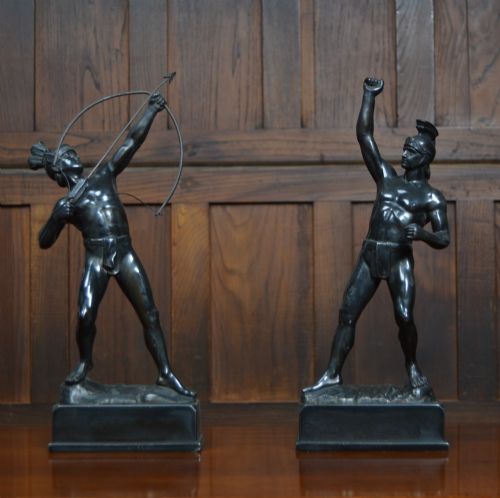
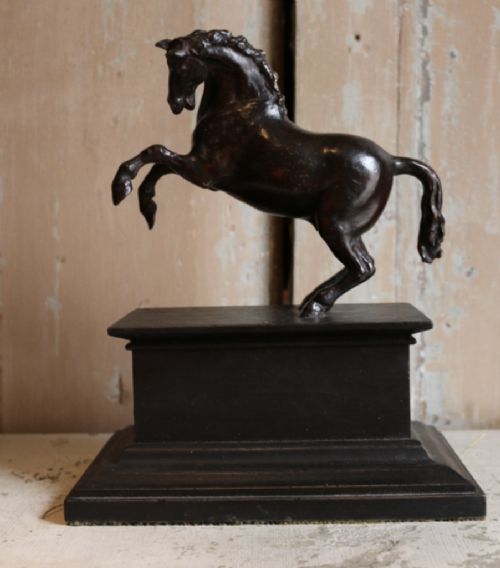
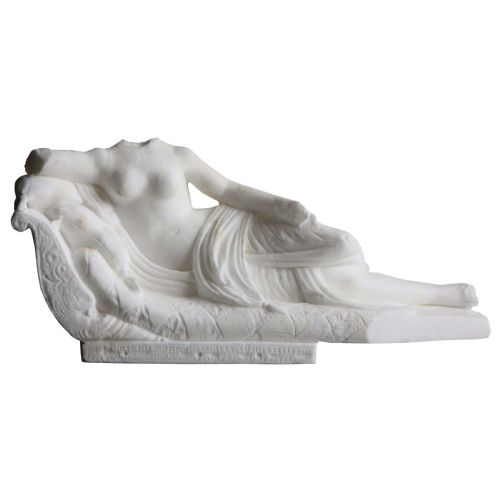
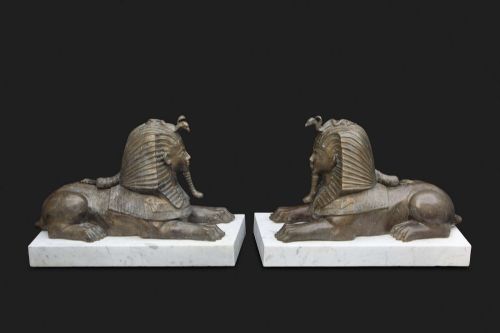
A grand tour style figure brings the sculpture of classical antiquity and the Renaissance straight into a room through nineteenth-century reduction and cast.
Grand Tour Style Figure
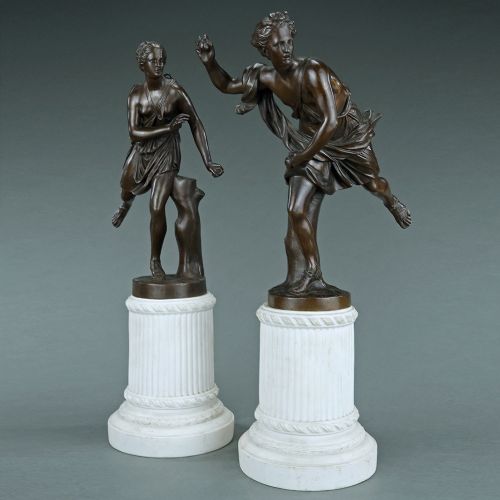
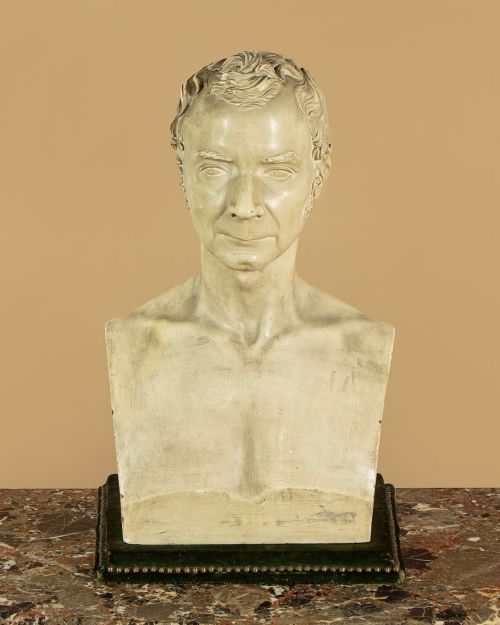
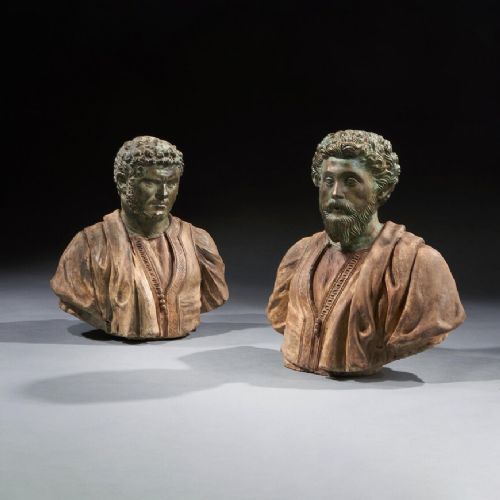
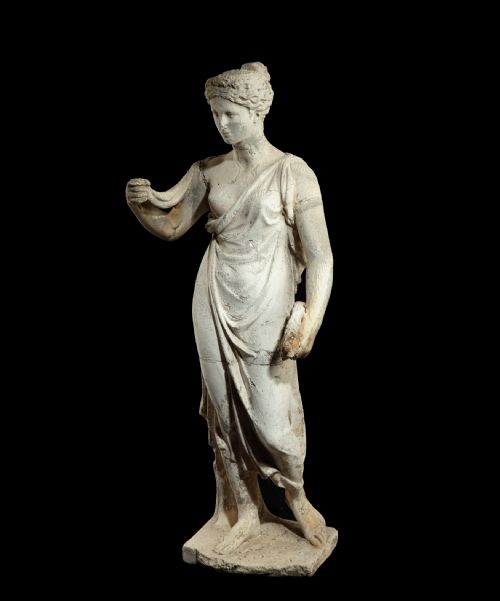
A grand tour style figure represents classical deities, emperors, literary heroes and celebrated sculptures encountered by travellers in European capitals during the eighteenth and nineteenth centuries. These pieces take the form of bronze and patinated bronze statues, marble and plaster busts, and occasionally lamps or candlesticks.
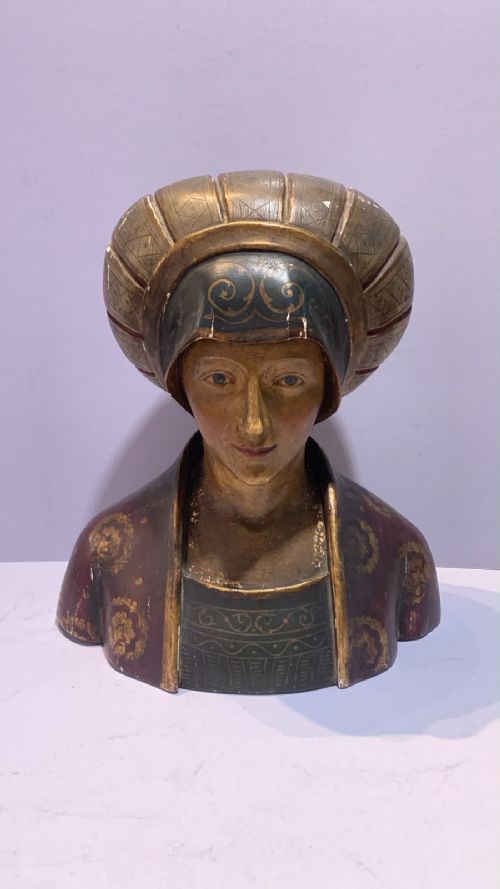
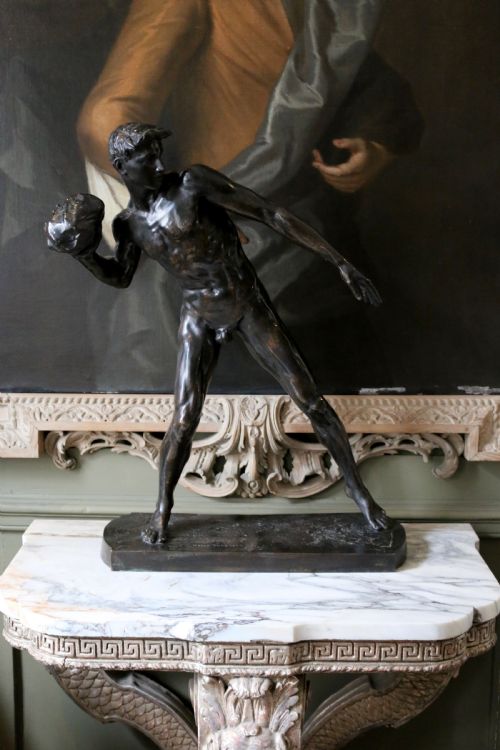
The most common examples on this page are nineteenth-century bronze reductions of famous ancient statues such as the Dancing Faun, the Spinario, and the Discobolus, often mounted on heavy marble plinths. Alongside these stand portrait busts of Roman emperors and Renaissance figures modelled after canonical works.
Origins span Italy, France and Britain, reflecting the routes taken by collectors acquiring souvenirs of classical culture. Makers range from commercial foundries like Barbedienne to skilled individual modellers working in stucco, terracotta and cast metal.
How they were made
Foundries utilised the lost-wax casting method or sand casting to produce bronze figures, capturing intricate musculature and drapery before applying patination ranging from deep brown to green. Many bronzes sit upon turned or slab-cut marble and carrara bases.
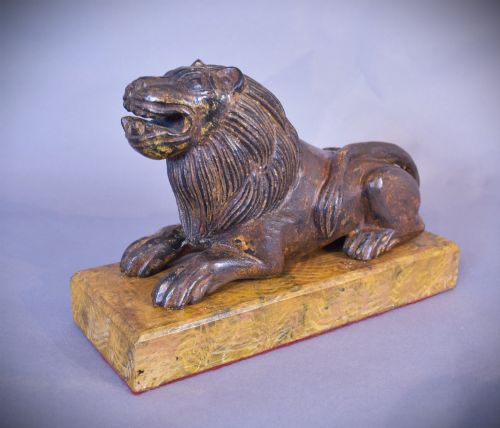
Lighter alternatives rely on plaster, stucco, gesso and terracotta, cast into moulds and sometimes painted or highlighted with gilt to simulate stone or metal. Wood and ebonised timber appear in carved figural supports and decorative animal studies.
Listings feature materials spanning bronze, patinated bronze, marble, plaster, terracotta, wood, paint and gesso across the nineteenth century.
What varies in quality
The choice of base material and the depth of the chemical patina distinguish workshop tiers. Heavier marble plinths and richly layered patination denote finer production, whereas mass-market castings often display softer surface details and simpler mounts.
Barbedienne·Hamo Thornycroft·Antonio Canova·Leofanti Adolphe·Antoine Coysevox·Clodion·Eden Antony Paul Noel·Ferdinando de Luca
The Grand Tour Style Figure Glossary
- Patina
- A thin layer that forms on bronze through age or chemical treatment, altering the surface colour to brown, black or green. This finish protects the metal and defines the visual depth of the sculpture.
- Reduction
- A smaller copy of a larger public monument or ancient statue, produced by mechanical scaling or skilled eye. These reductions made famous museum sculptures portable for travellers.
- Plinth
- A heavy block of marble, stone or wood that serves as the base for a bust or statue. In grand tour pieces, contrasting coloured marbles often elevate the metal figure.
- Spelter
- An alloy of zinc and lead used as a cheaper substitute for bronze. Spelter figures are lighter and softer than bronze and require careful handling.
- Bust
- A sculpted representation of a person's head, shoulders and chest. Library busts in plaster or bronze were standard decor for nineteenth-century studies.
Grand Tour Style Figure: Frequently Asked Questions
What is a grand tour style figure?
These pieces are reduced-scale copies of classical antiquity, mythological subjects and Renaissance masterpieces collected by travellers touring Europe.
They translate museum sculptures into domestic decor using materials such as bronze, marble, plaster and terracotta.
How do I date a bronze figure?
Dating relies on the casting technique, the character of the patina, and the style of the mounting plinth. Nineteenth-century examples often bear foundry marks or show distinct hand-chasing beneath the chemical finish.
Archival subjects and costume details also provide clues, as foundries reproduced specific museum pieces during distinct decades.
Are these pieces solid bronze?
Many grand tour figures are hollow-cast to save weight and metal, particularly larger statues and animal bronzes. Solid casting is more common in smaller statuettes and detailed medallions.
Checking the underside or base often reveals the hollow interior through casting apertures.
How should I clean a patinated bronze?
Dusting with a soft, dry cloth is sufficient for routine maintenance, avoiding all water and chemical cleaning agents. Moisture and abrasive cleaners strip the chemical patina and damage the metal surface permanently.
Occasional application of microcrystalline wax helps protect historical patination from atmospheric humidity.