
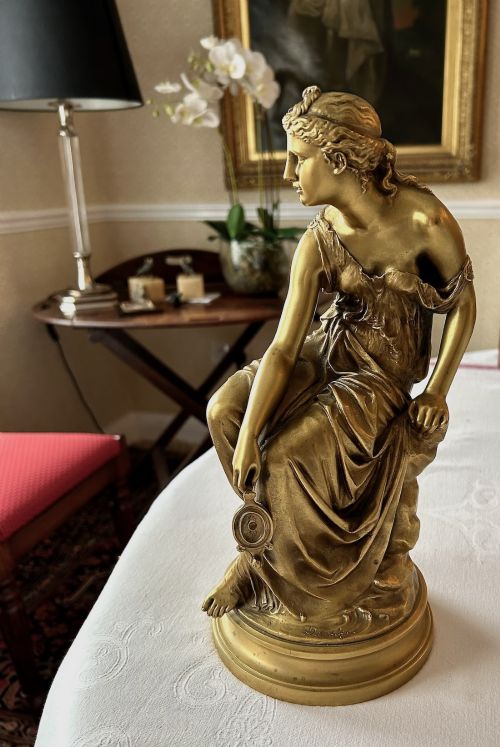
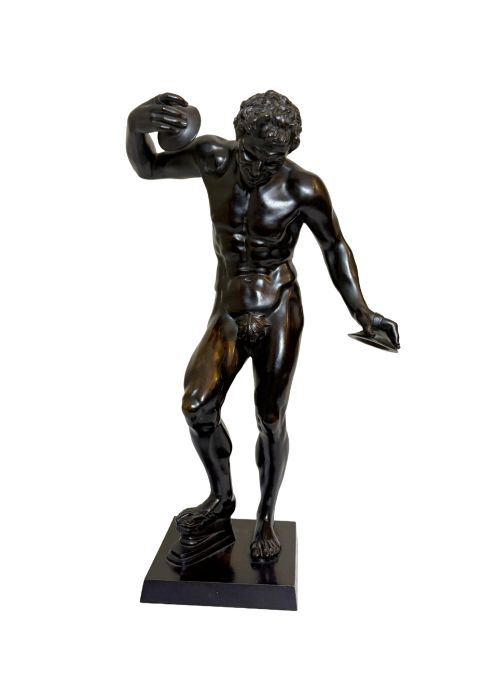
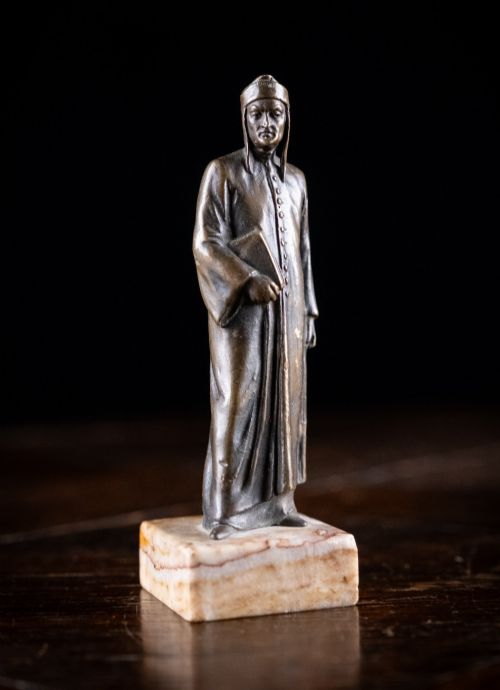
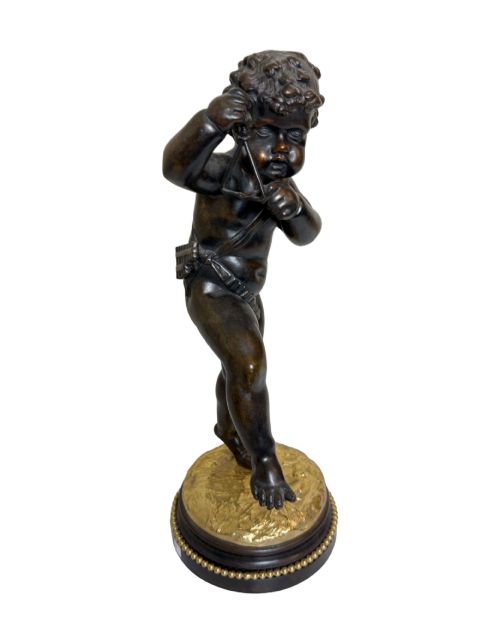
Nineteenth Century Bronze Figure
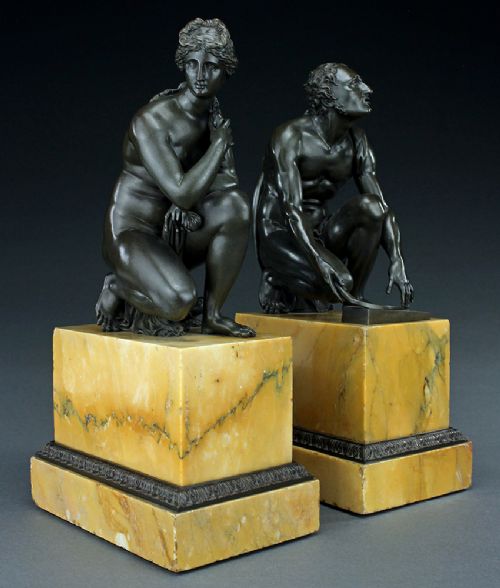
A nineteenth century bronze figure brings classical antiquity, mythological subjects and finely patinated metalwork straight into a room.
Nineteenth Century Bronze Figure
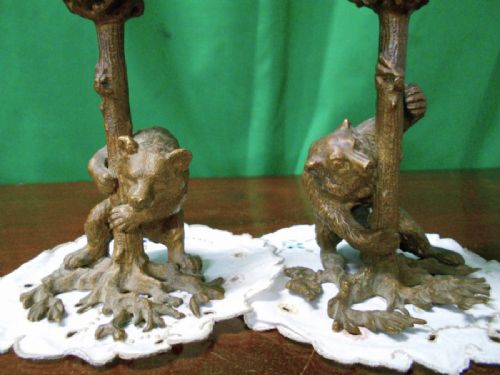
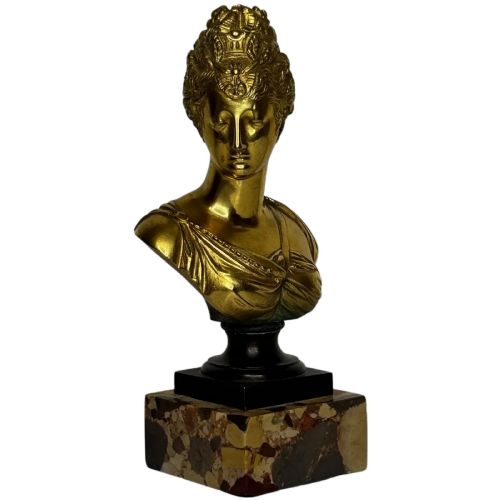
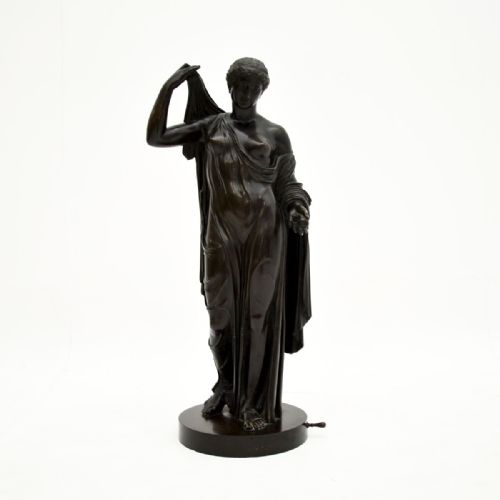
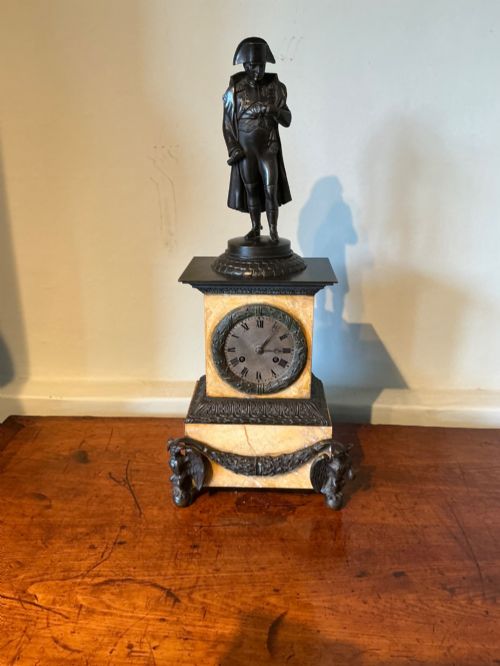
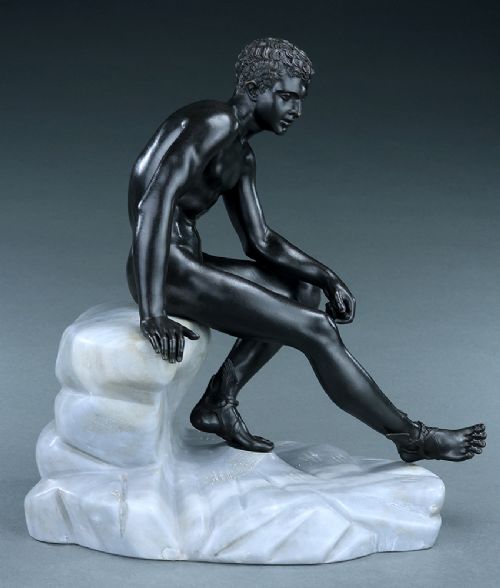
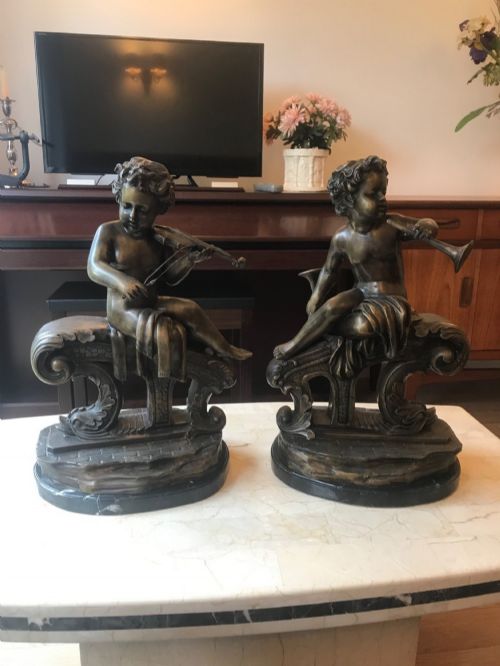
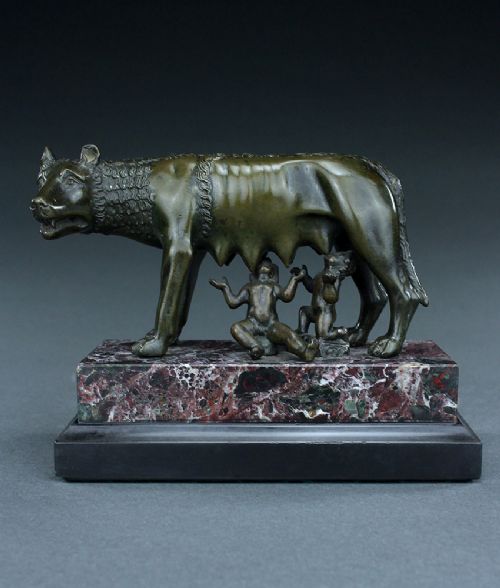
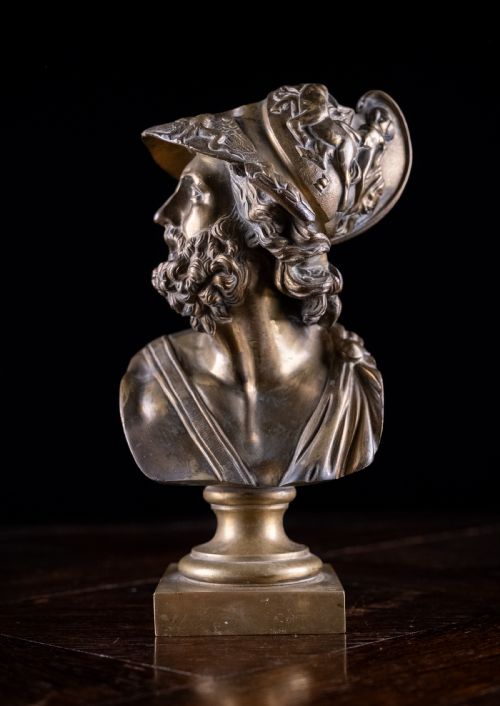
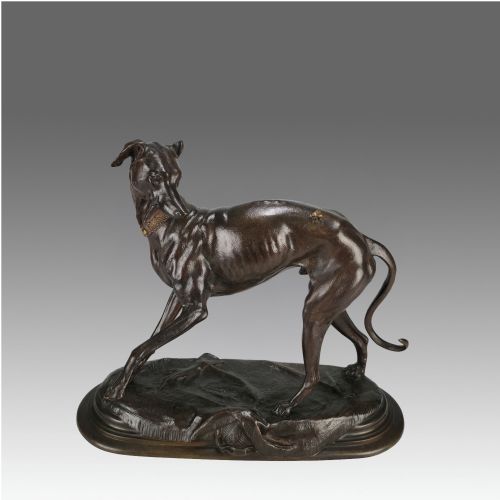
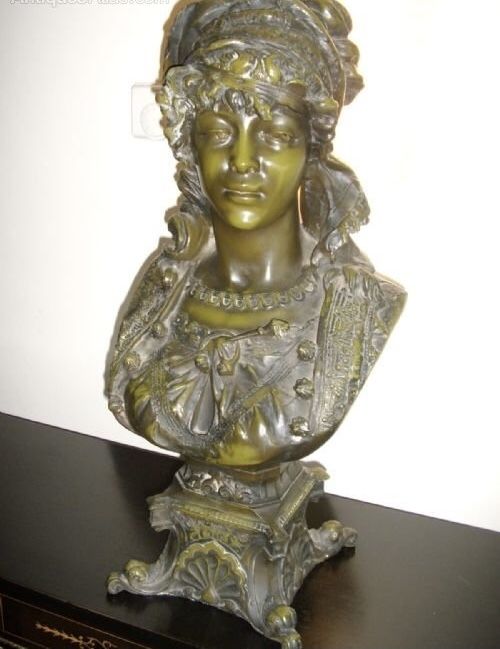
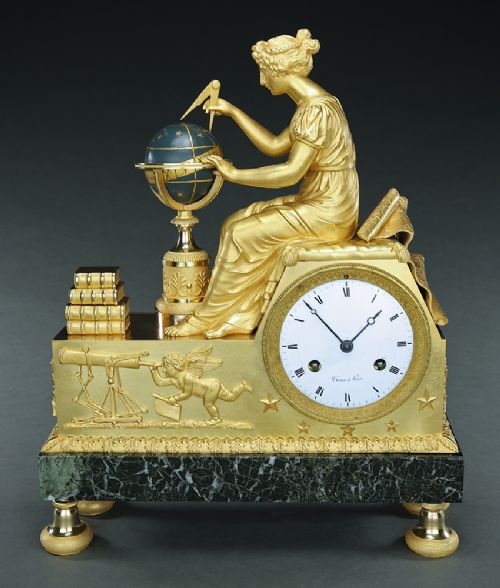
A nineteenth century bronze figure encompasses sculptures, busts, candelabra and mantle clocks created across the nineteenth century and into the early twentieth century. Buyers seeking this phrase encounter French animalier studies, Grand Tour souvenirs of classical deities, and portrait busts mounted on marble plinths.
The objects span varied styles including Neoclassical, French Empire, Art Nouveau and Rococo Revival. Many pieces incorporate integral bases of marble, onyx or slate to support the weight of the cast metal.
Subjects range from historical leaders such as Napoleon and Dante Alighieri to mythological figures, cherubs and exotic animals. The works originate predominantly from French foundries, Italian souvenir workshops and English makers.
Materials and Casting
Foundries utilised traditional lost-wax or sand-casting techniques to shape molten bronze into complex sculptural forms. Makers applied chemical patination, silvering or fire-gilding to create rich surface colours, occasionally combining metal with enamel or carved wood.
Many sculptures incorporate bases of Carrara, Siena or grey marble, secured with threaded metal pins. Ormolu and gilt bronze elements highlight specific details on figures and clock cases.
Listings feature materials including bronze, gilt bronze, patinated bronze, ormolu, marble, onyx and enamel.
Execution and Detail
Quality rests upon the crispness of the chase work, where artisans hand-tooled the cooled metal to sharpen feathers, hair, drapery and facial expressions. Castings taken directly from a master model retain finer details than subsequent generations pulled from worn secondary moulds.
The depth and subtlety of the patination differentiate superior pieces from flatly painted or uniformly darkened surfaces. Bases fashioned from dense, high-grade marble or onyx with neat corner bevels signal careful workshop production.
Etienne-Henri Dumaige·Alfred Barye·Georges Van Der Straeten·Victor Peter·Charles Anfrie·Franz Bergman
The Nineteenth Century Bronze Figure Glossary
- Patinated bronze
- A metal sculpture treated with chemical solutions to produce a controlled surface colour, typically shades of brown, green or black. This process protects the alloy while enhancing the visual depth of the contours.
- Grand Tour
- A term for souvenir artworks purchased by travellers visiting cultural sites in Italy and France during the nineteenth century. These cabinet bronzes typically reproduced famous classical sculptures.
- Ormolu
- Gilt bronze produced by applying a mercury and gold amalgam to a bronze base before heating to drive off the mercury. The technique creates a durable, warm golden finish characteristic of French decorative arts.
- Chasing
- The manual refinement of a cast metal surface using small punches and hammers to clean up seams and define textures. Fine chasing distinguishes high-end foundry output from commercial factory work.
Nineteenth Century Bronze Figure: Frequently Asked Questions
What is a Grand Tour bronze?
Grand Tour bronzes are small-scale souvenir sculptures acquired by affluent travellers touring classical antiquities in Italy during the nineteenth century. They reproduced famous museum pieces such as ancient Roman statues and mythological figures.
These reductions allowed collectors to display canonical sculptural forms within private libraries and drawing rooms.
How can I tell cast bronze from spelter?
Bronze is a heavy alloy of copper and tin that feels cold to the touch and rings with a clear tone when tapped gently. Spelter, a zinc-based white metal alloy often used for cheaper figures, is lighter and softer.
Inspect the underside or areas of wear for the reddish hue of copper beneath the surface finish, which indicates true bronze rather than grey spelter.
Why are some figures mounted on marble?
Foundries mounted bronze sculptures on marble or slate plinths to provide structural stability and visual contrast. Heavy figures required a weighted base to prevent tipping, particularly for cantilevered or dynamic compositions.
Different stone types like black Belgian slate, white Carrara or coloured Siena marble also helped date the piece to specific regional aesthetic preferences.